Table of Contents >> Show >> Hide
- What Is Frama’s Adam Stool?
- Why the Design Works So Well
- Materials: Why They Matter Here
- Choosing the Right Size
- Where Frama’s Adam Stool Looks Best
- What Kind of Buyer Will Love It?
- Potential Drawbacks to Consider
- Why Frama’s Adam Stool Still Feels Fresh
- Experiences Related to Frama’s Adam Stool
- Conclusion
Some furniture tries very hard to impress you. It adds curves, gadgets, extra bulk, and the occasional “look at me” attitude. Frama’s Adam Stool takes the opposite route. It is lean, practical, and almost suspiciously calm. Yet that restraint is exactly why it has become such a compelling object in modern interiors. It does not scream for attention, but it absolutely knows it looks good.
At first glance, the Adam Stool seems simple: a slim steel frame, a flat seat in oak or leather, and a small cutout that works as a handle. That sounds straightforward, maybe even humble. But that is where the magic starts. Frama has built the stool around the idea that useful objects should also be beautiful, and beautiful objects should still earn their keep. In a world of overdesigned seating, this piece feels refreshingly honest.
This article takes a closer look at what makes Frama’s Adam Stool stand out, how its industrial spirit works in real homes, which size makes sense for your space, and why this design manages to feel both architectural and approachable. Think of it as a style profile, a buying guide, and a love letter to minimalism having a very good day.
What Is Frama’s Adam Stool?
Frama’s Adam Stool is a minimalist stool designed by Toke Lauridsen for the Copenhagen design brand Frama. Its visual language draws from classic industrial design, workshop furniture, and artists’ studio seating. That heritage shows up in the stool’s disciplined silhouette: slim metal legs, exposed structure, compact proportions, and materials that are chosen for durability rather than decoration.
And yet, the Adam Stool never feels cold. The oak option brings warmth. The leather option brings softness and a bit of lived-in richness. Even the steel frame, especially in raw steel, avoids feeling sterile because the whole point is that the materials are allowed to look like themselves. No costume jewelry here. This stool is not pretending to be handmade rustic chic or glossy luxury sculpture. It is simply a strong design object with clear intentions.
That clarity is one reason the Adam Stool has remained relevant. Good proportions age well. Honest materials age even better. Frama clearly understands both.
Why the Design Works So Well
1. It embraces industrial style without becoming heavy-handed
Industrial design can go wrong in a hurry. One minute you are aiming for refined utility, and the next minute your kitchen looks like an overly committed warehouse cosplay. The Adam Stool avoids that trap by using industrial references with discipline. The steel frame is slim, not bulky. The lines are clean, not rugged for the sake of drama. The result is a stool that nods to workshop practicality while still feeling right at home in polished contemporary interiors.
That balance matters. A lot. It means the stool can sit under a marble island, beside a warm wood desk, or in a hallway with limewashed walls and still feel perfectly comfortable. It is industrial, yes, but it is industrial after someone edited out all the yelling.
2. The footprint is tiny, but the presence is strong
One of the Adam Stool’s best tricks is how little space it visually occupies. The frame is airy. The seat is compact. The backless form tucks neatly under counters and tables. For smaller homes, apartments, studio kitchens, or multipurpose spaces, that is a huge advantage. You get useful seating without turning every square foot into a furniture obstacle course.
At the same time, the stool does not disappear in a bad way. It still reads as intentional. In fact, that low-profile form is part of the appeal. It gives a space rhythm without clutter. Designers love pieces like this because they do practical work while keeping the room visually clean.
3. The handle cutout is more important than it looks
The hole in the seat is one of those tiny details that makes you think, “Ah, someone actually lives on Earth.” It breaks up the flat plane of the seat visually, but more importantly, it makes the stool easy to grab and move with one hand. That matters in real life. You pull it to the island, move it to a desk, park it in the hallway, or borrow it as backup seating when extra guests arrive and suddenly your home turns into a casual dinner party with three too many people.
Good design is often just smart convenience wearing a nice outfit. The Adam Stool understands that.
Materials: Why They Matter Here
Frama’s design philosophy leans heavily into material honesty, and the Adam Stool is one of the clearest examples of that approach. The steel frame provides structure and visual sharpness. The oak seat offers grain, softness, and a natural surface that feels grounded. The leather version adds texture and a richer tactile experience, especially for people who want a more elevated or lounge-adjacent look.
The raw steel version is particularly interesting because it embraces imperfection. It is not trying to look untouched forever. In fact, slight variation, wear, and even traces of rust in unfinished steel are part of the character. That sounds scary only if you expect furniture to behave like a shrink-wrapped appliance. Frama is doing something more nuanced. It is allowing the stool to evolve visually over time.
The oak and leather versions do the same thing in different ways. Oak gains depth with use. Leather develops patina and darkens. Over time, the stool tells a small story about where it has been and how it has been used. In a design market full of surfaces that try to stay frozen in showroom condition, that idea feels wonderfully human.
Choosing the Right Size
Frama offers the Adam Stool in three main heights, which is one reason the design is so versatile. The stool is not trapped in one lifestyle. It can move from dining to kitchen to bar use depending on the version you choose.
H50: The everyday utility player
The 50 cm height works well as a regular stool for dining-height surfaces, desks, workspaces, or anywhere you want an extra perch that does not hog the room. This is the version that often feels most flexible because it can function almost like a side chair, a compact seat, or even a stylish landing spot in a bedroom, entry, or studio corner.
H65: The kitchen favorite
If your home has a standard kitchen island or counter-height surface, the 65 cm option is usually the sweet spot. In American homes, counter stools generally pair with counters around 36 inches high, and that is exactly the territory where a medium-height stool tends to shine. This makes the H65 arguably the most practical version for everyday family life, casual meals, coffee chats, and pretending to answer emails while actually scrolling. A design classic should support ambition and avoidance equally.
H76: The bar-height statement
The tallest version is best for bar-height counters, higher work surfaces, or standing desks that need a sitting option. It feels a little more dramatic in profile, which can be great if you want the stool to have stronger presence in an open-plan kitchen or entertaining area. It still keeps the Adam line’s lean silhouette, but at this height it becomes a more obvious visual feature rather than a quiet helper.
Where Frama’s Adam Stool Looks Best
Kitchen islands
This is probably the Adam Stool’s natural habitat. Kitchen islands are social magnets, and the stool’s backless form keeps the area open and conversational. It tucks under the counter when not in use, which helps maintain flow around the island. In kitchens where you want seating but do not want bulky upholstered stools dominating the room, the Adam Stool is a smart solution.
Home offices and creative studios
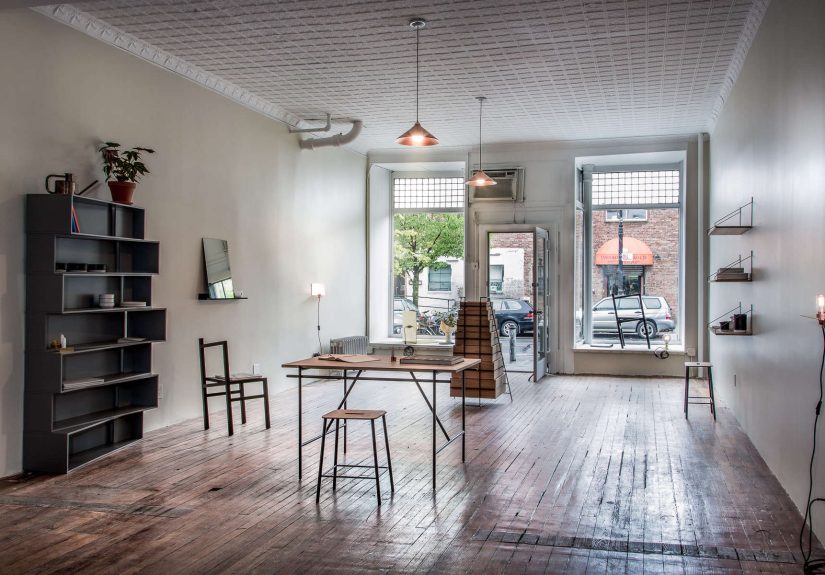
Because the design has roots in workshop and studio furniture, it feels especially convincing in workspaces. The stool suits desks, drafting setups, and creative corners where you want something functional, sturdy, and visually clean. It has that rare ability to make a workspace look more thoughtful without making it look precious.
Dining nooks and compact spaces
In smaller homes, dining stools can be a strategic win. The Adam Stool’s small footprint and tuck-under profile help keep tight layouts from feeling crowded. It offers seating when you need it and visual breathing room when you do not. If your square footage is modest but your taste is not, that is good news.
Hallways, bedrooms, and in-between spaces
Here is where the Adam Stool gets even more appealing: it can act like a utility object without looking utilitarian in a boring way. Put it in a hallway as a quick seat for shoes. Use it in a bedroom beside a wardrobe. Place it near a bookshelf as a casual perch. The design is strong enough to stand alone, so it does not need to be hidden to earn its place.
What Kind of Buyer Will Love It?
Frama’s Adam Stool is not for everyone, and that is part of its charm. If you want plush upholstery, wraparound comfort, or a stool that feels like a mini lounge chair, this probably is not your match. It is backless, visually spare, and intentionally straightforward.
But if you appreciate minimalist furniture, architectural silhouettes, Scandinavian restraint, and materials that improve with age, this stool is very easy to love. It is especially appealing to buyers who see furniture as part utility, part atmosphere. The Adam Stool does not just fill a seating need. It helps define the tone of a room.
It is also ideal for people who prefer to buy fewer, better pieces. Rather than chasing trend-driven seating that looks dated after two seasons, the Adam Stool offers a calmer, longer-term design solution. It is not trendy in the disposable sense. It is stylish in the “this still looks right five years later” sense.
Potential Drawbacks to Consider
No good review or analysis should act like a product descended from heaven accompanied by tasteful ambient music. So let’s be fair.
First, this stool is intentionally minimal, which means comfort depends on your expectations. For a quick breakfast, a coffee, a chat, or focused desk work, it works beautifully. For long, sprawling dinner parties where everyone settles in for three hours and starts discussing real estate and sourdough hydration, some people may prefer a stool with a back.
Second, the raw and natural materials are part of the appeal, but they also ask for the right mindset. If you want furniture that always looks factory-fresh and never changes, the Adam Stool’s patina-friendly personality may not be your thing. This piece is better suited to buyers who understand that wear can be character, not damage.
Third, it is definitely a designer stool. You are paying for design credibility, material quality, and long-term visual value, not just a place to sit while eating toast. For many buyers, that makes sense. For others, a simpler budget stool may be the better fit.
Why Frama’s Adam Stool Still Feels Fresh
The strongest design objects usually have one thing in common: they are specific without being rigid. The Adam Stool is clearly a Frama piece. It carries the brand’s love of restraint, material honesty, and functional beauty. But it is not so stylized that it only works in one kind of interior.
That is why it continues to show up in homes that mix old and new, refined and rough, warm and cool. It can support a Scandinavian look, an industrial loft vibe, a contemporary kitchen, or a softly minimal apartment with natural wood and plaster walls. It adapts without losing identity.
That is not easy to do. Plenty of furniture is flexible because it is bland. The Adam Stool is flexible because it is well designed. Big difference.
Experiences Related to Frama’s Adam Stool
Living with Frama’s Adam Stool is less about one dramatic “wow” moment and more about a series of small, satisfying interactions that add up over time. The first experience most people notice is how easy it is to move. You reach for the cutout handle, slide the stool where you need it, and suddenly it is helping in a new role. In the morning, it sits at the kitchen island holding a coffee ritual together. By afternoon, it has drifted toward a desk for a quick work session. By evening, it becomes overflow seating when someone casually says, “We invited two more people, hope that’s fine.” The Adam Stool rarely complains.
Another experience is visual. Some furniture asks to be styled around. This stool does the opposite. It quietly improves what is already there. In a kitchen, it sharpens the architecture. In a room with natural wood, it adds contrast. In a more industrial space, it looks like it belongs there by birthright. It gives interiors a little bit of discipline, which is useful because many rooms, like many group chats, benefit from stronger editing.
There is also the tactile experience. The oak version feels grounded and natural, especially if you like wood grain that reads as real rather than overly processed. The leather version has a more luxurious edge, but not in a flashy way. It is more like the difference between a crisp cotton shirt and a really good leather jacket. Both work. One just carries a little extra swagger.
Over time, owners also tend to notice the stool aging in a pleasing way. This is not a piece that looks worse the second it gets used. Minor wear often makes it look better. The leather softens visually. The wood gains depth. The steel develops personality. That can be surprisingly refreshing if you are tired of furniture that behaves like it is one fingerprint away from an existential crisis.
Perhaps the most meaningful experience, though, is how often the stool earns its keep without demanding gratitude. It is a seat, a side perch, a flexible extra, a compact design statement, and sometimes even a temporary catchall during busy days. It works in homes that are polished and homes that are still becoming themselves. It fits the person who wants thoughtful design but still needs furniture to function on a Tuesday night when the groceries are late and the laptop battery is dying.
That is the real charm of Frama’s Adam Stool. It does not just photograph well. It lives well. And in the long run, that is the kind of design experience that matters most.
Conclusion
Frama’s Adam Stool succeeds because it understands a truth that many furniture pieces forget: simplicity is not the absence of design, but the refinement of it. The stool’s compact shape, industrial references, honest materials, and practical details make it more than just a pretty perch. It is a highly usable design object that can move through different rooms and routines without losing its identity.
Whether you are furnishing a sleek kitchen island, a hardworking creative studio, or a small apartment that needs every item to multitask, the Adam Stool offers a rare combination of beauty and utility. It looks crisp in photos, yes, but more importantly, it feels intelligent in daily life. And that is usually the difference between furniture you admire for a week and furniture you appreciate for years.