Table of Contents >> Show >> Hide
- Can You Keep Breastfeeding If You Have Food Poisoning?
- First 24 Hours: A Simple Game Plan That Actually Works
- How to Treat Symptoms Safely While Breastfeeding
- When to Call a Clinician or Seek Urgent Care
- What About Your BabyWhat Should You Watch For?
- “Do I Need to Pump and Dump?” (Usually, No.)
- How Long Does Food Poisoning Last?
- Prevention Tips for Breastfeeding Families (Because Nobody Has Time for a Sequel)
- Quick FAQ
- Conclusion
- Real Experiences: What It’s Like (and What Actually Helps) 500 Extra Words
Food poisoning has the worst timing. You’re already running on “new-parent math” (sleep + coffee = survival),
and now your stomach decides to host a chaotic little foodborne festival. The good news: in most cases,
you can keep breastfeeding, focus on hydration, and recover without putting your baby at risk.
The not-so-fun news: you may need to treat yourself like a rechargeable device for 24–48 hours:
fluids in, rest when possible, and only do “high-priority tasks.”
This guide walks you through what to do first, which symptom treatments are typically compatible with breastfeeding,
how to spot red flags, and how to keep your milk supply steady while your digestive system negotiates peace terms.
Can You Keep Breastfeeding If You Have Food Poisoning?
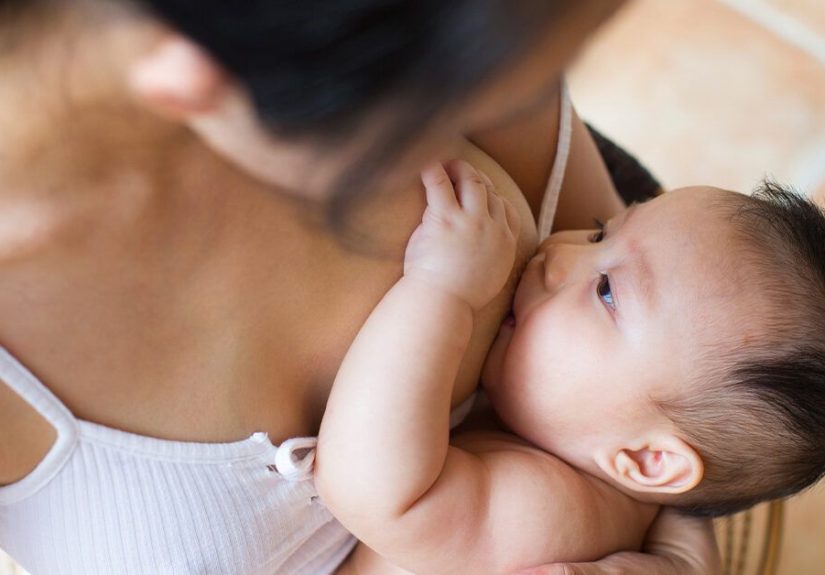
In most scenarios, yesyou can (and usually should) continue breastfeeding while you have food poisoning.
Most causes of food poisoning affect your gastrointestinal tract, and the germs that made you sick are far more
likely to spread through contaminated hands, surfaces, or shared food than through breast milk.
Why breast milk is usually still safe
Breast milk isn’t a direct “pipeline” from your stomach to your baby. Even when you feel awful, your body is
still producing milk that supports your baby’s nutrition and hydration. Plus, your immune system is busy creating
antibodies against whatever got youthose immune factors can be one more layer of protection for your baby.
What can spread instead (and how to prevent it)
While the milk is usually safe, your hands are the real risk. If you’re vomiting or have diarrhea, treat hand hygiene
like it’s your new part-time job. Wash with soap and water (especially after bathroom trips), clean high-touch
surfaces, and avoid preparing food for others until you’re improving. If you’re actively vomiting, you might also
consider wearing a mask while nursing just to reduce the chance of spreading germs through droplets.
First 24 Hours: A Simple Game Plan That Actually Works
Food poisoning treatment is mostly supportive caremeaning you help your body ride it out while preventing
complications (hello, dehydration). Here’s a practical approach that doesn’t require you to be superhuman.
1) Hydration is the main event
Vomiting and diarrhea can drain fluids and electrolytes fast, and dehydration is the biggest reason people end up
needing urgent care. Aim for frequent, small sips if your stomach is touchy. If you can tolerate it, use an oral
rehydration solution (ORS) or an electrolyte drink.
- If you’re vomiting: Try 1–2 tablespoons (15–30 mL) every 5–10 minutes. Gradually increase as tolerated.
- If you have diarrhea: Keep fluids steady and add electrolytes. Broth and ORS are especially helpful.
- Skip dehydration helpers in disguise: Alcohol and large amounts of caffeine can worsen dehydration.
Homemade ORS option (if you don’t have packets): Mix 1 liter of clean water with 6 teaspoons of sugar and 1/2 teaspoon of salt.
Stir until dissolved. (If you can get pre-made ORS, that’s usually easier and more consistent.)
2) Keep breastfeeding, but simplify the logistics
If you feel well enough to nurse, continue. Babies often cluster-feed when they sense something is offcomfort nursing
is normal, even if you’re thinking, “I would like to unsubscribe from being awake.”
- If you’re too nauseated to nurse comfortably: Try pumping in shorter sessions to maintain supply, or hand express a little.
- If your baby usually takes a bottle: Having a partner offer previously pumped milk can give you a hydration break.
- If your supply dips temporarily: It’s often from dehydration and reduced calories. Fluids + time usually help it rebound.
3) Eat when you can, not when you “should”
Once vomiting slows, start with bland, easy-to-digest foods: toast, crackers, rice, oatmeal, bananas, applesauce,
soup, potatoes. Many people mention the BRAT diet (bananas, rice, applesauce, toast) because it’s gentle, but
you don’t need to stick to it strictly for days. The goal is simply “calories you can keep down.”
When you’re ready, add protein (eggs, yogurt if tolerated, chicken, beans) because your body is doing repair work
and breastfeeding is an energy job.
How to Treat Symptoms Safely While Breastfeeding
Breastfeeding doesn’t mean you have to suffer dramatically on the couch like a Victorian character. Many common
symptom treatments are compatible with lactation, but medication choices depend on your symptoms, your health history,
and your baby’s age/health. When in doubt, ask your clinician or pharmacist and mention you’re breastfeeding.
Nausea and vomiting
- Start with: Small sips of ORS, ice chips, diluted juice, ginger tea, bland foods once tolerated.
- Medication example (prescription): Ondansetron is commonly used postpartum and is often considered compatible with breastfeeding in typical doses.
If you cannot keep fluids down for more than several hours, that’s a dehydration riskcall a clinician or seek urgent care.
IV fluids can make a huge difference and are compatible with breastfeeding.
Diarrhea and stomach cramps
- Hydration first: Diarrhea isn’t just inconvenientit’s fluid loss.
- Medication example (OTC): Loperamide (Imodium) is often considered unlikely to affect a breastfed infant with standard dosing.
- What to be cautious with: Bismuth subsalicylate (Pepto-Bismol) has limited breastfeeding data and contains salicylate-related components, so many clinicians recommend choosing alternatives while nursing.
Important: Avoid anti-diarrheal medications if you have high fever or blood in the stool unless a clinician tells you otherwise.
In some infections, slowing the gut can be unhelpful.
Fever, chills, body aches
Fever can happen with some foodborne infections. Acetaminophen and ibuprofen are commonly used during breastfeeding.
Use the dose on the label (or your clinician’s instructions), and prioritize fluidsfever increases dehydration risk.
Do you ever need antibiotics?
Sometimes, but not usually. Many cases of food poisoning improve on their own. Antibiotics are typically reserved for
specific bacteria, severe illness, high-risk patients, or certain travel-related infections. The key point: don’t self-prescribe
leftover antibiotics. If you need them, your clinician will choose an option compatible with breastfeeding.
When to Call a Clinician or Seek Urgent Care
Most people recover in a couple of days, but breastfeeding parents should take dehydration seriously because you’re supporting
your body and milk production. Reach out for medical care if you notice any of the following.
Red flags in you
- Signs of dehydration: very dark urine, peeing much less than usual, dizziness/fainting, dry mouth, rapid heartbeat
- Can’t keep fluids down: ongoing vomiting or vomiting plus diarrhea that’s intense
- Blood in stool or black/tarry stool
- High fever that persists or is accompanied by severe weakness
- Severe abdominal pain or symptoms that worsen instead of improve after 24–48 hours
- Symptoms lasting more than 3 days without improvement
Special situations that deserve a faster call
- You’re immunocompromised or have a chronic condition that increases dehydration risk.
- You suspect a higher-risk exposure (for example, a known food recall or high-risk foods and now you have fever and systemic symptoms).
- You’re within the early postpartum period and feel unusually weak, confused, or unable to care for yourself safely.
What About Your BabyWhat Should You Watch For?
Most babies won’t get food poisoning from breastfeeding when you’re sick. Still, babies can get stomach bugs or infections
through household exposure, so it’s smart to keep an eye on them.
Call your pediatrician if your baby has:
- Fever (especially in infants under 3 months)
- Repeated vomiting or diarrhea
- Fewer wet diapers than usual (a common dehydration clue)
- Unusual sleepiness, poor feeding, or signs of dehydration (dry mouth, no tears when crying)
If your baby seems fine, continuing to nurse is often helpfulbreast milk is gentle on the stomach and supports hydration.
“Do I Need to Pump and Dump?” (Usually, No.)
Food poisoning itself typically doesn’t require pumping and dumping. The bigger issue is whether you’re taking a medication
that isn’t recommended during breastfeeding. Most supportive treatments are compatible, and many prescription options have
breastfeeding safety data. If you’re prescribed something new, ask: “Is this safe while breastfeeding, and do I need to time doses?”
If you do need a medication that requires temporary interruption (rare for simple food poisoning), you can often maintain supply
by pumping and discarding milk during that window. But don’t decide that aloneget individualized guidance.
How Long Does Food Poisoning Last?
It depends on the cause. Many cases improve within 24–72 hours, though some infections can last longer. If your symptoms are
intense, persistent, or unusual (blood in stool, high fever, severe pain), that’s a clue to get evaluated.
Prevention Tips for Breastfeeding Families (Because Nobody Has Time for a Sequel)
Kitchen basics that do a lot of heavy lifting
- Handwashing: before food prep, after bathroom trips, after handling raw meat/eggs.
- Separate: use different cutting boards for raw meats and produce, or wash thoroughly between uses.
- Cook: use a food thermometer for meats when possible; “looks done” is not a measurement.
- Chill: refrigerate leftovers promptly; don’t let perishable food sit out for long periods.
High-risk foods to handle carefully
Everyone should be cautious with raw or undercooked eggs, meats, seafood, and unpasteurized products.
If someone in your household is pregnant or immunocompromised, food safety becomes even more important.
Quick FAQ
Can I take Imodium while breastfeeding?
Loperamide is often considered compatible with breastfeeding when used as directed, but check with a clinician if you have
fever, blood in stool, or severe symptoms.
Should I avoid Pepto-Bismol while breastfeeding?
Many clinicians advise avoiding bismuth subsalicylate during breastfeeding due to limited data and salicylate-related concerns.
Ask your clinician for alternatives that match your symptoms.
What if I’m not eating muchwill my milk “lose nutrients”?
Your body prioritizes milk production remarkably well. Short-term appetite loss is common. The bigger threat is dehydration,
which can reduce supply temporarily. Focus on fluids and gentle calories.
What’s the single best thing I can do?
Hydrate early and often. If you can do only one thing between bathroom trips and nursing sessions, make it fluids.
Conclusion
Food poisoning while breastfeeding is miserable, but it’s usually manageable. Continue breastfeeding if you can, protect your baby
with solid hygiene, and treat the situation like a hydration-and-rest project with a short deadline. Use symptom relief that’s compatible
with breastfeeding, and don’t “tough it out” if dehydration or severe symptoms show up. Getting help sooner often shortens the whole ordeal
and gets you back to being a functional human faster.
Real Experiences: What It’s Like (and What Actually Helps) 500 Extra Words
If you’ve never had food poisoning while breastfeeding, it’s hard to explain the particular brand of chaos it creates.
You’re not just sick; you’re sick with a tiny roommate who still expects room service. Here are a few common experiences
breastfeeding parents shareplus what tends to help in the real world (not just in a perfect, quiet universe where you can nap).
The “Sip Olympics” (a.k.a. Hydration, but make it microscopic)
A lot of parents describe the first hours like this: you’re too nauseated to drink normally, but you also know you have to
keep fluids coming in. The winning move is going small and steadyone swallow, pause, repeat. People often do better with cold
liquids, ice chips, or popsicles because they feel less “sloshy.” Some swear by oral rehydration solution because it replaces
electrolytes, not just water. The lesson: the goal isn’t a heroic chug. It’s a steady drip of fluids that your stomach can accept
without launching a protest.
“My baby wanted to nurse MORE” (which feels unfair, but makes sense)
Parents are sometimes surprised that their baby wants to nurse more frequently when the parent is sick. Comfort nursing is a real thing,
and babies can pick up on changes in routine. The practical fix: set up a “nursing station” that requires as little movement as possible.
Think: a big water bottle, electrolyte drink, phone charger, wipes, a small towel, and bland snacks you can tolerate. If you have help,
let someone else handle diapers and burping so your only job is feeding and hydrating. Many parents say this is the moment they stop trying
to “power through” and start treating rest like a medical interventionbecause it kind of is.
The supply wobble panic (and the rebound)
It’s extremely common to worry about milk supply when you’re barely eating and you’re losing fluids. People often report a temporary dip
fewer letdowns, less pumping output, or a baby who seems fussier at the breast. In many cases, it improves once hydration and calories return.
A helpful mindset is “protect the basics”: keep nursing or pumping as you can, don’t obsess over output for a day or two, and focus on fluids.
When appetite returns, adding simple protein (eggs, yogurt, chicken soup, peanut butter toast) can help you feel steadier. The biggest takeaway
from experienced parents is reassuring: a short illness rarely ruins breastfeeding. It usually just makes you appreciate boring things like water
and plain toast with newfound respect.
The “I waited too long” regret (listen to your body sooner)
Another common theme is parents delaying care because they don’t want to leave their baby or they assume they should tough it out. But when
dehydration hitsdizziness, racing heart, barely peeingthings get harder fast. Many parents say that getting medical help (even just urgent care
for assessment and fluids) shortened the recovery and made breastfeeding easier, not harder. If you’re on the fence, call. The goal isn’t to prove
you’re strong; it’s to get you well.