Table of Contents >> Show >> Hide
- Who Was Mogens Koch?
- The Story Behind the Folding Chair
- What Makes the Mogens Koch Folding Chair Special?
- Design Influences: From Ancient Folding Chairs to Danish Modernism
- How the Folding Chair Works in Modern Interiors
- Comfort: Is It Actually Nice to Sit In?
- Collectibility and Value
- Care and Maintenance
- Why the Folding Chair Still Feels Contemporary
- Experience Notes: Living With the Folding Chair by Mogens Koch
- Conclusion
The Folding Chair by Mogens Koch is proof that a chair does not need to shout, sparkle, spin, recline, or come with a cup holder to become unforgettable. Sometimes, all it needs is a thoughtful frame, honest materials, a brilliant folding mechanism, and the quiet confidence of Danish design doing what Danish design does best: looking effortless while being deeply considered.
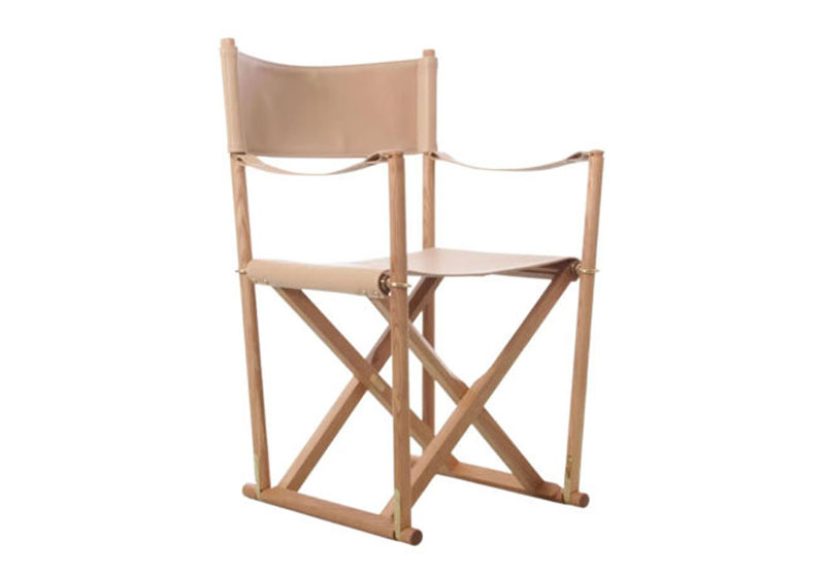
Known today as the MK16 Folding Chair and historically associated with model names such as MK99200, this design is one of the most admired examples of Danish modern furniture. It was conceived in the early 1930s, often linked to a church seating competition, and it reflects Mogens Koch’s architectural mind in miniature. This is not a “folding chair” in the plastic-backyard-party sense. It is a precise, elegant, collapsible piece of furniture that happens to fold, store beautifully, and age with the grace of a well-loved leather notebook.
For anyone interested in Scandinavian furniture, Danish modern chairs, collectible design, or simply clever things made well, Koch’s folding chair deserves a closer look. It is functional, compact, and handsome enough to make ordinary folding chairs feel like they showed up to dinner in sweatpants.
Who Was Mogens Koch?
Mogens Koch was a Danish architect and furniture designer born in 1898 in Denmark. He trained at the Royal Danish Academy of Fine Arts and later returned there as a professor, shaping generations of design thinking. His career was influenced by the Danish functionalist tradition, especially the work of Kaare Klint, one of the great forces behind modern Danish furniture.
Koch did not design furniture as decorative sculpture. He approached it like architecture: measure carefully, remove what is unnecessary, respect the material, and make the object serve real life. His work included bookcase systems, chairs, stools, tables, textiles, church interiors, restoration projects, and architectural commissions. The result was a body of work that feels disciplined rather than flashy, practical rather than precious, and timeless rather than trend-chasing.
That philosophy is easy to see in the Folding Chair. Every visible part has a job. The wood provides structure. The canvas supports the body. The leather armrests offer touch and warmth. The brass fittings make movement smooth and durable. Nothing is there just to wink at the camera.
The Story Behind the Folding Chair
The Folding Chair by Mogens Koch was first conceived around 1932, with many sources connecting it to a brief for supplemental seating in churches. The idea was practical: create seating that could be brought out when needed, stored away when not, and still look dignified in a formal interior. That may sound simple, but anyone who has ever wrestled with a wobbly folding chair knows that “temporary seating” often becomes a design crime scene.
Koch’s answer was radical for its time. Instead of making something visually heavy or overly ornamental, he reduced the chair to a clear structure inspired by historic folding furniture, including ancient Roman and campaign-style seating. The chair was light, collapsible, and efficient, yet it still carried a sense of ceremony. It could sit in a church, a dining room, a study, or a modern living space without looking lost.
The design did not immediately become a commercial hit. Like many great ideas, it needed the world to catch up. By the 1960s, the chair had earned renewed attention and entered production, eventually becoming a Danish design classic. Today, it remains admired not because it looks nostalgic, but because its usefulness never expired.
What Makes the Mogens Koch Folding Chair Special?
1. It Folds Without Looking Temporary
Most folding chairs announce their foldability like a warning label. Koch’s chair does the opposite. It folds, yes, but when open, it has the presence of a permanent piece of furniture. The proportions are upright and composed. The X-like structural logic gives the chair movement without chaos. It feels portable, but not flimsy.
This is one reason the chair works so well as an “extra” chair in refined interiors. It can be stored when not needed, then brought out for guests without the host having to apologize for it. In fact, it may become the chair people fight over politely, which is the most Danish form of conflict imaginable.
2. The Materials Are Honest and Built to Age
The modern MK16 Folding Chair is typically described with a solid wood frame, cotton canvas seat and back, saddle leather armrests, and solid brass fittings. Depending on production period and retailer, older or alternate versions have appeared in woods such as beech, oak, or mahogany, with canvas or leather upholstery options.
The appeal lies in how these materials mature. Wood develops warmth. Leather darkens and softens with use. Brass gains a gentle patina. Canvas relaxes into the rhythm of daily sitting. Instead of trying to stay factory-perfect forever, the chair improves by showing signs of life. That is a very different attitude from disposable furniture, which often looks tired before the assembly instructions are even recycled.
3. The Construction Is Clever but Quiet
The folding mechanism is one of the chair’s great achievements. Precision hardware allows the frame to move smoothly, while the structure becomes stable when in use. Some descriptions note that the chair effectively stabilizes itself when someone sits in it, turning body weight into part of the engineering logic.
This is where Koch’s architectural discipline becomes visible. A chair is not only an object; it is a small structure that must support movement, posture, weight, and repeated use. The Folding Chair solves these demands with restraint. It does not need a gimmick because the mechanism itself is the magic trick.
Design Influences: From Ancient Folding Chairs to Danish Modernism
The Folding Chair by Mogens Koch did not emerge from nowhere. Koch studied historical furniture closely, as many Danish modern designers did. Rather than copying antique forms, he extracted their logic. Folding chairs have existed for centuries because portability has always been useful, from Roman ceremonial seating to campaign furniture used by military officers and travelers.
Koch took that old idea and modernized it. He removed excessive ornament, clarified the geometry, and used materials that expressed both utility and elegance. The result is not a reproduction of a Roman chair or a director’s chair. It is a Danish modern interpretation of a universal furniture type.
This makes the chair especially interesting for design lovers. It sits at the intersection of history and modernity. It remembers the past without dressing up in costume. It belongs to the 20th century, but it still makes sense in contemporary homes, where flexible furniture is more valuable than ever.
How the Folding Chair Works in Modern Interiors
Dining Rooms
As dining seating, the Mogens Koch Folding Chair offers a relaxed but sophisticated look. Around a wood table, especially one with simple lines, it brings texture through canvas and leather. It can also be used as occasional seating when extra guests arrive. Unlike metal rental chairs, it does not make the room feel like a conference registration desk.
Living Rooms
In a living room, the chair works beautifully as an accent piece. Its profile is open and airy, so it does not visually crowd a space. Place it near a bookshelf, beside a low table, or opposite a sofa. The chair adds structure without bulk, making it ideal for apartments, reading corners, and minimalist interiors.
Home Offices and Studios
For creative workspaces, the Folding Chair offers a useful mix of practicality and inspiration. It can serve as guest seating, a thinking chair, or a stylish extra perch during meetings. Designers, writers, architects, and collectors often appreciate furniture that quietly reminds them: good work comes from good decisions, not extra decoration.
Small Spaces
The chair’s folding ability makes it relevant for modern compact living. Many people want furniture that adapts without looking temporary. Koch solved that problem decades ago. The Folding Chair can be stored, moved, and used flexibly while still feeling like a serious design object.
Comfort: Is It Actually Nice to Sit In?
Yes, with the right expectations. The Folding Chair by Mogens Koch is not a marshmallow lounge chair. It will not swallow you whole or encourage a three-hour nap with a blanket and a suspiciously large snack. Instead, it offers upright, supportive comfort. The canvas or leather surface has give, the armrests provide warmth, and the proportions support sitting for dining, conversation, reading, or occasional work.
Its comfort comes from balance rather than padding. That is typical of many Danish modern chairs. They rely on proportion, angle, material tension, and human measurement rather than foam volume. For people who prefer a structured seat, the chair can feel excellent. For those who want cloud-like softness, a cushion may be helpful.
Collectibility and Value
The Mogens Koch Folding Chair has become collectible because it combines several desirable qualities: a respected designer, a strong design story, durable materials, historical importance, and continued relevance. Vintage examples from earlier producers are often sought by collectors, while contemporary versions allow buyers to enjoy the design without hunting through auction listings or decoding decades of wear.
When evaluating a vintage Folding Chair, look closely at the frame, hardware, seat, back, arm straps, and overall stability. Patina can be beautiful; damage is a different opera. Worn leather, gentle darkening, and honest signs of use may add charm, but cracked structural wood or compromised hardware should be handled carefully.
For new buyers, the chair’s value lies not only in design status but also in longevity. This is the kind of furniture that can stay useful for decades. In a market filled with pieces designed for quick visual impact, Koch’s chair offers something more durable: intelligent restraint.
Care and Maintenance
Because the chair uses natural materials, care should be gentle and consistent. Dust the wood regularly with a soft cloth. Avoid harsh chemicals, soaking, or aggressive scrubbing. Leather armrests should be treated according to the manufacturer’s guidance, especially if they are vegetable-tanned or natural saddle leather. Canvas should be protected from stains and moisture; it is not the sort of fabric you toss into a washing machine while hoping for the best.
The chair should also be used as intended. Although it has a portable spirit, it is not permanent outdoor furniture. A sunny patio moment may be charming, but leaving it exposed to weather would be like asking a tailored linen jacket to survive a thunderstorm. Technically possible for a moment, emotionally painful afterward.
Why the Folding Chair Still Feels Contemporary
The reason the Folding Chair by Mogens Koch remains relevant is simple: modern life still needs flexible, beautiful furniture. Homes are smaller. Rooms multitask. Dining areas become workspaces. Living rooms become guest rooms. People want furniture that can move, store, adapt, and still look intentional.
Koch understood this long before “multi-functional living” became a real estate phrase. His chair solves a modern problem with old-fashioned craft and architectural intelligence. It does not rely on trend colors, oversized branding, or theatrical silhouettes. Its appeal comes from clarity.
That clarity is why the chair looks good beside mid-century modern furniture, Scandinavian pieces, contemporary sofas, rustic tables, and even more traditional interiors. It has enough character to stand alone and enough restraint to play well with others. In design terms, it is the dinner guest who knows when to tell a story and when to pass the potatoes.
Experience Notes: Living With the Folding Chair by Mogens Koch
The best way to understand the Folding Chair by Mogens Koch is to imagine using it in ordinary life, not just admiring it in a showroom. At first glance, it may seem almost too refined to be practical. The wood frame looks precise, the brass fittings look intentional, and the leather armrests add a tailored detail that makes the chair feel more like an heirloom than a utility piece. But after a few days of living with it, the real charm becomes clear: it is useful without behaving like equipment.
Picture a small apartment where every square foot has a job. Most extra chairs are awkward. They lean in closets, scrape walls, or wait in corners looking slightly embarrassed. Koch’s chair changes that equation. Folded away, it becomes compact and orderly. Opened up, it immediately feels like part of the room. It does not have the flimsy “temporary seating” energy that makes guests wonder whether they should sit carefully or sign a waiver.
At a dining table, the chair brings a relaxed elegance. It is especially appealing in a mixed seating arrangement, where not every chair needs to match. The canvas and leather soften the geometry of wood, while the folding structure adds visual rhythm. During a long meal, the seat feels supportive rather than plush. That may be a surprise for people used to thick upholstery, but the comfort is real: upright, calm, and conversational. It encourages good posture without acting like a school principal.
In a reading corner, the experience is different. The chair feels light enough to move toward a window, yet stable enough to settle into with a book. The leather armrests matter more than expected. They give the hands a natural place to rest and add warmth to the sitting experience. Over time, those armrests would likely become the most personal part of the chair, picking up subtle changes from touch and use.
The chair also has an emotional quality that many modern pieces lack. Because its materials age visibly, it invites a slower relationship. A small mark on the frame does not ruin the piece; it becomes part of the story. The brass does not need to look brand-new forever. The canvas does not need to pretend no one has ever sat down. This kind of furniture makes daily use feel acceptable, even encouraged.
For design-minded homeowners, the Folding Chair offers another pleasure: it teaches restraint. It shows how much can be achieved with proportion, structure, and material honesty. No decorative shouting is required. No unnecessary flourish interrupts the form. The more you look at it, the more you notice how little is wasted. That is the quiet genius of Mogens Koch. He designed a folding chair that does what folding chairs are supposed to do, then elevated it until it became something worth studying, collecting, and living with.
Conclusion
The Folding Chair by Mogens Koch is more than a clever piece of collapsible seating. It is a masterclass in Danish modern design, where function and beauty are not rivals but partners. From its early 20th-century origins to its modern production, the chair continues to prove that practical furniture can be elegant, durable, and deeply human.
With its solid wood frame, canvas or leather seating surfaces, saddle leather armrests, and refined brass fittings, the chair carries the values that define Koch’s work: clarity, craftsmanship, proportion, and purpose. It folds, but it does not disappear into the category of ordinary folding furniture. Instead, it stands as a design classic that adapts to real homes, real rooms, and real life.
For collectors, it offers heritage. For homeowners, it offers flexibility. For design lovers, it offers a lesson in restraint. And for anyone who has ever underestimated a folding chair, Mogens Koch’s masterpiece offers a polite but firm correction.