Table of Contents >> Show >> Hide
- What is NASH (Non-Alcoholic Steatohepatitis)?
- The Rise of Resmetirom: What Does It Mean for Patients?
- How Resmetirom Works: Mechanism of Action
- The Road to FDA Approval
- Impact on the NASH Community and Future Outlook
- What’s Next for NASH Treatment?
- FDA Approves Rezdiffra (Resmetirom) for Fatty Liver Disease NASH – Experiences
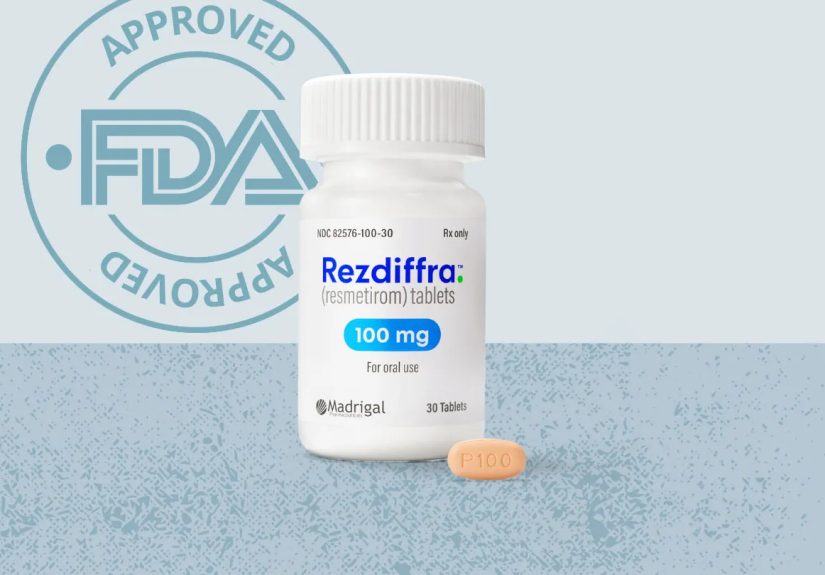
In a groundbreaking move, the FDA has granted approval to Rezdiffra (Resmetirom) for the treatment of Non-Alcoholic Steatohepatitis (NASH), a severe form of fatty liver disease. This approval marks a significant milestone in the battle against fatty liver conditions that have been largely under the radar until recent years. But what makes this approval so important? Let’s dive into why Resmetirom is being hailed as a game-changer and how it could change the lives of millions of people affected by this condition.
What is NASH (Non-Alcoholic Steatohepatitis)?
Before we get into the details of Resmetirom’s approval, it’s crucial to understand what NASH is and why it’s so dangerous. NASH is a progressive liver disease caused by fat buildup in the liver in people who drink little or no alcohol. It’s more than just fatty liver disease (FLD); it’s the liver’s response to that excess fat with inflammation and liver cell damage.
If left untreated, NASH can progress to cirrhosis, liver failure, and even liver cancer. The disease often goes undiagnosed because it doesn’t always cause symptoms until it has caused significant liver damage. It’s sometimes referred to as MASH (Metabolic Associated Steatohepatitis) to emphasize its connection with metabolic dysfunction, including obesity, type 2 diabetes, and hypertension.
The Rise of Resmetirom: What Does It Mean for Patients?
Resmetirom, sold under the brand name Rezdiffra, has been developed as a treatment for NASH. The FDA’s approval of this drug marks an important step toward managing a disease that has long been without a specific treatment option. Resmetirom works by targeting the liver’s fat metabolism, reducing the amount of fat in liver cells, and alleviating the inflammation that leads to liver damage.
This novel mechanism of action makes Resmetirom a promising candidate for NASH treatment. Clinical trials have shown significant improvements in liver fat content, inflammation, and fibrosis (scarring of the liver). For patients who have struggled with NASH for years, this could mean the difference between a future full of health complications and one with manageable treatment options.
How Resmetirom Works: Mechanism of Action
The key to Resmetirom’s success lies in its ability to target and regulate the liver’s fat metabolism. Resmetirom works by specifically targeting peroxisome proliferator-activated receptor (PPAR) alpha and gamma, two nuclear receptors that play a crucial role in lipid metabolism. This dual action helps the liver to reduce fat buildup while reducing inflammation. Additionally, it improves insulin sensitivity and may reduce the risk of cardiovascular disease, which often accompanies NASH.
In clinical trials, Resmetirom showed a significant reduction in liver fat content and a decrease in liver inflammation, which is key to preventing further liver damage. Importantly, it also led to a reduction in liver fibrosis, making it a potential treatment for one of the most serious outcomes of NASH.
The Road to FDA Approval
Getting a drug approved by the FDA is no small feat, especially for a condition like NASH that has traditionally had limited therapeutic options. Resmetirom’s journey to approval was paved by rigorous clinical trials and studies that demonstrated its safety and efficacy. These trials involved a variety of patients with different stages of NASH, including those with significant liver fibrosis. The results were promising, and the data supported its use as an effective treatment for reducing liver fat and inflammation.
While this approval is a breakthrough for those with NASH, the FDA’s decision comes with a note of caution. The approval is based on the results of clinical trials, and while the drug shows promise, long-term studies are still needed to fully understand its impact on liver fibrosis progression and its potential to prevent liver-related complications such as cirrhosis and cancer.
Impact on the NASH Community and Future Outlook
The approval of Resmetirom has major implications for the NASH community. Patients who have long awaited a treatment option now have access to a new drug that may not only improve liver health but also reduce the risk of life-threatening complications. The drug offers hope for better management of the disease and might even slow or stop its progression in many individuals.
However, this approval is just the beginning. The pharmaceutical industry is closely watching the outcomes of Resmetirom, as many companies are currently developing similar drugs aimed at targeting NASH. As more options become available, doctors and patients will have the opportunity to choose the treatment that works best for their specific case.
Moreover, the approval of Resmetirom could lead to greater awareness of NASH, as it gains more recognition within the medical community. With more attention focused on fatty liver disease, we can expect more research funding, public awareness campaigns, and better diagnosis and treatment strategies in the future.
What’s Next for NASH Treatment?
Now that Resmetirom has received FDA approval, we are likely to see a shift in the way NASH is managed. The drug’s approval will encourage more research and development of therapies for fatty liver diseases. With the increased attention on NASH, medical professionals will be more vigilant in diagnosing the disease early, potentially preventing further liver damage.
There’s also hope that this will lead to a broader discussion about metabolic health and its impact on liver function. As obesity and diabetes rates continue to rise globally, understanding the connection between metabolic syndrome and fatty liver disease will become increasingly important.
Conclusion
In conclusion, the FDA’s approval of Rezdiffra (Resmetirom) for the treatment of NASH is a major step forward in the fight against fatty liver disease. With its promising results in clinical trials, this drug offers a new ray of hope for patients who have been living with a disease that once had few treatment options. While there is still more to be learned about its long-term effects, Resmetirom represents a bright future for NASH management. It’s a reminder that science is continually advancing, bringing us closer to solutions for complex medical challenges.
As always, patients should consult with their healthcare provider to understand if Resmetirom is the right choice for their individual condition.
FDA Approves Rezdiffra (Resmetirom) for Fatty Liver Disease NASH – Experiences
For years, I’ve heard countless stories from patients struggling with fatty liver disease, particularly those battling the more severe form, NASH. The frustration and confusion they often express in dealing with a condition that has minimal symptoms until it’s too late is palpable. Many patients weren’t even aware that they had NASH until they found themselves dealing with its complicationsliver fibrosis, cirrhosis, and even liver cancer.
Having worked alongside doctors and healthcare professionals in this field, I’ve seen firsthand the power of early detection. The introduction of Rezdiffra into the market provides an exciting opportunity for those patients who have been living with the uncertainty of NASH. I spoke with one patient who had struggled with type 2 diabetes and obesity for years and recently found out they had fatty liver disease. The news was devastating, but hearing that there might be a solution on the horizon gave them new hope.
As more individuals receive a diagnosis of NASH, it’s essential to emphasize the importance of seeking treatment early. With therapies like Resmetirom, we’re beginning to see the first real steps in improving outcomes for patients. The road to managing NASH may not be short, but with more innovative treatments being developed, the future looks bright for those affected by this condition.
Overall, I think the FDA’s approval of Resmetirom is a beacon of hope in the world of liver health. The more we learn about fatty liver disease, the more we can do to prevent and treat it, and Resmetirom is a shining example of how science and innovation can give people a better shot at a healthy future.