Table of Contents >> Show >> Hide
- Why Brass-Tone Bath Faucets Are So Popular
- Common Brass-Tone Faucet Finishes
- How to Choose the Right Brass-Tone Bath Faucet
- Best Design Pairings for Brass-Tone Bath Faucets
- Should All Bathroom Fixtures Match?
- Cleaning and Caring for Brass-Tone Faucets
- Brass-Tone Faucet Styles Worth Considering
- Common Mistakes to Avoid
- Are Brass-Tone Bath Faucets Timeless or Trendy?
- Budget Tips for Buying Brass-Tone Bathroom Faucets
- Real-Life Experience: Living With Brass-Tone Bath Faucets
- Conclusion
Brass-tone bath faucets have a funny way of making a bathroom look like it suddenly hired an interior designer. One minute the room is just a sink, a mirror, and a heroic toothbrush cup. The next minute, a warm brushed brass faucet is sitting there like jewelry for the vanity, quietly saying, “Yes, I do coordinate with the towel ring.”
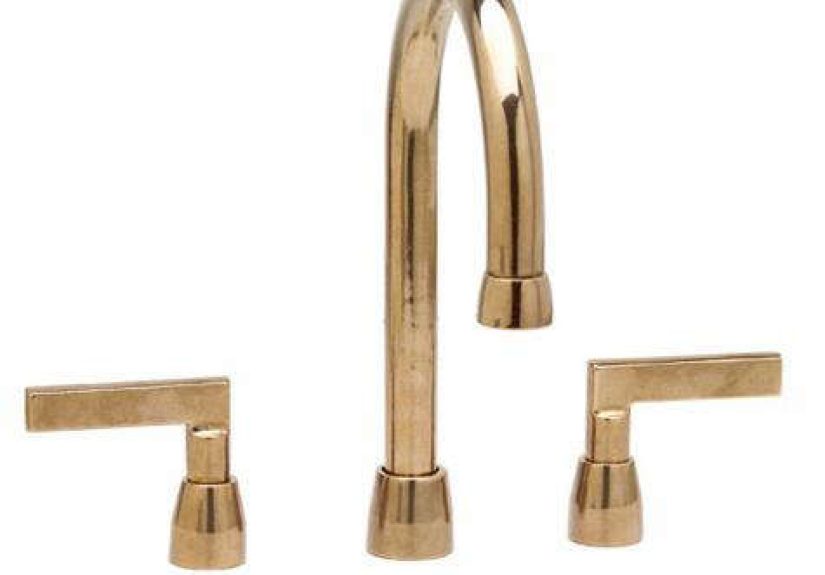
The appeal is easy to understand. Brass-tone bathroom faucets bring warmth, contrast, and personality to a space that can otherwise feel cold, shiny, and overly practical. Chrome is classic. Matte black is dramatic. Brushed nickel is reliable. But brass-tone fixtureswhether labeled brushed brass, champagne bronze, brushed gold, antique brass, modern brass, or warm brassadd a softer glow that works beautifully with white tile, marble, wood vanities, green walls, navy cabinets, and even simple rental-friendly upgrades.
This guide breaks down how to choose brass-tone bath faucets, what finishes actually mean, which faucet styles fit different sinks, how to avoid common buying mistakes, and how to keep that golden finish looking elegant instead of “forgotten pirate treasure.”
Why Brass-Tone Bath Faucets Are So Popular
Brass-tone bath faucets are popular because they solve two design problems at once: they add warmth and they create a focal point. Bathrooms often contain hard surfacesporcelain, glass, stone, tile, mirrors, and metal. Those materials are practical, but without warmth, the room can feel like a stylish laboratory where towels go to be judged.
A brass-tone faucet softens that look. It adds a warm metallic accent that feels polished without being loud. In a powder room, it can become the star of the vanity. In a primary bath, it can tie together lighting, cabinet pulls, towel bars, shower trim, and mirror frames. In a small bathroom, a brass faucet gives the eye somewhere pleasant to land, which is design-speak for “people will notice the faucet before they notice the laundry basket.”
Brass-Tone Does Not Always Mean Real Raw Brass
One important distinction: “brass-tone” usually describes the color or finish, not necessarily the entire material. Many quality faucets have brass bodies or brass components, but the visible surface may be a plated, coated, lacquered, brushed, or PVD-applied finish. Manufacturers use different names for warm gold finishes, which is why one brand’s brushed gold may look softer, pinker, brighter, or browner than another brand’s champagne bronze.
That is not a flaw. It simply means shoppers should compare actual finish samples or product photos in the same lighting whenever possible. A faucet that looks pale champagne online may appear richer in a bathroom with warm bulbs. A polished brass finish may look glamorous in a traditional bath but too shiny in a minimalist space. Finish names are helpful; your eyes get the final vote.
Common Brass-Tone Faucet Finishes
Brass-tone bath faucets come in several personalities. Think of them like members of the same stylish family: related, but definitely not wearing the same outfit.
Brushed Brass
Brushed brass has a soft, satin-like surface with subtle texture. It is one of the easiest warm metal finishes to live with because it tends to hide fingerprints and minor water spots better than high-polish finishes. It works especially well in modern, transitional, Scandinavian, organic modern, and spa-inspired bathrooms.
Polished Brass
Polished brass is bright, reflective, and bold. It has a more traditional or glamorous feel, especially when paired with marble, framed mirrors, classic sconces, or vintage-style vanities. It makes a statement, but it also shows fingerprints more easily. If brushed brass is a cashmere sweater, polished brass is a cocktail dress.
Champagne Bronze or Brushed Gold
Champagne bronze and brushed gold usually sit between brass and soft gold. These finishes are popular because they feel warm without looking overly yellow. They pair beautifully with white oak vanities, creamy tile, beige stone, and matte black accents.
Antique Brass
Antique brass has a deeper, aged appearance. It may include brown, amber, or muted gold undertones. This finish works well in cottage, traditional, vintage, industrial, and old-world bathrooms. It gives the room character, as if the faucet has stories to tell but is too classy to overshare.
How to Choose the Right Brass-Tone Bath Faucet
Choosing a brass-tone bathroom faucet is not only about color. It is about fit, proportion, function, finish durability, water efficiency, and how the fixture relates to the rest of the room. The best faucet should look good, feel good to use, and not create splash drama every time someone washes their hands.
1. Match the Faucet to Your Sink Holes
Before falling in love with a faucet, check your sink or countertop configuration. Bathroom faucets commonly come in single-hole, centerset, widespread, and wall-mounted styles.
A single-hole brass faucet combines the spout and handle into one compact unit. It is excellent for small vanities, modern sinks, and clean minimalist looks.
A centerset faucet typically fits a three-hole sink with holes spaced close together, often across a 4-inch spread. These are common in smaller bathrooms and budget-friendly remodels.
A widespread faucet has separate hot and cold handles with a separate spout. It usually fits wider hole spacing and gives a more custom, upscale look.
A wall-mounted brass faucet installs into the wall above the sink. It looks sleek and architectural, especially with vessel sinks or stone basins, but installation is more involved because plumbing must be correctly positioned inside the wall.
2. Consider Faucet Height and Reach
A faucet should direct water toward the center of the sink bowl. If the spout is too short, water may land too close to the back of the basin. If it is too tall or too far forward, splashing can turn your vanity into a tiny water park. Vessel sinks usually need taller faucets or wall-mounted fixtures, while shallow sinks often work better with lower, controlled spouts.
3. Choose One Handle or Two
Single-handle faucets are simple, modern, and easy to use. They are especially convenient in powder rooms and kids’ bathrooms because temperature and flow are controlled with one motion. Two-handle faucets offer a more traditional look and allow separate hot and cold adjustment. They also bring visual balance to wider vanities.
4. Look for Water Efficiency
Bathroom faucets do not need a fire-hose personality to perform well. Water-efficient models can reduce water use while still feeling comfortable for handwashing, shaving, and daily routines. Many shoppers look for efficient flow rates and WaterSense-labeled products because they are designed to use less water without making the faucet feel weak.
5. Check Lead-Free and Certification Information
Because bathroom faucets may supply water used for brushing teeth or filling a cup, safety matters. Look for faucets that state compliance with lead-free plumbing requirements and recognized drinking-water safety standards. This is especially important when buying unfamiliar brands online. A low price is nice; safe materials are nicer.
Best Design Pairings for Brass-Tone Bath Faucets
Brass-tone fixtures are versatile, but they shine brightest when the surrounding materials support them. The goal is not to make every object in the bathroom gold. The goal is balance.
White Tile and Brass Faucets
White tile with a brass faucet is a classic pairing because the contrast is clean, warm, and bright. Subway tile, zellige-style tile, marble-look porcelain, or simple white walls all make brass-tone fixtures stand out without overwhelming the room.
Green Bathrooms and Brass Fixtures
Green and brass are design best friends. Sage, olive, forest green, and emerald walls or tiles look especially rich with brass-tone faucets. The combination feels organic and slightly luxurious, like a boutique hotel that remembers to provide good lighting.
Wood Vanities with Brushed Brass
Natural wood vanities pair beautifully with brushed brass bathroom faucets. White oak, walnut, maple, and reeded wood finishes all benefit from the warmth of brass. This pairing works well in organic modern bathrooms, Japandi-inspired spaces, and relaxed spa-style remodels.
Black Accents and Brass Fixtures
Mixing brass with matte black can create a bold, modern contrast. Try a brass faucet with a black-framed mirror, black cabinet pulls, or black sconces. Keep the mix intentional. Two or three repeated touches are enough; otherwise the room can start to look like a hardware showroom having an identity crisis.
Should All Bathroom Fixtures Match?
No, all bathroom fixtures do not have to match perfectly. In fact, mixed finishes can look more layered and custom than a single finish used everywhere. The trick is to repeat each finish at least twice so the combination looks planned.
For example, you might use a brass-tone faucet and brass vanity light, then choose matte black mirror frames and black cabinet hardware. Or you might pair brass faucets with polished nickel sconces for a traditional look. What usually looks awkward is having one lonely brass faucet with no other warm accent anywhere nearby. Give it at least one friend.
Cleaning and Caring for Brass-Tone Faucets
Most brass-tone bathroom faucets are easy to maintain, but the finish deserves gentle care. Harsh cleaners can dull, scratch, or discolor specialty finishes. A soft cloth, mild dish soap, water, and regular drying are usually the safest routine.
Simple Cleaning Routine
Wipe the faucet with a damp soft cloth and mild soap. Rinse away residue. Dry with a clean microfiber cloth. This last step is small but powerful because water left to evaporate can leave mineral spots, especially in homes with hard water.
What to Avoid
Avoid abrasive pads, steel wool, harsh powders, bleach, ammonia, strong acids, and aggressive limescale removers unless the manufacturer specifically approves them. Specialty finishes may be durable, but they are not invincible. Treat them like sunglasses: useful every day, but not meant to be scrubbed with sandpaper energy.
How to Handle Water Spots
If water spots appear, start with the gentlest solution first: mild soap and water. Some manufacturers allow a diluted vinegar solution for limited spot treatment, but always check the faucet’s care instructions before using vinegar on brass-tone finishes. When in doubt, test in a hidden area or contact the manufacturer.
Brass-Tone Faucet Styles Worth Considering
Modern Minimalist
A single-handle brushed brass faucet with a slim spout is ideal for modern bathrooms. It pairs well with floating vanities, rectangular sinks, frameless mirrors, and simple stone countertops.
Vintage-Inspired
Cross handles, bridge-style details, and antique brass finishes are excellent for vintage-inspired baths. These faucets look charming with pedestal sinks, beadboard, patterned tile, and classic medicine cabinets.
Transitional
Transitional faucets blend modern simplicity with traditional softness. A widespread brass faucet with gently curved handles can work in almost any bathroom, making it a safe choice for homeowners who want style without chasing a trend too hard.
Luxury Spa
For a spa-like bathroom, choose a brushed brass faucet with a waterfall spout, smooth single handle, or sculptural silhouette. Pair it with warm stone, soft lighting, fluffy towels, and storage that hides the less glamorous realities of life, such as toothpaste backups and mystery hair ties.
Common Mistakes to Avoid
Buying the Finish Name Instead of the Actual Color
One brand’s brushed brass may not match another brand’s brushed gold. If you are coordinating faucets, shower trim, towel bars, and cabinet pulls, compare finish samples before buying everything.
Ignoring Sink Compatibility
A beautiful faucet that does not fit your sink holes is not a design upgrade; it is a return-label project. Measure first. Shop second. Celebrate third.
Choosing a Faucet That Is Too Tall
Tall faucets can look elegant, but they may splash in shallow sinks. Match spout height and reach to the basin depth.
Forgetting the Drain Finish
Many faucets include a drain assembly, but not all do. Make sure the drain finish matches or coordinates with the faucet, especially in open, visible sinks.
Skipping Installation Details
Check whether the faucet includes supply lines, a deck plate, a drain, and clear instructions. A faucet may look affordable until you realize half the necessary parts are arriving later like surprise guests.
Are Brass-Tone Bath Faucets Timeless or Trendy?
Brass-tone bath faucets are both timeless and trendy, depending on the shape and finish. Polished brass has appeared in homes for generations. Antique brass feels classic. Brushed brass and champagne bronze feel more current, especially in modern and transitional bathrooms.
The safest long-term choice is a simple silhouette in a muted brass-tone finish. Extremely ornate faucets or very bright yellow-gold finishes may feel more style-specific. That does not mean they are wrong. It simply means they make a stronger statement, and strong statements should be made on purpose.
Budget Tips for Buying Brass-Tone Bathroom Faucets
Brass-tone bath faucets are available at many price points. Budget models can work well for low-traffic powder rooms, while higher-end faucets may offer heavier construction, smoother handles, better finish technology, longer warranties, and more coordinated collections.
If your budget is limited, prioritize quality where the faucet gets the most use. A primary bathroom faucet should feel sturdy and operate smoothly because it will be touched every day. In a guest bath, you may have more flexibility to choose based on style and price.
Also compare complete collections. Buying a faucet, towel ring, robe hook, shower trim, and toilet paper holder from the same collection can simplify matching. However, mixing brands can work if the finishes are close and the shapes feel related.
Real-Life Experience: Living With Brass-Tone Bath Faucets
After using and designing around brass-tone bath faucets, one lesson becomes clear: the faucet may be small, but it has main-character energy. In a bathroom remodel, people often focus on tile, vanity color, mirrors, and lighting first. Those choices matter, of course. But the faucet is the thing people touch several times a day, which means it needs to feel as good as it looks.
In a small powder room, a brushed brass faucet can make the entire space feel more finished. I have seen a plain white sink, a small mirror, and simple painted walls suddenly look intentional after adding a warm brass faucet and matching wall sconce. It is the fastest way to give a tiny bathroom a little “boutique restaurant restroom” charmminus the confusing sink sensor that never recognizes your hands.
In a family bathroom, practicality becomes more important. A brushed or satin brass-tone finish is usually easier to live with than a mirror-polished brass finish because it hides minor smudges better. If kids use the bathroom, choose a faucet with smooth handles and a finish that can tolerate frequent wiping. Single-handle models are simple, but two-handle widespread faucets can make temperature control feel more precise. The best choice depends on who uses the bathroom and how much counter space you have.
One experience that surprises many homeowners is how much lighting changes the faucet color. Under warm bulbs, brass-tone faucets look richer and softer. Under cool white lighting, the same faucet may appear sharper or more yellow. Before deciding that the finish is wrong, check it at different times of day and under the bulbs you actually plan to use. Bathroom lighting is basically the faucet’s personal photographer.
Another practical lesson: matching every brass item perfectly is harder than it sounds. A mirror labeled “gold,” a faucet labeled “brushed brass,” and cabinet pulls labeled “champagne bronze” may all arrive looking like distant cousins. That can still work if the tones are close and the pieces are separated visually. But if a faucet and towel bar sit right next to each other, the mismatch becomes more obvious. When possible, order coordinating pieces from the same brand or collection.
Cleaning habits also matter. Brass-tone faucets look best when they are dried regularly. This does not mean you need to patrol the bathroom with a microfiber cloth like a faucet security guard. But a quick wipe after cleaning day, or after heavy splashing, prevents water spots from becoming stubborn. In hard-water areas, this habit makes a huge difference.
Installation is another area where experience teaches humility. Replacing a centerset faucet can be beginner-friendly, but old supply lines, tight vanity cabinets, stuck nuts, and awkward sink angles can turn a simple project into a full-body workout. If the faucet is wall-mounted, or if plumbing needs to move, hiring a licensed plumber is usually the smarter choice. There is no shame in paying someone else to wrestle with pipes behind a wall.
Finally, brass-tone bath faucets work best when they are part of a bigger visual plan. Add a brass mirror, light fixture, cabinet pull, towel ring, or framed art detail to repeat the warmth. Then balance the metal with calm surfaces such as white, cream, taupe, green, black, wood, or stone. The result feels collected, not chaotic.
The best brass-tone bath faucet is not simply the shiniest one. It is the one that fits your sink, suits your daily habits, coordinates with your bathroom, meets safety and efficiency expectations, and makes you smile a little when you wash your hands. That may sound dramatic for a faucet, but good design often lives in the details. And in the bathroom, the details are doing a lot of heavy lifting before coffee.
Conclusion
Brass-tone bath faucets are a smart way to add warmth, polish, and personality to a bathroom without remodeling the entire space. They work in modern, traditional, vintage, organic, and transitional designs, and they pair beautifully with white tile, green walls, wood vanities, stone countertops, and mixed-metal accents.
To choose the right one, focus on more than color. Confirm your sink hole configuration, measure spout height and reach, compare finish samples, check water efficiency, look for lead-free and certification information, and follow the manufacturer’s cleaning instructions. A well-chosen brass-tone faucet can make even a simple vanity feel custom, stylish, and thoughtfully finished.