Table of Contents >> Show >> Hide
- Why Les Indiennes Still Feels Fresh
- What’s New at Les Indiennes Right Now
- Why the Craftsmanship Changes the Look
- The Historical Thread Makes the Collection More Interesting
- How to Use the New Les Indiennes Look at Home
- Is Les Indiennes Worth It?
- Living With It: The Longer, More Personal Experience
- Conclusion
If your home has been feeling a little too polite lately, Les Indiennes may be the stylish troublemaker it needs. The Hudson, New York brand has long occupied a sweet spot between old-world craft and lived-in American decorating: the kind of textiles that make a room look collected instead of “I panic-bought everything in one cart at 1:14 a.m.” What makes the latest wave of fabrics and linens so appealing is not that the company suddenly changed its identity. It is that Les Indiennes keeps refreshing familiar categoriesbedding, table linens, curtains, wallpaper, and fabric by the meterwithout losing the hand-touched character that made design people fall in love with it in the first place.
That balance matters. In a market full of digitally printed lookalikes pretending to be soulful, Les Indiennes still feels grounded. The patterns have breathing room. The colors look softened by sunlight rather than shouted through a ring light. And the cotton has that rare quality of seeming both elegant and usable, which is exactly what most people want from home textiles, even if they do not always say it out loud. Nobody dreams of a beautiful tablecloth that also behaves like a moody celebrity.
So what is new at Les Indiennes, and why does it matter to anyone beyond fabric obsessives and the kind of people who casually say “I’m considering a botanical stripe moment”? Quite a bit, actually. The newest feeling in the assortment is less about one dramatic reinvention and more about how the brand is extending its signature language across more categories and more daily rituals: sleeping, hosting, layering, softening a room, and making a house feel genuinely inhabited.
Why Les Indiennes Still Feels Fresh
Part of the fascination with Les Indiennes comes from its refusal to act like heritage is a museum rope you are not allowed to touch. The brand built its identity around hand-block printing, natural dyes, organic cotton, and a labor-intensive kalamkari process, yet the results do not read as dusty or overly precious. They read as graphic, airy, and calm. That is a hard trick to pull off. Plenty of brands can do “historic.” Plenty can do “minimal.” Very few can make the two sit next to each other without looking like they met five minutes ago and already regret it.
That design clarity is one reason editors and decorators keep returning to the brand. Les Indiennes fabrics have appeared in bedrooms, kitchens, mudrooms, curtains, upholstery, quilts, and wall treatments across major American interiors coverage for years. That kind of editorial staying power usually means one of two things: the product is genuinely useful, or designers enjoy making magazine stylists carry it up staircases. In this case, it is probably both.
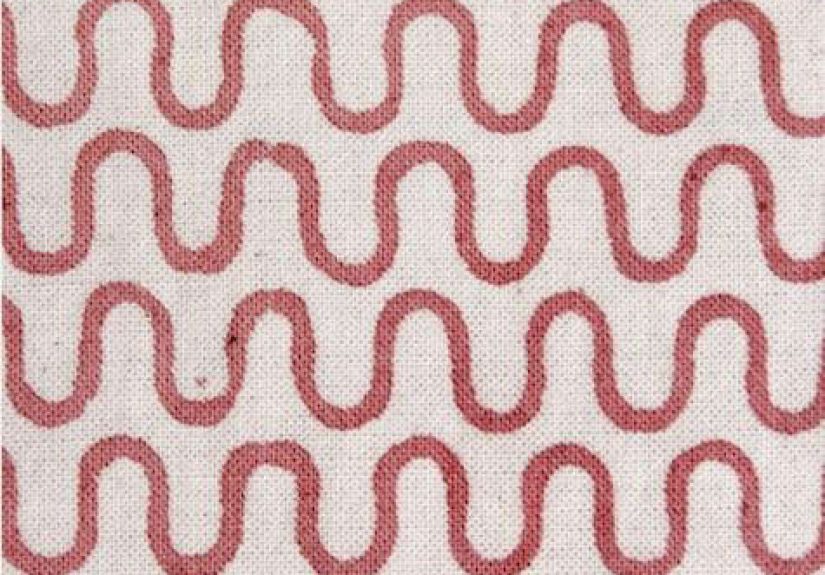
The appeal also comes from restraint. Many block prints on the market go full fireworks display, which can be wonderful in the right room and mildly exhausting in the wrong one. Les Indiennes often works with more open ground, simpler repeats, and motifs that feel hand-drawn rather than over-engineered. The result is pattern with pulse, not pattern with a megaphone.
What’s New at Les Indiennes Right Now
A broader, more layered fabric-and-linen story
At the moment, the most interesting thing about the collection is how seamlessly it moves from yardage to finished goods. This is not just a fabric house for designers placing trade orders and muttering about lead times. It is also a linen house for people who want to skip straight to the fun part: the quilt, the duvet, the pillow, the curtain pair, the table runner that makes Tuesday pasta look suspiciously intentional.
Current categories on the site make that clear. Les Indiennes is actively presenting bedding, curtain pairs, pillows, shower curtains, wallpaper, a fabric library, and a strong table linen offering that includes napkins and tablecloths. That matters because shoppers no longer have to choose between admiring a print and figuring out whether they have the emotional stamina to upholster something. You can buy the mood fully formed.
The “New Lattice” pattern gives the lineup a current jolt
If there is one phrase that signals the newest energy in the assortment, it is New Lattice. The pattern appears in the fabric library and has clearly been extended into multiple categories, including a gold duvet cover, standard pillow covers, and a gold table runner paired with Gigi. That cross-category rollout is telling. It suggests Les Indiennes is not simply dropping isolated prints; it is building flexible pattern families that can travel from bed to table to accent layer without feeling forced.
This is smart design strategy. A print becomes more useful when it can anchor a room in one form and echo quietly in another. Maybe it starts as pillow covers in a guest room. Maybe it graduates to a duvet. Maybe it sneaks into the dining room as a runner and suddenly your whole house looks more coherent, as though you planned it instead of getting lucky. We love accidental genius, but coordinated textiles are nice too.
Table linens are getting more personality
Les Indiennes has always understood that table linens should do more than protect wood from olive oil and dramatic dinner guests. The current assortment leans into the idea that tablecloths, runners, and napkins are part of a room’s style vocabulary, not an afterthought reserved for holidays and the occasional overachieving brunch. That feels especially timely now that entertaining has swung back toward layered, intimate, slightly unbuttoned tables rather than stiff, too-perfect settings that look terrified of red sauce.
The charm here is that the brand’s table linens do not scream “special occasion only.” They look just as convincing with toast and coffee as they do with candles, old silver, and a roast chicken making a grand entrance. That flexibility is one of the most underrated luxuries in home design: pieces that elevate a room without requiring a special permit.
Finished curtains and bedding lower the barrier to entry
Another useful development is the prominence of ready-to-buy textile categories. Curtain pairs in patterns like Seraphine and Chardon, along with duvet covers and quilts, make the brand more accessible to people who love fabric but do not necessarily want to custom-order every soft surface in the house. The curtains are lined, sold in pairs, and offered in practical lengths. That may not sound thrilling in a poetic sense, but in decorating terms it is downright romantic. Nothing says commitment like not having to source lining separately.
The same goes for bedding. Les Indiennes works especially well in bedrooms because its prints bring in motion without visual chaos. A duvet or quilt from the brand can become the room’s main event, allowing the rest of the furnishings to stay simpler. In other words, you get character without needing 14 backup decorative decisions.
Why the Craftsmanship Changes the Look
Natural dyes create color with depth, not glare
The reason Les Indiennes color looks different from mass-market printed cotton is not marketing fairy dust. It comes from process. Natural dyes tend to produce tones with softness, variation, and a slightly weathered richness that synthetic brights often cannot mimic convincingly. The brand also openly embraces the subtle smudges and inconsistencies that come with handwork. In this context, imperfection is not a flaw. It is evidence that a human being, not a machine having an emotionally neutral Tuesday, made the thing.
That makes the textiles especially good at bridging old and new interiors. In a traditional home, they feel authentic rather than theme-y. In a cleaner, more modern room, they add warmth and relief. The patterns do not flatten a space; they give it texture, nuance, and a little narrative.
Broken-in cotton beats stiff “luxury” every time
There is also the feel of the cotton itself. Les Indiennes leans into fabrics that arrive soft, relaxed, and usable. The brand’s fabric weights range from lighter bedding cotton to regular, upholstery, and canvas weights, which means the materials are designed for real application, not just admiration. That makes a difference in how the house feels day to day. A textile that looks beautiful but feels rigid can make a room seem staged. A textile that looks beautiful and invites use turns design into atmosphere.
This is one reason people keep repurposing the brand in creative ways, from slipcovers to upholstery to layered window treatments. The fabrics are decorative, yes, but they also have physical credibility. They are not just pretty faces hanging around the room waiting to be complimented.
The Historical Thread Makes the Collection More Interesting
Les Indiennes is also benefiting from a deeper cultural interest in block printing and printed cotton histories. Indian block-printed textiles have a long, globally important lineage, and museum scholarship has traced their trade, popularity, and technical sophistication back centuries. Europe’s own printed textile industries grew in response to the popularity of Indian cottons, which were admired for both beauty and colorfastness. That historical backdrop helps explain why these fabrics still feel relevant. They are not a passing decorating gimmick. They come from a textile tradition with remarkable durability, mobility, and visual intelligence.
What Les Indiennes does well is translate that heritage into a format that works for modern American homes. The motifs often nod to historical pattern languagebotanicals, stripes, medallions, lattice structures, small conversational repeatsbut the overall impression remains edited. There is enough story to feel special, not so much story that your breakfast nook starts acting like a period drama.
How to Use the New Les Indiennes Look at Home
In the bedroom
Start with one hero piece. A duvet cover, quilt, or pair of pillows can set the rhythm for the whole room. Because Les Indiennes prints often have open space and softened color, they layer well with solids, checks, or even a second print if you keep the scale varied. A patterned duvet with crisp white sheets is classic. A quilt folded at the foot of the bed brings more collected charm. Add a lamp with a linen shade and one old wooden chair, and suddenly the room looks like it knows how to exhale.
In the dining room
The easiest entry point may be the table. A tablecloth or runner from Les Indiennes instantly changes the emotional temperature of a meal. It signals care without stiffness. Pair a patterned cloth with plain ceramic plates, old silver, and glasses you are not afraid to actually use. If the table feels too coordinated, good. That just means you can loosen it up with fruit in a bowl, mismatched serving pieces, or children asking for ketchup at exactly the wrong moment.
At the windows and on the walls
If you want the biggest decorative payoff, use the prints vertically. Curtains in a hand-blocked pattern can soften a room and establish character faster than almost any other textile move. Wallpaper does the same, but with a bit more confidence and a bit less turning back. Les Indiennes is especially good for spaces that need both order and softness: breakfast rooms, guest rooms, hallways, utility spaces, and tucked-away sitting rooms that deserve better than being painted “safe beige” and forgotten.
Is Les Indiennes Worth It?
For shoppers comparing it to cheaper printed cottons, the honest answer is this: Les Indiennes is less about trend-chasing and more about textile longevity. You are paying for hand process, material integrity, and a look that tends to age gracefully. These fabrics do not rely on novelty alone. Even when the brand introduces something freshlike a new print family or a new applicationit still feels connected to a larger visual world. That is useful because the best home purchases are not the ones that impress you for three weeks. They are the ones that still make sense three years later.
And perhaps that is the real update at Les Indiennes. The brand is proving that “new” does not always mean louder, slicker, or more algorithm-friendly. Sometimes new means more livable, more versatile, more cross-functional, and more emotionally convincing. In a home full of hard surfaces and disposable distractions, fabrics and linens that feel handmade, breathable, and enduring can be the most modern thing in the room.
Living With It: The Longer, More Personal Experience
Here is what people often miss when they talk about fabrics and linens online: the real test is not the product shot. It is the seventh day, the thirtieth day, the random Wednesday when the light comes in sideways and the house is messy and you are deciding whether the room still feels good when nobody is “revealing” anything. This is where textiles like Les Indiennes tend to earn their keep.
Imagine walking into a guest room in the late afternoon. The bed is made, but not military-made. A quilt is folded slightly off-center because someone sat there to answer an email and never fixed it. The cotton has that relaxed drape that tells you the room is meant to be used, not just admired from the doorway like an antique parlor with trust issues. The pattern catches the light differently across the surface because hand-printed fabric does that; it never looks completely flat. Even a simple room starts to feel layered, as though time has passed through it kindly.
Now move to the dining table. Morning coffee on a patterned cloth is a different emotional experience from coffee on a bare slab of wood. Not better in some moral, superior-human-being way. Just warmer. More forgiving. The table stops feeling like a work surface that occasionally hosts dinner and starts feeling like part of domestic life. Crumbs happen. Jam happens. Life, with breathtaking audacity, happens. And somehow a good linen makes that feel charming rather than catastrophic.
There is also a sensory side people underestimate. Soft cotton curtains change sound. A quilt changes how a room holds warmth. A table runner changes the way ceramics, glass, and fruit look together. These are tiny shifts, but homes are built from tiny shifts. One textile can take a room from “functioning” to “wanted.” That is not dramatic language. Well, it is a little dramatic. But it is also true.
And then there is the pleasure of visual repetition. When a pattern appears on a pillow in one room, a runner in another, and maybe a folded quilt somewhere else, the house starts to speak in a quieter, more coherent voice. Not matchy-matchy. More like cousins at a family reunion: related, slightly different, and capable of making the whole scene feel more believable.
That is why the latest Les Indiennes fabrics and linens are compelling beyond trend reports and shopping pages. They invite use. They reward close looking. They soften the edges of daily life without making the house feel overly decorated. In an era where so many interiors are either aggressively pristine or intentionally chaotic, this middle path feels refreshing. Pattern with calm. Beauty with utility. History without stiffness. It is the decorating equivalent of someone very chic offering you another cup of coffee and not caring that your shoes are still on.
Conclusion
Les Indiennes continues to stand out because its newest fabrics and linens do not abandon the values that built the brand. Instead, they extend them. Current additions and category expansions make it easier to bring hand-blocked, naturally dyed cotton into everyday rooms through bedding, table linens, curtains, and fabric by the meter. The result is a collection that feels fresh without trying too hard, decorative without becoming fussy, and luxurious in the most convincing way: by being beautiful enough to live with every day.