Table of Contents >> Show >> Hide
- Quick Navigation
- The 30-Second Style Triage
- Construction Clues: The Furniture Never Lies
- A Style Cheat Sheet You’ll Actually Use
- Mixing Styles Without Making Your Room Look Confused
- Care & Patina: “Vintage Charm” vs. “Mystery Film”
- Shopping Smarter: What to Check Before You Commit
- Real-Home Experiences (The Good, the Bad, the Wobbly) of What It’s Like in Practice
- Conclusion
Part II is where we stop politely nodding at furniture and start interrogating it (gently). Because the fastest way to get good at furniture styles isn’t memorizing a thousand labelsit’s learning what to look for. Christophe Pourny, a Brooklyn-based furniture restorer and author known for treating old pieces like treasured elders (not disposable props), would tell you the same thing: style lives in the details, and the details live on the underside of your dresser.
So grab a flashlight, a little curiosity, and the courage to flip over a chair in public without acting suspicious. This guide is your foolproof system for identifying furniture styles, spotting quality, mixing eras without chaos, and caring for wood like it actually matters. Spoiler: it does.
The 30-Second Style Triage
When you’re trying to identify furniture styles, the biggest mistake is staring at a piece like it owes you money. Instead, run a quick mental checklist. Think of it as a “style triage” before you go full detective.
1) Silhouette: What’s the outline?
Furniture styles broadcast themselves through shape. Curvy, dramatic silhouettes tend to flirt with ornate traditions (Victorian, Rococo-inspired revival looks). Clean rectangles and long, confident lines lean modern (mid-century modern, Scandinavian, contemporary). If the profile is simple but purposeful, you might be in Shaker or Arts & Crafts territorywhere the whole vibe is “I’m not showing off, I’m just well-made.”
2) Ornament: Is it whispering or singing karaoke?
Carved flowers, scrolls, and “look-at-me” embellishment often point to formal traditional styles. Minimal ornament with honest joinery is typical of mission/Arts & Crafts and Shaker. Mid-century modern tends to skip ornament and let form do the talkinglike a person who’s so stylish they don’t need a logo.
3) Materials: What is it trying to be?
Solid hardwoods and well-matched veneers show up in both historic and high-quality modern pieces. Industrial style loves metal-and-wood contrasts. Farmhouse leans rustic woods and “comfortable imperfections.” Contemporary furniture styles often mix materialswood, metal, glass, stonelike a well-balanced playlist.
4) Legs & feet: The secret handshake
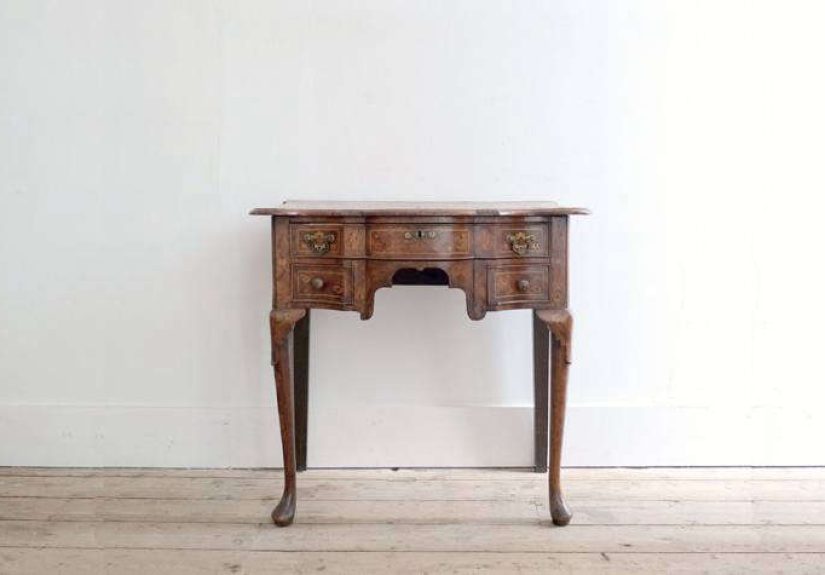
Want a shortcut? Look at the legs. Tapered legs and light visual weight can hint mid-century modern. Chunky square legs feel mission/Arts & Crafts or rustic. Turned legs can nod to Colonial and other traditional American and European influences. Cabriole legs (that S-curve) often wave at Queen Anne or French-inspired traditional forms.
Construction Clues: The Furniture Never Lies
Pourny’s world is restoration, which means he reads furniture the way mechanics read engines. Style is one layer. Construction is the truth serum. If you want a foolproof guide to furniture styles, you need to look where most people don’t: underneath, inside drawers, behind panels, and under upholstery.
Joinery: The “how” behind the “wow”
Pull out a drawer. Look at the corners. Hand-cut dovetails often look slightly irregularhuman, charming, not factory-perfect. Machine-cut joinery tends to be uniform and precise. Neither is automatically “bad,” but it’s a clue about era and production method. Also look for mortise-and-tenon joints, corner blocks, and solid structural logic. Quality furniture is boring in the best way: it’s engineered to survive your life.
Tool marks: The fingerprints of time
Flip the piece (carefully, unless you enjoy living dangerously). Older furniture may show straight saw marks, planing marks, or subtle unevenness where a human hand did the work. A perfectly consistent, ultra-smooth hidden surface can suggest later mass production. Again: not eviljust informative.
Hardware & fasteners: Tiny details, huge tells
Check screws, nails, and drawer pulls. Older pieces may have slotted screws and hardware that shows age in a natural way. Newer reproductions can look “antiqued” but often feel too uniformlike a Halloween costume of patina. Also: don’t let replacement hardware fool you. Furniture gets repaired; that’s not a crime. It’s a biography.
Upholstery clues: What’s inside matters
If it’s upholstered, a quick peek underneath can reveal whether you’re dealing with traditional methods (layers, tacks, older materials) or modern foam-heavy construction. Many vintage and antique chairs have been reupholsteredsometimes beautifully, sometimes… with the design equivalent of fast food.
A Style Cheat Sheet You’ll Actually Use
This isn’t a museum catalog. It’s a practical “spot it in the wild” cheat sheet, designed for real-life situations: estate sales, online listings with five blurry photos, and that friend who insists their MDF bookcase is “very Danish.”
Traditional & Historic-Influenced Styles
- Colonial / Early American-inspired: Symmetry, turned legs, classic forms, practical proportions. Often feels grounded and familiar.
- Federal style (American neoclassical): Lighter, refined lines; tapered legs; delicate inlay; a “tailored” elegance that doesn’t need to shout.
- Victorian: Curves, ornament, drama. Think tufting, carved detail, and a vibe that says, “We have fainting couches for a reason.”
- Arts & Crafts / Mission: Rectilinear forms, exposed joinery, honest materials, sturdy presence. Often associated with oak and craftsmanship-forward design.
- Shaker: Minimal, functional, beautifully proportioned. Ladder-back chairs and woven seats are common signals; everything feels intentional and un-fussy.
Modern, Modern-Adjacent, and “I Like Clean Lines” Styles
- Mid-century modern: Tapered legs, organic curves, functional forms, and woods like walnut/teak showing off their grain. It’s retro without being costume-y.
- Scandinavian: Light woods, simplicity, function-first comfort, and an airy visual weight. Minimal doesn’t have to mean cold.
- Industrial: Metal, reclaimed wood, utilitarian shapes, factory-meets-loft energy. Looks great when it’s intentional, not when it’s accidental.
- Contemporary: “Current” rather than “modern” in the historical sense. Often blends trendscurves, mixed materials, soft minimalism, and comfort-forward shapes.
- Japandi: A calm mashup of Japanese minimalism and Scandinavian warmthclean lines, natural materials, and a “breathe deeper” mood.
Warm, Casual, and Collected Styles
- Farmhouse (classic or modern farmhouse): Cozy, practical, often rustic woods, simple silhouettes, vintage touches, and an “everyone’s welcome” vibe.
- Coastal-inspired: Light finishes, breathable textiles, relaxed shapes. Less “beach souvenir shop,” more “bright and easy.”
- Eclectic: Not a style as much as a strategymixing periods and influences with rules (yes, rules) so it looks curated, not random.
Pro move: Don’t obsess over perfect labels. Use styles like directional signs, not handcuffs. Furniture styles overlap, evolve, and get revived. The goal is clarity, not a final exam.
Mixing Styles Without Making Your Room Look Confused
Mixing furniture styles is how you make a home look like you, not a showroom. It’s also how you accidentally create a space that feels like three separate people decorated it during a power outage. Let’s avoid that second option.
Pick an anchor, then let it socialize
Start with one “anchor” style for the big pieces: sofa, bed, dining table, major casegoods. Then layer in supporting characters from other styles: a mid-century chair with a traditional table, a Shaker-inspired bench in an industrial hallway, a modern lamp on a vintage chest. One strong anchor keeps the room from drifting into “thrift store tornado.”
Try the 80/20 rule (and don’t be precious about it)
A handy guideline: let 80% of the room lean toward one general direction (modern, traditional, rustic, etc.), and use 20% as accent contrast. The twist: you can flip it based on your personality. Minimalists often anchor modern and sprinkle vintage. Maximalists can anchor vintage and sprinkle modern.
Repeat something on purpose
Cohesion comes from repetition. Repeat a wood tone, a metal finish, a shape, or even a design “attitude.” For example: mix styles, but keep silhouettes mostly light and leggyor mostly grounded and substantial. If you want eclectic to look intentional, you must give your furniture some shared vocabulary.
Scale is the peace treaty
You can mix almost any furniture styles if the scale is compatible. A dainty mid-century side chair next to an oversized traditional roll-arm sofa can look mismatched unless you bridge the difference with a substantial rug, a heavier coffee table, or a visually grounding piece. Harmony is often just good proportions wearing a trench coat.
Example combo that works more often than it has any right to
Traditional dining chairs (even ornate ones) around a sleek modern pedestal or tulip table can look shockingly freshbecause the contrast feels deliberate. Keep the palette controlled and the heights balanced, and suddenly your room looks “designer,” not “indecisive.”
Care & Patina: “Vintage Charm” vs. “Mystery Film”
Christophe Pourny’s restoration mindset is refreshingly simple: protect the piece, respect the material, and don’t “fix” history out of it. Patina is not dirt, and dirt is not patina. Yes, they sometimes wear the same outfit.
Know what finish you’re dealing with (before you panic-clean)
Wood finishes can be lacquer, shellac, oil, varnish, wax, or a modern protective coating. The safest approach is always: start gentle, test in a hidden spot, and escalate slowly. If you go in hot with harsh cleaners, you can turn a minor cleanup into an accidental refinishing project. That’s a fun weekend only for people who already own clamps.
Avoid silicone-heavy polishes
Many pros recommend steering clear of silicone-based polishes and conditioners because they can leave residues that attract dust and complicate future restoration or refinishing. If you love the “instant shine,” choose products that condition without leaving a slippery mystery layer.
Wax, oil, and the “less is more” rule
Natural waxes and plant-based oils can help nourish and protect wood when used correctlythin applications, buffed well, and not applied like frosting. If you’re using an all-natural care product, treat it like skincare: consistent and light beats dramatic and sticky.
Sunlight and humidity: the quiet villains
Direct sun can fade finishes and fabrics. Big humidity swings can stress wood and veneers. If you’re investing in vintage or antique furniture, basic environmental stability is the cheapest insurance you’ll ever buy.
Shopping Smarter: What to Check Before You Commit
Buying furnitureespecially vintageshould feel like a treasure hunt, not an impulse spiral. Here’s how to shop like someone who’s fun at parties and financially responsible (rare, but possible).
Do the wobble test (politely)
Gently check stability. A little looseness can be fixable; structural failure is a different story. If a chair feels like it’s negotiating its own collapse, walk away unless you budgeted for repairs.
Inspect drawers like a nosy detective
Open, close, listen. Smooth movement, sturdy bottoms, and solid joints suggest quality. Drawer interiors also reveal wood choice and tool marksgreat clues for dating and authenticity.
Learn the difference between “damage” and “character”
Scratches, small dents, and finish wear can be charming and expected on older pieces. Water damage, active mold, veneer delamination, and severe warping are more complicated. Not impossiblejust not “quick fix with a cute candle nearby.”
Online listings: demand better photos (in your head)
When you shop online, look for clear images of: underside, drawer joints, hardware, back panels, and closeups of wear. If those photos don’t exist, assume the seller either doesn’t knowor does know, and hopes you don’t.
Budget for the “after”
Reupholstery, hardware replacement, tightening joints, professional cleaningthese costs can be worth it for a great piece. The trick is knowing them before you buy. Vintage is often cheaper up front and more expensive later. Still worth it when the result has soul and longevity.
Real-Home Experiences (The Good, the Bad, the Wobbly) of What It’s Like in Practice
The first time you try to identify furniture styles “for real,” your brain will do the interior-design equivalent of buffering. That’s normal. You’ll stand in front of a dresser and think, Is this Federal? Colonial? Or just… brown? The good news: your eye trains fast once you start noticing repeatable clues, and your confidence grows with every drawer you pull out like a harmless raccoon.
Experience #1: The “I found a deal!” adrenaline rush. You spot a gorgeous sideboard online for a suspiciously low price. Your heart says “score,” your brain says “why.” This is where the guide pays off: you ask for photos of the back panel and drawer joints. If the back is thin, stapled, and the drawers are held together like a rushed group project, it might be a newer reproduction. That’s not automatically a dealbreakerjust a negotiation point. The win is realizing you’re not shopping blind anymore.
Experience #2: Mixing styles feels scary until it doesn’t. The first time you put a modern lamp on an antique chest, you’ll wonder if design police are en route. Then you’ll step back and notice: contrast creates energy. That antique chest suddenly looks intentional, not “grandma’s.” The modern lamp feels warmer, not sterile. The room looks lived-in in the best way. The secret is repeating something smallwood tone, metal finish, or colorso your pieces feel like they’re on the same group chat.
Experience #3: Patina becomes your favorite detail. At first, you’ll want everything “perfect.” Then you’ll notice how a small worn edge on a tabletop catches the light and makes the whole room feel human. You’ll start distinguishing honest wear from neglect. A smooth, softened corner? Charming. A sticky residue that grabs your sleeve? Less charming. Once you get picky about why something looks aged, you stop over-cleaning and start preserving character.
Experience #4: You learn to love the underside of furniture. This is the most unexpected lifestyle change. You’ll check underneath chairs at flea markets. You’ll peek at joinery the way other people peek at dessert menus. And you’ll get faster: tapered legs plus simple hardware plus light visual weight? Probably mid-century-ish. Thick, squared rails with visible joinery and a sturdy stance? Mission/Arts & Crafts energy. Minimal ladder-back with woven seat? Shaker-adjacent calm. You won’t always be “right,” but you’ll be directionally correctand that’s how you buy better.
Experience #5: Your home starts telling a story. The real payoff isn’t impressing someone with style names. It’s building rooms that feel collected, comfortable, and durable. When you choose pieces with intentionwhether they’re vintage, new, inherited, or foundyou create a space that looks like it’s been lived in by someone interesting. Ideally you. And if a guest asks, “What style is this?” you can smile and say, “The ‘I actually like it’ style,” which, honestly, is timeless.
Conclusion
Furniture styles aren’t a locked cabinet of fancy termsthey’re a set of clues you can learn to read. Part II’s big message (very Pourny-coded) is simple: look closer. Silhouette tells you the direction, construction confirms the story, and thoughtful mixing turns “random” into “remarkable.”
Use the triage checklist, inspect the build, and choose care routines that respect wood instead of smothering it. Do that, and you won’t just identify furniture stylesyou’ll curate a home that feels coherent, personal, and built to last.