Table of Contents >> Show >> Hide
- Eczema 101: Why Your Skin Is So Reactive
- What Essential Oils Are (and Why Eczema Skin May Not Love Them)
- Do Essential Oils Work for Eczema? Here’s the Evidence-Based Answer
- Essential Oils People Use for Eczema (and the Catch With Each)
- A Key Point People Miss: Carrier Oils Are Not the Same as Essential Oils
- If You Still Want to Try Essential Oils: The “Don’t Make It Worse” Rules
- Who Should Skip Essential Oils for Eczema Entirely?
- What Actually Helps Eczema (More Reliably Than Essential Oils)
- When to See a Dermatologist (or Get Help Quickly)
- FAQs
- So… Do Essential Oils Work for Eczema?
- Experiences With Essential Oils for Eczema: What People Commonly Notice (About )
If you’ve ever stood in the skincare aisle holding a tiny bottle of essential oil and thought, “This smells like a spa, so it must be healing,” you are extremely human. Eczema (especially atopic dermatitis) can make your skin feel like it’s auditioning to become sandpaper, and when you’re itchy, flaky, or inflamed, you’ll try almost anything that sounds “natural,” “gentle,” and “soothing.”
Essential oils sit right at the intersection of hope and hype. Some have antimicrobial or anti-inflammatory properties in lab settings, and plenty of people swear they “calm the itch.” But eczema skin is also famously dramatic: it reacts to fragrances, botanicals, and “clean beauty” trends like it’s getting paid per flare-up.
So do essential oils actually help eczemaor are they just expensive little bottles of potential regret? Let’s dig into what the evidence suggests, what dermatology guidance tends to emphasize, and how to think about essential oils without turning your bathroom into a science experiment.
Eczema 101: Why Your Skin Is So Reactive
Eczema isn’t just “dry skin.” It’s a mix of barrier dysfunction and inflammation. When your skin barrier is compromised, it loses moisture more easily and lets irritants and allergens in more easily. That combo can create the classic cycle: dryness → itch → scratching → more inflammation → more barrier damage → even more itch.
Because the barrier is already struggling, people with eczema often react to things other people tolerate just finelike fragranced lotions, harsh soaps, certain detergents, and yes, many plant-based ingredients. In eczema world, “natural” can be a comforting word… and also a sneaky way to say “loaded with fragrance compounds.”
What Essential Oils Are (and Why Eczema Skin May Not Love Them)
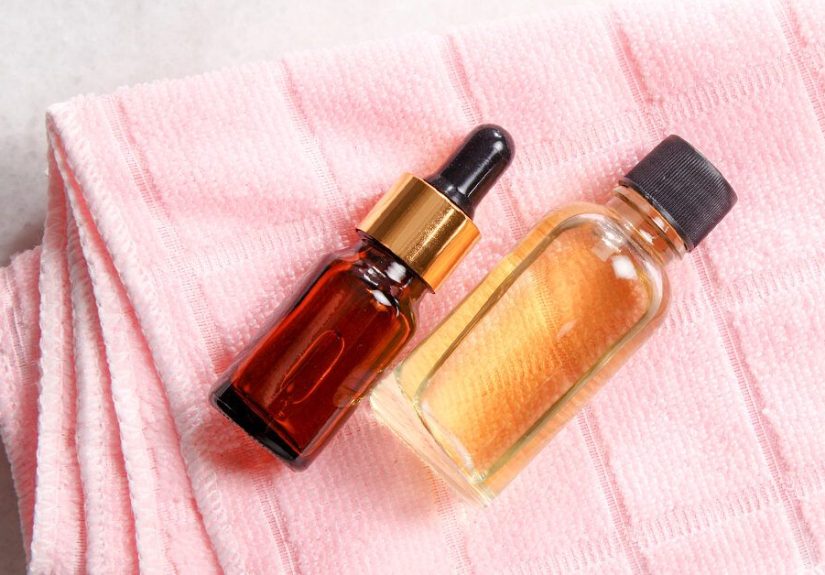
Essential oils are highly concentrated extracts from plantsthink lavender, tea tree, peppermint, eucalyptus, and chamomile. They’re volatile (meaning they evaporate easily), which is why they smell strong. That smell comes from chemicals that can irritate skin, trigger allergic contact dermatitis, or bothespecially on skin that’s already inflamed.
Two important realities can be true at once:
- Some essential oils contain compounds that can fight bacteria or reduce inflammation.
- Those same oils can also trigger irritation or allergiesparticularly in eczema-prone skin.
There’s also the oxidation issue: when some essential oils sit around exposed to air, heat, or light, they can form new compounds that are more likely to cause allergic reactions. Translation: the older the bottle, the higher the chance your “soothing” oil turns into “why is my skin on fire?”
Do Essential Oils Work for Eczema? Here’s the Evidence-Based Answer
The most accurate answer is: essential oils are not proven eczema treatments, and they do not cure eczema. Research on essential oils for eczema is limited, mixed, and often not the kind of high-quality evidence dermatologists use to recommend a treatment broadly.
Some studies look at individual oils for antimicrobial effects, itch reduction, or inflammation control, but eczema is complicated. Even if an oil has a helpful property in a lab or in one small study, real-life eczema skin may still react badly to itespecially when the skin barrier is broken.
Medical guidance and eczema organizations commonly emphasize fragrance-free routines and barrier repair (moisturizers, gentle cleansing, and appropriate anti-inflammatory medications when needed). Since essential oils are essentially fragrance chemicals in concentrated form, they often land in the “high-risk, low-reward” category for many people with eczema.
Essential Oils People Use for Eczema (and the Catch With Each)
Tea Tree Oil: Antimicrobial… and Commonly Irritating
Tea tree oil is famous for antibacterial and antifungal properties, which makes it tempting if you’re worried about skin infections (eczema can increase infection risk because the barrier is compromised). The problem is that tea tree oil can also cause irritation and allergic reactions, particularly on sensitive or inflamed skin. It’s also unsafe to swallow and should never be taken internally.
Bottom line: tea tree oil may have “useful” properties, but eczema skin isn’t a laboratory surface. For many people, it’s simply too harsh.
Lavender Oil: “Calming” Scent, Not Always Calming Skin
Lavender has a reputation for relaxation, sleep support, and “calming the skin.” But lavender is also a fragranceand fragrance is a major trigger category for eczema. Lavender-related allergy and irritation are common enough that many dermatology sources caution eczema patients against it.
Bottom line: lavender may calm your mood; it may not calm your eczema.
Chamomile: Anti-Inflammatory Potential, Allergy Potential Too
Chamomile (especially German chamomile) is often marketed as soothing and anti-inflammatory. Some people tolerate it well, and it’s found in certain “sensitive skin” products. But “soothing” doesn’t mean “non-allergenic.” If you have ragweed allergies or very reactive skin, chamomile can still be a problem.
Bottom line: some people do fine with chamomile; others flare. Patch testing matters.
Peppermint and Eucalyptus: Cooling Sensation That Can Sting
Peppermint and eucalyptus oils can create a cooling sensation. That sounds amazing when you’re itchyuntil it feels like icy hot on a sunburn. These oils can be irritating, especially on broken or inflamed eczema patches.
Bottom line: “cooling” and “eczema-friendly” are not synonyms.
Citrus Oils (Lemon, Orange, Bergamot): Smell Great, Often Too Harsh
Citrus oils are popular in DIY skincare, but they’re frequent irritants. Some citrus oils can also increase sun sensitivity (phototoxicity), which is not a fun bonus prize.
Bottom line: generally not a smart bet for eczema-prone skin.
A Key Point People Miss: Carrier Oils Are Not the Same as Essential Oils
Many “eczema oil” discussions blur two totally different things:
- Essential oils: concentrated, fragrant plant extracts (higher irritation/allergy risk).
- Carrier oils: fatty oils used to dilute essential oils (often better tolerated).
Some carrier oilslike sunflower seed oilhave more supportive evidence for helping the skin barrier than essential oils do. They’re not magic, but they can reduce dryness and support barrier function for some people.
If You Still Want to Try Essential Oils: The “Don’t Make It Worse” Rules
If you have eczema, the safest approach is usually to prioritize a fragrance-free routine and evidence-based treatments. But if you’re determined to experiment (preferably with a parent/guardian involved and a clinician’s guidance), you’ll want to lower risk as much as possible.
- Never use essential oils “neat” (undiluted) on skin. Concentrated oils can burn or irritate.
- Use a bland carrier and keep dilution very low. More drops does not mean more healing.
- Patch test first on a small area of intact skin and wait at least 24–48 hours.
- Avoid open, oozing, cracked patches. Broken skin absorbs irritants more easily.
- Don’t add oils directly to bathwater. Oil and water don’t mix well, which can leave concentrated oil on skin.
- Stop immediately if you feel stinging, burning, or worsening redness.
- Never ingest essential oils. “Natural” does not mean safe to swallow.
Also: essential oils can be risky around pets and small children. Even diffusers can cause problems for some animals, and skin contact can be irritating for anyone with sensitive skin.
Who Should Skip Essential Oils for Eczema Entirely?
For many people, skipping essential oils isn’t being “anti-natural.” It’s being pro-skin-barrier.
- Kids with eczema (especially if they flare easily or scratch until the skin breaks).
- Anyone with a history of contact allergies or lots of product reactions.
- People with severe eczema, frequent infections, or widespread flares.
- Anyone currently in a bad flare with raw, cracked, oozing skin.
If you’ve ever tried a “gentle botanical” product and ended up looking like a tomato, you already know which team you’re on.
What Actually Helps Eczema (More Reliably Than Essential Oils)
If your goal is fewer flares and less itch, the most reliable strategies are boring in the best waybecause they work for a lot of people.
1) Moisturize Like It’s Your Job
Thick creams and ointments tend to work better than thin lotions. Many dermatology sources recommend fragrance-free options and simple formulas. Applying moisturizer right after bathing (while skin is still slightly damp) helps lock in water.
2) Keep Cleansing Gentle
Hot water and harsh soaps strip oils from the skin, which makes barrier problems worse. Lukewarm water, short showers, and mild, fragrance-free cleansers are often easier on eczema.
3) Use Anti-Inflammatory Treatments When Needed
When eczema is inflamed, moisturizers alone may not be enough. That’s where dermatologist-guided treatmentslike topical corticosteroids, calcineurin inhibitors, or other prescription optionscan help control inflammation and break the itch-scratch cycle. If you’re a teen, a clinician can recommend options appropriate for your age and skin severity.
4) Identify Your Triggers (and Remove Them Like a Detective)
Triggers vary, but common ones include fragrance, certain preservatives, rough fabrics, sweat, stress, and environmental irritants. A “boring” fragrance-free routine often beats a complicated routine with lots of botanical extras.
When to See a Dermatologist (or Get Help Quickly)
Eczema can usually be managed, but some situations need medical attentionespecially because broken skin can get infected.
- Worsening pain, warmth, swelling, pus, or crusting
- Fever or feeling sick along with a flare
- Rapidly spreading rash or severe itch that’s ruining sleep
- Eczema that isn’t improving with consistent moisturization and trigger avoidance
If you suspect a product reaction (including from essential oils), a clinician can help determine whether it’s irritation, allergy, infection, or a standard flareand what to do next.
FAQs
Can essential oils cure eczema?
No. Eczema is a chronic condition with a barrier and inflammation component. Essential oils are not proven cures and can sometimes make symptoms worse.
Do essential oils help itching?
Some people report feeling less itch temporarily, sometimes because scent and massage feel relaxing. But relaxation isn’t the same as treating inflammation, and the risk of irritation or allergy is real.
Are “eczema essential oil blends” safer than single oils?
Often the opposite. Blends can contain multiple potential allergens, which increases the odds that something won’t agree with your skin. If you react, it’s also harder to figure out what caused it.
What’s the safest “oil” approach for eczema?
Many people do best with fragrance-free, dermatologist-recommended moisturizers and ointments. If oils are used, bland carrier oils may be better tolerated than fragrant essential oils, but results vary.
So… Do Essential Oils Work for Eczema?
Essential oils have a strong marketing team and a weak evidence base for eczema. Some oils show interesting properties in certain settings, but eczema-prone skin is uniquely sensitive to fragrance compounds and botanicalsexactly what essential oils are packed with.
If you’re chasing fewer flares, the most reliable path usually looks like: fragrance-free routine, consistent moisturization, gentle cleansing, trigger management, and appropriate medical treatments when needed. Essential oils can fit into someone’s life for scent or relaxation, but they’re not a dependable eczema treatmentand for many people, they’re a flare trigger wearing a flower crown.
Experiences With Essential Oils for Eczema: What People Commonly Notice (About )
Ask a group of people with eczema about essential oils and you’ll get answers ranging from “life-changing” to “my skin filed a complaint.” The real-world pattern is less mysterious than it sounds: eczema is personal, and essential oils are unpredictable.
One common experience is the “it felt soothing… for a minute” effect. Someone tries a very diluted oil blend in a carrier oil, rubs it in gently, and the combination of massage, moisture, and a calming scent makes the itch feel quieter. That can be realitch has a brain component, and stress can amplify symptoms. In those cases, the person may credit the essential oil when the immediate benefit actually comes from hydration and reduced nervous-system “alarm.”
Another common storyline is the “this was fine until it wasn’t” scenario. A person uses a product with lavender or tea tree oil for a week or two with no obvious problem, then suddenly develops redness, burning, or a rash that seems different from their usual eczema. That can happen when skin becomes sensitized over time or when an oil oxidizes and becomes more allergenic. People often describe it as, “I didn’t change anything… except that one ‘natural’ product.” Unfortunately, that’s sometimes enough.
There’s also the “I used it during a flare and everything got worse” experience. During flares, the barrier is compromised and skin is more reactive. Even ingredients that usually feel okay can sting. Essential oils are especially risky here because they’re concentrated and fragrant. People describe burning within minutes, increased itching, or patches that become angrier and more inflamed. This can trigger a scramble to try more products to calm it downcreating a chaos loop that keeps the skin irritated.
Many people who feel they “successfully” use essential oils tend to share a few habits in common: they keep routines simple, avoid applying oils to broken patches, dilute heavily, patch test, and stop quickly at the first sign of stinging. They also usually combine oils with the boring-but-effective basics: fragrance-free cleanser, thick moisturizer, and consistency.
Meanwhile, people who swear off essential oils often say they finally improved when they chose predictability over novelty. Their eczema got calmer after switching to fragrance-free laundry detergent, dropping scented products, moisturizing daily, and using clinician-recommended treatments during flares. A lot of them admit (with impressive honesty) that the hardest part wasn’t finding the “perfect oil”it was resisting the urge to try a new miracle product every time the skin got moody.
If you’re curious about essential oils, the healthiest mindset is: treat them like optional extras, not primary treatment. Your skin barrier is the main character. Essential oils are, at best, a supporting actorand sometimes the villain with excellent PR.