Table of Contents >> Show >> Hide
- What Is an Enamel Utility Bucket, Exactly?
- Why People Love Enamel Utility Buckets
- Best Uses for an Enamel Utility Bucket in Cream
- How to Choose the Right Cream Enamel Utility Bucket
- Care & Cleaning: Keep Your Enamel Bucket Looking New-ish
- Safety Notes: Food Contact, Vintage Finds, and Common Sense
- Enamel vs. Plastic vs. Galvanized: Quick Comparison
- Styling Ideas: Make It Look Intentional (Even If You’re Chaos Inside)
- FAQ
- Conclusion
- Experiences: What It’s Like Living With a Cream Enamel Utility Bucket (The Real-World Part)
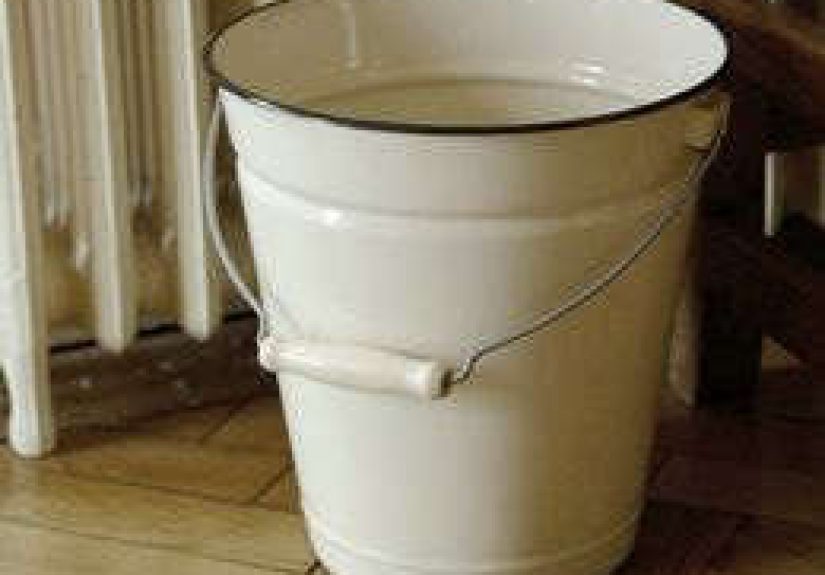
A cream enamel utility bucket is the rare home item that’s both wildly practical and suspiciously photogenic.
It’s a bucketyes, a humble bucketbut dressed in a smooth, glossy enamel finish and a soft cream color that
somehow makes everything you put inside it look more organized than it actually is. (Even the mystery cords.)
Whether you’re building a calmer kitchen, upgrading your cleaning setup, or hunting for that “farmhouse but not
fake-farmhouse” vibe, an enamel utility bucket in cream can earn its keep fast. Let’s break down
what it is, why it’s useful, how to choose a good one, and how to keep it looking like it didn’t just survive a
toddler tornado.
What Is an Enamel Utility Bucket, Exactly?
An enamel utility bucket (sometimes called an enamel pail) is typically made from steel (or a similar metal core)
coated in porcelain enamelessentially a glassy layer fused to metal at high temperatures. The result is a hard,
smooth surface that resists stains, looks clean, and feels satisfyingly sturdy.
Translation: it’s tougher than a lot of pretty storage bins, and prettier than most tough storage bins.
Why “Cream” Is the Overachiever Color
Cream sits in the sweet spot between bright white and beige. It reads clean, warm, and “intentional,” even if you
bought it because you typed cute bucket at 1:00 a.m. Cream also plays nicely with:
- Farmhouse kitchens (wood, black hardware, stoneware)
- Modern minimal spaces (neutral palettes, clean lines)
- Vintage décor (brass, gingham, glass jars, enamelware collections)
- Outdoor entertaining (it doesn’t fight your tablescape)
Why People Love Enamel Utility Buckets
1) They’re Non-Porous and Easy to Wipe Down
Enamel’s smooth finish doesn’t “drink in” mess the way unfinished wood or woven storage can. That matters for
buckets that might hold compost scraps, cleaning tools, garden clippings, or melting ice.
2) They Look Good Out in the Open
A plastic bucket usually lives in a closet. A cream enamel bucket can live on a counter, porch, or mudroom bench
without making your space feel like a utility closet with feelings.
3) They’re Surprisingly Versatile
The best part of a bucket is that it’s honest about what it is. It doesn’t pretend to be a “multi-zone modular
solution.” It holds things. And it holds them wherever you need.
Best Uses for an Enamel Utility Bucket in Cream
Kitchen: Compost, Clutter, and “I’ll Deal With That Later”
-
Countertop compost bucket: Add a washable liner or a paper bag, and you’ve got a tidy scrap spot.
Bonus: cream enamel looks less like “trash in progress.” -
Potato/onion storage: Use it for pantry overflow. (Just keep airflow in mindnobody wants a
surprise science project.) -
Cleaning caddy: Store dish brushes, scrubbers, refillable spray bottles, and microfiber cloths
in one place. It’s like herding cats, but for sponges.
Entertaining: Ice Bucket Energy Without the Fuss
A cream enamel bucket makes a charming beverage tub for casual partiesthink bottled water, canned soda, or
sparkling drinks. If you do use it with ice, consider placing a towel or tray underneath to catch condensation and
protect your table.
Bathroom & Laundry: The “Put It Somewhere” Problem, Solved
- Bathroom towel bin: Roll hand towels and pretend you run a boutique hotel.
- Laundry helper: Hold clothespins, stain sticks, dryer balls, or delicates headed for handwash.
- Guest-ready storage: Stock it with travel-size toiletries and a spare toothbrush (hero behavior).
Garden & Porch: Pretty Utility That Can Take a Beating
- Harvest bucket: Great for gathering herbs or vegetableseasy to rinse afterward.
- Flower display: Cream enamel + fresh stems = instant farmhouse charm.
- Tool corral: Gloves, pruners, twine, seed packetseverything within arm’s reach.
How to Choose the Right Cream Enamel Utility Bucket
Pick the Size That Matches the Job
Bucket sizes vary a lot. Before you buy, decide what you’re actually storing.
- Small (1–2 quarts): countertop scraps, brushes, small tools
- Medium (3–5 quarts): cleaning caddy, small laundry supplies, party ice for a few bottles
- Large (8–12+ quarts): garden harvest, larger parties, bulk storage, firewood kindling
Look Closely at the Handle and Rim
The handle is where cheap buckets show their true personalities.
- Comfort grip or wood handle: easier on your hand for heavier loads
- Sturdy attachments: rivets or strong loops beat flimsy wire bends
- Rolled rim: reduces sharp edges and helps durability
Decide If You Need a Lid (Or Want One)
A lid is helpful for compost, pet food scoops, laundry powders, or anything you’d prefer not to advertise to guests.
For purely decorative storage, lid-free is usually fineand easier to access.
Check the Finish Quality
Enamelware often has tiny speckles or subtle variations from the firing processthis can be normal. What you don’t
want are large thin spots, rough edges, or exposed metal straight out of the box.
Care & Cleaning: Keep Your Enamel Bucket Looking New-ish
Daily Cleaning (The Easy Stuff)
- Wash with warm, soapy water and a soft sponge or brush.
- Rinse and dry thoroughly to avoid water spots and to protect any uncoated edges.
Stains HappenDon’t Panic
Light staining is normal over time, especially on pale enamel interiors. For stuck-on residue, start gentle:
soak with warm water and mild soap, then use a non-scratch sponge. If you need extra help, use a mild cleanser
designed for delicate surfaces and scrub softly.
Avoid These Common Enamel Mistakes
- No steel wool or metal scrapers (they can scratch the enamel finish).
- No dramatic temperature shock: don’t dump cold water into a hot enamel item.
- No “marinate overnight” in mystery liquids: keep things reasonable and clean promptly.
What If It Chips or Rusts?
Chips can happen if the bucket is dropped or hit hardenamel is tough, but it’s not magical armor. If a chip exposes
the metal underneath, small rust spots can appear over time (especially if it stays wet). For minor spots:
- Clean and dry the area.
- Remove any light rust gently with an appropriate mild cleaner.
- Rub a tiny amount of cooking oil on exposed metal to help slow future rust.
If you plan to use your bucket for food or drink contact (like ice for beverages), follow the maker’s
guidance and avoid using pieces with interior chips that expose metal. For non-food uses (storage, gardening, décor),
a small chip is usually more annoying than catastrophic.
Safety Notes: Food Contact, Vintage Finds, and Common Sense
Many modern enamelware products are made for kitchen use. Still, always check product labeling if you’re using your
bucket as an ice bucket, beverage tub, or food-related container.
If you’re thrifting or buying vintage enamelware, be extra cautious with anything intended to touch food or drink.
Older dishware and decorative glazes in general can sometimes contain metals like lead; chips and cracks increase
risk in certain materials. If you can’t verify safety, keep vintage pieces for décor, organizing, or plants instead.
It’s the easiest way to keep the charm and skip the worry.
Enamel vs. Plastic vs. Galvanized: Quick Comparison
Enamel (Cream Utility Bucket)
- Pros: non-porous feel, easy wipe-down, classic look, durable when cared for
- Cons: can chip if dropped; exposed metal may rust if left wet
Plastic Buckets
- Pros: cheap, lightweight, won’t chip
- Cons: can hold odors/stains; not exactly countertop-cute
Galvanized Metal Tubs
- Pros: rugged, great for outdoor use and parties
- Cons: can look more industrial; may show wear differently over time
Styling Ideas: Make It Look Intentional (Even If You’re Chaos Inside)
Kitchen Counter “Soft Utility” Station
Put your cream enamel utility bucket near the sink and fill it with hand soap refill, a scrub brush, and folded
cloths. Add one small plant nearby and suddenly you’re starring in a home organization reel.
Porch Welcome Moment
Use it as a seasonal planter wrap: keep your plant in a nursery pot, place it inside the bucket, and swap it out as
seasons change. Cream works year-round and doesn’t clash with holiday colors.
Bathroom “Guest Basket, But Cooler”
Roll washcloths, add a candle, and include a small card that says, “Help yourself.” Your guests will feel cared for.
You will feel like someone who has it together. Everybody wins.
FAQ
Is enamelware dishwasher safe?
It depends on the brand and item. Some enamelware makers say dishwasher safe; others recommend handwashing to protect
the finish. When in doubt, handwash gently and dry thoroughly.
Will a cream enamel bucket stain easily?
It can show stains more than darker colors, but most residue cleans up well with warm soapy water and a soft sponge.
Mild cleansers can help with stubborn marks. Expect some patina over timelike a favorite mug, but bigger.
Can I use it as an ice bucket?
Yes, if the bucket is made for food contact and in good condition. Line with a bag if you want easier cleanup, and
protect your surface from condensation with a tray or towel.
What’s the biggest mistake people make with enamel buckets?
Letting them sit wet for long periodsespecially if the rim or a chip exposes metal. Dry it like you mean it.
Conclusion
A cream enamel utility bucket is the kind of purchase that feels smalluntil you realize how often
you reach for it. It’s storage that doesn’t hide, a cleaning helper that doesn’t look like a cleaning helper, and a
décor piece that still does actual work. Choose the right size, treat the enamel kindly (no metal scrapers, no
dramatic temperature changes, no long wet soaks), and you’ll have a bucket that earns a permanent spot in your daily
routine.
Experiences: What It’s Like Living With a Cream Enamel Utility Bucket (The Real-World Part)
People don’t usually get sentimental about bucketsuntil they own a good one. The most common “aha” moment happens
when someone buys a cream enamel bucket for one job (usually compost or décor) and then watches it quietly take over
half the house. Not in a dramatic, bossy way. More like a helpful roommate who always shows up carrying snacks.
In kitchens, the experience tends to start with compost. Someone puts the bucket on the counter because it looks
nice, then realizes it makes cooking faster: peel, chop, toss scraps, done. The bucket becomes a little workflow
upgradelike moving your trash can two feet closer, except it doesn’t ruin the vibe. A lot of folks end up adding a
simple liner system (paper bag, compostable bag, or a removable insert) because it makes emptying less “ick” and more
“efficient adult.” The biggest learning curve is smell management: if scraps linger, it’s not the enamel’s fault.
It’s the banana peel’s fault. Empty it regularly and rinse it quickly, and it stays fresh.
Another common experience: the “sink-side station.” People try it because they’re tired of sponges migrating across
the counter like tiny, damp Roombas. The bucket becomes home base for brushes and cloths. The cream color helps here
because it reads clean, so the whole area looks calmereven if your cooking is best described as “enthusiastic.”
The pro move is throwing a folded microfiber cloth under the bottle so the inside doesn’t turn into a puddle party.
For entertaining, the bucket’s reputation skyrockets. A cream enamel bucket filled with ice and bottled drinks gets
compliments that feel wildly disproportionate to the effort involved. Hosts report a very specific joy: you set it
down, and guests instantly understand the assignmentgrab a drink, relax, stop opening the fridge every four minutes.
The lesson learned here is condensation. In real life, ice melts. Put the bucket on a tray, plate, or towel and you
won’t end the night wondering why your wood table has developed a new “character mark.”
In bathrooms and laundry rooms, the bucket often becomes the official “things that don’t have a home yet” home. Hair
tools, clothespins, dryer balls, stain remover, guest toiletriesit corrals the visual clutter without demanding
perfection. People also love that it’s easy to wipe down. No fabric bins that trap dust. No wicker that catches
mystery lint. Just a quick rinse and a dry.
The only recurring complaint is also the most predictable one: enamel can chip if dropped. Real-world owners learn
fast to treat it like ceramic’s tougher cousinnot unbreakable, just resilient. Once you accept “don’t hurl it onto
concrete,” the bucket becomes a long-term favorite. Many people end up buying a second one because the first one
is always busy. Which is, honestly, the most glowing review a bucket can receive.