Table of Contents >> Show >> Hide
- What Are Egg Crate Flush Mount Floor Registers?
- Why the Egg Crate Pattern Works So Well
- Why Choose Flush Mount Instead of Surface Mount?
- Common Materials for Egg Crate Flush Mount Floor Registers
- How to Measure for Egg Crate Flush Mount Floor Registers
- Installation Considerations
- Where Egg Crate Flush Mount Floor Registers Work Best
- Design Tips for Choosing the Right Style
- Airflow, Noise, and Comfort
- Maintenance and Cleaning
- Common Mistakes to Avoid
- Are Egg Crate Flush Mount Floor Registers Worth It?
- Real-World Experiences with Egg Crate Flush Mount Floor Registers
- Conclusion
Egg crate flush mount floor registers may not sound like the most glamorous upgrade in a home, but give them a little credit: they are the quiet overachievers of interior design. They sit low, look clean, move air efficiently, and politely avoid tripping your socks off. In a world where homeowners obsess over flooring, wall colors, cabinet hardware, and lighting, the humble floor register often gets ignored until it becomes the one awkward metal rectangle interrupting an otherwise beautiful room.
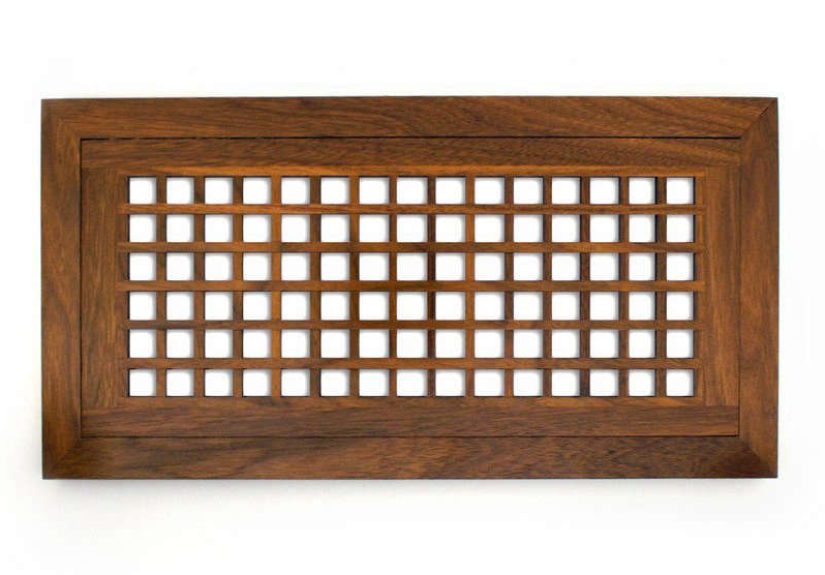
That is where egg crate flush mount floor registers come in. These vent covers combine the open-grid efficiency of an egg crate pattern with the smooth, built-in appearance of a flush mount design. Instead of sitting on top of the floor like an afterthought, they are recessed so the top surface aligns closely with the flooring. The result is a cleaner look, better integration with hardwood or engineered flooring, and a vent that feels intentional rather than accidental.
Whether you are remodeling a historic home, finishing new hardwood floors, upgrading outdated HVAC registers, or simply tired of stepping on rattly vent covers that sound like tiny cymbals, this guide explains what egg crate flush mount floor registers are, how they work, where they shine, and what to consider before buying or installing them.
What Are Egg Crate Flush Mount Floor Registers?
Egg crate flush mount floor registers are ventilation covers designed to sit level with the surrounding floor while allowing heated or cooled air to pass through the duct opening. The phrase “egg crate” describes the grille pattern: a grid of square openings that resembles the dividers in an egg carton. It is simple, geometric, and surprisingly effective.
The “flush mount” part means the register is installed so its surface is even with the floor, rather than resting above it. This is especially popular with hardwood flooring because the register can be made from matching or complementary wood species such as red oak, white oak, maple, hickory, walnut, cherry, or ash. Metal versions are also available, commonly made from steel, aluminum, brass, or cast iron, depending on the look and load requirements.
Register vs. Grille: A Small Difference That Matters
In everyday conversation, people often use “register,” “grille,” “vent cover,” and “floor vent” as if they are the same thing. They are closely related, but not identical. A grille is generally an open cover that allows air to pass freely. A register usually includes a damper, which lets you adjust airflow. In other words, a register is like a grille with a little more authority.
Egg crate designs are often used for return air because the grid pattern provides generous open space for airflow. However, they may also be used as supply registers when paired with a damper or appropriate duct configuration. Before ordering, it is smart to check whether you need simple airflow passage, adjustable airflow control, or a return air opening with maximum free area.
Why the Egg Crate Pattern Works So Well
The egg crate design is popular because it balances strength, airflow, and style. The square grid offers a high percentage of open area compared with many decorative patterns. That means air can move through with less resistance, which is useful for HVAC performance, especially on return vents where the system needs to pull air back efficiently.
From a design perspective, the pattern is clean and flexible. It can work in traditional homes, modern spaces, coastal interiors, farmhouse remodels, Craftsman bungalows, and even commercial settings. Unlike ornate scrollwork or highly decorative cast patterns, egg crate grilles do not demand attention. They simply do their job, look orderly, and avoid starting visual arguments with your flooring.
High Free Area and Better Air Movement
One of the biggest advantages of egg crate floor registers is free area. Free area refers to the open space through which air can pass. More free area generally means less restriction, which may help reduce airflow noise and support better system performance when the register is properly sized.
This does not mean every egg crate register automatically solves HVAC problems. Duct design, blower capacity, filter condition, and register placement all matter. But compared with many tightly patterned decorative covers, an egg crate grille is often a more airflow-friendly choice. Think of it as letting your HVAC system breathe through a mesh shirt instead of a wool sweater.
Why Choose Flush Mount Instead of Surface Mount?
Surface mount registers sit on top of the floor. They are easy to install, widely available, and practical for quick replacements. Flush mount registers, on the other hand, require more planning because the flooring is cut or built around the frame. The trade-off is appearance. A flush mount register looks integrated, custom, and calm. It is the difference between “we bought a vent cover” and “yes, the flooring installer knew what they were doing.”
Cleaner Look for Hardwood Floors
Flush mount egg crate registers are especially attractive in hardwood flooring projects. Many wood models are designed with a frame that can be installed during the flooring process. The surrounding flooring meets the frame, and the removable center grille sits neatly inside. This creates a smooth transition and avoids a raised lip.
For homeowners investing in premium floors, this matters. A beautiful oak floor interrupted by a thin stamped metal register can feel like wearing sneakers with a tuxedo. Not illegal, just emotionally confusing. A flush mount wood register helps the vent blend into the floor while preserving the function of the HVAC system.
Reduced Trip Edges
Because flush mount registers sit level with the floor, they reduce raised edges. This is useful in walkways, hallways, living rooms, and areas where children, pets, guests, or half-awake adults carrying coffee are likely to pass through. While no floor register should be treated like a gymnastics platform, a flush mount design usually feels less intrusive underfoot.
Common Materials for Egg Crate Flush Mount Floor Registers
The right material depends on the flooring, room style, budget, moisture exposure, and expected foot traffic. Egg crate flush mount floor registers are available in several materials, each with its own personality. Yes, vents have personalities. Some are sturdy and quiet. Some are fancy. Some squeak like they have gossip to share.
Wood Egg Crate Registers
Wood is the classic choice for flush mount floor registers in hardwood installations. Popular species include red oak, white oak, maple, cherry, walnut, hickory, ash, and birch. Wood registers can be unfinished, prefinished, stained, or clear coated to match the surrounding floor.
Wood egg crate registers work best in dry indoor spaces. They are attractive, warm, and easy to coordinate with flooring. However, they should not be used where standing water, heavy moisture, or repeated wet mopping may cause swelling or finish damage. Bathrooms, mudrooms, and entryways require extra caution.
Aluminum Egg Crate Registers
Aluminum is lightweight, rust-resistant, and commonly used in HVAC grilles. It is a strong option for clean modern spaces, commercial interiors, and return air applications. Powder-coated aluminum can offer a crisp white, black, bronze, or custom-colored finish.
Aluminum egg crate grilles often provide excellent free area, making them suitable where airflow is a priority. For floor use, be sure the product is rated or appropriate for floor installation, since not every ceiling or wall grille is meant to handle foot traffic.
Steel Registers
Steel is durable and common in residential floor registers. It is often finished with enamel or powder coating. Steel can handle everyday use well, but finish quality matters because scratches may expose the metal to corrosion over time, especially in humid areas.
Steel egg crate registers can be practical when you want strength and a more budget-friendly option than brass or custom wood. Look for sturdy construction, reinforced frames, and smooth edges.
Brass, Bronze, and Cast Iron
For historic homes, luxury remodels, or design-forward interiors, brass, bronze, and cast iron registers can add character. These materials are heavier and often more expensive, but they can deliver a timeless architectural feel. A dark bronze egg crate grille on wide-plank flooring can look refined without being flashy.
Because these materials vary in thickness and installation method, always review the manufacturer’s specifications before cutting flooring or modifying the duct opening.
How to Measure for Egg Crate Flush Mount Floor Registers
Measuring is where many homeowners accidentally invite chaos into the room. The most important rule is simple: measure the duct opening, not the old register’s outside dimensions. Most floor registers are sold by duct opening size. A 4 x 10 register is designed for a 4-inch by 10-inch duct opening, even though the overall outside dimensions are larger.
Step-by-Step Measuring Guide
First, remove the existing vent cover. Measure the width and length of the duct opening in inches. Do not measure the decorative lip or outer frame of the old cover. If the opening is slightly irregular, measure at more than one point. Older homes are charming, but sometimes “charming” means “this rectangle was cut by someone with confidence and no ruler.”
Second, note the flooring thickness. Many flush mount wood floor registers are designed for common hardwood thicknesses, especially 3/4 inch flooring, though thinner options may exist. If you are installing engineered wood, luxury vinyl plank, tile, or laminate, check whether the register is compatible with that finished floor height.
Third, confirm whether you need a flush mount with frame, flush mount without frame, or self-rimming style. A framed flush mount register is usually installed during flooring work, while a no-frame version may be better for certain custom applications. When in doubt, ask the flooring installer before ordering.
Installation Considerations
Flush mount floor registers are best planned before or during flooring installation. While retrofitting is possible in some cases, it may require cutting flooring precisely, adjusting the subfloor opening, or modifying the duct boot. This is not the ideal moment to say, “How hard can it be?” unless you enjoy owning extra trim pieces and regret.
New Flooring Installation
During new hardwood installation, the flooring can be laid around the register frame. This creates the cleanest result. The frame is typically fixed in place, while the egg crate insert can be lifted out for cleaning. Some frames include grooves that work with tongue-and-groove flooring, though exact compatibility depends on the product.
For best results, have the register on-site before the flooring is cut. Product dimensions can vary, and relying on website photos or assumptions is risky. A real template beats a brave guess every time.
Retrofitting Existing Floors
Installing a flush mount register into an existing floor can be done, but it is more demanding. The installer may need to enlarge or square the opening, route the flooring, or adjust the surrounding boards. This is usually a job for someone comfortable with finish carpentry.
If you are replacing a surface mount register and do not want to cut the floor, a flush mount style may not be practical. In that case, a low-profile surface mount egg crate register can still offer the grid look with less installation drama.
Where Egg Crate Flush Mount Floor Registers Work Best
Egg crate flush mount floor registers are versatile, but they are especially useful in certain rooms and design situations.
Living Rooms and Family Rooms
These spaces often have visible floor vents in high-traffic areas. A flush mount egg crate register keeps the floor looking continuous while allowing comfortable airflow. If the room has hardwood floors and area rugs, make sure the register remains uncovered. HVAC systems do not appreciate being smothered by a rug, no matter how tasteful the rug may be.
Dining Rooms
Dining rooms benefit from flush mount registers because chair legs and foot traffic are constant. A raised metal vent near the table can catch furniture legs or become a crumb collection museum. A flush mount wood register blends better and is easier to live with.
Hallways
Hallway vents are often stepped on repeatedly. The egg crate pattern provides strength, and the flush design reduces the chance of tripping. Choose a durable material if the hallway sees heavy use.
Historic Renovations
In older homes, visible vent covers can either support the home’s character or look painfully modern in the wrong way. Egg crate registers offer a timeless grid that feels appropriate in many traditional interiors without becoming overly ornate.
Design Tips for Choosing the Right Style
The best egg crate flush mount floor register should look like it belongs in the room. That does not always mean it must disappear completely. Sometimes contrast is beautiful. A black metal grille in a light oak floor can look crisp and intentional. A white oak register in white oak flooring can create a subtle custom look. The goal is harmony, not camouflage at all costs.
Match the Wood Species When Possible
If you are installing hardwood floors, consider choosing a register in the same species. Red oak with red oak, white oak with white oak, maple with maple: simple, effective, and less likely to trigger design side-eye.
Use Finish to Control Visibility
An unfinished wood register can be stained on-site to match the floor. This is often the best route when the floor has a custom stain. Prefinished registers are convenient, but colors may not match perfectly across different manufacturers or batches.
Consider the Grid Scale
Some egg crate patterns have smaller square openings; others are larger and bolder. A tighter grid can look refined, while a larger grid may provide a more architectural feel. In oversized duct openings, grid scale becomes more important because the register is more visible.
Airflow, Noise, and Comfort
Good floor registers should support airflow without adding unnecessary noise. A restrictive vent cover can create whistling, rattling, or uneven comfort. Egg crate patterns are often preferred because their open design can reduce resistance compared with dense decorative patterns.
Still, airflow depends on more than the visible grille. The duct size, duct shape, air speed, damper position, and HVAC system balance all play a role. If one room remains too hot or too cold after changing registers, the issue may be system-related rather than register-related.
Do You Need a Damper?
If the vent is a supply outlet, a damper can help control airflow. If the opening is a return, a damper is generally not needed and may even restrict the system. Many egg crate grilles are sold as return air grilles without dampers, while some register models include adjustable dampers. Match the product to the function of the duct.
Maintenance and Cleaning
Flush mount egg crate floor registers are fairly easy to maintain, especially if the center insert is removable. Dust, pet hair, crumbs, and small mystery objects tend to find floor vents. The mystery objects are usually toy parts, cereal, or that one earring you blamed the dryer for stealing.
Lift out the insert when possible and vacuum the duct throat gently. Wipe wood registers with a dry or lightly damp cloth, avoiding harsh cleaners. For metal registers, use a soft cloth and mild cleaner suitable for the finish. Avoid soaking wood vents or scraping powder-coated finishes with abrasive pads.
Common Mistakes to Avoid
The first mistake is ordering by the outside dimensions of the old vent instead of the duct opening. The second is buying a flush mount register after the floor is finished and assuming it will drop in like a surface mount model. The third is choosing a decorative pattern that looks beautiful but restricts airflow too much for the room.
Another common mistake is placing furniture or rugs over registers. Even the best egg crate floor register cannot move air through a sofa leg, a storage basket, or a thick rug. Keep vents clear for comfort and system efficiency.
Are Egg Crate Flush Mount Floor Registers Worth It?
For many homes, yes. Egg crate flush mount floor registers are worth considering when appearance, airflow, and long-term durability all matter. They are not always the cheapest option, and they require more planning than basic surface mount registers. But in a finished space, they can make the floor look cleaner and more custom.
They are especially worthwhile during new hardwood installation, major renovations, and high-visibility rooms. If you are already investing in quality flooring, the register should not look like it wandered in from a discount bin and refused to leave.
Real-World Experiences with Egg Crate Flush Mount Floor Registers
One of the most common experiences homeowners report after switching to egg crate flush mount floor registers is surprise. Not dramatic, movie-trailer surprise, but the quiet kind: “Why didn’t we do this sooner?” The upgrade is small in square footage but noticeable in daily life. A floor that once had raised metal vents suddenly feels smoother and more intentional. The room does not look radically different, but it feels more finished, like the design finally remembered to button its shirt.
In hardwood installations, the difference can be especially satisfying. Imagine a white oak floor running through a living room with matching white oak egg crate registers. Instead of seeing shiny metal rectangles interrupting the grain, the eye continues across the floor. Guests may not immediately point to the vents and applaud, because people rarely toast floor registers at dinner parties. But they often notice that the room feels polished. Good design is sneaky that way.
Another practical experience involves cleaning. Surface mount registers can shift, rattle, and collect debris around the edges. Flush mount registers with removable inserts are easier to lift and vacuum underneath. In homes with pets, this matters. Dog hair treats floor vents like a luxury vacation destination. A removable egg crate insert makes it easier to keep the duct opening from becoming a seasonal fur archive.
Homeowners with children also tend to appreciate the flush profile. Raised vent covers can catch little feet, toy wheels, or chair legs. A flush register reduces those edges and makes the floor feel more even. Of course, an egg crate grille still has openings, so tiny toys, beads, and snacks can fall through. If a child discovers this, congratulations: your HVAC system has become a treasure chest. The best defense is regular cleaning and a firm household policy against feeding crackers to the vents.
Installation is where experience teaches the strongest lesson: plan early. The happiest outcomes usually happen when the register is selected before the flooring is installed. That allows the installer to cut accurately, fit the frame properly, and align the finished floor height. Waiting until after the floor is complete may still work, but it can increase labor and stress. Flush mount registers reward preparation. They are not difficult because they are fancy; they are difficult when treated like an afterthought.
Another lesson is to respect airflow. Some homeowners choose vent covers based only on appearance and later notice that rooms feel stuffy or uneven. Egg crate patterns are generally airflow-friendly, but the register still needs to match the duct size and function. A return air grille should remain open and unrestricted. A supply register may need a damper if airflow control is important. In real homes, comfort beats decoration every time. The ideal register looks good and lets the HVAC system do its job without wheezing like it just climbed stairs.
Finally, finish quality matters. Unfinished wood registers can be stained to match floors beautifully, but they should be sealed properly. A raw wood register in a busy room can absorb dirt and wear unevenly. Metal registers should have a durable coating, especially in humid climates or high-traffic areas. The best experience comes from treating the register as part of the flooring system, not as a disposable accessory.
Overall, egg crate flush mount floor registers offer a rare combination: they are practical, attractive, and quietly luxurious. They do not shout for attention. They simply sit there, level with the floor, moving air, avoiding drama, and making the room look like someone cared about the details. Honestly, that is more than we can say for many home upgrades.
Conclusion
Egg crate flush mount floor registers are a smart choice for homeowners who want clean design, strong airflow, and a more integrated flooring detail. The egg crate grid offers high open area and timeless style, while the flush mount installation creates a smooth, custom appearance. They work especially well with hardwood floors, but metal options can also serve modern, traditional, and commercial interiors.
The key is choosing the right material, measuring the duct opening correctly, planning installation early, and matching the register to the duct’s purpose. A return vent may need a simple high-free-area grille, while a supply vent may benefit from a damper. With the right selection, this small detail can improve the look and function of a room without demanding attention. It is the quiet design upgrade your floor has been waiting for.