Table of Contents >> Show >> Hide
- What Is an Echocardiogram, and Why Are There Different Types?
- Why Echocardiogram Prep Matters More Than People Think
- TTE Prep (Transthoracic Echo): The “Usually Simple” One
- TEE Prep (Transesophageal Echo): More Steps, Better Detail
- Stress Echo Prep: The “Please Skip the Latte” Test
- What to Bring to Any Echo Appointment
- Common Prep Mistakes That Can Delay an Echocardiogram
- Quick Prep Checklist by Test Type
- Final Thoughts: Prep for a Better Test, Not a Perfect Performance
- Patient Experiences and Real-World Prep Lessons (Extended Section)
- Experience 1: “I Thought All Echoes Were the Same” (TTE vs. TEE)
- Experience 2: The Coffee Mishap Before a Stress Echo
- Experience 3: Medication Confusion and the Value of a Pre-Test Call
- Experience 4: TEE Recovery Was FineBut the Sore Throat Was Real
- Experience 5: The “Comfortable Shoes” Tip That Actually Mattered
- Conclusion
If your doctor says, “We’re scheduling an echocardiogram,” your brain may immediately translate that into: “Cool, cool… what exactly do I do, and am I allowed coffee?” Fair question. Echocardiograms are common heart imaging tests, but the prep can vary a lot depending on the type. A standard transthoracic echocardiogram (TTE) is usually pretty low-maintenance. A transesophageal echocardiogram (TEE) is more of a “please read the instructions twice” situation. And a stress echocardiogram? That’s where caffeine, clothing, and medications can suddenly become very important.
This guide walks you through practical, patient-friendly prep tips for TTE, TEE, and stress echo tests, plus what to expect before, during, and after. It’s written to help you feel readynot rattled. One important note before we start: always follow the instructions from your own cardiology office or testing lab, even if they differ from general advice online. Local protocols, your medications, and your health history matter.
What Is an Echocardiogram, and Why Are There Different Types?
An echocardiogram uses ultrasound (sound waves) to create moving pictures of your heart. It helps clinicians look at heart chambers, valves, blood flow, and how well your heart is pumping. Think of it as a live video check-in for your heartnot a still photo.
TTE (Transthoracic Echocardiogram)
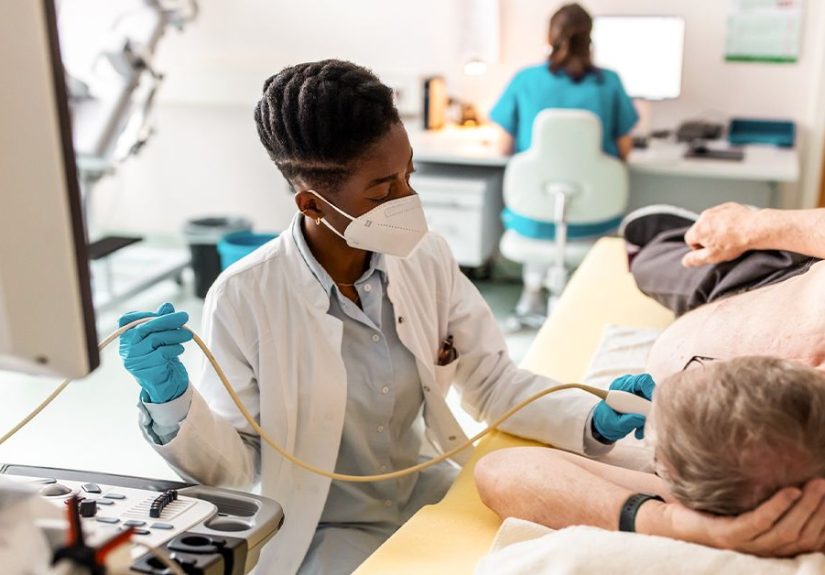
This is the standard echo most people mean when they say “echocardiogram.” A technician moves an ultrasound probe (transducer) across your chest with gel to capture images. It’s noninvasive, usually doesn’t require sedation, and is often the easiest one to prepare for.
TEE (Transesophageal Echocardiogram)
A TEE gets more detailed images by placing a probe in the esophagus (the tube behind your heart). Because the probe is closer to the heart, the pictures can be clearerespecially when doctors need a closer look at valves, clots, infection concerns, or structures that didn’t show well on a standard TTE. This test typically involves throat numbing and sedation, so prep and aftercare are more involved.
Stress Echocardiogram
A stress echo compares heart images at rest and during stress (exercise on a treadmill/bike or medicine that mimics exercise). It helps show how the heart performs under load. Since heart rate and blood pressure need to be measured accurately, certain foods, drinks, nicotine, and medications may interfereso prep matters a lot.
Why Echocardiogram Prep Matters More Than People Think
Good prep doesn’t just make you look organized (though, gold star if you are). It improves image quality, keeps the test safe, and reduces the chance of delays or rescheduling. For example:
- TEE fasting rules help reduce the risk of choking or aspiration when sedation and throat numbing are used.
- Stress echo restrictions (like caffeine or nicotine limits) help ensure your heart’s response can be measured accurately.
- Medication instructions can affect whether the test answers the clinical question your doctor is asking.
Translation: prep is not busywork. It’s part of the test.
TTE Prep (Transthoracic Echo): The “Usually Simple” One
Before the Test
In most cases, no special preparation is needed for a TTE. Many centers say you can eat, drink, and take your usual medications unless your provider gives different instructions. That’s one reason TTE is often used as the first-line echo test.
Still, “no prep” doesn’t mean “wing it completely.” A little planning makes the visit smoother:
- Wear a two-piece outfit if possible (you’ll usually remove clothing from the waist up and change into a gown).
- Avoid heavy lotions or oils on your chest if you canthey can make electrodes and gel more annoying to deal with.
- Bring your ID, insurance card, and medication list.
- Arrive a little early in case paperwork appears out of nowhere like a plot twist.
What Happens During a TTE
A sonographer will place sticky electrodes on your chest to monitor your heart rhythm, apply gel, and move the transducer across your chest. You may be asked to change position, hold still, or breathe in a certain way to improve images. Some people feel mild pressure from the probe, but the test is generally well tolerated.
After a TTE
Most people can go home right away and resume normal activities, including driving. In some cases, contrast may be used through an IV to improve the images, but even then, TTE is still considered a low-risk test.
TEE Prep (Transesophageal Echo): More Steps, Better Detail
TEE prep is where details really matter. Because a probe goes down your throat and sedation is often used, you’ll usually get specific instructions from your care team. Follow those instructions exactlyeven small changes (like “just a quick snack”) can cause delays or cancellations.
Key TEE Prep Rules (General Guidelines)
- Fasting: Many centers require no food or drink for several hours before the test (often around 4–6+ hours, sometimes longer depending on the schedule and sedation plan).
- Medication review: Ask which medications to take the morning of the test and which to hold. Use only small sips of water if instructed.
- Sedation plan: Arrange a responsible adult to drive you home. Many centers advise no driving until the next day (often 24 hours).
- Alcohol restrictions: Some providers advise avoiding alcohol in the days before the test.
- Health history disclosure: Tell your team about swallowing problems, esophageal conditions, reflux (GERD), hiatal hernia, sleep apnea, bleeding risks, and medication allergies.
What to Tell Your Care Team Before a TEE
This is not the time to be casually mysterious. Tell the team if you have:
- Trouble swallowing
- Esophageal strictures, varices, cancer, or prior esophageal procedures
- Severe reflux/GERD or hiatal hernia
- Sleep apnea
- Bleeding disorders or blood thinners/anticoagulants
- Allergies to medications, local anesthetics, or latex (if applicable)
- Dentures or oral prosthetics (you may be asked to remove them before probe insertion)
- Pregnancy or possible pregnancy
What Happens During a TEE
Expect monitoring equipment (ECG leads, blood pressure cuff, oxygen monitoring), an IV for sedatives, and a numbing spray or gel for your throat. You’ll usually lie on your side while the probe is guided down the esophagus. Most people are awake but drowsy, and the team monitors you throughout the procedure.
After a TEE: Recovery Tips You’ll Be Glad You Read
- Do not eat or drink until throat numbness wears off and your care team says it’s okay. This helps prevent choking.
- Expect possible mild sore throat or temporary swallowing discomfort for a day or two.
- You may feel groggy, tired, or “I need a nap and a blanket” for the rest of the day.
- Have someone drive you home and avoid driving or operating machinery for the period your team recommends (often 24 hours).
- Follow discharge instructions carefully, especially if you had an outpatient test.
Stress Echo Prep: The “Please Skip the Latte” Test
Stress echo prep varies more than TTE prep and can differ by center, by whether you’ll exercise or receive medication (such as dobutamine), and by your medical history. Your lab may give you a very specific checklist. Use it.
General Stress Echo Prep Guidelines
- Food and drink: Many centers ask you not to eat or drink for a few hours before the test (commonly around 3–4 hours, but follow your instructions).
- Caffeine: Some centers advise avoiding caffeine for 24 hours before the test.
- Nicotine/tobacco: You may be asked not to smoke or use tobacco on the day of the test.
- Medications: Ask whether you should take your usual medicines. Some medicines can affect heart rate and test results. Do not stop anything unless your provider tells you to.
- Clothing: Wear comfortable clothes and walking shoes if exercise is planned.
Exercise Stress Echo vs. Medication Stress Echo (Dobutamine)
If you’re doing an exercise stress echo, the test often starts with resting images, then you’ll exercise on a treadmill or bike, and then repeat imaging is done right after you reach your target heart rate or symptoms.
If you can’t exercise safely, your doctor may order a medication stress echo (such as dobutamine). In that case, medicine is given through an IV to increase the heart’s workload while the team continuously monitors your heart rhythm and blood pressure. Prep rules can still include fasting and medication instructions, so don’t assume “no treadmill” means “no prep.”
Stress Echo Medication Questions to Ask Ahead of Time
This is one of the best ways to avoid last-minute confusion. Ask:
- Should I take my blood pressure medicine the morning of the test?
- Should I hold beta blockers or other heart-rate–affecting medicines?
- What should I do if I have diabetes and I’m fasting?
- Can I use my inhaler if I have asthma/COPD?
- Are there any medications I should report if taken in the last 24 hours?
Some centers specifically ask patients to report recent use of certain medications (including some erectile dysfunction drugs), because those details can affect safety planning and medication choices during testing.
What Happens During a Stress Echo
Expect ECG leads, blood pressure checks, and baseline ultrasound images. If it’s an exercise test, the treadmill or bike intensity usually increases gradually. If it’s a medication test, your heart is stressed in a controlled way using IV medication while you’re closely monitored. The team may also place an IV even for exercise-based tests if contrast imaging or additional medication might be needed.
During the test, speak up if you feel chest pain, pressure, significant shortness of breath, dizziness, lightheadedness, or unusual symptoms. The team wants that information in real time.
What to Bring to Any Echo Appointment
- Photo ID and insurance card
- A current medication list (including supplements and OTC products)
- Your cardiologist or ordering provider’s name
- A list of allergies
- Comfortable clothing (especially for stress echo)
- A driver/escort for TEE (required by many centers)
- Questions written down (because “I’ll remember later” is a lie we tell ourselves)
Common Prep Mistakes That Can Delay an Echocardiogram
1) Assuming “No One Mentioned It” Means “No Rules”
If you didn’t receive instructions, call the testing center. This is especially important for TEE and stress echo.
2) Drinking Coffee “Because It’s Just a Little”
For some stress tests, caffeine can interfere with test accuracy or planning. If your instructions say no caffeine, treat decaf “maybe” drinks and tea/energy drinks carefully too.
3) Skipping Meds Without Being Told To
Stopping the wrong medication can create risk. Always confirm with your provider which medications to take or hold.
4) Forgetting the Ride Home for TEE
Sedation means you may not be allowed to drive yourself home. Clinics can cancel outpatient procedures if you don’t have an escort.
5) Not Mentioning Swallowing or Esophagus Issues Before TEE
This information can change the plan and improve safety. Speak up early.
Quick Prep Checklist by Test Type
TTE (Transthoracic Echo)
- Usually no fasting
- Usually can take normal medications
- Wear easy-to-change clothing
- No sedation in most cases
- Usually can drive home
TEE (Transesophageal Echo)
- Fasting required (follow exact timing from your center)
- Review medications with provider
- Arrange ride home
- Disclose esophagus/swallowing issues, reflux, sleep apnea, bleeding risks
- No eating/drinking until throat numbness wears off after test
Stress Echocardiogram
- Fasting often required for several hours
- Caffeine restriction may apply (often up to 24 hours)
- No smoking/tobacco may be advised
- Ask about medication instructions in advance
- Wear comfortable clothes and walking shoes
Final Thoughts: Prep for a Better Test, Not a Perfect Performance
You do not need to be the world’s most prepared patient to have a successful echocardiogram. You just need the right instructions for the right test. TTE, TEE, and stress echocardiograms all help answer different heart questions, and the prep reflects that. When in doubt, call the testing center, confirm fasting and medication instructions, and bring your questions with you.
A little planning can make your experience smoother, safer, and less stressfulwhich is ironic but very helpful when the test itself has the word “stress” in it.
Patient Experiences and Real-World Prep Lessons (Extended Section)
The following experiences are composite examples based on common situations patients describe before and after echocardiograms. They’re included to make the prep guidance more practical and relatable.
Experience 1: “I Thought All Echoes Were the Same” (TTE vs. TEE)
A first-time patient was told she needed an “echo” and assumed it would be a quick chest ultrasound. When she later learned it was actually a TEE, she realized the prep was completely different: fasting, sedation, and a ride home were all required. Her biggest takeaway was to ask one simple question as soon as the test is scheduled: “Is this a TTE, a TEE, or a stress echo?” That one question changed everything and prevented a same-day cancellation.
Experience 2: The Coffee Mishap Before a Stress Echo
Another patient did what many of us would do on autopilotdrank coffee on the way to the hospital. Unfortunately, his stress echo instructions had included a caffeine restriction. The test wasn’t ruined forever, but it had to be delayed and rescheduled. His advice now is surprisingly effective: the night before the test, he puts a sticky note on the coffee maker that says, “Not today, espresso.” Silly? Yes. Useful? Also yes.
Experience 3: Medication Confusion and the Value of a Pre-Test Call
A patient on multiple heart medications felt unsure whether to take a morning dose before her stress echo. Instead of guessing, she called the cardiology office the day before. The nurse reviewed her list, clarified what to take and what to hold, and explained the reason. That five-minute call lowered her anxiety and helped ensure the test would answer the right clinical question. Her lesson: if you’re asking yourself, “Should I just…?”call and ask.
Experience 4: TEE Recovery Was FineBut the Sore Throat Was Real
One outpatient TEE patient said the procedure itself was less dramatic than he feared because the team explained each step clearly and kept him comfortable. What surprised him was the temporary sore throat afterward. It wasn’t severe, but it was noticeable. He was glad the team had warned him to wait until his throat numbness wore off before eating or drinking, because he initially felt ready for water much sooner than he actually was. His takeaway: post-test instructions matter just as much as prep instructions.
Experience 5: The “Comfortable Shoes” Tip That Actually Mattered
A patient scheduled for an exercise stress echo nearly showed up in dress shoes after a work meeting. She changed into sneakers at the last minute and later said it made the test much easier. It sounds obvious, but many people schedule medical appointments around normal lifecommutes, offices, errandsand forget that stress echo prep may include actual physical exertion. Her tip is simple: treat it like a light workout appointment, not a quick photo-op.
Across all these stories, the common thread is not perfection. It’s communication. Patients who confirm the test type, review instructions, ask about medications, and plan transportation (when needed) generally feel more confident and have a smoother experience. If you remember nothing else, remember this: the best echocardiogram prep tip is to verify your instructions with the team performing your specific test.
Conclusion
Echocardiogram prep is not one-size-fits-all. TTE is usually simple, TEE requires fasting and sedation planning, and stress echo often involves food, caffeine, nicotine, clothing, and medication instructions. The smartest strategy is to know your test type, follow your center’s exact directions, and ask questions early. Doing so improves safety, reduces delays, and helps your care team get the clearest information possible from your heart imaging.