Table of Contents >> Show >> Hide
- What Is Donovanosis?
- Causes and How Donovanosis Spreads
- Risk Factors: Who Is More Likely to Get It?
- Symptoms: What Donovanosis Can Look and Feel Like
- Diagnosis: How Clinicians Confirm Donovanosis
- Treatment: Antibiotics That Work (and Why Patience Is Part of the Plan)
- Complications: What Happens If It’s Not Treated?
- Prevention: The Practical Stuff That Actually Helps
- Quick FAQ
- Experiences: What People Often Go Through (and What Helps)
- Conclusion
Donovanosis (also called granuloma inguinale) is one of those medical conditions that sounds like a villain from a sci-fi movie, but it’s actually a rare, treatable sexually transmitted infection (STI). The tricky part is that it can start quietly, look like other conditions, andif ignoredcause serious local damage over time. The good news? With the right antibiotics and follow-up, most people recover well.
This article breaks down what donovanosis is, why it happens, the symptoms to watch for, how clinicians diagnose it, and what treatment usually looks likewithout the fear-mongering. (Your health deserves facts, not horror-movie marketing.)
What Is Donovanosis?
Donovanosis is a bacterial infection that typically affects skin and soft tissue in the genital or nearby area. It’s caused by Klebsiella granulomatis (an intracellular, gram-negative bacterium). In medical settings, you’ll often hear the name granuloma inguinale, which is essentially the same diagnosisjust a different label on the same jar.
In the United States, donovanosis is rare. When cases do show up, they’re often linked to travel to, or contact with someone from, regions where the infection is more common (tropical and subtropical areas). Rare doesn’t mean “impossible,” thoughespecially if there’s been recent travel or a partner with travel history.
Causes and How Donovanosis Spreads
Donovanosis spreads primarily through sexual contact. Most commonly, that means vaginal or anal intercourse; oral transmission is reported far less often. In very unusual situations, prolonged skin-to-skin contact with an active sore can spread infection, and transmission during childbirth has been reported.
A key point: donovanosis is not known for spreading casually. This isn’t a “borrowed towel” situation. It typically requires close contact where bacteria can enter through small breaks in skin or mucosal tissue.
Why the Infection Can “Sneak Up”
Unlike some infections that show up fast and angrily, donovanosis can be slow-moving. Symptoms may appear anywhere from about 1 to 12 weeks after exposure, and some people don’t notice early changes because the first lesion can be painless and subtle. When the early sign doesn’t hurt, it’s easy to postpone getting it checkeduntil it becomes harder to ignore.
Risk Factors: Who Is More Likely to Get It?
Because donovanosis is uncommon in the U.S., risk is often connected to exposure patterns rather than “random bad luck.” You may be at higher risk if you:
- Have sexual contact with someone who lives in or recently traveled to regions where the infection is more common.
- Have a new partner and haven’t had recent STI screening (or don’t know their STI status).
- Have sex without barrier protection (like condoms), especially with new or multiple partners.
- Have a current genital ulcer or irritation that makes skin easier to break (any ulcer can raise STI transmission risk).
Most reported infections occur in adults, commonly ages 20–40, but anyone who is sexually active can be affected.
Symptoms: What Donovanosis Can Look and Feel Like
Donovanosis often begins as a painless red bump that gradually becomes a sore (ulcer). These sores can expand slowly over time, and they may bleed easily because the tissue is highly vascular. Some people notice a smell if there’s secondary bacterial infection, but the hallmark is typically the slow progression and “beefy red” appearance described in clinical resources.
Common Symptoms
- A painless red bump that turns into a sore near the genitals or nearby skin
- Sores that slowly spread or multiply without treatment
- Lesions that may bleed easily if irritated
- Sometimes sores around the anal area
- Less commonly, involvement outside the genital area (rare, but possible)
Symptoms That Deserve Prompt Medical Attention
- Any new ulcer, sore, or persistent lump in the genital or anal area
- A sore that lasts more than a week or two, even if it doesn’t hurt
- Bleeding from a lesion with minor contact
- Symptoms that don’t improve or keep recurring
One reason donovanosis matters clinically is that it can resemble other conditions, including other STIs that cause genital ulcers (like herpes or syphilis), and sometimes even noninfectious causes. That’s why diagnosis shouldn’t be based on guessing or internet photos.
Diagnosis: How Clinicians Confirm Donovanosis
Diagnosis usually starts with a health history (including travel history and symptoms) and a physical exam. Because donovanosis can look like other ulcer conditions, clinicians often test for multiple causes at onceespecially common genital ulcer causes such as herpes simplex virus and syphilis.
The Classic Lab Clue: “Donovan Bodies”
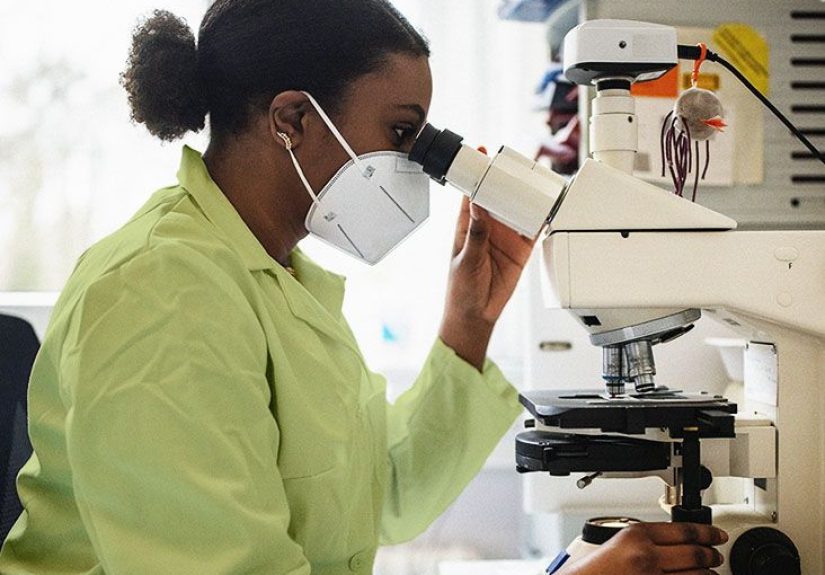
The bacterium that causes donovanosis is difficult to culture in routine labs. Instead, diagnosis typically depends on identifying Donovan bodiesdark-staining structures seen inside cells on a tissue smear (“crush preparation”) or biopsy under the microscope. If the lesion is atypical, persistent, or there’s concern for another diagnosis, a biopsy may also help rule out other conditions.
Why Differential Diagnosis Matters
“Genital ulcer disease” has a wide differential diagnosismeaning there are several possible causes that can look similar. Clinicians often evaluate for herpes, syphilis, chancroid, lymphogranuloma venereum, and noninfectious causes depending on the situation. Getting the right diagnosis affects not only treatment, but also partner management and prevention counseling.
Treatment: Antibiotics That Work (and Why Patience Is Part of the Plan)
Donovanosis is treated with antibiotics, and treatment is typically prolongednot because the bacteria are magical, but because healing can take time and therapy is continued until lesions have fully healed.
Commonly Recommended Regimens
Treatment often includes one of the following antibiotic approaches, generally for at least 3 weeks and until lesions are completely healed:
- Azithromycin (either a weekly higher dose or a daily dose regimen)
- Doxycycline
- Erythromycin
- Trimethoprim-sulfamethoxazole (TMP-SMX)
Clinicians may adjust based on medication tolerance, pregnancy considerations, co-infections, and how quickly the lesion begins to improve. If there’s little improvement early in therapy, a clinician may consider adding another antibiotic.
What to Expect During Treatment
- Early improvement: Many people start improving within about a week, but healing may still be slow.
- Stay the course: Stopping antibiotics early can raise the chance of persistence or recurrence.
- Follow-up is not optional: Even after apparent healing, relapse can occur months later, so clinicians may recommend periodic checkups.
Testing for Other STIs
Because donovanosis can coexist with other sexually transmitted infectionsand because any genital ulcer can increase the risk of HIV transmission clinicians commonly recommend testing for other STIs, including HIV.
Partner Management (Yes, It Matters)
If you’re diagnosed, recent sex partners should be informed and evaluated. Clinical guidance commonly focuses on partners within a specific window before symptom onset. The goal isn’t to assign blame; it’s to stop transmission and make sure anyone exposed gets examined and treated if needed.
Special Situations: Pregnancy and Breastfeeding
Treatment selection in pregnancy and breastfeeding is individualized. In general, macrolide antibiotics (like azithromycin or erythromycin) are often used, while clinicians consider risks and benefits for other antibiotic classes based on trimester and infant factors. If you’re pregnant or breastfeeding, don’t self-select a medicationthis is the moment for clinician-guided care.
Complications: What Happens If It’s Not Treated?
Untreated donovanosis can cause progressive local tissue damage, scarring, and swelling. Some people may experience changes in skin color in the affected area. Because lesions can persist and expand, delayed treatment can mean a longer recovery and more lasting effects.
Although rare, medical references describe the possibility of spread beyond the original area. Also, any open ulcer in the genital region can increase vulnerability to other infections, which is one reason prompt evaluation is so strongly recommended.
Prevention: The Practical Stuff That Actually Helps
Prevention is mostly the same playbook that helps reduce risk for many STIsreliable, not glamorous, but effective:
- Use condoms consistently and correctly during sexual activity.
- Get tested regularly if you’re sexually active, especially with new partners.
- Pay attention to symptomsdon’t wait months hoping a sore “just goes away.”
- Avoid sex if there are active sores until evaluated by a clinician.
- Communicate with partners about STI status and testing.
There isn’t a vaccine for donovanosis, so prevention relies on safer sex practices, early detection, and treatment.
Quick FAQ
Is donovanosis curable?
Yesmost cases respond well to antibiotics when treated appropriately and followed until complete healing.
Can donovanosis come back?
Recurrence is possible, even months after treatment appears successful. That’s why follow-up matters and why clinicians may recommend periodic checks.
Does it always hurt?
Not necessarily. Donovanosis lesions are often described as painless, especially early on. Lack of pain does not mean lack of seriousness.
Can you diagnose it at home?
No. Many conditions can cause genital sores, and treatment depends on the cause. A clinician needs to evaluate and often test for multiple possibilities.
Experiences: What People Often Go Through (and What Helps)
This section is based on common patterns clinicians describe with rare genital-ulcer infections and what patients often report in real-world care: confusion, delays, anxiety, and then relief once there’s a diagnosis and a plan. It’s not a substitute for medical advicejust a human layer on top of the facts.
1) “I thought it would just heal.”
A typical experience is noticing a small bump or sore that doesn’t hurt, so it gets placed in the mental junk drawer labeled “deal with later.” People get busy. They hope it’s irritation, an ingrown hair, or a random skin flare. The problem is that donovanosis can be slow and persistent. When something lasts longer than a week or twoespecially in the genital areagetting it checked early can make treatment easier and reduce the chance of scarring.
2) “I was worried I’d be judged.”
Stigma is real, and it’s one of the biggest reasons people avoid STI care. But a good clinic has seen everything, and their job is health, not moral grading. Many patients say the most surprising part of seeking care was how straightforward it felt: symptoms, exam, tests, plan. If you’re anxious, it can help to bring a written list of symptoms and questions so you don’t freeze in the moment.
3) “It took time to get the right diagnosis.”
Because donovanosis is rare in the U.S., it can be mistaken for other causes of genital ulcers. People sometimes go through a round of testing for more common infections first (like herpes or syphilis). That’s not “wasted time”it’s part of responsible diagnosis. For donovanosis specifically, confirmation often relies on microscopy and sometimes biopsy. Patients often describe relief when a clinician finally says, “We know what this is, and we know how to treat it.”
4) “The antibiotics felt like a long haul.”
A multi-week antibiotic course can be annoyingespecially when you start feeling better and your brain argues, “So we’re done here, right?” Real-world experience says: do not let your brain win that debate. Healing can take time, and stopping early can increase the chance that lesions linger or return. People who do best often set simple systems: a phone reminder, a daily routine (“right after brushing my teeth”), and a short follow-up appointment on the calendar.
5) “Talking to partners was the hardest part.”
Partner notification can feel awkward, but it’s also one of the most responsible things you can do. Some patients choose a direct script: “I got diagnosed with an infection that needs treatment. You should get checked.” No blaming, no debatejust information. Many clinics can also help guide how to notify partners or provide resources for confidential notification.
6) “I felt normal again once I had a plan.”
A common turning point is realizing that an STI diagnosis isn’t a permanent label; it’s a health issue with a treatment plan. Patients often describe feeling more in control after they understand prevention steps going forward: consistent barrier protection, regular testing, and earlier attention to symptoms. The “lesson” isn’t shameit’s timing. Early care tends to mean faster healing and fewer complications.
Conclusion
Donovanosis (granuloma inguinale) is a rare but important cause of genital ulcers. It’s caused by Klebsiella granulomatis, spreads primarily through sexual contact, and often starts as a painless lesion that can slowly progress. Diagnosis requires clinical evaluation and lab confirmation, often by identifying Donovan bodies on smear or biopsy. Treatment is effective but typically requires at least three weeks of antibiotics and follow-up to ensure complete healing and to watch for recurrence.
If you notice a new or persistent sore, don’t self-diagnose or wait it out. A clinician can confirm the cause, rule out other infections, and get you treated. When it comes to genital ulcers, early care is the ultimate shortcut.