Table of Contents >> Show >> Hide
- What the Matteria Recycling Frame Is (and Why It’s Surprisingly Smart)
- The Domestic Science Behind It: Behavior Beats Willpower
- Why a Frame and Paper Bags Can Work Better Than Another Plastic Bin
- Set It Up Like a Pro: Placement, Labels, and the Two-Step Rule
- Sorting Strategies That Match Real Life (Not Recycling Fantasies)
- Keep It Clean Without Turning Your Sink Into a Car Wash
- The Wishcycling Hall of Fame: What Not to Toss In “Just Hoping”
- Making the Matteria Frame Work in a Household With Actual Humans
- Maintenance and Longevity: Keep It Looking Like Design, Not Like Work
- Style Meets Function: Small Tweaks That Make a Big Difference
- Why This Matters: Your Home System Can Reduce Contamination
- Conclusion: The Recycling Frame Is a Tiny System With Outsized Impact
- Real-World Experiences: Living With “Domestic Science” ()
There are two kinds of home recycling systems: the kind you swear you’ll use (right after you “get organized”),
and the kind you actually use because it’s already organized. The Recycling Frame from Matteria lives
firmly in the second campquietly doing what the best household tools do: lowering the effort required to do the
right thing.
If you’ve ever balanced a wobbling paper bag of bottles like you’re auditioning for a circus, or played the nightly
game of “Is this trash, recycling, or… a future guilt item?”this is your sign. Let’s talk about why a simple steel
frame can make your recycling habits feel less like a lecture and more like a lifestyle upgrade.
What the Matteria Recycling Frame Is (and Why It’s Surprisingly Smart)
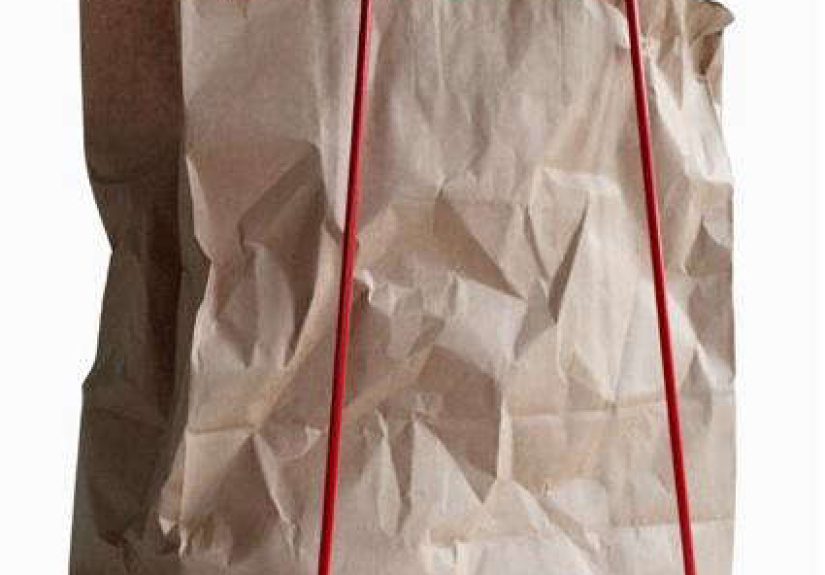
The Matteria Recycling Frame is a minimalist steel stand designed to hold paper bags upright, turning ordinary
bags into a tidy, visible recycling station. The classic setup uses two frames together to create
space for three collection bagsa “just enough sorting” solution that fits real homes, not just
magazine kitchens. It has been featured as a “Domestic Science” pick in design coverage, praised for being simple,
functional, and refreshingly un-fussy.
At the time it was highlighted, the frame was offered in multiple colors (including silver, white, red, and black)
and listed around €35 (price can change over time, but the concept stays the same). The point isn’t luxury; it’s
making a daily habit feel intentional instead of improvised.
The Domestic Science Behind It: Behavior Beats Willpower
“Domestic science” sounds like something your great-aunt studied in 1937, but the modern version is basically
applied behavioral design for the home: change the environment, and the behavior follows. Recycling isn’t usually a
knowledge problem (“I know I should recycle”). It’s a friction problem (“Where do I put this right now?”).
Research and field work on recycling behavior keeps circling the same truths: people do best when instructions are
clear, the system is convenient, and the “correct” action is the easiest action. Confusion and inconsistency fuel
contamination (and that’s the enemy of effective recycling). A frame that keeps bags open, visible, and easy to use
is basically a tiny household nudgewithout the smugness.
Why a Frame and Paper Bags Can Work Better Than Another Plastic Bin
1) It makes sorting visually obvious
You don’t have to open a cabinet or lift a lid to see what’s happening. When your recycling is visible, you’re more
likely to keep it on trackand more likely to notice when something doesn’t belong.
2) It fits “in-between” spaces
Many homes don’t have room for a bulky multi-bin setup, especially in apartments, older kitchens, or tight utility
zones. A slim frame can tuck beside the fridge, in a pantry corner, near a mudroom door, or along a garage wall.
3) It’s flexible when local rules change
Local recycling rules vary. A bin labeled “recycling” is not a universal truth; it’s a location-based agreement.
A bag-based system is easy to relabel and reassign when your city updates accepted items or when you move.
Set It Up Like a Pro: Placement, Labels, and the Two-Step Rule
The best place for your Recycling Frame is wherever “stuff” naturally becomes “waste.” That’s usually the kitchen,
but not always. If your household generates most recyclables near the coffee station, put it there. If shipping
boxes appear at the front door like seasonal decor, consider a secondary drop spot near the entry.
One practical guideline recommended in mainstream recycling advice is to keep trash and recycling near each other,
so you’re not asking people to choose between convenience and correctness. In other words: don’t make recycling a
separate quest with side missions.
The Two-Step Rule (especially important if you use bags)
- Step 1: Collect recyclables at home in the open bags on the frame.
- Step 2: On pickup day (or drop-off day), empty contents into your curbside cart or facility bins the way your local program requires.
Why the extra emphasis? Because many programs warn against putting recyclables out bagged (bags can tangle
sorting equipment and can cause good material to be missed). Collecting in bags at home can be finejust plan to
transfer items properly when it’s time to set them out.
Add labels people can’t misunderstand
Labels work best when they’re specific: “PAPER,” “BOTTLES & CANS,” “GLASS (IF ACCEPTED),” or “LANDFILL.” If you
want to level up, use standardized labels so guests, kids, and house-sitters don’t improvise. Consistency beats a
beautifully lettered sign that no one reads.
Sorting Strategies That Match Real Life (Not Recycling Fantasies)
The frame’s “three bag” rhythm is perfect for the most common home sorting scenarios. Here are a few setups that
work in the real worldchoose the one that matches your local program.
Option A: Single-stream friendly (the “don’t overcomplicate it” plan)
- Bag 1: Mixed recycling (approved containers + paper together)
- Bag 2: Cardboard overflow (flattened or staged before bundling)
- Bag 3: Deposit/returnables or “special drop-off” items (only if your area supports it)
This setup keeps daily decisions simple. It also creates a holding zone for cardboard so it stays dry and doesn’t
become a sad pile that you keep stepping over while whispering, “Soon.”
Option B: Two-stream recycling (paper separate from containers)
- Bag 1: Paper & cardboard
- Bag 2: Bottles, cans, and jugs (as accepted locally)
- Bag 3: Glass (only if your program accepts it separately)
Option C: Add compost (the “my kitchen doesn’t smell like regret” upgrade)
The Recycling Frame is for dry recyclables, but it pairs beautifully with a countertop compost pail or an indoor
food-scrap solution. Keeping food scraps out of recycling is a major contamination reducer, and it makes the
recycling station feel calmer immediately.
Keep It Clean Without Turning Your Sink Into a Car Wash
The internet has two modes on this topic: “Never rinse anything; water is precious!” and “Hand-polish your yogurt
cups until they sparkle!” Reality is more reasonable. Many programs emphasize that recyclables should be
empty, reasonably clean, and dry. The goal is to keep food and liquids from contaminating paper and
from creating odor, pests, and processing problems.
A good home routine is:
- Empty containers fully.
- Quick rinse or wipe if there’s residue.
- Let items drip-dry briefly (or shake dry) before dropping them in the bag.
Pro tip: Put a “drip zone” near the sinkan old dish rack, a small tray, or a corner of the drying mat. This
prevents the recycling bag from turning into a damp, sticky science experiment.
The Wishcycling Hall of Fame: What Not to Toss In “Just Hoping”
Wishcycling is the habit of putting questionable items in recycling and hoping for a miracle. It’s emotionally
understandable. It’s also how perfectly good loads get contaminated.
Common “nope” items (check locally, but these are frequent troublemakers)
- Plastic bags and plastic film in curbside recycling (often require store drop-off instead).
- Food-soiled paper (greasy, wet, or filled with leftovers).
- Mixed-material packaging you can’t separate (unless your program explicitly accepts it).
- Sharp or hazardous items (needles, chemicals, batteriesfollow local disposal guidance).
Your Recycling Frame makes it easier to avoid wishcycling because it encourages intentional categories. If an item
doesn’t clearly belong, it goes into a “special drop-off” bag (or a quick research moment) instead of contaminating
everything else.
Making the Matteria Frame Work in a Household With Actual Humans
If you live with kids
Make it a game of categories, not a lecture. Use big, bold labels. Keep the openings easy to hit. And accept that
someone will try to recycle a banana peel at least once. That’s why labels exist.
If you live with roommates
Create “default bags” and a “don’t know” bag. The “don’t know” bag is not failure; it’s containment. Once a week,
you sort it properly. This prevents the classic roommate conflict: “Who put a half-soup container in the paper?”
If you entertain
Put the frame where guests can see it. People will recycle correctly when it’s obvious and convenient. If it’s
hidden in a cabinet three rooms away, they’ll throw everything in the nearest bin and then compliment your cooking
while accidentally sabotaging your recycling.
Maintenance and Longevity: Keep It Looking Like Design, Not Like Work
A steel frame is refreshingly low-maintenance. Wipe it down occasionally, especially around the bag opening area.
Replace paper bags as needed. If you want extra durability, choose thicker bags or reinforce the top edge with a
fold. If your bags tear easily, it’s usually a sign you’re packing them too tightly (glass is heavy; it’s not a
personality flaw).
If you want to reduce paper bag use, you can experiment with reusable bagsjust make sure your setup still supports
the “two-step rule” so you’re not putting bagged recyclables into a curbside system that doesn’t want them.
Style Meets Function: Small Tweaks That Make a Big Difference
- Color-code with intent: Assign a consistent meaning to each bag (paper vs. containers vs. landfill).
- Add a mini cheat-sheet: A short list of “Top 10 accepted items” beats an essay nobody reads.
- Control the cardboard: Keep a flat stack behind a door or next to the frame to prevent “box mountains.”
- Pair with a drop-off basket: Batteries and film plastics can live in a separate container until you take them to the right place.
Why This Matters: Your Home System Can Reduce Contamination
Recycling doesn’t “just happen” because you own a bin. Programs work best when households keep food and liquids out,
follow local acceptance rules, and reduce contaminants like plastic bags. The Recycling Frame is a deceptively small
tool that supports those goals by organizing habits at the source: your countertop decisions.
The bigger win is psychological: when your recycling station looks calm and deliberate, you’re more likely to keep
using it. That’s domestic science in actionless guilt, more good systems.
Conclusion: The Recycling Frame Is a Tiny System With Outsized Impact
The Matteria Recycling Frame won’t solve every problem in the recycling industry (it is, after all, a humble steel
frame and not a wizard). But it can solve a very real household problem: the messy, confusing “where does this go?”
moment that leads to contamination, clutter, and eventually giving up.
If you want a home recycling station that’s easy to use, easy to explain, and easy on the eyes, this is a smart,
minimal move. It’s proof that the best sustainability tools aren’t always high-tech. Sometimes they’re just well
designedso you can be well behaved without trying so hard.
Real-World Experiences: Living With “Domestic Science” ()
Imagine this: you bring the Recycling Frame home and set it up in that awkward kitchen corner where nothing has ever
looked intentional. Within a day, the corner feels like it got a tiny promotionlike it’s now part of a plan. The
first “experience” most people notice is the absence of the usual chaos: no leaning tower of bottles, no soggy paper
bag collapsing mid-week, no mysterious pile of cardboard auditioning for a role as “permanent decor.”
In the first week, there’s a learning curve that looks a lot like comedy. Someone will drop a greasy takeout
container into the paper bag (bold choice). Someone else will ask if aluminum foil is recyclable, and the room will
split into two camps: “Yes, obviously” and “Only if it’s clean, and also the moon is in Aquarius.” This is where
the frame shines: it doesn’t magically make everyone an expert, but it makes the system visible enough to correct
mistakes quicklybefore the entire load becomes one big “oops.”
The second “experience” is how fast habits form when the station is convenient. People stop wandering around with an
empty bottle in their hand like it’s a prop. They stop stuffing recyclables into the trash “just this once.” Guests
tend to follow the labels without needing a guided tour, which feels like a small miracle if you’ve ever hosted a
party and watched someone throw a can into the landfill bin while maintaining intense eye contact.
Then there’s the practical satisfaction of bag day. You lift a bag out, it’s not dripping, it’s not tearing, and it
doesn’t smell like a biology lab. If your area wants recyclables loose, you do the quick dump into your cart. If your
building has sorting bins, you carry each category where it belongs. Either way, the moment feels less like “ugh,
chores” and more like “I have my life together,” whichlet’s be honestis half the reason anyone buys a well-designed
household object.
Over time, the frame becomes a quiet checkpoint for mindful consumption. You notice patterns: how many cans you go
through in a week, how often shipping boxes appear, how packaging-heavy certain products are. That awareness tends to
nudge behavior in a better direction: choosing refills, consolidating deliveries, or at least breaking down boxes the
same day instead of promising you’ll do it “later” (the lie we all tell).
The last “experience” is the simplest one: your recycling station stops being a mess you hide and becomes something
you’re fine seeing every day. And that’s the real domestic sciencewhen doing the sustainable thing isn’t harder,
it’s just… normal.