Table of Contents >> Show >> Hide
- What Exactly Is the Enamel Bucket Sink?
- Why Enamel Still Feels So Right
- Where the Labour & Wait Sink Works Best
- How to Style It Without Ruining the Point
- Practical Planning Before You Buy
- Care and Maintenance
- Who Will Love This Sink Most?
- The Experience of Living with an Enamel Bucket Sink
- Final Thoughts
Some household objects try very hard to be charming. They arrive with swoopy curves, influencer-friendly adjectives, and the quiet confidence of something that knows it will be photographed next to a croissant. The enamel bucket sink at Labour & Wait takes a different route. It looks practical first, handsome second, and faintly bossy in the best possible way. It is the kind of sink that seems to say, “I was built for scrubbing muddy boots, rinsing paintbrushes, and washing a sweater by hand. If I happen to look terrific in the process, that is merely a bonus.”
That attitude is exactly why this sink has such staying power. Labour & Wait has long built its reputation around everyday goods that favor utility, durability, and timeless design over trend-chasing. The enamel bucket sink fits that philosophy almost suspiciously well. It is small enough to feel manageable, substantial enough to feel useful, and visually crisp enough to work in rooms that usually get stuck with the decorating equivalent of a shrug. In other words, it turns a hardworking corner of the house into something memorable.
For anyone drawn to mudroom ideas, laundry room upgrades, vintage-inspired bathrooms, or old-school utility design, this sink hits a sweet spot. It has the no-nonsense honesty of a workshop fixture, but it also brings the kind of silhouette that designers love because it can slip into a farmhouse kitchen, a compact powder room, or an outdoor washing station without looking like it got lost on the way to the garage.
What Exactly Is the Enamel Bucket Sink?
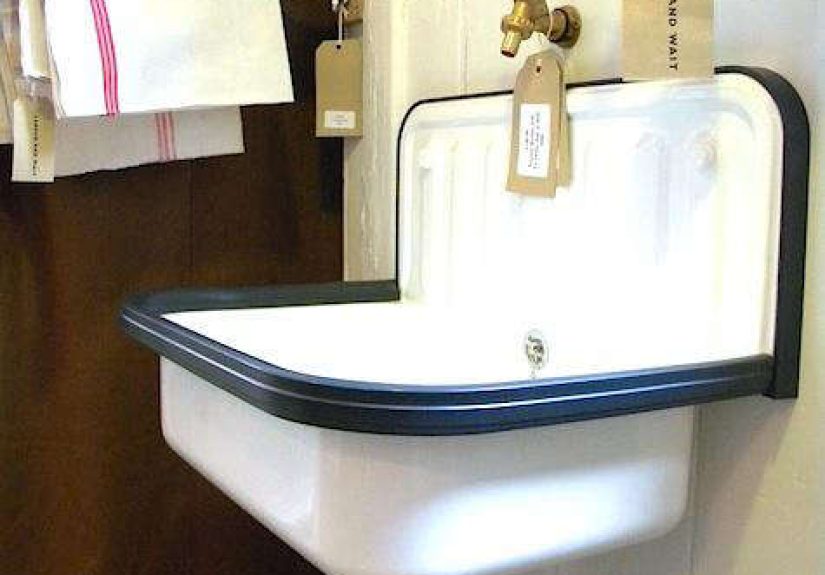
The Labour & Wait enamel bucket sink is a wall-mounted utility basin with a distinctly old-world look. It is often described as a traditional German “bucket sink,” a form originally intended for garages and workshops but now embraced in bathrooms, kitchens, and utility spaces where function matters just as much as appearance. That origin story explains the shape: compact, deep enough for real work, and refreshingly uninterested in decorative fluff.
Part of the sink’s appeal is its balanced scale. It is not the hulking utility tub that dominates a room and makes every nearby cabinet feel nervous. It is also not a dainty vanity sink that panics at the sight of a paint roller. Instead, it sits in the middle, giving you enough basin for messy tasks while keeping a smaller room visually light. That makes it especially attractive in guest baths, garden rooms, narrow laundries, and mudrooms where every inch counts.
The classic version is finished in white enamel with a dark rim, a combination that feels both industrial and nostalgic. The white surface reflects light and reads clean and crisp, while the darker edge gives the sink definition and a little swagger. It is the sink equivalent of a white shirt with black piping: tailored, unfussy, and oddly photogenic for something designed to deal with grime.
Why the Form Works So Well
The beauty of this enamel sink lies in its clarity. A wall-mounted installation keeps the footprint visually open, which is a gift in small rooms. The basin itself is deep enough for soaking, rinsing, and general household triage. Because it requires wall-mounted taps, the setup also tends to look a little more architectural and intentional than a basic freestanding utility tub. Suddenly, the room stops feeling improvised and starts feeling designed.
That distinction matters. Utility spaces are often where good intentions go to die. People spend money on the kitchen, agonize over the bathroom tile, and then toss whatever is left into the laundry room like a guilty afterthought. A sink like this gently rebels against that pattern. It says a practical room can still have style, and that style does not have to come wrapped in something precious.
Why Enamel Still Feels So Right
Enamel-coated sinks have endured for a reason. They feel traditional without being fussy, durable without looking clunky, and bright without tipping into sterile territory. In utility settings, that balance is especially valuable. You want a surface that reads clean, stands up to repeated use, and does not mind playing host to everything from hand-washed delicates to the aftermath of a garden project.
There is also a tactile pleasure to enamel that newer materials sometimes miss. It has a crisp, hard finish and a familiar old-house charm. In a room full of detergent bottles, rubber boots, and miscellaneous domestic chaos, that glossy surface brings visual order. It helps a workhorse space look deliberate, almost ceremonial, as though ordinary household routines deserve a little dignity after all.
Of course, enamel is not invincible. Like other enameled surfaces, it rewards sensible care and can chip if treated with the enthusiasm of a demolition crew. But for people who appreciate materials that age with character instead of instant obsolescence, that is part of the appeal. This is not a throwaway sink. It is a sink with manners, backbone, and a long memory.
Where the Labour & Wait Sink Works Best
In the Laundry Room
This may be the most obvious home for it, and for good reason. A utility sink is a genuine upgrade in a laundry room because it gives you a place to pre-treat stains, hand-wash delicate items, soak grimy clothing, and deal with spills before they become a room-wide event. Designers and home experts consistently treat the sink as one of the smartest features in a high-function laundry layout, especially when it is placed near the washer to create an efficient wet zone.
The enamel bucket sink works particularly well here because it keeps the room from feeling too bulky. A giant tub can overwhelm a compact laundry area, while a standard vanity sink can feel underpowered. This one threads the needle beautifully. Add a drying rod nearby, a shelf for stain removers, and a simple skirt or open basket storage below, and suddenly the room feels less like a penalty box and more like a small domestic command center.
In the Mudroom
If your household generates muddy shoes, sandy dog paws, gardening debris, soccer uniforms, or evidence that children have once again mistaken the yard for an archaeological dig, a sink in the mudroom is a brilliant idea. The bucket sink’s compact depth and upright wall-mounted presence make it easy to pair with hooks, cubbies, and boot trays without sacrificing circulation.
And aesthetically, it belongs there. It has the reassuring, ready-for-anything look that mudrooms need. Not precious. Not flimsy. Just game. This is the sort of sink that looks perfectly at home with beadboard walls, checkerboard floors, painted cabinetry, or a row of hardworking pegs loaded down with canvas totes and raincoats.
In a Guest Bath or Powder Room
This is where the sink becomes a bit of a scene-stealer. In a small bathroom, the enamel bucket sink feels unexpected in a way that is far more interesting than another predictable pedestal sink. Because it is wall-mounted, it helps the room breathe. Because it is utilitarian, it adds personality. And because it has a vintage-industrial edge, it pairs beautifully with wall taps, simple mirrors, old-school hooks, and crisp white or richly painted walls.
If you love a room with character, this is your move. It is especially effective in spaces where you want guests to think, “Wait, why is this little bathroom so cool?” Ideally, they should wonder that while pretending not to inspect the sink too closely out of politeness.
In the Garden or Outdoor Utility Spot
There is something wonderfully sensible about an outdoor sink. It saves your kitchen from becoming headquarters for muddy carrots, paint rollers, flowerpots, and every other object that probably should have been cleaned before entering the house. The Labour & Wait bucket sink has the right spirit for this job. It looks like it belongs in a potting area, against a brick wall, or beside a back door where real life happens.
It also delivers a kind of visual poetry outdoors. White enamel against weathered wood, aged metal, or greenery always looks good. It suggests old utility rooms, garden sheds, and the practical grace of domestic spaces that were designed to be used, not merely admired from several safe feet away.
How to Style It Without Ruining the Point
The trick with a sink like this is not to overdecorate it. Its appeal comes from restraint. Let the form do the work. Pair it with wall-mounted taps in a traditional or industrial finish. Add a simple backsplash if the room needs one. Use honest materials nearby: painted wood, tile, wire baskets, natural brushes, sturdy textiles. If you start accessorizing it like it is auditioning for a lifestyle catalog, you risk sanding off the very character that makes it special.
That said, utility does not mean austerity. A striped sink skirt can soften the look and hide storage. A rail for drying towels adds function and rhythm. A peg shelf above the sink can hold soap, hand brushes, and a small plant if you are feeling optimistic. The point is to let beauty ride shotgun with usefulness, not to bury usefulness under decorative throw pillows for the laundry room. That would be a cry for help.
Practical Planning Before You Buy
Now for the less glamorous but extremely important part: make sure the romance has plumbing support. This sink typically requires wall-mounted taps, so it is not the kind of piece you casually swap in during a lunch break. You need to think about supply lines, wall condition, splash protection, and the height that will make the sink comfortable for your actual daily use.
Placement matters too. In a laundry room, the best spot is usually close to the washer so wet tasks stay in one zone. In a bathroom or mudroom, make sure the sink has enough breathing room that splashes do not punish the wall on either side. Experts also often recommend planning adjacent storage and a nearby spot for drying cloths or setting down supplies, because even the most beautiful sink cannot solve chaos if everything around it is still freelancing.
Think through what you need the sink to do. Will it handle hand-washing sweaters? Rinsing art supplies? Bathing a small dog with a deeply offended expression? Washing vegetables from the garden? The answer shapes faucet choice, surrounding storage, and whether you want the sink as a decorative flourish or a true household workhorse.
Care and Maintenance
Enamel rewards regular, gentle cleaning. A soft cloth, mild soap, and basic common sense will take you far. Skip the harsh abrasives and aggressive tools that can dull the finish or invite scratches. The whole idea is to preserve that bright, clean surface so the sink continues to look both useful and well loved.
If you are the sort of person who throws cast-iron pans, pruning shears, and a suspiciously heavy flowerpot into a sink with dramatic flair, perhaps slow that down. The enamel bucket sink is sturdy, but it is not volunteering for impact testing. Treat it like a hardworking classic and it will age beautifully. Treat it like a carnival game and you may become very familiar with repair options.
Who Will Love This Sink Most?
This sink is for people who believe practical things should also be pleasing to look at. It is for anyone tired of bland builder-grade utility tubs. It is for old-house lovers, modern minimalists who secretly enjoy a little nostalgia, gardeners, careful cooks, committed launderers, and householders who understand that the prettiest room in the house is not always the one that works the hardest.
It may not be the right choice if you want an oversized basin for industrial-level mess or a fully contemporary look with zero vintage undertones. But if your taste leans toward utility with character, restraint with warmth, and durable design that actually earns its keep, the Labour & Wait enamel bucket sink is a remarkably convincing choice.
The Experience of Living with an Enamel Bucket Sink
Living with a sink like this changes the mood of everyday chores in a subtle but real way. That sounds dramatic for a plumbing fixture, but stay with me. Most domestic routines are repetitive by nature. You sort, scrub, rinse, soak, wipe, repeat. When the tools involved are ugly or awkward, the work feels slightly more annoying every single time. When the tools are useful and well made, the same tasks feel steadier, easier, and oddly more satisfying. The enamel bucket sink belongs squarely in that second category.
In the morning, it might be the place where you rinse out a cleaning cloth or wash soil off herbs before bringing them into the kitchen. By midday, it becomes a backup station for hand-washing a blouse, filling a watering can, or dealing with a mystery stain that appeared on a child’s sweatshirt as if by sorcery. In the evening, it might take on muddy sneakers, a dog bowl, or a paintbrush that really should have been cleaned an hour earlier. The point is not that the sink performs miracles. The point is that it is always ready, and that readiness is deeply comforting.
There is also a psychological pleasure in using something that does not pretend to be delicate. Plenty of beautiful home products seem to ask for applause while quietly dreading actual work. The enamel bucket sink is more grounded than that. It looks good, yes, but it also seems genuinely unbothered by chores. That can be surprisingly liberating. You stop worrying about whether a utility space looks polished enough and start appreciating how gracefully it supports the messier parts of real life.
The sink’s scale adds to that experience. Because it is smaller than a full utility tub, it never dominates the room. You notice it when you need it, and when you do not, it simply contributes a crisp, purposeful shape. In a bathroom, that means charm without clutter. In a mudroom, it means usefulness without bulk. In a laundry room, it means you can keep practical zones intact without turning the whole space into a sea of oversized fixtures and detergent diplomacy.
Then there is the pleasure of patina, or at least the domestic version of it. Not grime, obviously. Nobody is writing sonnets about soap residue. But a sink like this develops familiarity. You learn where to set the brush, where the towels drape best, how the light hits the white enamel in the late afternoon, how much easier it is to rinse stained items here than in the kitchen. The sink becomes part of the rhythm of the house. It is not just installed; it is integrated.
That is why the enamel bucket sink feels bigger than its dimensions suggest. It brings order to small tasks, beauty to practical corners, and a tiny jolt of satisfaction to routines that rarely get much credit. It reminds you that domestic life is built out of repeated gestures, and those gestures deserve tools with a bit of grace. A good sink cannot fix your entire week. But it can absolutely improve your Tuesday, and frankly, that is more useful.
Final Thoughts
The Labour & Wait enamel bucket sink succeeds because it refuses to choose between beauty and usefulness. It is compact but hardworking, nostalgic but not kitschy, simple but full of character. In a world full of overdesigned “solutions,” it feels refreshingly honest. It knows what it is, does the job well, and looks excellent while doing it.
If you are designing a laundry room, upgrading a mudroom, planning a guest bath, or carving out a practical wash-up area by the garden, this sink is the kind of detail that can anchor the whole space. It offers old-school utility with genuine style, which is a rarer combination than home catalogs would like us to believe. Call it domestic science, call it good taste, call it proof that even a humble sink can have star power. Just do not call it boring.