Table of Contents >> Show >> Hide
- The Quick Answer: Does Farting Burn Calories?
- Where the Myth Came From (and Why It Won’t Die)
- Calories 101: What “Burning Calories” Actually Means
- How Farting Works: The Short Tour of Your Gut’s Gas Factory
- So… Does Farting Burn Calories? Let’s Talk Mechanics
- What Farting Can Tell You (Hint: It’s Not Your “Calorie Burn”)
- How to Reduce Gas (Without Giving Up Being Alive)
- When Gas Might Be a Sign to Check In With a Clinician
- Conclusion: The Bottom Line on the “Fart Calories” Myth
- Bonus: of Real-World Experiences Around the Myth
If the internet had its way, you’d be able to skip the treadmill, eat a bean burrito, and simply
toot your way into a smaller jeans size. It’s a beautiful dream: “Every fart burns calories!”
The reality is… less magical and more biological.
Passing gas is normal, healthy, and (occasionally) hilariously timed. But as a weight-loss strategy?
Farting is basically the fitness equivalent of organizing your sock drawer: satisfying, sure, but not
exactly a cardio session.
Let’s break down the myth, explain what’s actually happening in your body, and talk about what your
gas can (and can’t) tell you about digestion, diet, and metabolismwithout turning this into a
shame spiral for being human.
The Quick Answer: Does Farting Burn Calories?
Not in any meaningful way. If passing gas burns calories at all, it’s a tiny amount that
isn’t useful for weight loss. You don’t “burn fat” by farting, and you can’t out-gas a donut.
What farting can do is relieve pressure and bloating, which may make you feel lighter in the moment.
But “feeling lighter” isn’t the same thing as “losing body fat.”
Where the Myth Came From (and Why It Won’t Die)
The biggest reason this question keeps popping up is a viral claim that made the rounds online:
the idea that one fart could burn a surprisingly large number of calories (the kind of number you’d
expect from a brisk walk, not a quiet squeak in the grocery aisle).
It’s catchy because it combines three irresistible internet ingredients:
1) bodily functions, 2) weight loss, and 3) “do nothing and still get results.”
The trouble is: there’s no credible evidence supporting those big calorie numbers.
Think of it like this: if farting truly burned meaningful calories, every gastroenterologist would
be handing out “flatulence plans” the way gyms hand out free trial passes. The fact that this isn’t
a thing tells you everything.
Calories 101: What “Burning Calories” Actually Means
Your body burns calories all day, even when you’re doing absolutely nothing impressivelike
breathing, maintaining body temperature, running your brain, and keeping your heart doing its
loyal little drum solo.
1) Your resting burn: the “background noise” of metabolism
A big chunk of daily energy use happens at rest. That’s why people can maintain weight even without
doing formal exercise: staying alive is already a full-time job.
2) The thermic effect of food (TEF): digestion costs energy
Eating triggers a temporary increase in energy expenditure because your body has to digest, absorb,
transport, and store nutrients. This is normal and measurableespecially with larger meals and with
protein-rich foods.
Here’s the key point: TEF is about digestion and processing nutrients. Farting is simply
one way your body releases gas produced during digestion. The gas release is not the “workout.”
3) Activity: the part you control the most
Movementwalking, lifting, cleaning, dancing like nobody’s watching (except your cat)is where most
people can most directly increase daily calorie burn. Which is rude, because yes, it requires effort.
How Farting Works: The Short Tour of Your Gut’s Gas Factory
Flatulence is the release of gas from the digestive tract. Most people pass gas regularly every day.
The amount varies from person to person, day to day, and meal to mealand that variation is normal.
Where does the gas come from?
Intestinal gas generally comes from two main sources:
-
Swallowed air: Eating quickly, talking while eating, chewing gum, smoking, drinking through
a straw, and carbonated beverages can increase the amount of air that enters your digestive tract. -
Fermentation in the colon: Some carbohydrates aren’t fully digested in the small intestine.
When they reach the large intestine, gut bacteria break them down and produce gases as byproducts.
Why some foods are “gassier” than others
Certain carbs are famous for causing gas because they’re more likely to be fermented:
- Beans and legumes (hello, raffinose)
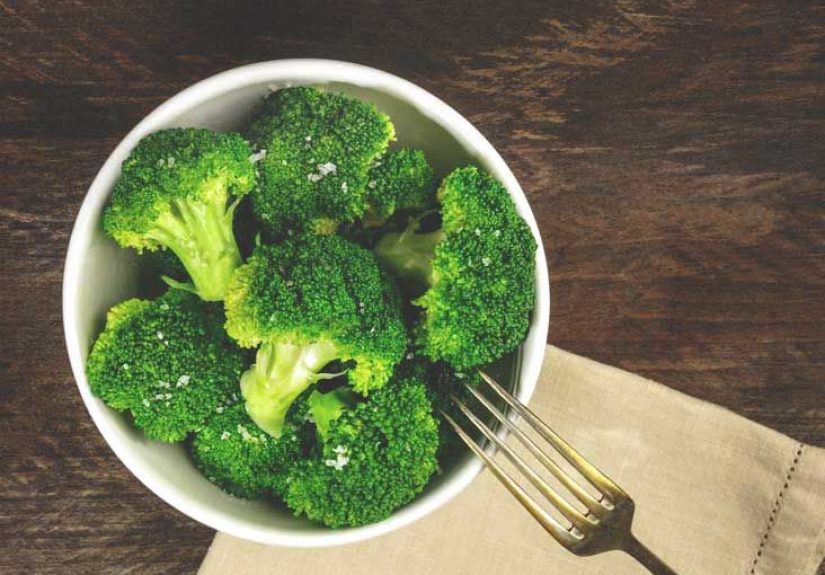
- Cruciferous vegetables like broccoli, cabbage, and Brussels sprouts
- Dairy for people with lactose intolerance
- Some fruits and sweeteners that contain fructose or sugar alcohols
- High-FODMAP foods for people who are sensitive to them
None of this means those foods are “bad.” In fact, many gas-producing foodslike beans and veggiesare
packed with fiber and nutrients. Sometimes the gassiness is just your gut microbiome doing its job a
little enthusiastically.
What’s in a fart (and why it can smell like betrayal)
Gas can include nitrogen, carbon dioxide, hydrogen, and sometimes methane. Many farts don’t smell much
at all. The stronger odors usually come from small amounts of sulfur-containing compounds produced
during digestion.
Translation: the smell is not a sign you “burned more calories.” It’s more like a chemical signature
of what your gut bacteria were up to.
So… Does Farting Burn Calories? Let’s Talk Mechanics
To burn calories, your body has to do workusually by contracting muscles, generating heat, or powering
organ function. Passing gas does involve some muscle activity (your intestines move, your sphincters
relax, abdominal muscles may engage slightly).
But here’s the reality check: the muscle work involved is tiny. It’s nothing like
walking up stairs, doing squats, or even standing up from the couch when your phone is across the room.
“But I feel like I did something!”
You did: you released pressure. That can feel dramatic if you were bloated. But relieving pressure is
not the same as burning a meaningful amount of energy.
Why you might feel “skinnier” after farting
Gas takes up space. When you release it, your abdomen may look a little less distended and your pants
may feel less snug. That’s a comfort winnot a fat-loss event.
If you want a simple comparison: calories burned by everyday movement can add up quickly, while
calories from passing gasif anyare so small they’re basically a rounding error.
What Farting Can Tell You (Hint: It’s Not Your “Calorie Burn”)
1) Your eating speed and habits might be adding air
If you’re gulping meals like you’re in an eating contest, you may swallow more air. Slowing down,
chewing thoroughly, and taking breaks can reduce that “extra air” contribution.
2) You may be reacting to certain carbs
Lactose intolerance, sensitivity to certain FODMAPs, or difficulty digesting specific carbohydrates can
increase fermentation and gas. This doesn’t automatically mean you need to ban foods forever. Sometimes
it’s about portion size, preparation (cooked vs. raw), or spacing foods out.
3) A fiber upgrade can temporarily increase gas
If you recently started eating more fiber (beans, whole grains, veggies), your gut may produce more gas
as it adjusts. This often improves over time. Going graduallyand drinking enough watercan help.
How to Reduce Gas (Without Giving Up Being Alive)
If gas is frequent but not painful, it’s usually just a normal side effect of digestion. If it’s
uncomfortable, socially inconvenient, or paired with other symptoms, these strategies can help.
Try “behavior first” tweaks
- Slow down meals: Less swallowed air, smoother digestion.
- Watch carbonation: Fizzy drinks literally add gas.
- Check gum and hard candy: More air + sometimes sugar alcohols.
- Experiment with meal size: Smaller meals may reduce bloating for some people.
Food-focused strategies (no fear-mongering required)
-
Track patterns: If a certain food consistently triggers discomfort, note it. You’re
gathering data, not creating a forbidden foods list. - Adjust portions: Sometimes you can keep the food but shrink the serving.
-
Consider lactose-free options: If dairy is a culprit, lactase-treated products or
dairy alternatives may help. - Be cautious with “diet” sweeteners: Sugar alcohols can be gassy for some people.
Over-the-counter options (use wisely)
Some people find relief from products that help break up gas bubbles or enzymes that help digest
certain carbohydrates. These can be useful for occasional discomfort, but if you’re relying on them
constantly, it’s worth discussing with a clinician to find the underlying cause.
When Gas Might Be a Sign to Check In With a Clinician
Most gas is harmless. But consider getting medical advice if you have gas along with:
- Persistent or severe abdominal pain
- Unexplained weight loss
- Blood in stool or black/tarry stool
- Ongoing diarrhea, vomiting, or fever
- Symptoms that disrupt daily life or suddenly change significantly
These don’t automatically mean something serious is happeningbut they do mean it’s smart to get a
professional opinion rather than playing symptom detective at 2 a.m. on the internet.
Conclusion: The Bottom Line on the “Fart Calories” Myth
Farting is normal. It’s a built-in pressure-release valve for your digestive system, and it’s often
a sign that your gut is doing exactly what guts do: processing food, managing bacteria, and moving
things along.
But as a calorie-burning strategy, farting is a nonstarter. If you’re aiming for weight management,
you’ll get far more impact from the unglamorous basics: balanced meals, reasonable portions, protein
and fiber, consistent movement, good sleep, and stress management. (Yes, even stress can mess with
your gutand your cravings.)
So go ahead and laugh at the myththen let it go. Your body deserves better than being turned into
a punchline and a workout plan at the same time.
Bonus: of Real-World Experiences Around the Myth
Experience #1: The “Bean Chili Fitness Plan” Week. A lot of people first stumble onto the
farting-calories myth right after a high-fiber mealbeans, lentils, broccoli, a smoothie that’s basically
a salad in a cup. The next day, they notice more gas than usual and joke, “Wow, I must be burning so many
calories.” What they’re really noticing is volume (gas takes up space) and timing (fiber
changes digestion patterns). The funny part is that the food itself can be a smart choice for satiety and
nutritionjust not because the gas is “fat loss.”
Experience #2: The Post-Lunch Office Mystery. Another common scenario: someone eats quickly
at their desk, talks through lunch, downs a carbonated drink, and then spends the afternoon trying to
discreetly “manage” the results. The myth pops up as a coping joke“At least I’m burning calories!”
But the more helpful takeaway is practical: slowing down, skipping the fizz, and taking a short walk
after lunch often makes the afternoon far more comfortable (and less suspenseful).
Experience #3: The “Healthy” Snack That Backfires. People trying to lose weight sometimes
switch to sugar-free gum, protein bars, or “diet” foods. Then the gas increases. That’s not your body
punishing youit’s often the ingredients (like certain sweeteners) meeting a gut that would like to file
a formal complaint. In these moments, the myth is tempting because it reframes discomfort as progress.
A better reframing is: “My gut is giving me feedback.” If a snack consistently causes trouble, it’s okay
to try a different option that still supports your goals.
Experience #4: The “I Feel Lighter!” Moment. One of the most relatable experiences is
feeling noticeably less bloated after passing gasespecially later in the day, after a big meal, or
around hormonal shifts. That relief can feel like your body changed size in real time. And in a way,
it didbecause gas left the building. The myth creeps in because the comfort feels like a “result.”
The reality is: it’s a symptom change, not a body composition change. Still worth
celebrating… just not as fat loss.
Experience #5: The “Too Embarrassed to Ask” Spiral. Plenty of people don’t talk about gas
until it becomes a daily stressorpain, unpredictable timing, or a sudden change from their normal pattern.
They’ll try random hacks online, including the calorie myth, because it’s easier to laugh than to worry.
The healthiest experience shift is often this: recognizing that gas is a normal topic for clinicians,
and you deserve answers if it’s painful, persistent, or paired with other symptoms. Relief is not
“overreacting.” It’s self-care.
Experience #6: The Myth as Motivation (and Why That’s Okay). Sometimes people use the myth
as a silly nudge to improve habits: “If I’m thinking about farts, I might as well drink water,” or “Maybe
I’ll take a walk after dinner instead of doomscrolling.” If the joke leads to healthier routines, great.
Just keep the facts straight: the walk burns the calories, not the toot. The gas is simply your digestive
system doing behind-the-scenes work while you live your lifesometimes noisily, sometimes quietly, always
humanly.