Table of Contents >> Show >> Hide
- Quick Answer: Checking Your Own Score Won’t Hurt
- Soft vs. Hard Inquiries: The Only “Check” That Usually Matters
- So Why Do People Swear Their Score Dropped Right After Checking?
- What Actually Lowers Your Credit Score (More Than Checking Ever Could)
- How Much Does a Hard Inquiry Typically Affect Your Score?
- Rate Shopping: When Multiple Hard Pulls Don’t Pile Up
- How to Check Your Credit Score Without Hurting It
- Common Credit-Check Scenarios (And Whether They Lower Your Score)
- What to Do If You See an Inquiry You Don’t Recognize
- Bottom Line
- Real-World Experiences: What It Feels Like to Monitor Your Score (Without Losing Your Mind)
- SEO Tags
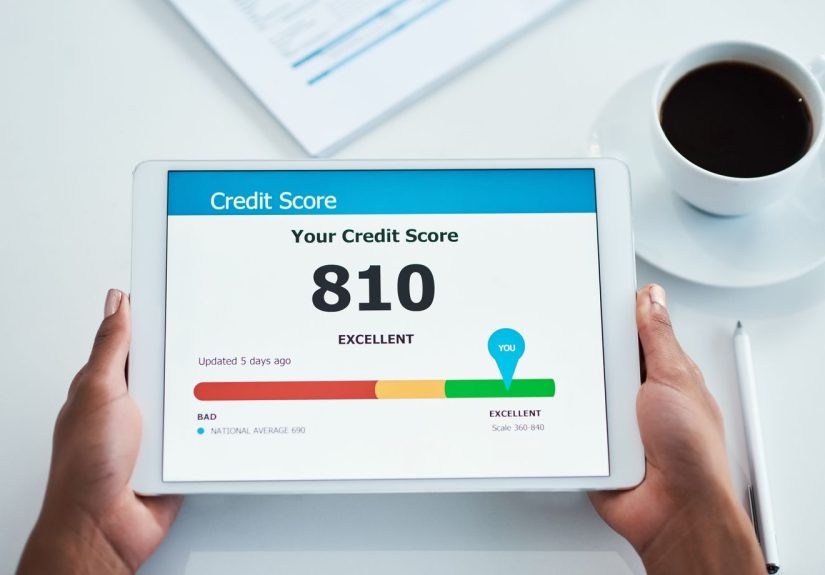
Let’s clear up a myth that refuses to die: checking your own credit score does not lower it.
If it did, half the country would be stuck in an awkward loop of “I want to be responsible, but responsibility hurts.”
Thankfully, credit scoring doesn’t work like a cursed video game where curiosity costs you points.
What can lower your score is a specific kind of credit checkusually the kind that happens when you apply for new credit.
The trick is understanding the difference between a “peek” and a “pull,” and learning how to monitor your credit without
accidentally stepping on the financial equivalent of a rake.
Quick Answer: Checking Your Own Score Won’t Hurt
When you check your own credit scorethrough your bank app, a credit card dashboard, a credit bureau portal,
or a reputable credit monitoring serviceit’s typically recorded as a soft inquiry (also called a soft pull).
Soft inquiries are for informational purposes and do not affect your credit score.
The score drops people blame on “checking” usually come from timing: their score updated after a balance changed,
a payment posted late, a new account reported, or a hard inquiry happened for a totally different reason.
Credit scores are more like a live scoreboard than a framed diplomathings change, sometimes quickly.
Soft vs. Hard Inquiries: The Only “Check” That Usually Matters
Soft inquiries: the harmless kind
Soft inquiries happen when your credit is reviewed for non-lending decisions or for monitoring.
They’re common, routine, and (for scoring purposes) basically background noise.
Depending on the bureau and the type of soft check, you may see them on your own report, but lenders generally don’t treat
them as risk signals the way they treat hard inquiries.
- You checking your own score or report (bank app, bureau site, monitoring service)
- Prequalification or prescreening offers (the “you may be approved” mailers)
- Account reviews by existing lenders (routine reviews of current customers)
- Employment screening in some cases (with required permissions and legal limits)
Hard inquiries: the “I’m applying for credit” kind
Hard inquiries (hard pulls) typically occur when you apply for a new credit card, auto loan, mortgage,
personal loan, or certain lines of credit. They can slightly lower your scoreoften by a few points
because they may indicate you’re taking on new debt.
Hard inquiries also tend to have the biggest impact when you have a thin credit file (not much history),
you apply for several accounts quickly, or your score is already borderline for a lender’s approval threshold.
Think of a hard inquiry like a single cookie: not a disaster. A dozen cookies in five minutes? That’s a pattern.
So Why Do People Swear Their Score Dropped Right After Checking?
This myth survives because it feels true in real life. Here are the usual suspects that cause the “I checked and it dropped!”
momentwithout your checking being the culprit:
1) Your credit utilization changed
Credit utilization is how much of your available revolving credit you’re using (credit cards, lines of credit).
A higher utilizationespecially above common rule-of-thumb thresholdscan reduce your score even if you pay in full later.
If your card balance reported before you paid it down, your score might dip and bounce back next update.
2) A statement closed, and the timing was rude
Many card issuers report balances to bureaus around statement closing, not the day you pay.
So you can pay like a responsible adult and still see a higher reported balance until the next reporting cycle.
Credit reporting is not always emotionally considerate.
3) You’re looking at a different scoring model
There isn’t just one credit score. Consumers often see educational scores (like VantageScore) through free services,
while many lenders use versions of FICO Scores (and sometimes industry-specific variants).
Two scores can move differently from the same underlying credit report data.
4) You had a hard inquirybut it wasn’t from “checking”
If you recently applied for a credit card, financed a phone, shopped for a car loan, or requested a new line of credit,
a hard inquiry may have posted around the same time you checked your score. Correlation isn’t causation,
but it sure likes to cosplay as it.
What Actually Lowers Your Credit Score (More Than Checking Ever Could)
If you’re trying to protect (or improve) your score, focus on the behaviors that scoring systems consistently reward.
While formulas vary by model, these categories typically matter most:
Payment history
Paying on time is the heavyweight champion. Late payments, collections, charge-offs, and delinquencies can cause
significant drops and can take time to recover from.
Credit utilization
Using a smaller portion of your available revolving credit generally helps.
Utilization can be measured per-card and across all cards, so a maxed-out card can hurt even if your total usage is modest.
Length of credit history
Older accounts help because they show longer-term patterns.
Closing an account can affect available credit and, over time, may influence metrics related to average age.
New credit
Opening many new accounts quickly can look risky. Hard inquiries live here too.
One hard inquiry is usually minor; a spree can be a red flag.
Credit mix
A healthy mix (like revolving credit plus an installment loan) can help, but it’s not a reason to take on debt.
Never pay interest just to “build mix.” That’s like buying a treadmill to become a marathon runnerthen never using it.
How Much Does a Hard Inquiry Typically Affect Your Score?
In many cases, a single hard inquiry causes a small, temporary dropoften a handful of points.
The exact impact depends on your overall file: your score range, existing debt levels, credit age, and how many recent
inquiries you already have.
Hard inquiries can remain visible on your credit report for a while, but scoring models often weigh them most heavily
in the near term. Over time, their influence fadesespecially if the rest of your credit behavior stays solid.
Translation: one hard inquiry is rarely the villain in your financial movie. It’s more like an extra in the background.
Rate Shopping: When Multiple Hard Pulls Don’t Pile Up
If you’re shopping for an auto loan or a mortgage, you may apply with multiple lenders to find the best rate.
Credit scoring models recognize this and often treat multiple similar inquiries within a short window as a single event.
This is designed to encourage smart comparison shopping rather than penalize it.
The window depends on the scoring model
Some models use a shorter window (commonly around two weeks), while others allow longer (often around several weeks).
The safest play is simple: do your rate shopping in a tight time frame, keep your paperwork ready,
and apply to the lenders you’re seriously considering within that window.
Important nuance: “rate shopping” logic typically applies to certain loan types (like mortgage/auto)
and does not always apply the same way to credit card applications.
If you apply for five credit cards, the scoring model will not pat you on the head for “shopping around.”
How to Check Your Credit Score Without Hurting It
If you want the confidence of checking oftenwithout accidental damagethese are the common safe options:
- Your bank or credit card issuer: Many provide free score dashboards and credit alerts.
- Credit bureaus: You can access scores and monitoring tools directly through bureau portals.
- Credit monitoring services: Many use soft inquiries and provide regular updates and alerts.
-
Annual credit reports: You can request free credit reports through the official channel and review them for accuracy.
(Note: a credit report is not the same as a credit score, but it’s the data that scores are built from.)
Pro tip: Ask “Is this a soft pull?”
If you’re prequalifying for a loan or credit card, ask whether the lender uses a soft inquiry for prequalification
and when (if ever) it becomes a hard inquiry. Many lenders do soft-pull prequalification, but the hard inquiry may occur
when you submit a full application or accept final terms.
Common Credit-Check Scenarios (And Whether They Lower Your Score)
“My bank shows my score every week. Is that bad?”
Usually no. Regular score access through a bank/issuer dashboard is typically a soft inquiry or no-inquiry score refresh,
depending on how the service is set up.
“I used a pre-approval tool online.”
Often a soft inquiry, but read the fine print. If it’s a true prequalification check, it’s typically soft.
If you proceed to a full application, expect a hard inquiry.
“I applied for an apartment.”
Landlords and property managers may run a credit check. Many use soft pulls or tenant-screening reports,
but some processes can involve a hard inquiry depending on the service used and what you authorize.
Ask upfront.
“I’m changing jobs and HR wants a credit check.”
Employment-related credit checks (where permitted) are generally not scored the same way as credit applications,
and they require specific disclosures and permissions. These are typically soft inquiries or separate consumer reports.
“I’m shopping for a car loan.”
Auto loan applications can create hard inquiries. Do your comparisons within a short shopping window so they’re more likely
to be treated as a single event for scoring.
“I applied for three credit cards in one weekend.”
That can trigger multiple hard inquiries and may reduce your score temporarilyespecially if your profile is new or borderline.
More importantly, opening multiple new accounts can lower average account age and increase perceived risk.
(Also: your wallet may start sweating.)
What to Do If You See an Inquiry You Don’t Recognize
Not every unfamiliar inquiry is fraud, but it’s worth investigatingespecially if it’s a hard inquiry.
Here’s a practical checklist:
- Confirm whether it’s hard or soft. Soft inquiries are usually harmless; hard ones matter more.
- Check the date and company name. Sometimes the name on the report is a parent company.
- Review recent activity. Did you apply for financing, utilities, a phone, or a “buy now, pay later” plan?
- Dispute if necessary. If you genuinely didn’t authorize it, contact the bureau and the business listed.
- Consider identity theft safeguards. Fraud alerts or credit freezes can prevent unauthorized new accounts.
Bottom Line
Checking your own credit score won’t lower it. The score impact people fear comes from hard inquiries,
which usually happen when you apply for new credit. If you monitor your score through reputable tools, review your credit
reports for accuracy, and keep an eye on utilization and on-time payments, you’ll be doing exactly what credit systems
reward: staying informed and consistent.
Real-World Experiences: What It Feels Like to Monitor Your Score (Without Losing Your Mind)
Credit education is helpful, but the day-to-day experience is where the confusion really happens. Here are a few
realistic, “this could be you” scenarios that explain why the myth persistsand how people usually fix the problem.
Experience #1: “I checked my score… and it dropped 12 points. I KNEW IT!”
A common story: someone checks their score on Monday and sees 712. On Thursday, they check again and it’s 700.
Panic sets in. They blame the act of checking, because it’s the only thing they remember doing.
But when they pull their credit report details, the real cause shows up: their credit card statement closed on Wednesday
with a higher-than-usual balancemaybe they booked a flight, paid for car repairs, or bought groceries for a household
that apparently eats like a sports team.
Utilization went up temporarily, and the score reacted. Then, after they paid the balance and the next statement reported
a lower number, the score bounced back. Moral of the story: scores are moody, but they’re moody about balances,
not about you looking at them.
Experience #2: The “rate-shopping sprint” that actually works
Another scenario: a couple shops for a mortgage. They talk to four lenders in a week and see multiple inquiries appear.
It looks scarylike the credit report is collecting stamps. But because the inquiries are clustered during a short period
for the same type of loan, many scoring models treat them as a single rate-shopping event (or at least reduce the damage).
The couple gets a better interest rate, saves real money over time, and learns the best credit lesson: being strategic
beats being superstitious. They didn’t “avoid checking.” They just kept their loan shopping organized and time-boxed.
Experience #3: Prequalification is chill… until you click the wrong button
Lots of people use “prequalify” tools because they want an odds check before committing. Usually, that prequal step is a
soft inquiry. The twist comes when the website offers a big friendly button: “Continue.” Some people click through thinking
it’s still a preview, but they’ve crossed into a full applicationhello, hard inquiry.
The practical fix is simple: read the disclosure that says whether you’re authorizing a hard pull. If it mentions
“hard inquiry,” “application for credit,” or anything that sounds like a formal request, pause and decide if you truly want
the product. Your future self (and your score) will appreciate the two extra minutes of attention.
Experience #4: The “credit report clean-up” that boosts confidence
One of the best experiences people report isn’t a magical score jumpit’s the moment they catch an error.
Maybe a paid-off account is still showing as open with a balance, an old address appears, or a late payment shows up that
doesn’t match their records. They dispute it, provide documentation, and the report gets corrected.
Even when the score change is small, the psychological win is huge: they stop feeling like credit is a mysterious judgment
from the sky and start treating it like a system they can manage. That’s the real benefit of checkingclarity, control,
and fewer nasty surprises when you actually need to apply for something important.
In other words: checking your score isn’t the problem. It’s often the beginning of the solutionbecause you can’t fix what
you refuse to look at. (Yes, that includes your bank account after a holiday weekend. We’ve all been there.)