Table of Contents >> Show >> Hide
- Why Old Shutters Make Such Great Headboards
- Choosing the Right Shutters
- Tools and Materials
- How to Build a DIY Headboard From Old Shutters
- Best Design Styles for a Shutter Headboard
- Common Mistakes to Avoid
- Is a DIY Shutter Headboard Worth It?
- Final Thoughts
- Extra Experiences and Lessons From Making a DIY Headboard From Old Shutters
- SEO Metadata
If your bedroom feels a little too “mattress in a room” and not quite “intentional adult sanctuary,” a DIY headboard from old shutters can fix that fast. It is charming, budget-friendly, and full of personality in a way that flat-pack furniture rarely is. Old shutters bring texture, history, and just enough architectural detail to make your bed look styled on purpose instead of parked there by accident.
Better yet, this is one of those rare DIY projects that can look expensive without requiring a contractor, a workshop the size of a barn, or a second mortgage. With the right shutters, a simple frame, and a safe mounting plan, you can create a custom headboard that feels coastal, farmhouse, cottage, vintage, or somewhere in that glorious “I found this and made it fabulous” zone.
In this guide, you will learn how to choose the right shutters, prep them properly, build a sturdy headboard, style it like you know what you are doing, and avoid the mistakes that make a “rustic statement piece” look more like “yard sale chaos.”
Why Old Shutters Make Such Great Headboards
A headboard made from shutters works because shutters already have built-in visual rhythm. The louvers, panels, and weathered finishes create depth without needing fancy woodworking. They also bring vertical or horizontal lines that help frame the bed and make the room feel more finished.
There is also the sustainability angle, which is not just trendy talk. Repurposing architectural salvage keeps usable materials out of the waste stream and gives your bedroom a one-of-a-kind look. Translation: your bed gets character, and the shutters get a second act instead of sitting in a garage plotting revenge.
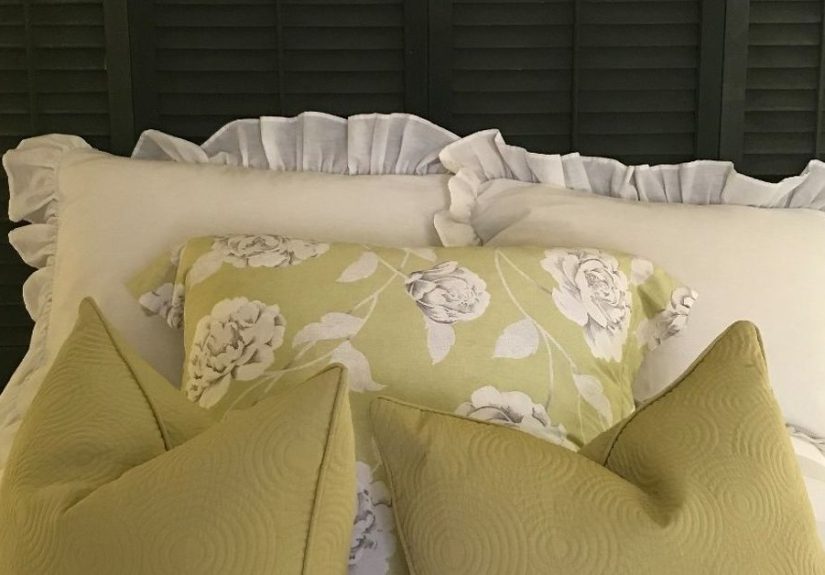
Design-wise, shutter headboards are surprisingly flexible. Paint them white for a coastal cottage vibe, go sage or dusty blue for vintage softness, stain them darker for a more grounded rustic look, or leave some of the old finish showing if you want that layered, timeworn charm.
Choosing the Right Shutters
Look for Solid Materials
The best candidates are real wood shutters or sturdy interior louvered panels. They have enough substance to feel like furniture and take paint or stain beautifully. Very lightweight vinyl shutters can work as wall decor, but for a real headboard effect, wood is usually the better choice.
Check the Condition
Chippy paint can be cute. Rot is not. Look for shutters that are straight enough to align, structurally sound, and not falling apart at the rails or louvers. Minor cracks, old nail holes, and worn paint are fine. Warping, softness, or major breakage means you are buying a headache with hinges.
Think About Scale
Lay out your plan before you buy. Two tall shutters can work for a twin or full bed. Four narrower shutters often fit a queen better. For a king, you may need multiple panels joined together or mounted within a frame. You want the finished piece to feel proportional to the bed, not like it wandered over from a dollhouse or a church gym.
Be Smart About Old Paint
If the shutters are old and painted, especially if they may date to before 1978, treat them carefully. Test for lead or use lead-safe practices before sanding or scraping. This is not the glamorous part of DIY, but it is the part that keeps your project from turning into a cautionary tale.
Tools and Materials
You do not need a celebrity workshop to make this happen. A typical materials list includes:
Old shutters, wood cleats or a plywood backer, screws, wood glue, sandpaper, primer, paint or stain, a drill, measuring tape, a level, clamps, and wall-mount hardware. If the headboard will be wall-mounted, a French cleat is one of the safest and cleanest ways to hang it. If you prefer a freestanding look, you can build simple legs and bolt the headboard to the bed frame.
How to Build a DIY Headboard From Old Shutters
Step 1: Measure the Bed and Plan the Layout
Start by measuring the width of your bed and deciding how tall you want the headboard to feel. A taller headboard creates more drama, while a shorter one feels casual and relaxed. Lay the shutters on the floor and experiment with the arrangement. You can place them vertically for a classic architectural look or horizontally for a wider, more farmhouse-inspired style.
This is the stage where you make design decisions while standing over a pile of shutters muttering, “No, that one looks weird there.” That is normal. Embrace it.
Step 2: Clean Thoroughly
Dust, grime, and mystery residue need to go. Clean the shutters with a mild degreaser or soap and water, then let them dry completely. Do not paint over dirt unless your design goal is “abandoned porch chic.”
Step 3: Sand or Strip the Surface
Once clean, lightly sand the shutters to smooth rough spots and help the finish adhere. If you plan to repaint, you do not need to strip everything down to bare wood unless the existing finish is failing badly. Start with a coarser grit where needed, then move to finer grits for a smoother feel. Wipe away dust before moving on.
If you discover very old paint, slow down. Test first, contain dust, and use proper protective gear. A shutter headboard should improve your bedroom, not your local hardware store’s respirator sales numbers.
Step 4: Join the Shutters Together
There are two easy ways to do this. The first is to attach the shutters to horizontal wood cleats across the back. The second is to screw them to a plywood backer cut to size. A backer makes alignment easier and adds rigidity, especially if the shutters are narrow or slightly uneven.
Use clamps while fitting everything together. Predrill holes to reduce splitting, especially near the edges of older wood. If your shutters still have original hinges, you can remove them for a cleaner look or keep selected hardware if it adds character.
Step 5: Add a Frame or Top Trim
This is optional, but it can make a huge difference. A simple top board, narrow trim, or side frame helps the piece look finished and intentional. It also hides small gaps and gives the headboard that “yes, I meant to do that” energy.
For a cottage look, try a cap board across the top. For a more tailored style, add flat stock trim around the perimeter. For full rustic drama, keep it simple and let the imperfect shutters steal the show.
Step 6: Paint, Stain, or Preserve the Patina
Now comes the fun part. If you love the old finish, seal it lightly and preserve the worn look. If you want a fresh style, prime first and then paint. White is classic, black is bold, blue feels coastal, and muted green gives vintage charm without screaming, “I found a chalk paint tutorial and got carried away.”
Dry brushing, light distressing, or a layered paint treatment can add depth. Just do not overdo it. There is a fine line between beautifully aged and “this headboard survived three pirate ships and a flood.”
Step 7: Mount It Safely
If you are wall-mounting the headboard, install a French cleat and anchor it into wall studs whenever possible. This creates a strong, stable mount and makes it easier to level the piece. Heavy-duty anchors may be needed when stud placement is limited, but the safest option is still a stud-based install for heavy assemblies.
If you want the headboard attached to the bed rather than the wall, build legs onto the back and bolt them to the bed frame. This works well when renting or when you want the headboard to move with the bed.
Best Design Styles for a Shutter Headboard
Coastal Cottage
Paint the shutters soft white, pale blue, or sea-glass green. Pair them with crisp bedding, woven textures, and light wood nightstands. The look is airy, easy, and just polished enough.
Farmhouse
Keep some weathering, use warm whites or earthy neutrals, and mix in antique brass, linen, and wood tones. A chippy finish feels right at home here.
Vintage Eclectic
Use shutters with original hardware, mismatched louver patterns, or layered paint. Add patterned quilts, old books, and thrifted lamps. The point is not perfection. The point is soul.
Modern Rustic
Choose shutters with strong lines, stain them darker, and pair them with simple bedding and black accents. This style works especially well when the room needs warmth without looking theme-y.
Common Mistakes to Avoid
Using weak shutters: If they flex too much, they will not feel substantial enough for a headboard.
Skipping prep: Paint sticks better to clean, sanded surfaces. Laziness is not a primer.
Ignoring safety: Old paint, sharp hardware, and bad mounting can all cause real problems.
Making it too small: A tiny headboard behind a big bed looks accidental.
Over-distressing the finish: Subtle character looks collected. Too much damage looks neglected.
Is a DIY Shutter Headboard Worth It?
Absolutely, if you like projects with high visual payoff. A shutter headboard is approachable for a confident beginner, adaptable for different décor styles, and often much cheaper than buying a solid wood statement headboard from a store. It also gives you a custom piece with a story behind it, which is more memorable than saying, “I clicked ‘add to cart’ at 1:12 a.m.”
The biggest value is in the look. Architectural salvage brings dimension and charm that new furniture often tries very hard to imitate. When you build your own version, you get that personality without the designer markup.
Final Thoughts
A DIY headboard from old shutters is one of those projects that checks all the boxes: practical, creative, affordable, and stylish. It turns salvaged materials into a focal point, gives your bedroom more depth, and lets you personalize the finish to fit your taste. Whether you want breezy cottage softness or rustic farmhouse character, old shutters can absolutely rise to the occasion.
Take your time with prep, be smart about old finishes, and mount the piece securely. Do that, and your bed will go from “functional sleep station” to “centerpiece with charm” in a weekend or two. Not bad for something that may have once spent its life blocking sunlight and judging the neighbors.
Extra Experiences and Lessons From Making a DIY Headboard From Old Shutters
One of the most interesting things about building a shutter headboard is that no two projects ever go exactly the same way. On paper, it sounds simple: find shutters, clean them up, attach them together, and hang them behind the bed. In real life, there is always a surprise. One shutter is taller than the others. Another has a hinge that refuses to leave peacefully. One panel looks beautifully distressed, while the next one looks like it lost a fistfight with a lawn mower. Oddly enough, that is part of the charm.
Many DIYers discover that the best results come from not forcing the shutters to look too new. A little uneven paint, old screw holes, and softened edges often give the finished headboard more warmth. The piece feels collected instead of manufactured. It becomes less about building a perfect furniture-store replica and more about creating something with texture and memory. That is what makes the final result feel personal.
Another common experience is realizing that prep work matters more than the glamorous reveal. The shopping is fun. The styling is fun. Sanding louvers for what feels like the thousandth year of your life is less fun. But the prep is what separates a headboard that looks lovingly restored from one that flakes paint onto your pillows every time you sit up with a book. The unglamorous steps earn the pretty ones.
Mounting is another lesson people tend to respect after the first awkward lift. Shutter headboards can be heavier than they look, especially once you add a backer, trim, and paint. This is the moment when many DIYers stop calling the piece “lightweight vintage decor” and start calling a friend for help. Getting it level, secure, and properly anchored is worth the extra effort. A beautiful headboard should be a design statement, not a gravity experiment.
There is also a decorating bonus that sneaks up on people. Once the shutter headboard is in place, the entire bedroom suddenly feels more intentional. Bedding looks better. Lamps feel more styled. Even basic nightstands seem upgraded by association. It is like the headboard becomes the confident friend who makes everyone else in the room look more put together.
Most of all, the project tends to create the kind of satisfaction only DIY can deliver. You stop seeing old shutters as discarded architectural leftovers and start seeing possibility in every flea market aisle and salvage pile. That shift is part of the fun. The finished headboard is lovely, but the real win is learning how to turn something forgotten into something beautiful, useful, and unmistakably yours.