Table of Contents >> Show >> Hide
- Why Old Drawers Make Such a Great Cabinet Base
- What Makes a Farmhouse Display Cabinet Actually Look Farmhouse?
- How to Turn DIY Drawers Into a Farmhouse Display Cabinet
- 1. Start with the right drawers
- 2. Clean like you mean it
- 3. Sand for grip, not glory
- 4. Plan the cabinet layout before assembly
- 5. Add shelves, doors, or both
- 6. Prime first, then paint in thin coats
- 7. Distress carefully or not at all
- 8. Choose hardware that finishes the story
- 9. Protect the finish
- Best Places to Use a Farmhouse Display Cabinet Made From Drawers
- How to Style It So It Looks Collected, Not Cluttered
- Common Mistakes to Avoid
- Why This DIY Feels So Rewarding
- Real-World Experiences With a DIY Drawer Display Cabinet
- Conclusion
Some furniture pieces retire with dignity. Others get dragged to the curb wearing one wobbly handle and a thick layer of mystery dust. Old drawers usually fall into the second group. But here is the fun part: those neglected drawers can become the backbone of a beautiful farmhouse display cabinet that looks intentional, useful, and just rustic enough to make guests say, “Wait, you made that?”
This project is the kind of makeover that checks all the right boxes. It is budget-friendly, creative, practical, and deeply satisfying in the way only a good DIY transformation can be. You are not just painting old wood and calling it a day. You are turning forgotten storage into a hardworking piece that can hold dishes, baskets, books, pitchers, candles, linens, or that collection of mugs you swear is “totally under control.”
If you love farmhouse decor, this upcycle makes perfect sense. The farmhouse look has always had a soft spot for pieces with history, patina, and a little personality. Translation: tiny dents are no longer a problem. They are now “character.” Very convenient.
Why Old Drawers Make Such a Great Cabinet Base
Drawers are already built for storage, which means they are halfway to usefulness before you even pick up a sander. Their boxy shape makes them easy to stack, frame, and reconfigure into shelves or cubbies. That is why drawer-based upcycles work so well for farmhouse design. The final look feels collected rather than factory-made, and that is exactly the charm people chase when they hunt for vintage hutches, pie safes, and glass-front cupboards.
Better yet, drawers bring built-in visual interest. The fronts often have trim, curves, routed edges, or old hardware marks that add texture to the finished cabinet. Even plain drawers can be transformed with paint, beadboard backing, chicken wire panels, or glass doors. The goal is not to erase every sign of age. The goal is to make the piece look purposeful, solid, and beautifully lived-in.
That is the secret behind a strong farmhouse makeover: it should look refined enough to belong in your home, but relaxed enough that nobody is afraid to set down a basket of lemons or a stack of folded dish towels.
What Makes a Farmhouse Display Cabinet Actually Look Farmhouse?
Farmhouse style is easy to get wrong because people tend to go too far in one direction. Too pristine, and the piece looks like it came flat-packed with 147 screws and a vague sense of betrayal. Too distressed, and it starts looking like it survived three tornadoes and one very dramatic move.
The sweet spot is balance. A great farmhouse display cabinet usually combines a few core elements: simple lines, practical storage, warm wood tones or soft paint, visible texture, and styling that feels personal rather than staged. White, cream, sage green, dusty blue, black, and weathered wood all work beautifully. So do classic details like Shaker-inspired framing, glass-front doors, antique latches, cup pulls, and beadboard or shiplap backing.
Another hallmark of farmhouse style is the mix of open and closed storage. You want room to display pretty things, but you also need a place to hide the less photogenic items of life. Nobody needs to see the random charger, the expired tea tin, or the napkin ring you bought during a decorative identity crisis.
The visual formula that works
Think of your cabinet in layers. The structure should feel sturdy. The finish should feel warm and slightly timeworn. The styling should include useful objects that also happen to be attractive: white dishes, amber bottles, cutting boards, woven baskets, ironstone pitchers, cookbooks, folded linens, and seasonal greenery. That combination is what keeps farmhouse decor from looking fake or overly themed.
How to Turn DIY Drawers Into a Farmhouse Display Cabinet
1. Start with the right drawers
Not every drawer deserves a second act. Look for drawers that are square, sturdy, and made of real wood or decent plywood. Minor damage is fine. Warped sides, split bottoms, or severe water damage are not charming. They are exhausting.
You can use matching drawers from one dresser or mix drawers from different pieces if you want a more eclectic cabinet. Matching sets make assembly easier. Mixed drawers can create a more custom, collected look, especially if you plan to paint the whole piece one color.
2. Clean like you mean it
Before sanding, scrub everything down. Old furniture loves to collect wax, grease, dust, and mystery residue that can ruin paint adhesion. Remove old hardware, labels, loose veneer, and anything hanging on by hope alone. If there are dents, gouges, or abandoned hardware holes, fill them with wood filler and sand them smooth after drying.
3. Sand for grip, not glory
You do not always need to strip a piece to raw wood, but you do need to scuff the surface enough for primer and paint to stick. Sand glossy finishes thoroughly, smooth rough edges, and soften any splinters. Then remove every bit of dust. This is the unglamorous step that separates “beautiful cabinet” from “why is the paint peeling like sunburn?”
4. Plan the cabinet layout before assembly
Lay the drawers on the floor and experiment with configurations. You can stack them vertically for a tall narrow cabinet, create a wider hutch-style unit, or use larger drawers at the bottom with smaller drawers on top for visual balance. Once you settle on the arrangement, build a simple outer frame from wood boards so the drawers feel like integrated cubbies instead of a pile that accidentally became furniture.
If you want a more polished look, add a back panel made from beadboard, plywood, or thin planks. This one step changes everything. Suddenly the project goes from “inventive storage” to “that looks like a real cabinet.”
5. Add shelves, doors, or both
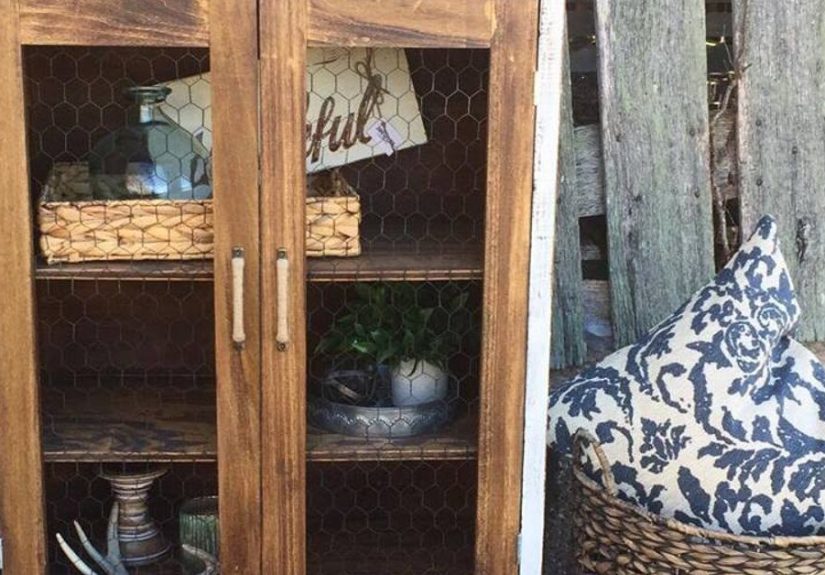
Some drawer openings can stay open if you want a breezy display look. Others can be fitted with shelves for plates, jars, or folded textiles. If you want a classic display cabinet feel, add doors to the front. Glass inserts keep things airy and visible. Chicken wire or metal mesh adds rustic texture. Solid wood doors create more hidden storage.
A farmhouse cabinet often looks best when it does not reveal absolutely everything. Let a few shelves display your prettiest pieces, then keep the lower section more practical. It is like good party hosting: let the nice stuff show, keep the chaos backstage.
6. Prime first, then paint in thin coats
Primer matters, especially if the piece has stains, knots, laminate, or a slick finish. After priming, lightly sand again for a smoother surface. Then apply your paint in thin, even coats. A brush works fine for detail and character. A small roller helps flat areas stay smooth. A sprayer can give a more polished finish if you already have one and know how to use it without turning your garage into a color experiment.
For a classic farmhouse look, try warm white, creamy beige, muted sage, soft blue, charcoal, or black. White feels bright and traditional. Black feels moodier and more modern farmhouse. Sage green quietly says, “I own at least one basket and know how to use it.”
7. Distress carefully or not at all
Light distressing works best when it looks honest. Focus on edges, corners, and places that would naturally wear over time. Do not attack the cabinet with sandpaper like it personally offended you. Too much distressing can make a handmade piece look theatrical instead of timeless.
If you prefer a cleaner style, skip distressing and let the farmhouse feel come from the cabinet’s shape, hardware, wood texture, and styling.
8. Choose hardware that finishes the story
Hardware is one of the cheapest upgrades and one of the most important. Cup pulls, bin pulls, aged brass knobs, iron latches, and black metal hinges all work well. Swapping shiny, generic hardware for something with weight and character instantly makes the cabinet feel more intentional.
9. Protect the finish
If the cabinet will live in a kitchen, dining room, or entryway, add a durable topcoat. Matte and low-sheen finishes usually suit farmhouse style best. They protect the paint without making the cabinet look plasticky.
Best Places to Use a Farmhouse Display Cabinet Made From Drawers
The beauty of this project is that it is flexible. In a kitchen, it can hold dishes, mugs, cookbooks, and serving boards. In a dining room, it becomes a charming station for linens, candles, platters, and seasonal decor. In an entryway, it can store baskets, mail, and shoes while still displaying framed photos or ceramic vases. In a bathroom, it can hold towels and apothecary jars. In a living room, it can become a coffee bar, mini library, or plant cabinet.
That versatility is exactly why this type of upcycle feels so smart. You are not building a one-trick piece. You are creating furniture that earns its floor space.
How to Style It So It Looks Collected, Not Cluttered
Styling is where many good DIY projects go slightly off the rails. The piece is gorgeous, then suddenly every shelf is holding a sign, a fake plant, nine tiny jars, two birds made of metal, and a wooden bead garland that has clearly seen too much. Resist the urge.
Farmhouse styling works best when it feels practical first and decorative second. Use stacks of white plates, clear jars, folded linens, crockery, cutting boards, pitchers, baskets, and a few vintage finds. Add fresh flowers, dried stems, or a framed piece of art for softness. Leave breathing room around objects so the cabinet feels curated.
A simple shelf formula
On one shelf, try a stack of bowls, a small framed print, and a trailing plant. On another, place a cutting board at the back, a ceramic pitcher in front, and a folded linen napkin beside it. On lower shelves, use baskets to hide small clutter. That mix of open beauty and concealed practicality is what makes the cabinet feel believable in a real home.
Common Mistakes to Avoid
The first mistake is rushing prep. Paint does not forgive grease, dust, or slick finishes. The second mistake is building the piece without checking that everything is square. If the drawers are even slightly off, the cabinet can look crooked fast. The third mistake is overdecorating. A farmhouse cabinet should feel warm and useful, not like a themed gift shop exploded in your dining room.
Another common mistake is choosing the wrong scale. A giant cabinet in a tiny room will dominate everything. A tiny cabinet on a huge wall can look lost. Before building, decide where the piece will live and how deep, wide, and tall it should be. This is one of those rare moments in life where measuring first can prevent emotional damage later.
Why This DIY Feels So Rewarding
There is something deeply satisfying about rescuing old drawers and turning them into a display cabinet with genuine personality. Store-bought furniture can be beautiful, but it rarely tells a story. A drawer cabinet does. It shows resourcefulness, creativity, and a willingness to see potential where most people see junk.
It also fits the best version of farmhouse style: not fake rustic, not overly polished, but comfortable, functional, and full of soul. It proves that good design is not always about buying something new. Sometimes it is about looking at an old drawer and thinking, “You know what? You are not done yet.”
Real-World Experiences With a DIY Drawer Display Cabinet
One of the most relatable experiences with this project is that it almost never starts as a grand design plan. Usually, it begins with one lonely drawer in the garage, one battered dresser at a thrift store, or one moment of irrational confidence after watching a furniture makeover video. Suddenly you are not just cleaning out storage. You are “seeing potential,” which is DIY language for volunteering yourself for a weekend of sanding.
What surprises most people is how quickly the project starts to feel personal. The minute you decide on a layout, paint color, or hardware style, the cabinet stops being scrap wood and starts becoming part of your home story. Maybe you choose soft white because it matches your kitchen shelves. Maybe you go with black because you want contrast. Maybe you keep a few nicks and scratches because they remind you this piece had a life before it arrived in your dining room.
Another common experience is learning that old drawers have opinions. Some slide neatly into place. Others fight alignment like they are negotiating a contract. This is usually the stage where patience becomes the most important tool in the room. Not the paintbrush. Not the drill. Patience. Once the frame is square and the shelves are level, everything gets easier. Until then, the cabinet may test your character more than it reveals its own.
There is also the moment, usually after the first coat of primer, when the whole thing looks worse before it looks better. This is normal. It is the furniture equivalent of a bad haircut halfway through the appointment. Keep going. The second coat, the new hardware, and the styled shelves are where the magic shows up.
Then comes the styling stage, which is where people discover whether they truly love decor or simply love buying little objects. A finished farmhouse cabinet teaches restraint. The best versions are not stuffed. They breathe. They hold practical items that happen to look good: stacked dishes, crocks, baskets, glass jars, cutting boards, linens, and maybe a plant that appears healthier than all previous plants because it finally got decent lighting.
Living with the finished cabinet is often the best part. It becomes useful immediately. Mugs move in. Candles move in. Seasonal dishes, recipe books, and serving trays suddenly have a home. The piece starts doing what great furniture should do: making everyday life easier while looking like it belongs exactly where it stands.
And finally, there is the reaction from other people. Guests almost always ask where it came from. Telling them it used to be a stack of drawers is absurdly satisfying. It is proof that style does not always come from a showroom. Sometimes it comes from imagination, a few materials, and the willingness to look past chipped paint and crooked hardware to see what a piece could become.
That is why this project stays memorable. It is not just about making a cabinet. It is about making something useful, beautiful, and unmistakably yours from parts that most people would have ignored. In a world full of fast furniture and copy-and-paste decor, that feels pretty close to perfect.
Conclusion
DIY drawers transformed into a perfect farmhouse display cabinet is more than a clever upcycle. It is a smart way to create custom storage, add warmth to your home, and capture that collected farmhouse look without buying a mass-produced piece. With the right prep, a balanced finish, and thoughtful styling, old drawers can become a cabinet that feels timeless, useful, and full of charm. Not bad for furniture that nearly ended up as curbside heartbreak.