Table of Contents >> Show >> Hide
- Understanding the Goal of Diabetes Medication
- Diabetes Medication List: Main Classes and How They Work
- Medication Choices by Diabetes Type
- Alternatives and Add-Ons to Diabetes Medication
- Recent Developments in Diabetes Medication
- How Doctors Choose the Right Diabetes Medication
- When Medication Plans Need Reevaluation
- Experience-Based Insights: What Living With Diabetes Medication Often Feels Like
- Conclusion
Note: This article is for general education only. Diabetes medication should always be chosen, adjusted, or stopped with guidance from a licensed healthcare professional. Blood sugar is not a “guess and vibes” situation.
Diabetes medication has changed a lot in the last decade. Once upon a time, the conversation was mostly, “Here is a pill, here is a glucose meter, good luck, brave pancreas-adjacent human.” Today, treatment is more personalized. Doctors now consider blood sugar, A1C, heart health, kidney protection, weight, hypoglycemia risk, cost, insurance coverage, lifestyle, and whether the patient would rather take a daily pill than become best friends with an injection pen.
That shift matters because diabetes is not one single condition with one single solution. Type 1 diabetes, type 2 diabetes, gestational diabetes, and less common forms such as LADA or MODY all require different strategies. Some people need insulin to survive. Others may start with lifestyle changes and metformin. Some benefit from newer drugs such as GLP-1 receptor agonists, SGLT2 inhibitors, or dual GIP/GLP-1 medications. And for a small group of people with difficult-to-control type 1 diabetes, cellular therapies have entered the conversation.
This guide breaks down the main diabetes medication list, common alternatives, important developments, and real-world experience points that help patients discuss options more confidently with their care team.
Understanding the Goal of Diabetes Medication
The main goal of diabetes treatment is to keep blood glucose in a safer range while reducing long-term complications. High blood sugar over time can damage blood vessels and nerves, increasing the risk of kidney disease, vision problems, cardiovascular disease, neuropathy, slow wound healing, and other complications. But treatment is a balancing act: pushing glucose too low can cause hypoglycemia, which may be dangerous.
Modern diabetes care is not just about lowering A1C. It is about choosing medication that fits the person. A college athlete, a retired adult with kidney disease, a pregnant patient with gestational diabetes, and a busy parent with type 2 diabetes may all need different plans. Good treatment is more like tailoring a suit than buying socks from a clearance bin.
Diabetes Medication List: Main Classes and How They Work
1. Insulin
Insulin is essential for people with type 1 diabetes because their bodies do not produce enough of it. Some people with type 2 diabetes also need insulin when other treatments are not enough, during illness, pregnancy, hospitalization, or after many years of declining beta-cell function.
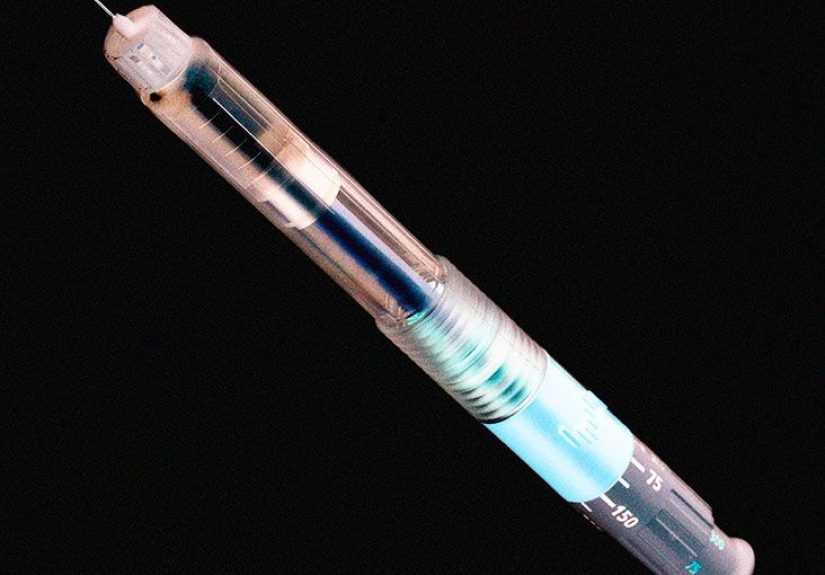
Insulin types include rapid-acting, short-acting, intermediate-acting, long-acting, ultra-long-acting, inhaled insulin, and premixed insulin. Rapid-acting insulin is often used around meals, while long-acting insulin helps provide background coverage. Insulin can be delivered by syringe, pen, pump, or automated insulin delivery system. The best option depends on glucose patterns, daily routine, dexterity, cost, comfort, and medical needs.
The benefit of insulin is power: it can lower glucose when other therapies cannot. The trade-offs include injection burden, glucose monitoring, possible weight gain, and hypoglycemia risk. In other words, insulin is not “bad” or “last place.” It is simply a strong tool that must be used carefully.
2. Metformin
Metformin is one of the most commonly used medications for type 2 diabetes. It helps reduce glucose production in the liver and improves the body’s response to insulin. It is usually taken by mouth and is often inexpensive, which is a refreshing plot twist in American healthcare.
Metformin does not usually cause hypoglycemia when used alone. Common side effects include stomach upset, nausea, or diarrhea, especially when starting treatment. Extended-release versions may be easier for some people to tolerate. It may not be suitable for certain people with advanced kidney problems, so kidney function is typically monitored.
3. Sulfonylureas
Sulfonylureas, such as glimepiride, glipizide, and glyburide, help the pancreas release more insulin. These medications have been used for many years and can lower blood sugar effectively. They are often affordable, which makes them useful in settings where cost is a major concern.
The downside is that they can cause hypoglycemia and may lead to weight gain. Because they stimulate insulin release regardless of what is happening in the fridge, the gym, or the patient’s schedule, they require careful use.
4. Meglitinides
Meglitinides, including repaglinide and nateglinide, also stimulate insulin release, but they work faster and for a shorter time than sulfonylureas. They are usually taken before meals to manage post-meal glucose spikes.
They can be helpful for people with irregular meal schedules, although missed meals and dosing mistakes may raise the risk of low blood sugar. They are less commonly used today than some newer options.
5. Thiazolidinediones
Thiazolidinediones, often called TZDs, include pioglitazone and rosiglitazone. They improve insulin sensitivity in muscle and fat tissue. Pioglitazone may be considered in selected patients, especially when insulin resistance is a major issue.
However, TZDs can cause weight gain, fluid retention, and swelling. They may not be appropriate for people with heart failure. This is why the “best” diabetes medication is never just the one that lowers glucose; it is the one that lowers glucose without inviting unwanted drama.
6. DPP-4 Inhibitors
DPP-4 inhibitors include sitagliptin, linagliptin, saxagliptin, and alogliptin. They help increase incretin hormones, which support insulin release after meals and reduce glucagon. These medications are taken by mouth and are usually weight-neutral.
DPP-4 inhibitors are generally modest in glucose-lowering power. They may be useful for patients who need a gentle oral medication with low hypoglycemia risk, although they do not usually provide the same weight, heart, or kidney benefits associated with certain GLP-1 receptor agonists or SGLT2 inhibitors.
7. GLP-1 Receptor Agonists
GLP-1 receptor agonists include semaglutide, liraglutide, dulaglutide, exenatide, and lixisenatide. These drugs mimic a hormone that helps the body release insulin when glucose is high, slows stomach emptying, reduces glucagon, and often lowers appetite.
Many GLP-1 medications are injections, though oral semaglutide is available for type 2 diabetes. Some GLP-1 drugs have demonstrated cardiovascular benefits, and semaglutide has gained additional attention for kidney-related risk reduction in adults with type 2 diabetes and chronic kidney disease. Common side effects include nausea, vomiting, constipation, diarrhea, and reduced appetite. These effects often improve over time, but they can be a deal-breaker for some patients. A medication that helps A1C but makes dinner feel like a hostage negotiation is not ideal.
8. Dual GIP/GLP-1 Receptor Agonists
Tirzepatide is a dual GIP/GLP-1 receptor agonist used for type 2 diabetes under the brand name Mounjaro. It targets two incretin pathways and can lower A1C significantly while often supporting weight loss.
This class reflects a major trend in diabetes development: medications are increasingly designed to address glucose and metabolic health together. However, cost, access, gastrointestinal side effects, and individual health history still matter.
9. SGLT2 Inhibitors
SGLT2 inhibitors include empagliflozin, dapagliflozin, canagliflozin, and ertugliflozin. They work in the kidneys by helping the body remove excess glucose through urine. That mechanism sounds like plumbing, because medically speaking, it kind of is.
These medications can lower blood sugar, support modest weight loss, and reduce blood pressure. Certain SGLT2 inhibitors also have strong evidence for heart failure and kidney protection in appropriate patients. Risks may include genital yeast infections, urinary issues, dehydration, and, rarely, diabetic ketoacidosis even when glucose is not extremely high. People should discuss sick-day rules and warning signs with their clinician.
10. Alpha-Glucosidase Inhibitors
Acarbose and miglitol slow carbohydrate digestion in the intestine, reducing post-meal glucose spikes. They are less commonly used in the United States because gas, bloating, and stomach discomfort can be common. They may be useful for specific patients who mainly struggle with after-meal glucose elevations.
11. Amylin Analog
Pramlintide is an injectable medication that mimics amylin, a hormone normally released with insulin. It can help slow stomach emptying, reduce glucagon after meals, and improve post-meal glucose. It may be used in some people with type 1 or type 2 diabetes who use mealtime insulin, but it requires careful planning because of hypoglycemia risk when combined with insulin.
Medication Choices by Diabetes Type
Type 1 Diabetes
People with type 1 diabetes need insulin because their immune system attacks insulin-producing beta cells. Treatment usually includes basal insulin, mealtime insulin, glucose monitoring, carbohydrate counting, and often technology such as continuous glucose monitors or insulin pumps. Some adjunct medications may be considered in selected cases, but insulin remains the foundation.
Type 2 Diabetes
Type 2 diabetes treatment may begin with lifestyle changes, metformin, or another medication depending on A1C, symptoms, heart disease, kidney disease, weight goals, and other factors. Increasingly, clinicians may choose GLP-1 receptor agonists or SGLT2 inhibitors earlier for people with cardiovascular disease, heart failure, chronic kidney disease, obesity, or high cardiometabolic risk.
Gestational Diabetes
Gestational diabetes is typically managed first with nutrition therapy, physical activity, and glucose monitoring. If lifestyle steps are not enough, insulin is commonly used because it has a long safety history in pregnancy. Some oral medications may be used in certain circumstances, but pregnancy care should be guided by an obstetric and diabetes care team.
Alternatives and Add-Ons to Diabetes Medication
Nutrition Therapy
Food is not a replacement for medication when medication is medically necessary, but nutrition can be powerful. Balanced meals with fiber-rich carbohydrates, lean protein, healthy fats, and portion awareness can help reduce glucose spikes. The best eating plan is not always the trendiest one. It is the one a person can actually follow after Tuesday, after holidays, after stress, and after someone brings cupcakes to the office.
Physical Activity
Regular movement improves insulin sensitivity, supports weight management, helps blood pressure, and benefits mood. Walking after meals can be especially helpful for post-meal glucose. Resistance training also matters because muscle acts like a glucose storage warehouse. The more active muscle tissue a person has, the better the body often handles glucose.
Weight Management and Metabolic Surgery
For some people with type 2 diabetes and obesity, weight loss can significantly improve glucose control. In certain cases, metabolic or bariatric surgery may lead to major improvement or remission of type 2 diabetes. Remission does not mean the condition is “cured forever”; it means glucose stays below the diabetes range without medication for a period of time. Ongoing monitoring remains important.
Diabetes Education and Support
Diabetes self-management education and support can be as important as the prescription itself. Patients learn how medications work, when to check glucose, how to respond to low blood sugar, how illness affects glucose, and how to make food choices without turning every meal into a math final.
Technology: CGMs, Pumps, and Automated Insulin Delivery
Continuous glucose monitors show glucose trends throughout the day and night. Insulin pumps can deliver precise doses. Automated insulin delivery systems combine a pump and CGM with an algorithm that adjusts insulin. These tools do not make diabetes disappear, but they can reduce guesswork and help people see patterns that fingerstick checks may miss.
Supplements and “Natural” Alternatives
Some supplements are marketed for blood sugar support, but “natural” does not automatically mean effective, safe, or appropriate. Cinnamon, berberine, chromium, bitter melon, and other products may interact with medications or cause side effects. Supplements should never replace prescribed diabetes medication without medical supervision. A label with leaves on it is not a clinical trial wearing a tiny green hat.
Recent Developments in Diabetes Medication
More Focus on Heart and Kidney Protection
The biggest shift in diabetes medication is the move beyond glucose alone. Certain GLP-1 receptor agonists and SGLT2 inhibitors are now valued because they can help protect the heart and kidneys in selected patients. This is especially important because cardiovascular disease and kidney disease are major complications of diabetes.
Generic GLP-1 Options
The FDA’s approval of generic versions of older GLP-1 medications, including drugs referencing Byetta and Victoza, may improve access over time. This does not mean all newer GLP-1 medications are suddenly cheap or easy to find, but it is a meaningful development in a class known for both effectiveness and wallet-related sweating.
Cellular Therapy for Type 1 Diabetes
In 2023, the FDA approved Lantidra, a donor pancreatic islet cellular therapy for certain adults with type 1 diabetes who experience repeated severe hypoglycemia despite intensive management. It is not a general cure for type 1 diabetes and is not for everyone. It is a specialized treatment with serious considerations, including immune-suppressing medication. Still, it represents an important step in the long search for therapies that restore insulin production.
Oral and Next-Generation Incretin Drugs
Researchers continue to study oral GLP-1 drugs, new incretin combinations, longer-acting formulations, and medications that may target multiple hormone pathways. The future of diabetes medication may include more effective pills, fewer injections, better weight-related outcomes, and more precise matching of therapy to patient risk.
How Doctors Choose the Right Diabetes Medication
Choosing a diabetes medication involves many questions: What type of diabetes does the person have? What is the current A1C? Are there symptoms of high glucose? Is there heart disease, kidney disease, liver disease, obesity, pregnancy, or a history of pancreatitis? Is hypoglycemia a major concern? Can the patient afford the medication? Is the medication available? Does the person prefer pills or injections? Can they manage complex dosing?
Side effects also matter. A medication that looks perfect in a chart may fail in real life if it causes severe nausea, costs hundreds of dollars, or requires a schedule the person cannot maintain. Good diabetes care respects biology and daily life. The pancreas may be complicated, but the grocery budget is also a real organ of decision-making.
When Medication Plans Need Reevaluation
A diabetes medication plan should be reviewed regularly. Reasons to reassess include frequent low blood sugar, persistent high blood sugar, new kidney problems, new heart disease, pregnancy, major weight change, changes in insurance, side effects, new medications, or difficulty following the plan.
Patients should not stop diabetes medication suddenly unless a healthcare professional tells them to do so. Stopping insulin or certain medications can lead to dangerous hyperglycemia or ketoacidosis. If side effects, cost, or access becomes a problem, the safer move is to contact the care team and ask about alternatives.
Experience-Based Insights: What Living With Diabetes Medication Often Feels Like
One experience many people share is that diabetes medication is not just a medical decision; it becomes part of daily rhythm. A pill bottle on the counter, an insulin pen in a lunch bag, a CGM alert during a movie, or a pharmacy refill reminder can become part of normal life. At first, it may feel intrusive. Over time, many people build routines that make treatment less overwhelming.
Another common experience is the surprise of trial and adjustment. People may expect the first medication to work perfectly, but diabetes often requires fine-tuning. Metformin may help but cause stomach issues. A GLP-1 medication may improve A1C but reduce appetite more than expected. An SGLT2 inhibitor may help glucose and blood pressure but require more attention to hydration. Insulin may work beautifully but demand careful timing. Finding the right fit is not failure; it is healthcare doing what healthcare often doesadjusting the recipe until the soup stops yelling.
Cost is a real experience too. Newer diabetes medications can be expensive, and insurance coverage can feel like a maze designed by someone who has never needed a refill on a Friday afternoon. Patients often learn to ask practical questions: Is there a generic? Is there a preferred alternative? Does the manufacturer offer assistance? Is a 90-day supply cheaper? Can the prescriber document medical need for prior authorization? These questions are not awkward; they are part of responsible care.
Food and medication timing also become learning curves. Someone taking insulin or a sulfonylurea may need to be more cautious about skipped meals. Someone using a GLP-1 medication may need smaller meals, slower eating, and attention to nausea triggers. Someone using an SGLT2 inhibitor may need to understand sick-day guidance. These details are where diabetes education shines. A prescription tells what to take; education explains how to live with it.
People also often discover that glucose numbers are information, not moral grades. A high reading does not mean someone is “bad.” It may reflect stress, poor sleep, illness, hormones, medication timing, a carb-heavy meal, or plain old biology being dramatic. The goal is pattern recognition, not self-blame. A glucose log is more like a weather report than a report card.
Family and social life can add another layer. Friends may not understand why someone needs to check glucose before eating, carry snacks, avoid certain foods, or pause to dose insulin. Some people prefer privacy; others explain openly. There is no single right style. What matters is safety, confidence, and having a plan for lows, highs, travel, school, work, exercise, and sick days.
Technology can be empowering but noisy. CGMs can provide useful trend arrows and alerts, but alerts at 3 a.m. are nobody’s idea of a spa treatment. Pumps and automated insulin systems can reduce burden, yet they still require supplies, troubleshooting, and learning. Many users describe diabetes tech as helpful but not magical. It is more co-pilot than autopilot.
Finally, many people learn that progress is often quiet. Better A1C, fewer glucose swings, improved energy, reduced anxiety about lows, or fewer urgent calls to the doctor may happen gradually. Diabetes management rarely feels like a dramatic movie scene. It is more like maintaining a garden: water, adjust, trim, repeat, and occasionally wonder why one tomato plant has chosen chaos.
Conclusion
Diabetes medication has entered a more personalized era. Insulin remains essential for type 1 diabetes and important for many people with type 2 diabetes. Metformin still plays a major role. Older medications such as sulfonylureas, TZDs, and DPP-4 inhibitors may be useful in selected cases. Newer options such as GLP-1 receptor agonists, dual GIP/GLP-1 drugs, and SGLT2 inhibitors have expanded treatment goals to include weight, heart, and kidney outcomes.
The best diabetes medication is not automatically the newest, strongest, or most talked-about online. It is the one that matches the person’s medical needs, safety profile, cost situation, preferences, and long-term risk. Diabetes care works best when medication, nutrition, activity, monitoring, education, and follow-up all pull in the same direction.