Table of Contents >> Show >> Hide
- What Are Light-Filtering Interior Shutters, Exactly?
- Why Designers Are Obsessed with Light-Filtering Shutters
- Key Light-Filtering Styles Inspired by Remodelista
- Choosing Materials, Colors, and Finishes
- Room-by-Room Guide to Light-Filtering Interior Shutters
- Shutters vs. Blinds and Shades: The Light-Filtering Debate
- How to Get the Remodelista Look on a Real-Person Budget
- Design Diary: Real-Life Experiences with Light-Filtering Shutters
If you’ve ever tried to nap in a room with full blackout shades at noon, you know
it can feel a little like waking up in a movie theater: disorienting and slightly
suspicious. On the other hand, bare windows give you that
“hello-neighbors-yes-I-am-wearing-my–pizza-T-shirt-again” level of exposure. Enter
the hero of the window world: light-filtering interior shutters.
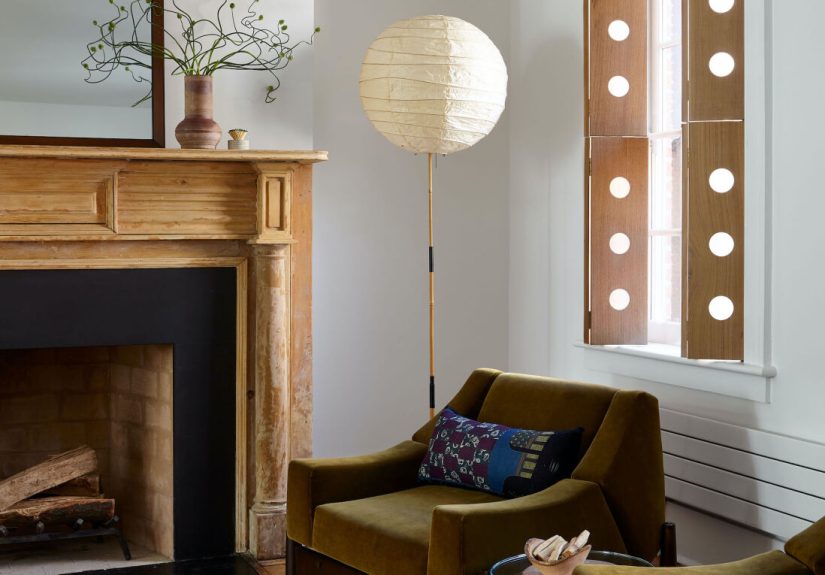
Remodelista famously spotlighted this look with a pair of ingenious shutters that
act like architectural sunglasses for your windows: they soften harsh rays, create
beautiful patterns of filtered light, and still let you feel connected to the
outdoors. Think perforated or slatted panels that glow instead of simply blocking
out the sun.
Today’s designers aren’t just hanging curtains and calling it a day. They’re
treating windows like built-in furniture, and shutters are doing some seriously
heavy lifting: controlling light and privacy, adding texture, and giving rooms
that tailored, made-to-measure feel that blinds and big-box drapes rarely match.
In this guide, we’ll sleuth out what makes light-filtering interior shutters so
special, the key styles to know (including the café-style favorites and
perforated panels Remodelista loves), and how to choose the right design for your
roomsplus real-life tips so you don’t accidentally turn your living room into a
cave.
What Are Light-Filtering Interior Shutters, Exactly?
Interior shutters are rigid panels mounted inside the window frame. Traditional
plantation shutters use adjustable louvers (slats) that you tilt to control how
much light and privacy you get. Light-filtering shutters take that basic idea and
add a twist: instead of blocking light completely, they soften, sift, and scatter
it.
That soft filtering can happen in a few ways:
-
Perforated or pegboard-style panels – Solid panels drilled with
a grid of small holes create a beautiful, speckled glow. Remodelista highlighted
custom shutters like this, made with precision perforations for a refined but
quietly playful look. -
Louvered plantation shutters – Slightly open the slats and you
get light that’s directional and soft rather than harsh; close them more tightly
for TV time or naps. -
Café-style shutters – These cover only the lower half of the
window, leaving the upper portion open to daylight while protecting privacy at
eye level. -
Tier-on-tier or split-tilt designs – Top and bottom sections
operate independently, so you can keep the lower tier closed for privacy and
tilt the upper tier to bring in filtered light.
The goal isn’t blackout; it’s balance. Light-filtering shutters let you dodge
glare on your laptop, keep curious passersby out of your sightline, and still
enjoy daytime daylight instead of living by lamp.
Why Designers Are Obsessed with Light-Filtering Shutters
1. Soft, Dappled Daylight (Without Sheers Everywhere)
Designers love natural lightbut not so much the “sunbeam directly in your eyeball”
variety. When louvers are tilted just right or perforations are finely scaled,
shutters break sunlight into a gentle wash. That glow makes paint colors look
richer, textures more interesting, and everything a bit more photogenicno extra
filters needed.
In the Remodelista example, the perforated shutters give the room a quiet, ambient
brightness instead of a harsh spotlight effect, functioning almost like a built-in
light diffuser.
2. Privacy Without Feeling Boxed In
For street-facing rooms, full curtains can feel heavy and closed-off during the
day. Café-style shutters solve this by covering only the lower portion of the
window, shielding you from street-level views while letting skies and treetops
show above.
It’s a perfect compromise for city apartments where the sidewalk is six inches
from your sofa, or for home offices where you don’t want to star in your
neighbor’s Zoom meeting. You get privacy at practical eye level and that lovely
uncluttered sense of space above.
3. Built-In Architectural Character
Unlike blinds, which can look like an afterthought, interior shutters read as
architecture. They’re custom-fitted, framed, and often color-matched to your trim,
which instantly makes a room feel more finished.
In older homes with deep window casings, shutters highlight that depth and give a
subtle nod to historic details. In modern spaces, clean-lined panels painted in a
soft white or greige give you a gallery-like calm, especially when the shutter
design itself (say, perforated or minimally slatted) becomes a quiet focal point.
4. Better Light Control, Insulation, and Durability
Compared with lightweight blinds, shutters are more substantial and better at
blocking or directing light exactly where you want it. When fully closed, custom
shutters seal closely against the frame, improving both privacy and insulation.
Material matters: PVC shutters tend to block more light and handle moisture well,
while wood and composite options bring warmth and authenticity. Even when you opt
for a more light-filtering setup (like café height or partially open louvers),
you’re still getting a sturdier, longer-lasting treatment than most basic blinds.
Key Light-Filtering Styles Inspired by Remodelista
Perforated and Pegboard-Style Shutters
The shutters that kicked off the Remodelista buzz are perforated with a fine grid
of holesimagine a more elegant version of pegboard transformed into a sleek,
custom panel. The effect is gorgeous: in direct sun, the holes create shimmering
patterns; in softer light, the panels simply glow.
This style works especially well:
- In narrow city bedrooms where you want privacy but can’t sacrifice daylight.
- In hallways or stair landings where windows are more about mood than view.
-
In minimalist spaces that rely on subtle texture rather than bold color to stay
interesting.
Bonus: because the perforations are small and repeated, the look feels intentional,
not DIY-gone-wrong. (Though a careful DIYer could definitely get there with the
right tools and template.)
Café-Style Shutters
Café shutters, borrowed from European bistros, are a light-filtering classic. They
cover the lower half of the window, letting the top stay bare (or dressed with
something super minimal). They’re ideal for kitchen sinks, breakfast nooks, and
any room facing a sidewalk or busy street.
In terms of filtering, you get:
- Soft daylight from above.
- Adjustable privacy from louvers below.
- An open, airy vibe without feeling like you live in a store window.
Full-Height Plantation Shutters (Tilted for Glow)
Full-height shutters cover the entire window, but for a light-filtering feel,
designers often keep the louvers slightly tilted rather than fully closed. Wide
louvers are particularly good at bouncing light off the ceiling and floors,
reducing glare while keeping rooms bright.
In bedrooms, you can angle slats upward to block sightlines from outside while
still allowing early morning light to seep inperfect if you like to wake up with
the sun but not with the neighbors.
Tier-on-Tier and Hybrid Setups
Tier-on-tier shutters divide the window into two independently controlled sections.
Close the bottom for privacy, keep the top open or lightly tilted for filtered
daylight. It’s one of the most flexible setups for rooms that work hard throughout
the daythink living rooms that double as home offices.
You can also pair shutters with soft drapery for extra light control: shutters
manage daytime brightness; curtains handle nighttime coziness and sound dampening.
Choosing Materials, Colors, and Finishes
Before you fall in love with the perforations, you have to pick what they’re
perforating. Common choices:
-
Solid wood – Classic, warm, and perfect for historic homes.
Great for staining or painting. Needs more care in steamy bathrooms. -
Composite or engineered wood – More stable than solid wood in
fluctuating humidity; often slightly more budget-friendly. -
PVC or faux wood – Moisture-resistant and excellent for baths
and laundry rooms, and among the best at blocking light when fully closed.
For a Remodelista-style look, color is usually understated: soft whites, warm
greiges, or tones that match the wall so the shutters read as integrated
architecture rather than an accent. Keep hardware minimalthis is a subtle,
light-driven story, not a “look-at-my-antique-brass-everything” moment.
Room-by-Room Guide to Light-Filtering Interior Shutters
Living Rooms
In living rooms, the challenge is juggling glare (hello, TV and laptop screens),
privacy, and an open feel. Wide-louver plantation shutters or tier-on-tier setups
give you the ability to tweak light levels throughout the day. Slightly tilted
louvers can shield you from midday sun without needing to sit in the dark.
Designers caution that bulky, poorly scaled shutters can make living rooms feel
cramped and dimespecially if panels are too thick or slats are too narrow. Light,
slim profiles and thoughtful proportion are key to keeping things airy.
Kitchens and Breakfast Nooks
Kitchens are all about task lighting and privacy. Café-style shutters are the
MVPs here, especially on ground-floor or street-facing windows. They keep lower
sightlines covered while letting natural light flood your counters and dining
areas.
In small spaces, pairing café shutters with no upper treatmentsor with a simple
valance-free lookprevents visual clutter and helps the room feel less cramped.
Bedrooms
Bedrooms demand flexibility: you might want soft light during the day and deeper
dimming at night. Plantation shutters with adjustable louvers (and possibly a
hidden tilt rod for a cleaner look) can go from hotel-level cozy to Sunday-morning
glow with a quick adjustment.
For a more light-filtering than blackout approach, use shutters as the main
treatment and add thin, breathable curtains for additional softness instead of
heavy drapes. This keeps the daylight uplifting while taming streetlamps and car
headlights at night.
Bathrooms and Laundry Rooms
Bathrooms are privacy-first but still benefit from natural light. Vinyl or PVC
shutters that resist moisture are ideal here. Mount them café-style or
full-height, and tilt louvers to let in sky light while shielding the tub or
shower area.
The light-filtering effect is surprisingly flattering; it knocks off harsh shadows
and makes morning mirror time slightly less alarming.
Shutters vs. Blinds and Shades: The Light-Filtering Debate
You might be wondering: why not just use blinds or shades? They’re often cheaper,
widely available, and easier to swap out.
Here’s where shutters shine:
-
Control & precision: Both blinds and shutters allow you to
tilt slats, but shutters are typically custom-fitted to each window, offering
more precise light control and fewer gaps. -
Durability: Shutters are fixed, solid, and built to last
they’re more like furniture than fabric. -
Insulation: When fully closed, shutters can act like an
insulating panel, helping keep rooms cooler in summer and warmer in winter,
something lightweight blinds can’t match as effectively. -
Architecture, not just décor: Shutters look integrated and
intentional, which can subtly boost the perceived value of your home.
That said, designers note that the wrong shutterstoo bulky, too dark, or poorly
measuredcan eat up visual space and block light, especially in small living
rooms. Light-filtering designs with slimmer profiles are the antidote: they keep
the shutters’ benefits while avoiding the “clunky and obtrusive” effect.
How to Get the Remodelista Look on a Real-Person Budget
Ready to bring light-filtering shutters into your home without selling the sofa to
pay for them? Here’s a practical game plan.
-
Prioritize your most visible windows. Start with
street-facing living room windows, the kitchen sink window, or a small bedroom
that feels too exposed. These spaces will give you the biggest everyday payoff. -
Consider café-style where you can. Because café shutters use
less material and cover only part of the window, they’re often more budget
friendlyand they deliver that classic European, Remodelista-adjacent vibe. -
Choose neutrals, then layer texture. A simple white or soft
beige shutter will work with future paint colors and décor changes. Layer in
texture with waffle-weave throws, linen upholstery, or natural fiber rugs
instead of making the shutters do all the styling. -
Mix high and low. If fully custom perforated shutters aren’t in
the budget, try simpler louvers in key rooms and use high-quality, light-filtering
roller shades elsewhere until you’re ready to upgrade.
The Remodelista magic isn’t just about the shutter design itself; it’s about how
the light plays in the room. If you can get that soft, filtered, spacious feel,
you’re already winning.
Design Diary: Real-Life Experiences with Light-Filtering Shutters
Let’s talk about how these shutters work in real homesnot just styled photo
shoots.
Picture a slender city apartment where the living room window faces a sidewalk
that might as well be a stage. Before shutters, the homeowner relied on a mix of
heavy curtains and sheer panels. During the day, she’d tug the curtains halfway
closed for privacy, only to realize she’d plunged the room into dim, yellow
lamp-light at noon. At night, the sheers weren’t enough to keep her from feeling
like everyone could see her Netflix queue.
Swapping in café-style shutters across the bottom half of the window changed the
rhythm of the room. Now, morning light pours in unobstructed from the top, while
the lower shutters stay angled just enough to block views in. The living room
feels brighter and biggerwithout the visual busyness of multiple layers of
fabric.
In another home, a couple with a south-facing bedroom struggled with harsh,
direct sunlight that hit the bed like a spotlight by 7 a.m. They didn’t want full
blackout (they liked waking with natural light), but they did want less drama. A
set of full-height plantation shutters with wide louvers solved the problem.
During the day, they tilt the slats upward, so light washes the ceiling instead
of blinding them. At night, they close the louvers almost fully but leave a tiny
tiltjust enough to catch a hint of moonlight in the hallway.
One of the more interesting experiments happens in hallways and stairwells. These
spaces rarely need full privacy but benefit from personality. A small stair
landing window with perforated shutters becomes a miniature light installation:
the sun traces a dotted pattern across the wall as the day goes on. It’s subtle,
but it adds that feeling of “the house is paying attention to the light,” which
is very much in the Remodelista spirit.
Practical lessons emerge from these stories:
-
Scale is everything. Oversized panels on tiny windows can feel
clumsy; undersized louvers on tall windows can look fussy. Measure and mock up
with painter’s tape before you commit. -
Think about how you actually live. If you open windows a lot,
choose shutters that fold out of the way or have clearances for handles. If you
lean furniture against walls, make sure shutters can swing open without running
into chair backs. -
Don’t forget nighttime. It’s easy to obsess about daytime
light; remember how your home feels after dark. You might love café shutters in
the kitchen but want a supplemental shade in the bedroom for extra darkness
during weekend sleep-ins.
What unites all these experiences is the feeling of control. Light-filtering
shutters don’t just decorate your windows; they choreograph how light moves
through your home. When they’re done wellthoughtfully scaled, calmly colored,
and tailored to your lifestylethey give you the quiet luxury of rooms that feel
bright, private, and effortlessly composed, all at the same time.
That’s the real Remodelista lesson: don’t just cover your windows. Design them.