Table of Contents >> Show >> Hide
- What Makes This “Thai Chili Crab” (and Not Just “Crab With Regrets”)
- Ingredient Notes and Smart Shopping Tips
- Deliciously Spicy Thai Chili Crab Recipe
- Ingredients
- For the Crab
- For the Thai Chili Sauce
- To Thicken + Finish
- Optional “Make It Extra Thai” Add-Ins
- Nam Prik Pao Substitute (If You Can’t Find It)
- Step-by-Step Instructions
- 1) Prep the Crab (So You’re Not Wrestling a Shell Mid-Sauce)
- 2) Build the Flavor Base
- 3) Wake Up the Chili Jam (or Your Substitute)
- 4) Season the Sauce: Salty, Sweet, Tangy
- 5) Add Crab and Simmer
- 6) Thicken (So the Sauce Clings Like It Pays Rent)
- 7) Finish Bright and Fresh
- Flavor Analysis: How to Adjust This Sauce Like a Pro
- Serving Suggestions
- Make-Ahead, Storage, and Leftover Magic
- Food Safety Notes (Quick but Important)
- FAQ
- Experience Notes: What It’s Like to Make (and Eat) Thai Chili Crab at Home
This is the kind of dish that makes you forget forks exist. Thai chili crab is bold, saucy, a little sweet, a little tangy,
unapologetically spicyand totally worth the “how did sauce get there?” cleanup later.
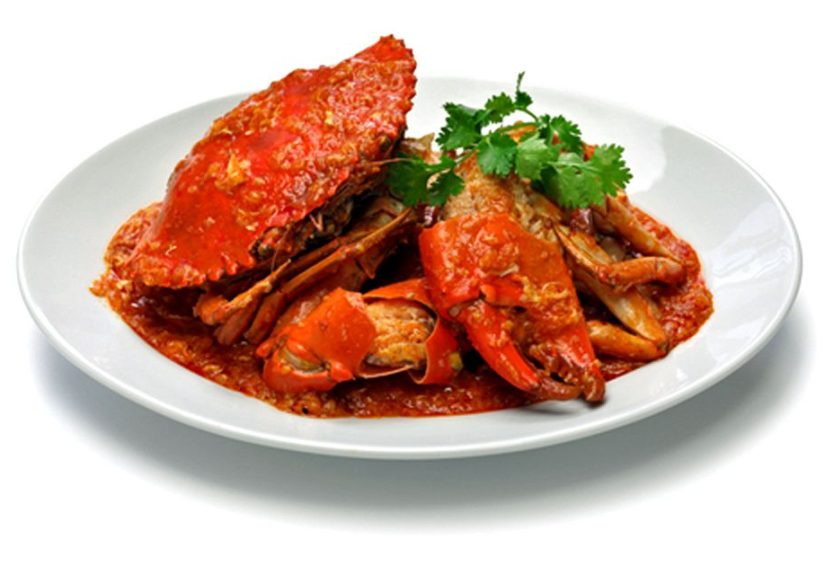
Think tender crab coated in a glossy chili-garlic sauce with fish sauce depth, tamarind zip, and a Thai-style flavor balance
that hits all the right notes: salty, sweet, sour, and spicy… in harmony, not in a screaming match.
The best part: you don’t need a restaurant wok the size of a satellite dish. You just need a big skillet, a willingness to get messy,
and enough napkins to make your paper towel holder feel emotionally supported.
What Makes This “Thai Chili Crab” (and Not Just “Crab With Regrets”)
Thai cooking is famous for balance. For this recipe, we build a sauce that’s:
- Spicy: fresh Thai chiles (or a more polite pepper if you prefer).
- Deep and savory: fish sauce + optional oyster sauce for umami.
- Tangy: tamarind paste and a final squeeze of lime.
- Sweet: palm sugar (or brown sugar in a pinch).
- Glossy and clingy: a quick cornstarch slurry so the sauce hugs the crab instead of sliding off like it’s late for a meeting.
A key shortcut (that doesn’t taste like a shortcut) is nam prik paoThai roasted chili jam.
It adds smoky-sweet heat plus aromatics (like garlic and shallots) in one spoonful. If you can find it, use it.
If not, I’ll show you a solid backup plan that still tastes like you know what you’re doing.
Ingredient Notes and Smart Shopping Tips
Pick Your Crab: Fresh, Cooked, or “Please Make My Life Easy”
- Best/easiest: pre-cooked whole crab (often Dungeness) or pre-cooked crab sections. You’ll just warm it in the sauce.
- Also great: crab legs (snow crab or king crab). Less messy cracking, still delicious.
- More hands-on: raw cleaned crab pieces from a seafood counter (ask them to clean and crack it for you).
Thai Pantry Stars (With Easy Substitutions)
- Nam prik pao (Thai chili jam): look in the Asian aisle or an Asian market. Sub below if needed.
- Fish sauce: your salty, savory backbone. Start smallyou can always add more.
- Tamarind paste: tangy, fruity sourness. (If you only have lime, use itbut tamarind gives that deeper “restaurant sauce” vibe.)
- Palm sugar: warm sweetness. Light brown sugar works well as a substitute.
Heat Level Reality Check
Thai bird’s eye chiles are tiny but dramatic. If you want “spicy but still able to taste food,” use fewer chiles or swap to serrano or jalapeño.
If you want “I have made choices and now I must live with them,” use bird’s eye chiles with seeds.
Deliciously Spicy Thai Chili Crab Recipe
Ingredients
For the Crab
- 2 to 2 1/2 lb crab (pre-cooked whole crab, cooked sections, or crab legs)
- Optional: 1–2 tbsp neutral oil (if your crab is very lean and you want extra gloss)
For the Thai Chili Sauce
- 2 tbsp neutral oil (avocado, canola, grapeseed)
- 6 cloves garlic, finely chopped
- 2 shallots, finely chopped
- 1 tbsp fresh ginger, grated (or finely minced)
- 2–6 Thai chiles, sliced (adjust to taste)
- 2 tbsp nam prik pao (Thai chili jam)
- 2 tbsp tomato paste or 3 tbsp ketchup (tomato paste = deeper; ketchup = sweeter)
- 1 1/2 tbsp fish sauce (plus more to taste)
- 1 tbsp oyster sauce (optional, for extra savory richness)
- 1 tbsp tamarind paste (or concentrate)
- 1–2 tbsp palm sugar (or light brown sugar), to taste
- 1/2 cup seafood stock or water
- 1/2 tsp white pepper (or black pepper)
To Thicken + Finish
- 1 tbsp cornstarch + 2 tbsp water (slurry)
- 1 egg, lightly beaten (optional but classic for silky body)
- 1–2 tbsp lime juice (finish to taste)
- Handful of cilantro, chopped
- Sliced scallions (optional, for crunch + color)
Optional “Make It Extra Thai” Add-Ins
- 1 stalk lemongrass, bruised and tied in a knot (simmer in sauce, remove before serving)
- 2–3 kaffir lime leaves (tear, simmer briefly, remove or leave for aroma)
- 1–2 tbsp Thai basil (stir in at the end)
Nam Prik Pao Substitute (If You Can’t Find It)
Mix together: 1 tbsp chili garlic sauce + 1 tsp tamarind paste + 1 tsp brown sugar + 1 tsp fish sauce.
It won’t be identical, but it gets you in the right neighborhoodand the neighbors are delicious.
Step-by-Step Instructions
1) Prep the Crab (So You’re Not Wrestling a Shell Mid-Sauce)
If using a pre-cooked whole crab, crack the legs and claws lightly (just enough to let sauce sneak in).
If using crab legs, crack them into manageable lengths. If using raw cleaned crab pieces, pat them dry.
2) Build the Flavor Base
Heat 2 tbsp oil in a large deep skillet or wok over medium heat. Add shallots and cook 1–2 minutes until softened.
Add garlic and ginger and cook about 30 seconds, stirring, until fragrant. Add sliced chiles and cook 30 seconds more.
3) Wake Up the Chili Jam (or Your Substitute)
Stir in nam prik pao and tomato paste (or ketchup). Cook 1 minute, stirring, so the sauce turns glossy and aromatic.
This quick “fry the paste” step is where flavor gets louderin a good way.
4) Season the Sauce: Salty, Sweet, Tangy
Stir in fish sauce, oyster sauce (if using), tamarind paste, sugar, stock (or water), and pepper.
Bring to a gentle simmer for 2 minutes. Taste carefully. You’re aiming for a bold sauce that’s slightly too intense on its own
because the crab will mellow it out.
5) Add Crab and Simmer
Add the crab to the pan and toss to coat. Cover and simmer:
- Pre-cooked crab: 4–6 minutes, just until hot throughout.
- Raw crab pieces: 10–12 minutes (or until the flesh is fully opaque and cooked through).
6) Thicken (So the Sauce Clings Like It Pays Rent)
Stir the cornstarch slurry, then drizzle it into the simmering sauce while stirring. Cook 30–60 seconds until glossy and slightly thick.
If using the egg, slowly drizzle in the beaten egg while gently stirringthis creates silky ribbons and adds body.
7) Finish Bright and Fresh
Turn off the heat. Add lime juice a little at a time until the sauce tastes lively. Stir in cilantro (and Thai basil if using).
Top with scallions. Serve immediatelypreferably with people you like, because you’re about to be loudly happy.
Flavor Analysis: How to Adjust This Sauce Like a Pro
If It’s Too Spicy
- Add 1–2 tsp more sugar.
- Add a splash of stock or water to dilute.
- Finish with extra lime and herbs (brightness can “lift” heat).
If It’s Too Salty
- Add a bit more tamarind (or lime) and a pinch of sugar to rebalance.
- Add more stock/water and simmer briefly.
If It’s Too Sweet
- Add more lime juice and a touch more fish sauce.
- Increase heat with fresh chiles or chili flakes.
If You Want “Restaurant-Style Depth”
- Add kaffir lime leaves or bruised lemongrass while simmering.
- Use tamarind paste (not just lime) for that rounded tang.
- Use nam prik pao for smoky-sweet complexity.
Serving Suggestions
- Jasmine rice (classic): it soaks up sauce like it was born for this job.
- Rice noodles: toss noodles with extra sauce for a slippery, spicy, glorious situation.
- Crunchy cucumber salad: cool + crisp balances the heat.
- Fried rolls or buns: not “traditional Thai,” but extremely effective for sauce cleanup (and happiness).
Pro tip: put a bowl on the table for shells. Otherwise, your table will become a crab shell museum exhibit by minute seven.
Make-Ahead, Storage, and Leftover Magic
Make-Ahead
You can make the sauce up to 2 days ahead and refrigerate it. Reheat gently, then add crab to warm through right before serving.
Storage
Store leftovers in an airtight container in the fridge for up to 2 days. Reheat gently on the stove.
(Microwaving is allowed, but stir often so the sauce doesn’t go “hot on the edges, cold in the middle.”)
Leftover Idea
Pick the remaining crab meat and toss it with warm rice, a fried egg, and a squeeze of lime. Congratulations: you just made next-day treasure.
Food Safety Notes (Quick but Important)
- Keep crab cold until cooking, and avoid cross-contamination with cutting boards and utensils.
- Cook seafood until fully done: fish and shellfish should reach safe doneness; crab meat should be opaque and properly cooked.
- When using pre-cooked crab, you’re reheatingwarm it thoroughly without overcooking so it stays tender.
FAQ
Can I use frozen crab?
Yes. Thaw overnight in the fridge, pat dry, and warm it gently in the sauce. Frozen pre-cooked crab is a solid weeknight option.
Do I have to use nam prik pao?
It’s not mandatory, but it’s a big flavor upgrade. If you can’t find it, use the substitute mix above and lean on garlic, tamarind, and fish sauce for depth.
Is this the same as Singapore chili crab?
It’s a cousin, not a twin. Singapore chili crab often leans more tomato-forward and frequently uses egg to thicken.
This version keeps a Thai-style balance, with optional aromatics like lemongrass and kaffir lime leaves and a chili-jam backbone.
How do I make it less messy?
You don’t. You embrace it. But crab legs are easier than a whole crab, and serving with rice in bowls helps.
Also: napkins. Many napkins.
Experience Notes: What It’s Like to Make (and Eat) Thai Chili Crab at Home
The first “experience” you’ll notice is the smellgarlic, shallots, and ginger hitting hot oil is basically the kitchen equivalent of a drumroll.
When the chili jam goes in, the aroma turns sweet-smoky and a little toasty, like your sauce just put on a leather jacket.
This is also the moment people wander in and ask, “What are you making?” as if they didn’t hear the sizzle from three rooms away.
The second experience is learning your own spice comfort zone in real time. Thai chiles can be sneakytiny pepper, huge personality.
A helpful home-cook move is to start with fewer chiles, taste the simmering sauce, and then add more if you want the heat to climb.
It’s easier to add spice than to subtract it (unless you’ve discovered time travel, in which case please use your powers for good).
Once the crab goes in, everything becomes gloriously tactile. Even if you serve it “nicely,” people quickly realize this dish is meant to be hands-on.
You crack a claw, sauce drips, you chase it with rice, you laugh, and suddenly it feels like a small celebration instead of just dinner.
If you’re cooking for friends or family, Thai chili crab is a low-effort way to make the meal feel like an eventbecause the food literally
requires participation. It’s interactive dining, minus the reservation and plus the comfort of your own couch.
There’s also a very real “sauce pride” moment. The cornstarch slurry turns the pan from soupy to glossy in seconds, and it’s oddly satisfying
like watching chaos organize itself. If you add the egg, you’ll notice the sauce becoming silkier and slightly richer, which is especially nice
if your crab is lean. A lot of home cooks find that the sauce tastes even better after it’s been simmering a few extra minutes, because the sweet,
salty, and sour notes settle into each other instead of shouting over one another.
The final experience is the aftermath: shells, napkins, and the happy silence that happens when everyone is too busy eating to talk.
Don’t fight the messplan for it. Put a “shell bowl” on the table, set out extra napkins, and maybe skip white clothing unless you enjoy living dangerously.
The reward is that last scoop of rice dragged through the remaining sauce, the one that tastes like garlic, tamarind, chili, and victory.
If you’re lucky, you’ll have enough leftover crab to pick for fried rice the next day. If you’re not lucky, you’ll still have the memoryand possibly
a faint chili tingle reminding you that you are alive.