Table of Contents >> Show >> Hide
- What Is Curology?
- How Does Curology Work?
- What Ingredients Are in Curology?
- Does Curology Actually Work?
- Who Is Curology Best For?
- Who Should Be Careful or Skip Curology?
- Curology Pricing: How Much Does It Cost?
- Pros and Cons of Curology
- Possible Side Effects
- How Long Does Curology Take to Work?
- Curology vs. Drugstore Acne Products
- Curology vs. Seeing a Dermatologist
- Realistic Experience: What Using Curology Can Feel Like
- Final Verdict: Is Curology Worth It?
- SEO Tags
If your bathroom shelf looks like a tiny skincare store having a nervous breakdown, Curology may sound like the calm adult in the room. Instead of guessing whether your breakout needs salicylic acid, benzoyl peroxide, tretinoin, azelaic acid, niacinamide, or a small miracle performed under flattering lighting, Curology offers a personalized prescription skincare formula reviewed by a licensed dermatology provider.
But here is the real question: does Curology work, or is it just another pretty bottle with good branding and a subscription button? The honest answer is: Curology can work well for many people, especially those with mild to moderate acne, clogged pores, uneven texture, dark spots, or early signs of aging. However, it is not magic, it is not instant, and it is not the best fit for every skin problem.
This in-depth Curology review breaks down how the service works, what ingredients may be included, how much it costs, who should consider it, who should skip it, and what real-life use can feel like after the excitement of “custom skincare” meets the reality of dry patches, patience, and sunscreen.
What Is Curology?
Curology is an online personalized skincare service that connects users with licensed medical providers who can prescribe customized topical treatments. The brand is best known for its Custom Formula Rx for acne, but it also offers related products for concerns such as clogged pores, texture, rosacea-related redness, dark spots, skin aging, body acne, and hair loss.
The basic idea is simple: you complete an online consultation, share your skin goals, answer questions about your medical history and current routine, upload photos, and then a provider reviews your information. If you are a good candidate, Curology creates a formula with active ingredients chosen for your skin concerns. The formula is then shipped to your home.
Curology is especially attractive to people who want access to prescription-strength skincare without scheduling a traditional in-person dermatology appointment. That convenience is a major selling point. So is the fact that one formula may combine several active ingredients, which can simplify a routine that has become more complicated than assembling IKEA furniture without the tiny wrench.
How Does Curology Work?
Curology works through a telehealth-style skincare process. While the exact experience can vary, most users follow a similar path.
Step 1: Take the Skin Quiz
You begin by answering questions about your skin concerns, skin type, breakouts, sensitivity, current products, lifestyle factors, and medical history. You may also be asked to upload clear photos of your face so your provider can assess your skin more accurately.
Step 2: Get Matched With a Provider
A licensed dermatology provider reviews your information. Depending on your state and needs, this provider may be a physician, physician assistant, or nurse practitioner. Curology uses the term “dermatology provider,” but users should understand that this does not always mean a board-certified dermatologist personally handles every case.
Step 3: Receive a Custom Formula
If Curology determines that treatment is appropriate, your provider may prescribe a custom formula. The acne-focused Custom Formula Rx can include three active ingredients in one bottle. These ingredients are selected based on your goals, such as reducing inflammatory acne, unclogging pores, fading dark spots, calming redness, or improving texture.
Step 4: Use It Consistently
Most prescription acne and texture treatments require consistency. Curology formulas are usually applied at night after cleansing, followed by moisturizer if needed. Sunscreen during the day is especially important if your formula includes a retinoid such as tretinoin, because retinoids can make skin more sensitive to sunlight.
What Ingredients Are in Curology?
Curology formulas are personalized, so not everyone receives the same blend. Common active ingredients may include tretinoin, azelaic acid, niacinamide, clindamycin, zinc pyrithione, metronidazole, ivermectin, tranexamic acid, and other prescription or nonprescription ingredients depending on the product and medical consultation.
Tretinoin
Tretinoin is a prescription retinoid often used for acne, clogged pores, uneven texture, fine lines, and sun-related skin changes. It can be highly effective, but it is also famous for the “retinoid adjustment period,” which may include dryness, peeling, redness, and irritation. In plain English: your skin may act dramatic before it gets its life together.
Azelaic Acid
Azelaic acid can help with acne, redness, inflammation, and post-acne marks. It is often considered a useful ingredient for people dealing with both breakouts and discoloration. It may still cause stinging, dryness, or irritation in some users, especially when combined with other active ingredients.
Niacinamide
Niacinamide is a form of vitamin B3 often used to support the skin barrier, reduce redness, improve uneven tone, and help with oiliness. It is one of the more well-tolerated skincare ingredients, which makes it a popular supporting player in custom formulas.
Clindamycin
Clindamycin is a topical antibiotic used for inflammatory acne. It can help reduce acne-causing bacteria and calm breakouts, but topical antibiotics should be used thoughtfully because of concerns about antibiotic resistance. This is one reason professional guidance matters.
Does Curology Actually Work?
For many people, yes, Curology can work. The strongest reason is that Curology uses ingredients that are already well established in acne and dermatology care. Topical retinoids, benzoyl peroxide, topical antibiotics, salicylic acid, and azelaic acid are all part of modern acne treatment discussions. Curology’s value is not that it discovered a secret moonbeam ingredient. Its value is convenience, personalization, and ongoing provider oversight.
That said, results depend on your skin concern, formula, consistency, tolerance, and expectations. Mild to moderate acne may improve noticeably within several weeks, but more stubborn acne can take two to three months or longer. Dark spots and texture changes often need even more patience. Fine lines and tone improvements are also long-game results, not “wake up tomorrow looking airbrushed by angels” results.
Who Is Curology Best For?
Curology may be a good fit if you have mild to moderate acne, frequent clogged pores, blackheads, whiteheads, post-acne marks, uneven tone, rough texture, or early signs of aging. It may also appeal to people who feel overwhelmed by drugstore skincare and want a simpler routine built around one main treatment.
It can be especially helpful for someone who has tried random over-the-counter products without a clear plan. Many acne routines fail not because the person is lazy, but because the routine is chaotic: harsh cleanser in the morning, exfoliating toner at lunch, drying spot treatment at night, and a clay mask whenever panic enters the chat. Curology can reduce that chaos by giving users a structured treatment plan.
Who Should Be Careful or Skip Curology?
Curology is not ideal for every situation. If you have severe cystic acne, painful nodules, rapidly worsening breakouts, scarring acne, suspected infection, or a complex skin condition, an in-person dermatologist may be a better first step. Online care has limits, especially when a provider cannot examine your skin physically.
People who are pregnant, trying to become pregnant, or breastfeeding should be especially careful with prescription skincare, particularly retinoids such as tretinoin. Anyone with very sensitive skin, eczema-prone skin, rosacea flares, allergies, or a history of strong reactions to actives should move slowly and communicate clearly with their provider.
Curology also does not treat acne patients under 13 years old, and minors generally require parental consent. Users should review eligibility rules before subscribing.
Curology Pricing: How Much Does It Cost?
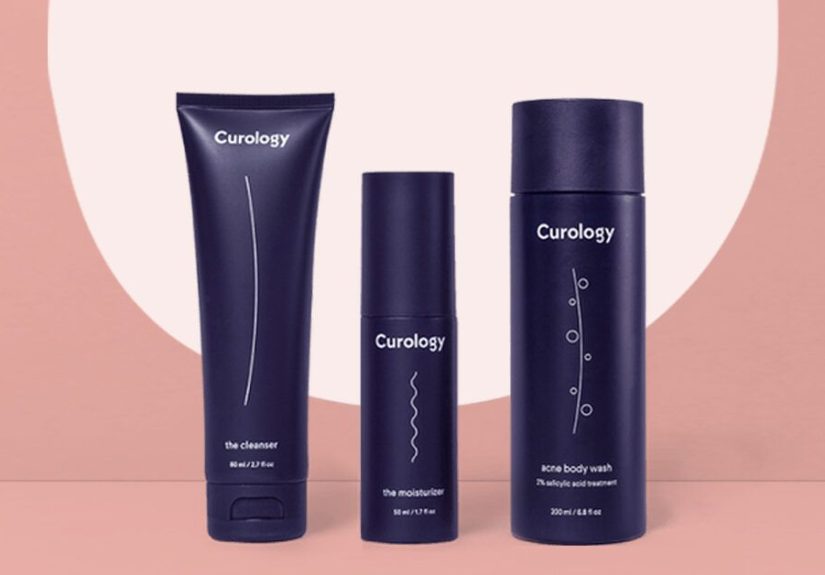
Curology pricing can change, but the Custom Formula Rx for acne is currently listed at $34.95 as a one-time purchase or $29.95 per month with a subscription. First-time subscriber offers may include a free first month where the user pays shipping and handling. Other products, such as cleansers, moisturizers, spot patches, body acne wash, sunscreen, and prescription treatments, may cost extra.
Some Curology products may be HSA or FSA eligible, but health insurance coverage is limited and should not be assumed. Before signing up, users should check the current billing structure, subscription terms, shipping schedule, and cancellation rules. This part matters. Skincare is fun; surprise charges are not.
Pros and Cons of Curology
Pros
- Personalized prescription formulas based on your skin goals and photos.
- Convenient online process without a traditional office visit.
- Evidence-supported ingredients such as tretinoin, azelaic acid, niacinamide, and clindamycin.
- One formula may replace several separate products.
- Good option for people who want a simpler acne routine.
- Provider messaging and formula adjustments may be available.
Cons
- Subscription billing can frustrate users who do not read the terms carefully.
- Some people experience dryness, peeling, purging, burning, or irritation.
- It may not be enough for severe or scarring acne.
- The provider is not always a board-certified dermatologist.
- Results require patience and consistent use.
- Insurance coverage is not the same as a traditional dermatologist visit.
Possible Side Effects
Curology side effects depend on the ingredients in your formula. Common issues may include dryness, peeling, redness, stinging, burning, increased sensitivity, or temporary worsening of breakouts. Tretinoin in particular can cause irritation during the first few weeks as skin adjusts.
A smart way to start is to use the formula exactly as directed, avoid adding extra exfoliants at the same time, moisturize generously, and wear sunscreen daily. If your face feels like it is auditioning to become a tortilla chip, contact your provider instead of powering through heroically. Skincare bravery is overrated; barrier repair is beautiful.
How Long Does Curology Take to Work?
Some users notice improvements within three to six weeks, especially with inflammatory acne. However, many prescription acne treatments need eight to twelve weeks for a fair evaluation. Dark spots, clogged pores, and texture may take longer. If tretinoin is included, early dryness or purging may happen before visible improvement.
The best way to judge results is to take photos in the same lighting every two weeks. Your mirror is emotional. Photos are less dramatic. They can show gradual improvement you might miss day to day.
Curology vs. Drugstore Acne Products
Drugstore acne products can absolutely work. Benzoyl peroxide, adapalene, salicylic acid, gentle cleansers, and noncomedogenic moisturizers are widely available and often effective. The difference is that Curology creates a provider-reviewed formula that may combine prescription and nonprescription ingredients in one customized product.
If your acne is mild and responds well to affordable over-the-counter options, you may not need Curology. But if you have tried several products without a clear plan, or if you want access to prescription tretinoin or a tailored combination, Curology may be worth considering.
Curology vs. Seeing a Dermatologist
An in-person dermatologist offers a fuller medical evaluation and may be better for severe acne, scarring, cysts, complex rashes, suspicious lesions, or cases requiring oral medication, lab monitoring, injections, or procedures. Curology is more convenient but less comprehensive.
Think of Curology as a strong middle option: more personalized than wandering the skincare aisle alone, but not a complete replacement for a dermatologist when your skin needs hands-on medical care.
Realistic Experience: What Using Curology Can Feel Like
The first week of Curology often feels exciting. You take the quiz, upload your photos, get your formula, and think, “This is it. My skin era begins now.” The bottle arrives, the packaging looks clean, and the routine seems refreshingly simple. Cleanse, apply treatment, moisturize, sleep. Compared with a ten-step routine, it feels almost suspiciously easy.
Then week two may arrive with some attitude. If your formula includes tretinoin or another strong active, your skin might feel dry, tight, or slightly flaky. You may wonder whether it is working or whether your face has quietly filed a complaint. This is where many users make the classic mistake: they panic and add more products. A scrub. A mask. A toner. A “calming” serum with seventeen botanical extracts and the personality of a scented candle. Usually, this makes things worse.
A better experience comes from keeping the routine boring. A gentle cleanser, your Curology formula as directed, moisturizer, and sunscreen are usually enough. The boring routine is not glamorous, but skin often loves boring. Boring is stable. Boring pays taxes. Boring does not exfoliate three times in one evening because TikTok said so.
By weeks four to eight, some people begin seeing fewer inflamed pimples, smoother texture, and less oiliness. Others need a formula adjustment. That is one of Curology’s strengths: you can communicate with your provider and explain what is happening. If your skin is irritated, your provider may suggest using the formula less often, applying moisturizer first, changing ingredients, or adjusting strength.
The experience is not perfect. Some users love the convenience and results, while others complain about subscription timing, unexpected billing, shipping issues, or formulas that did not suit their skin. The product can be personalized, but the business model still requires attention. Before subscribing, mark your renewal date, understand the cancellation window, and avoid treating the trial like a free sample with no strings attached.
In real life, Curology works best for the person who is consistent, patient, and willing to follow instructions. It works less well for the person who wants overnight results, uses five extra actives “just in case,” forgets sunscreen, and cancels one hour before the next shipment while yelling at their inbox. The formula matters, but behavior matters too.
A realistic Curology journey may include small wins before big ones: fewer angry pimples, less picking, calmer redness, easier makeup application, or fewer emergency spot treatments. These changes can feel subtle at first, but they add up. Clear skin is not always a lightning strike. Sometimes it is a slow, quiet negotiation between your pores, your provider, and your ability to stop buying every serum with a 4.7-star rating.
Final Verdict: Is Curology Worth It?
Curology is worth considering if you want personalized acne treatment, access to prescription-strength ingredients, and a simpler routine guided by a licensed provider. It is not perfect, and it is not the right solution for everyone, but the concept is solid: combine proven active ingredients, personalize the formula, and support the user with ongoing care.
For mild to moderate acne, clogged pores, uneven texture, and post-acne marks, Curology may be a practical and effective option. For severe acne, painful cysts, scarring, pregnancy-related concerns, or complicated skin conditions, an in-person dermatologist is still the better move.
The bottom line: Curology can work, but it works best when expectations are realistic. Give it time, protect your skin barrier, use sunscreen, communicate with your provider, and read the subscription terms before your future self sends your present self an angry email.