Table of Contents >> Show >> Hide
- Non-Hodgkin’s Lymphoma 101 (A Quick Refresher)
- What Is Curcumin, Exactly?
- What the Science Suggests (and What It Doesn’t)
- The Big Speed Bump: Absorption (Bioavailability) Is a Mess
- Potential Benefits People Hope For (and How to Think About Them)
- Safety First: Curcumin Can Interact With Treatment
- So… Does It Help Non-Hodgkin’s Lymphoma?
- How to Talk to Your Oncology Team (Without Feeling Awkward)
- Bottom Line
- Experiences People Commonly Share About Curcumin and NHL (A 500-Word Reality Check)
- Experience #1: “I just wanted something I could control.”
- Experience #2: “My team said ‘Maybe food is fine, but skip the capsules.’”
- Experience #3: “It upset my stomach… and I already had enough going on.”
- Experience #4: “I got overwhelmed by labels and stopped.”
- Experience #5: “The best ‘supplement’ ended up being honest communication.”
If you’ve ever looked up “curcumin” online, you’ve seen the headlines that make it sound like turmeric’s
bright-yellow compound is basically a tiny superhero in your spice rack. And if you or someone you love
is dealing with non-Hodgkin’s lymphoma (NHL), it’s completely understandable to wonder: “Is this something
that could actually help… or is it just internet confetti?”
Let’s do the responsible-but-not-boring thing: separate what curcumin might do in a lab from what it
has proven to do in people with NHL. We’ll talk about the science, the hype traps, safety issues (yes,
“natural” can still be complicated), and how to have a smart conversation with your oncology team.
Non-Hodgkin’s Lymphoma 101 (A Quick Refresher)
Non-Hodgkin’s lymphoma is a group of blood cancers that start in lymphocyteswhite blood cells that help
your immune system fight infections. “NHL” isn’t one single disease; it’s an umbrella term covering many
subtypes, including common ones like diffuse large B-cell lymphoma (DLBCL) and follicular lymphoma.
Why subtype matters for the curcumin question
Treatments for NHL can vary widely based on subtype, stage, symptoms, and how fast the lymphoma is growing.
Options may include watchful waiting (for some slow-growing cases), chemotherapy, immunotherapy, targeted
therapy, radiation, stem cell transplant, and newer approaches like CAR T-cell therapy in certain settings.
That variety is exactly why a one-size-fits-all supplement claim is… let’s say “optimistic.”
What Is Curcumin, Exactly?
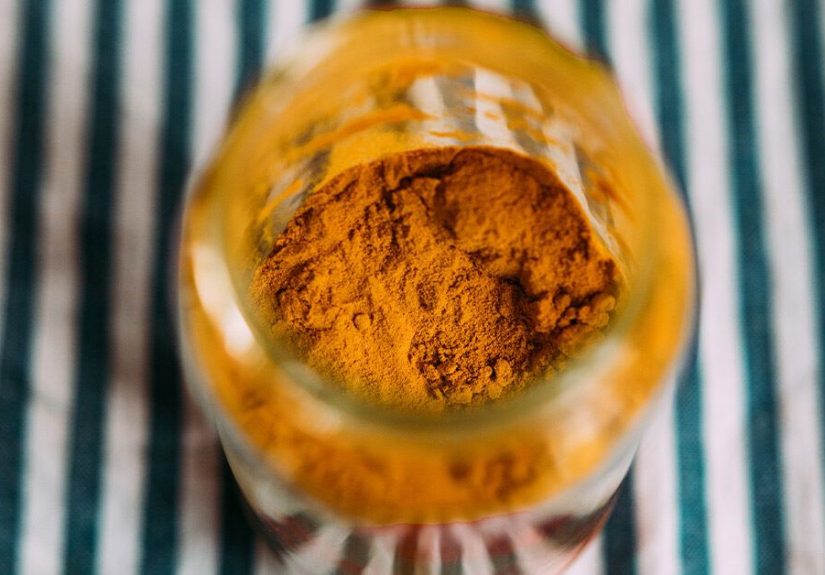
Turmeric is a spice (hello, curry nights). Curcumin is one of the key compounds found in turmeric, often
credited for turmeric’s anti-inflammatory and antioxidant reputation. In supplements, curcumin is typically
concentrated and packaged in ways meant to improve absorption.
Curcumin vs. turmeric: not the same vibe
Using turmeric in food generally gives you smaller amounts of curcumin. Supplements can deliver much higher
amountsalong with a higher chance of side effects, drug interactions, and quality-control issues. So when
people ask “Does turmeric help lymphoma?” what they often mean is “Does high-dose curcumin, in a capsule,
do something meaningful for cancer outcomes?” That’s a much tougher question.
What the Science Suggests (and What It Doesn’t)
1) Lab research is intriguing… but it’s not the same as clinical proof
In test tubes and animal studies, curcumin has shown the ability to influence multiple cell pathways involved
in inflammation, cell growth, and cell death. Researchers have reported effects on signaling systems with
names that sound like Wi-Fi passwords (NF-κB, STAT3, mTOR, and friends). In some lymphoma cell models, curcumin
has been studied for its potential to slow proliferation, trigger apoptosis (programmed cell death), and
alter survival signals.
That’s the “could be interesting” part. The “pause for reality” part is that many compounds look impressive
in petri dishes and then fail to help in peoplebecause the body is not a petri dish, and cancer is not a
simple on/off switch.
2) Human evidence for curing or controlling NHL is not there
When it comes to treating cancer, major evidence summaries and cancer centers consistently
land in the same place: clinical evidence is limited, mixed, and not strong enough to recommend curcumin as
a cancer treatment or a reliable add-on to standard therapy. Some early-phase trials in different cancers
have explored curcumin-containing products for biomarkers, tolerability, or symptom-related outcomes, but that
does not equal “it treats lymphoma.”
3) There may be a role in symptom supportbut it’s not guaranteed
Where curcumin gets more realistic (and less superhero) is the possibility of supporting certain
treatment-related side effects. Some small studies in broader cancer settings have investigated curcumin
formulations for things like oral mucositis (mouth irritation) or radiation-related skin irritation. These
findings are still early and not a universal recommendation, but they hint at a more plausible lane:
quality-of-life support rather than direct anti-lymphoma therapy.
The Big Speed Bump: Absorption (Bioavailability) Is a Mess
Curcumin has a famous problem: your body doesn’t absorb plain curcumin very well, and it’s metabolized
quickly. Translation: you can swallow a capsule and still end up with relatively low levels in the bloodstream.
This is why supplement companies use “enhanced bioavailability” formulationsthings like liposomal curcumin,
phytosome complexes, nanoparticles, or curcumin combined with piperine (from black pepper).
More absorption isn’t automatically better
Improving absorption might increase the chance of a biological effectbut it can also increase the chance of
side effects and interactions. Some safety reports have linked certain high-absorption formulations to rare
cases of liver injury. So “stronger” is not always “safer,” and “more bioavailable” is not the same as
“clinically proven.”
Potential Benefits People Hope For (and How to Think About Them)
Inflammation and oxidative stress: the “supportive care” angle
Curcumin is often discussed for its anti-inflammatory properties. In theory, reducing inflammatory signaling
could help with comfort, appetite, and general well-beingespecially when someone is coping with the fatigue
and stress that can accompany cancer and treatment. The key word is “supportive.” Even if inflammation is
reduced, that doesn’t prove lymphoma is being controlled.
Immune system “boosting”: be careful with that phrase
“Boost immunity” sounds great on a label, but the immune system isn’t a gym where you just add more reps.
With lymphoma, the immune system is part of the story in complicated ways. Some cancer treatments rely on
immune activity; others can suppress it temporarily. Any supplement marketed as an immune booster deserves
extra skepticismespecially if you’re in active treatment.
Direct anti-cancer effect: the evidence gap
The honest, evidence-based summary is: there’s no solid clinical proof that curcumin treats
non-Hodgkin’s lymphoma or improves survival. Preclinical research is not nothingbut it’s not enough
to replace or “upgrade” standard care. If a headline claims otherwise, it’s selling excitement, not certainty.
Safety First: Curcumin Can Interact With Treatment
This is the part where we trade vibes for responsibility. Curcumin may affect enzymes involved in drug
metabolism (including cytochrome P450 pathways), and some cancer centers caution that turmeric/curcumin may
interact with certain chemotherapy drugs. There are also concerns about bleeding risk when combined with
blood thinners or other medications affecting clotting.
Common cautions to discuss with your clinician
-
Chemotherapy and targeted therapy interactions: Some therapies may be affected by changes
in metabolism or transport in the body. The direction of the interaction (more/less drug effect) can vary,
which is exactly why guessing is not a plan. -
Blood thinning and bleeding risk: High-dose turmeric/curcumin may increase bleeding risk,
especially with anticoagulants/antiplatelet drugs. -
Liver concerns: Rare cases of liver injury have been reported, particularly with certain
high-bioavailability products. Any symptoms like fatigue, poor appetite, dark urine, or yellowing of skin/eyes
should be treated as “call your clinician now,” not “wait and see.” -
GI side effects: Nausea, reflux, stomach upset, diarrhea, or constipation can happensometimes
at exactly the moment you least need bonus nausea in your life. -
Gallbladder and kidney issues: People with gallbladder problems or a history of stones should
be cautious with concentrated supplements.
Quality control: not all turmeric products are created equal
Supplements are not regulated like prescription drugs. That means potency can vary, labels can be confusing,
and contamination is a real concern. There have been documented cases of turmeric products containing unsafe
levels of contaminants (including heavy metals in some contexts). If you and your clinician decide curcumin is
reasonable for you, third-party testing (USP, NSF, or similar) becomes a practical safety filter.
So… Does It Help Non-Hodgkin’s Lymphoma?
Here’s the straight answer with no drama and no doom:
-
As a lymphoma treatment: Not proven. There isn’t adequate clinical evidence that curcumin
treats NHL or changes key cancer outcomes. -
As supportive care: Possibly helpful for some people in some situations (like certain
inflammation-related discomforts), but evidence is limited and not universal. -
As a “safe” supplement during treatment: Not automatically. Interactions and side effects
are real, and timing with therapy matters.
The most evidence-based mindset
Think of curcumin as a research-active compound with potential supportive rolesnot a replacement for
evidence-based lymphoma therapy. If it’s used, it should be used thoughtfully, with your oncology team aware,
and with safety precautions that match your specific treatment plan and medical history.
How to Talk to Your Oncology Team (Without Feeling Awkward)
If you’re considering curcumin, bring it up the same way you’d bring up any medication questioncalmly and
with specifics. Your care team has heard it all. (Yes, including “I saw it on TikTok.”)
A practical checklist for the appointment
- Write down the exact product name, formulation, and label ingredients (especially “enhanced absorption” claims).
- Share your full list of meds and supplements, including over-the-counter pain relievers and herbs/teas.
- Ask: “Could this interact with my chemo/immunotherapy/targeted therapy or affect bleeding risk?”
- Ask whether food-based turmeric is fine even if high-dose supplements aren’t.
- Ask what symptoms should trigger stopping the supplement and calling the clinic.
Bottom Line
Curcumin is one of the most studied natural compounds in cancer research, and lab results are interesting.
But for non-Hodgkin’s lymphoma, the clinical evidence isn’t strong enough to say it treats the disease.
Where curcumin may have a more realistic role is in supportive care for some peopleif it’s safe with
their treatment plan and medical profile. The smartest move is teamwork: curiosity plus your clinician’s
guidance beats solo supplement experiments every time.
Experiences People Commonly Share About Curcumin and NHL (A 500-Word Reality Check)
Because research doesn’t always answer the everyday questions“How did this feel?” “Was it worth trying?”
“Did it mess with anything?”people often turn to lived experiences. While personal stories can’t prove what
works, they can highlight patterns that are useful when you’re making safe decisions with your care team.
Below are some common experiences patients and caregivers report when curcumin comes up in the NHL
conversation.
Experience #1: “I just wanted something I could control.”
A frequent theme is the desire for agency. NHL treatment can feel like a schedule run by lab results, infusion
appointments, and phone alerts. Some people explore curcumin not because they believe it’s a cure, but because
it feels like a small, proactive stepsomething they can choose. Often, this looks like adding turmeric to
meals or asking about a supplement after reading about inflammation and antioxidants.
The best outcomes of this mindset usually happen when the person keeps expectations realistic: “This is for
overall wellness” rather than “This will shrink my lymphoma.” When the goal is comfort and routine, the choice
can feel groundinglike turning chaos into a grocery list. (Not magic. Just human.)
Experience #2: “My team said ‘Maybe food is fine, but skip the capsules.’”
Many people report a similar response from clinicians: culinary turmeric is generally acceptable, but
high-dose curcumin supplements may be discouraged during active treatment due to interaction concerns.
Patients sometimes feel disappointeduntil they understand that the “no” isn’t about turmeric being “bad,”
but about uncertainty. When your therapy is carefully dosed, adding something that may alter metabolism or
bleeding risk can be like changing the recipe mid-bake and hoping the cake still rises.
Experience #3: “It upset my stomach… and I already had enough going on.”
A very practical report: gastrointestinal side effects. Some people try curcumin and notice reflux, nausea,
or loose stools. That can be especially frustrating during chemotherapy, when appetite and digestion may
already be fragile. A pattern here is that “more concentrated” products are more likely to cause problems,
and “enhanced absorption” formulations can feel stronger in both directionspossible benefits and possible
side effects.
Experience #4: “I got overwhelmed by labels and stopped.”
People often describe supplement shopping as a mini boss fight: curcumin vs. turmeric, curcuminoids,
bioavailability claims, black pepper extract, proprietary blends, “clinical strength,” and a price range that
goes from “reasonable” to “did this bottle come with a free car?” That confusion leads many to pause and
prioritize safer integrative optionsnutrition, gentle movement, sleep strategies, stress reduction, and
symptom-focused supportive carebecause those have clearer benefit-to-risk profiles.
Experience #5: “The best ‘supplement’ ended up being honest communication.”
One of the most consistently helpful experiences is simply telling the oncology team the full supplement list.
Some patients say they hadn’t planned to mention curcumin because it felt minoruntil a nurse or pharmacist
asked directly. When it’s on the record, the care team can watch for interactions, timing issues, and lab
changes more confidently. In other words: the most powerful integrative move isn’t always a capsule. Sometimes
it’s a conversation.
If you take one thing from these experiences, let it be this: curiosity is valid, but safety and coordination
matter more than hype. Curcumin isn’t “never,” and it isn’t “definitely.” It’s “let’s check,” “let’s time it
wisely,” and “let’s keep the main treatment the main treatment.”