Table of Contents >> Show >> Hide
- What Makes These Vegetarian Thai Egg Rolls Special?
- Ingredients for Crunchy Vegetarian Thai Egg Rolls
- Step-by-Step: How to Make Crunchy Vegetarian Thai Egg Rolls
- Serving Ideas and Variations
- How to Make Egg Rolls Stay Crispy
- Make-Ahead, Freezing, and Reheating Tips
- Extra : Real-World Experience With Vegetarian Thai Egg Rolls
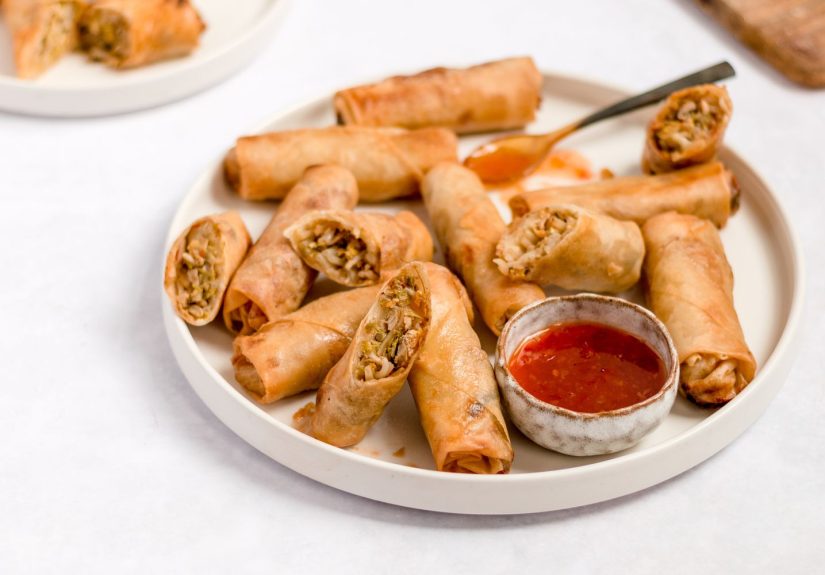
If you love the crispy crackle of a fresh egg roll but want something lighter, meat-free, and full of bright Thai flavor, you’re in the right kitchen. These crunchy vegetarian Thai egg rolls pack in garlicky veggies, chewy glass noodles, and a zippy lime–soy sauce, all wrapped in a golden shell that actually stays crisp. Add a side of sweet chili or peanut sauce and you’ve basically turned “snack time” into a personality trait.
This recipe pulls ideas from classic Thai spring rolls and American-style takeout egg rolls, then gives them a vegetarian twist. You’ll learn how to build a flavorful filling, wrap like a pro, and fry (or bake) them so they’re shatter-crisp on the outside and tender insidewithout turning greasy or soggy.
What Makes These Vegetarian Thai Egg Rolls Special?
Traditional Thai egg rolls often include pork or shrimp, plus glass noodles, cabbage, and a sweet-savory sauce. For this vegetarian version, we keep the textures and Thai-inspired flavors but swap the meat for a hearty combo of mushrooms, veggies, and noodles. The result is:
- Ultra crunchy on the outside, thanks to proper oil temperature and a light wrapper seal.
- Umami-packed without meat, using mushrooms, soy sauce, and a vegetarian fish sauce or extra soy.
- Bright and zesty from lime juice, garlic, and optional fresh chili.
- Versatile enough to deep-fry, air-fry, or bake with great results.
They’re perfect as an appetizer, game-day snack, party finger food, or even a light meal when paired with a salad or bowl of jasmine rice.
Ingredients for Crunchy Vegetarian Thai Egg Rolls
Stir-Fry Sauce
Whisk these together in a small bowl before you start cooking:
- 2 tablespoons vegetarian fish sauce or soy sauce (for a fully vegan option)
- 1 tablespoon additional soy sauce (low-sodium preferred)
- 1 tablespoon freshly squeezed lime juice
- 1 teaspoon sugar (granulated or light brown)
- 1/2 teaspoon white pepper (or black pepper in a pinch)
- 1 teaspoon cornstarch (helps thicken and cling to the filling)
Vegetable & Noodle Filling
- 1 tablespoon neutral oil (canola, vegetable, or peanut) for stir-frying
- 3 cloves garlic, finely minced
- 1 small red or green chili, finely chopped (optional, for heat)
- 2 cups finely shredded green cabbage (a bagged coleslaw mix works great)
- 1 cup shredded carrots
- 1 cup bean sprouts, rinsed and drained well
- 1 cup fresh mushrooms, finely chopped (shiitake, cremini, or oyster)
- 2 green onions, finely sliced
- 1/2 cup soaked and chopped glass noodles (mung bean or rice vermicelli)
- 2 tablespoons chopped fresh cilantro
- 2 tablespoons chopped Thai basil or regular basil (optional but highly recommended)
- 1 teaspoon sesame oil (added at the end for aroma)
- Pinch of salt, to taste
Wrappers & Frying
- 1 (16-ounce) package egg roll wrappers, thawed if frozen
- 2 tablespoons cornstarch mixed with 3 tablespoons water (for sealing)
- Oil for frying (about 3–4 cups, depending on pan size)
Suggested Dipping Sauces
Serve one or a combo to make your snack spread feel restaurant-worthy:
- Thai sweet chili sauce
- Creamy Thai peanut sauce
- Tamarind dipping sauce or sweet-sour chili-lime sauce
- Simple soy-lime dipping sauce with a sprinkle of chili flakes
Step-by-Step: How to Make Crunchy Vegetarian Thai Egg Rolls
1. Prep the Noodles and Veggies
- Soak the noodles: Place glass noodles in a bowl and cover with hot water. Let sit for 5–10 minutes until soft. Drain, pat dry, and roughly chop into shorter strands so they’re easier to bite through.
- Prep the veggies: Shred the cabbage and carrots (or use coleslaw mix). Finely chop the mushrooms, green onions, herbs, and optional chili. The more evenly you chop everything, the better the filling texture will be.
2. Cook the Filling
- Heat the pan: In a large wok or skillet over medium-high heat, add the tablespoon of neutral oil.
- Sauté aromatics: Add minced garlic and chopped chili. Stir for 30 seconds, just until fragrant, but don’t let the garlic burn.
- Add mushrooms: Stir in the chopped mushrooms and cook for 2–3 minutes until they release moisture and start to brown. This step builds savory depth that replaces meat.
- Add crunchy vegetables: Toss in cabbage and carrots. Stir-fry for 2–3 minutes until just slightly wilted but still bright. Add bean sprouts and green onions and cook 1–2 minutes more.
- Season with sauce: Give the sauce a quick stir (the cornstarch tends to settle), then pour it over the vegetables. Stir constantly for 1–2 minutes until the mixture looks glossy and any excess liquid thickens and clings to the veggies.
- Finish with noodles and herbs: Stir in the chopped glass noodles, cilantro, and Thai basil. Turn off the heat and drizzle in the sesame oil. Taste and adjust with a pinch of salt, extra lime, or a splash more soy if needed.
- Cool the filling: Spread the mixture on a tray or large plate and let it cool to room temperature. A warm filling is fine, but a hot filling will steam inside the wrapper and make your egg rolls soggy.
3. Wrap the Egg Rolls
- Set up your station: Place the cooled filling, egg roll wrappers, cornstarch slurry, and a clean plate or tray next to each other.
- Position the wrapper: Lay one wrapper on a clean surface in a diamond shape (one tip facing you).
- Add filling: Spoon 2–3 tablespoons of the vegetable mixture in a horizontal line near the bottom third of the wrapper, leaving some space on each side.
- Fold and roll: Fold the bottom tip up over the filling, then fold in the left and right sides like an envelope. Continue rolling away from you, keeping it snug but not so tight that the wrapper tears.
- Seal: Brush the top corner with cornstarch slurry and finish rolling. This creates a tight, leak-resistant seal that helps keep oil out while frying.
- Repeat: Continue with the remaining wrappers and filling. Cover finished rolls lightly with a clean kitchen towel to prevent drying out.
4. Fry for Maximum Crunch
- Heat the oil: In a deep pot or heavy skillet, heat oil to about 350°F (175°C). If you don’t have a thermometer, test with a small scrap of wrapperit should bubble vigorously but not burn instantly.
- Fry in batches: Add 3–4 egg rolls at a time, making sure not to crowd the pan. Fry for 3–5 minutes, turning occasionally, until evenly golden brown and crisp.
- Drain properly: Transfer fried rolls to a wire rack set over a baking sheet. Avoid piling them on paper towels, which can trap steam and soften the bottoms. A rack lets excess oil drip away while staying crisp.
- Keep warm: If making a big batch, keep finished egg rolls in a low oven (about 200°F / 95°C) on the rack while you fry the rest.
5. Baking or Air-Frying Option
If you prefer a lighter option, you can still get a good crunch:
- Bake: Brush rolls lightly with oil, place on a parchment-lined baking sheet, and bake at 400°F (200°C) for 15–20 minutes, turning once, until golden and crisp.
- Air-fry: Lightly spray or brush rolls with oil, then air-fry at 375°F (190°C) for 10–12 minutes, flipping halfway through.
Serving Ideas and Variations
These vegetarian Thai egg rolls are incredibly flexible. Here are some fun ways to serve and customize them:
- Party platter: Cut each egg roll in half on a diagonal and serve upright with small bowls of sweet chili and peanut sauce.
- Full meal: Serve 3–4 egg rolls per person with jasmine rice or a crunchy Thai-style salad.
- Extra veggies: Add finely chopped bell pepper, baby corn, or water chestnuts for more color and crunch.
- Vegan version: Use soy sauce instead of vegetarian fish sauce and check that your wrappers contain no egg if you need fully vegan rolls.
- Spice it up: Add more fresh chili, a sprinkle of chili flakes, or a drizzle of sriracha into the filling.
How to Make Egg Rolls Stay Crispy
A crispy shell that stays crunchy even after a short rest is the dream. Here’s how to make that happen:
- Cook out moisture: When you stir-fry the filling, keep cooking until excess liquid evaporates. Watery filling equals soggy egg rolls.
- Cool the filling: Hot, steaming filling inside a wrapper will create condensation and soften everything from the inside out.
- Maintain oil temperature: Aim for 350°F (175°C). If the oil is too cool, the rolls absorb oil instead of crisping. Too hot, and the wrappers brown before the filling heats through.
- Drain on a rack: This simple step makes a big difference. Air circulation prevents soggy bottoms.
- Don’t cover right away: Trapping steam under foil or a lid will soften the crispy shell. Let them sit uncovered for a bit before tenting lightly if you need to hold them.
Make-Ahead, Freezing, and Reheating Tips
One of the best things about egg rolls is that you can prep them in advance and fry or reheat as needed.
To Make Ahead (Uncooked)
- Roll the egg rolls as directed and place them in a single layer on a parchment-lined baking sheet.
- Freeze until solid, then transfer to a freezer bag or airtight container.
- Fry straight from frozen, adding 1–2 minutes to the cooking time, or bake/air-fry from frozen until hot and crisp.
To Store Leftovers (Cooked)
- Let cooked egg rolls cool completely on a rack.
- Store in an airtight container in the fridge for up to 3 days.
Best Way to Reheat
- Oven or toaster oven: Reheat at 375–400°F (190–200°C) for 8–10 minutes, flipping once. This brings back much of the original crunch.
- Air fryer: Reheat at 350–375°F (175–190°C) for 5–8 minutes.
- Avoid microwaving alone: If you must microwave, follow it with a quick blast in a hot oven or air fryer to crisp the wrapper again.
Extra : Real-World Experience With Vegetarian Thai Egg Rolls
Once you’ve made this recipe a couple of times, you’ll realize that egg rolls aren’t just a dishthey’re an event. They’re the kind of project that invites people to gather around the kitchen, pick up a wrapper, and start rolling while everyone chats, taste-tests the filling, and argues over which dipping sauce is superior.
One thing you’ll notice quickly is how forgiving the recipe is. The first time you make them, you might stuff them a little too full (egg rolls on leg day, basically). Maybe a wrapper tears, or one of them bursts slightly while frying. That’s normal. The more you roll, the more you naturally learn how much filling each wrapper can handle and how tightly you can roll without pushing your luck. By the second or third batch, your rolls will look like they came from a restaurantonly better, because you know exactly what’s inside.
Another small but game-changing detail is the texture. The mix of soft noodles, tender mushrooms, and crunchy cabbage and carrots makes each bite more interesting than a plain veggie roll. If you’re feeding people who think “vegetarian” means “boring,” these egg rolls are an easy way to convert them. The flavors don’t scream “meatless substitute”they just taste like really good Thai-inspired food.
Hosting a party? Turn this recipe into an interactive bar. Prep the filling ahead of time and keep it chilled. Set out wrappers, a little bowl of cornstarch slurry, and a tray covered with parchment. Show guests how to roll one or two, then let them make their own. Kids especially love this part, and their slightly lopsided creations always end up being the ones people remember (“This one is shaped like a tiny burrito, who made this?”).
From a practical standpoint, freezing is your best friend. On a quiet weekend, you can double the recipe, roll a bunch of egg rolls, and freeze them uncooked. Later, when a craving hits or guests show up, you can go from freezer to hot, crispy snack in around 15–20 minutes. It’s like having your own personal stash of vegetarian Thai appetizers ready at all times, without any mystery ingredients.
If you’re health-conscious or just trying to cut back on deep-frying, the air fryer gives surprisingly good results. The texture is a little different from classic deep-fried rolls, but still crispy and satisfying. Lightly brushing the rolls with oil before air-frying makes a big differencethey brown more evenly and feel less “dry diet food” and more “legit snack.”
You’ll also start to develop your own favorite combinations. Maybe you’ll add finely chopped baby corn, use purple cabbage for extra color, or throw in a handful of thinly sliced bell pepper. Some people like to add a touch of curry powder or a spoonful of chili garlic sauce to the filling for a bigger punch. Once you’re comfortable with the base recipe, tweaking it becomes half the fun.
Finally, there’s the dipping sauce situation. Sweet chili sauce is the usual go-to, but a creamy peanut sauce can turn these egg rolls into something almost meal-like, especially if you’re serving them with rice and veggies. A simple soy-lime dip with garlic and chili is bright and sharpperfect when you want something lighter. Rotating through different sauces keeps the recipe fresh, so you can serve the same egg rolls at different gatherings and they never feel repetitive.
At the end of the day, what makes this crunchy vegetarian Thai egg roll recipe so special is that it checks a lot of boxes at once: it’s comforting but not heavy, familiar but still exciting, meat-free without feeling like a compromise, and flexible enough to fit whatever tools and time you have. Whether you’re cooking for a crowd or just making a small batch to enjoy with a movie, these egg rolls have a way of turning an ordinary evening into something just a little bit celebratory.