Table of Contents >> Show >> Hide
- Why Concrete Belongs in the Bathroom (Yes, Really)
- Concrete Sink Roundup: Types, Vibes, and Best-Use Scenarios
- Concrete Tub Roundup: Soaking in Sculpture
- Finish, Patina, and the “Living Surface” Reality
- Care and Maintenance: How to Keep Concrete Looking Expensive (Not Exhausted)
- Design Pairings That Make Concrete Sinks and Tubs Shine
- Buying Guide: What to Ask Before You Click “Add to Cart”
- Cost Reality Check: Where Concrete Usually Lands
- Troubleshooting: Common Problems and How People Fix Them
- Conclusion: Is Concrete Right for Your Sink or Tub?
- Real-World Experiences: What It’s Like Living With a Concrete Sink or Tub (About )
Concrete in the bathroom is the design equivalent of showing up to a dinner party in a perfectly tailored suit… made out of a material normally used for sidewalks. It’s bold. It’s architectural. It’s weirdly elegant. And yes, it can be totally practicalif you understand what you’re signing up for.
This roundup breaks down what makes concrete sinks and tubs so appealing, what can go wrong (and how to avoid it), which styles work best in real homes, and how to keep your investment looking intentional instead of “abandoned construction site chic.”
Why Concrete Belongs in the Bathroom (Yes, Really)
Concrete is basically the ultimate “choose your own adventure” material. It can be cast into crisp minimalist rectangles, soft organic bowls, or dramatic soaking tubs that look like they were carved out of a modern art museum. Because it’s molded, not mined, you can get shapes and proportions that are hard (or wildly expensive) in stone.
In bathrooms specifically, concrete has a few superpowers:
- Design flexibility: vessel basins, integrated sink-and-counter slabs, trough sinks, pedestal forms, and sculptural tubs.
- Finish range: matte, satin, honed, “soft-touch,” lightly textured, or polished (each with different maintenance realities).
- Color options: natural gray, warm greige, charcoal, bone, blush, and custom pigmentsplus variation that makes each piece feel unique.
- Heat retention (in the right form): thick-walled concrete tubs can help a soak stay warm longer.
The trade-off is simple: concrete is not a “set it and forget it” material. It’s more like leather boots. Take care of it, and it ages beautifully. Treat it like plastic, and it will teach you a lesson… usually right before guests arrive.
Concrete Sink Roundup: Types, Vibes, and Best-Use Scenarios
1) Vessel Concrete Sinks: The Quickest Way to Add Drama
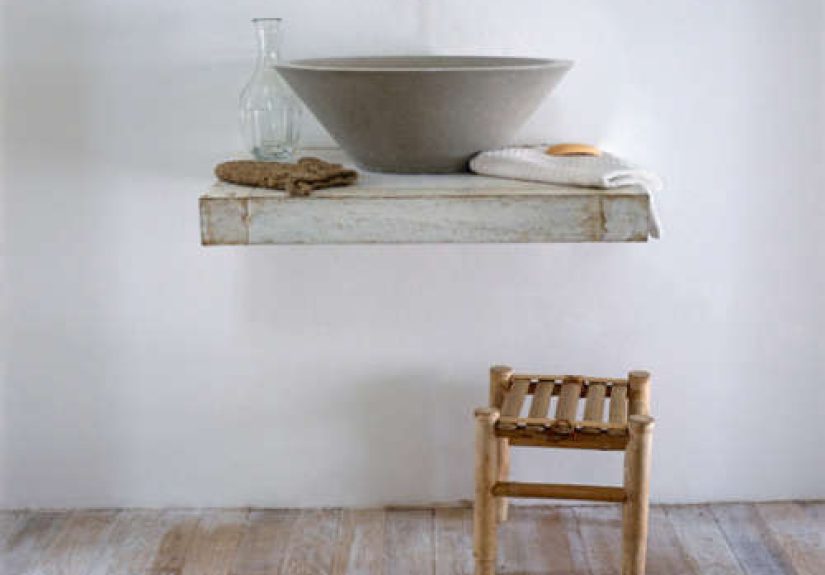
Vessel sinks sit on top of a vanity like a statement bowl. In concrete, they can look crisp and modern or earthy and handmade depending on the shape and finish. They’re popular because they let you pair a simple vanity with a bold sink without rebuilding the entire bathroom.
Best for: powder rooms, guest baths, or anyone who wants high impact with relatively straightforward installation.
Watch-outs: splashing (especially with shallow bowls), faucet reach, and the fact that any messy toothpaste habits are now on display.
2) Undermount and Drop-In Concrete Sinks: Cleaner Lines, Easier Counters
Undermount concrete sinks tuck under the counter for a seamless look. Drop-ins sit in a cutout like many traditional sinks. Both styles can feel more “everyday functional” than a vessel sink, especially in a primary bathroom where the sink gets constant use.
If you want a concrete look but don’t want the sink to dominate the whole room, this category is the sweet spot. Pair it with a quartz or stone counter for contrastor go full commitment with a concrete vanity top.
3) Integral Concrete Sinks: The Monolithic “One Piece” Look
Integral sinks are cast as part of the countertop, meaning the sink and counter are a single continuous piece. It’s the ultimate minimalist flex: fewer seams, fewer visual interruptions, more “boutique hotel energy.”
This style shines in modern bathrooms with slab-front cabinetry, wall-mounted faucets, and clean geometry. It can also be custom-shaped for accessibility or unusual layouts because concrete loves a weird floor plan.
Watch-outs: professional templating, careful support, and a clear plan for faucet placement and backsplash transitions.
4) Trough and Wall-Hung Concrete Sinks: Built for Shared Bathrooms
Trough sinks are made for double-vanity lifeespecially in kid bathrooms, where morning routines can feel like a competitive sport. Wall-hung concrete sinks, meanwhile, float off the wall for a modern look and easier floor cleaning.
These styles bring a commercial-meets-residential vibe that works beautifully with industrial lighting, warm wood tones, and brushed metal fixtures.
Concrete Tub Roundup: Soaking in Sculpture
A concrete bathtub is not subtle. It’s the centerpiece. The “I live here and I have opinions” of bathroom fixtures. Concrete tubs tend to fall into two buckets: freestanding soaking tubs and built-in/tiled surround concepts that use concrete as the architectural shell.
1) Freestanding Concrete Soaking Tubs: The Spa Statement
Freestanding concrete tubs are the dream: soft curves, thick walls, tactile finishes, and a calm monolithic presence that makes everything around it look more expensive by association. Many are cast with fiber-reinforced mixes or composite-style concrete blends to improve strength and manage weight.
If you’re building a primary bath around a “spa at home” concept, this is the tub category that delivers the full fantasy. Add a floor-mounted tub filler, a warm wood stool, and a candle you pretend isn’t for ambiance (it is).
2) Concrete Tub Surrounds and Built-Ins: Architectural and Custom
Not every “concrete tub moment” requires a fully concrete tub. Concrete tub surrounds, aprons, and deck structures can frame a more conventional tub insert while still delivering that sculptural, custom-built look.
This approach can also play nicer with budget, plumbing access, and long-term serviceability. The bathroom still gets the “custom architecture” vibe, but you’re not committing to moving a small boulder into your second floor.
3) The Weight and Logistics Conversation (The Unsexy but Essential Part)
Concrete tubs can be heavysometimes dramatically soso installation planning matters. If your tub is going upstairs, the path to the bathroom and the structural support beneath it need to be evaluated early. Even when a tub uses a lighter concrete composite blend, it’s still not a “carry it in yourself” weekend errand.
Translation: involve the contractor and plumber before you fall in love with a tub that requires removing a window to get it inside. (It happens.)
Finish, Patina, and the “Living Surface” Reality
Concrete is porous by nature, which is why sealing matters so much. Most concrete sinks and tubs are sealed before they ship, but that protective layer wears over timeespecially on high-use items like kitchen sinks, frequently used bathroom sinks, and tub ledges that collect product bottles.
As the surface lives its life, you may notice subtle shifts in tone, faint marks, or gentle wear patternswhat many makers and designers call a “living finish.” Some people love that evolving character; others want the surface to look identical forever. If you’re in the second group, concrete might not be your soulmate.
The good news: most surface issues are manageable. Concrete can often be refreshed, resealed, and maintained back into its best self. Think of it as skincare. Annoying? Sometimes. Effective? Absolutely.
Care and Maintenance: How to Keep Concrete Looking Expensive (Not Exhausted)
Daily Cleaning: Gentle Wins
The most consistent advice across manufacturers and concrete care guides is boring but powerful: use mild soap, warm water, a soft cloth, and pH-neutral cleaners. Wipe, rinse, dry. That’s it. The goal is to clean without attacking the sealer that’s protecting the concrete.
What to Avoid: The “Natural” Cleaners That Aren’t Actually Nice
Concrete sealers can be worn down by harsh cleaners and acids. That means many “clean green” stapleslike vinegar or lemon-based cleanerscan be the exact opposite of helpful. Abrasive powders and scouring pads are also on the no-fly list because they can scratch the finish and dull the protective layer.
Resealing: The Maintenance Step That Prevents the Big Headaches
Resealing isn’t constant, but it is part of responsible concrete ownership. How often depends on use, water hardness, cleaning habits, and the specific sealer. Many makers recommend refreshing sealers periodically, and some provide proprietary sealers designed specifically for their concrete blends.
A practical rule of thumb: if the surface darkens in spots when wet or starts absorbing water instead of beading it, the sealer likely needs attention. Catch it early and resealing is a simple tune-up. Ignore it long enough and you’re scheduling a larger repair party.
Design Pairings That Make Concrete Sinks and Tubs Shine
Concrete + Warm Wood: The Crowd Favorite
Concrete can feel cool and modern, so pairing it with walnut, oak, or rift-sawn wood brings balance. The contrast reads “spa” instead of “laboratory.” Floating vanities work especially well here, giving the heavy-looking concrete a lighter visual footprint.
Concrete + Brass or Aged Bronze: Instant Softening
Warm metals add glow and make concrete feel intentional and elevated. If you’re worried the room will look too stark, this is one of the easiest fixes.
Concrete + Texture: Linen Tiles, Plaster, and Matte Paint
Concrete looks best when it’s not the only tactile surface in the room. Add texture through tile, plaster-style walls, or matte finishes and the whole bathroom feels layered, not flat.
Buying Guide: What to Ask Before You Click “Add to Cart”
1) What’s the concrete mix and reinforcement?
Not all “concrete” fixtures are equal. Ask whether the piece uses fiber reinforcement, specialized mixes, or composite-style blends designed for strength and durability. This matters for long-term chipping resistance and overall performance.
2) What sealer is used, and what is the care plan?
Get clear instructions: recommended cleaners, what to avoid, and the reseal process. If the brand sells a compatible sealer or care kit, that’s usually a sign they’ve thought through long-term ownership.
3) How is the sink or tub supported?
Concrete needs proper supportespecially for large sinks, integral countertops, and freestanding tubs. Confirm cabinet reinforcement, floor structure, and whether the manufacturer has specific requirements to maintain warranty coverage.
4) Does the tub include an overflow and compatible drain setup?
Some freestanding tubs require specific drain assemblies or have unique plumbing needs. Make sure your plumber and your tub are on the same page before demo begins.
Cost Reality Check: Where Concrete Usually Lands
Concrete fixtures typically live in the “premium” tiernot because the raw material is rare, but because the process is skilled and often hand-finished. Expect pricing comparable to high-end stone or specialty fixtures, especially for custom shapes, custom color, or thick sculptural forms.
On the installation side, costs vary wildly based on scope: are you simply swapping a sink, or are you rebuilding waterproofing, moving plumbing, reinforcing floors, and changing the layout? Even standard bathtub replacement costs can add up quickly once labor, plumbing adjustments, and finishes are involvedso it’s smart to budget installation as its own line item, not an afterthought.
Troubleshooting: Common Problems and How People Fix Them
“My sink looks darker in spots when it’s wet.”
Often, that’s a sign the sealer is wearing and water is penetrating temporarily. If it dries back to normal, it’s an early warningperfect timing to refresh the sealer before staining sets in.
“I got a dull patch from a cleaner.”
Many dull spots come from a cleaner that’s too acidic or abrasive. Stop using it, switch to pH-neutral cleaning, and follow the manufacturer’s guidance for resealing or finish repair. Sometimes a small refinishing step restores uniform sheen.
“There’s a small chip on the edge.”
Chips can happen from heavy impacts (think: dropped hair tools or a glass bottle). Many makers offer repair kits or recommend patch-and-reseal approaches that blend surprisingly well when done carefully.
Conclusion: Is Concrete Right for Your Sink or Tub?
Concrete sinks and tubs are for people who love texture, shape, and materials that feel “made,” not manufactured. They reward thoughtful care with a look that’s hard to replicatesculptural, modern, and quietly luxurious.
If you want a bathroom that feels like a boutique hotel, you like natural variation, and you’re okay with occasional resealing, concrete can be a perfect fit. If you want a surface that never changes and forgives every cleaning shortcut, you’ll be happier with something more maintenance-free.
Real-World Experiences: What It’s Like Living With a Concrete Sink or Tub (About )
People who live with concrete fixtures tend to learn the same lesson within the first month: concrete isn’t “high maintenance,” but it is “high awareness.” The difference matters. You don’t have to baby it dailybut you do need to treat the sealer like the boss of the whole operation.
One common experience: the first time someone uses vinegar to “naturally” remove water spots, they discover that “natural” and “concrete-friendly” are not synonyms. The result is usually a slightly dulled patch or a surface that suddenly looks thirsty when wet. Homeowners who love their concrete long-term typically switch to a simple routinemild soap, pH-neutral cleaner, soft cloth, and a quick drybecause it works and doesn’t start drama.
Another real-life pattern: concrete sinks and tubs look better when you stop trying to make them look like plastic. The owners who are happiest are the ones who accept that a concrete finish can develop charactersubtle tonal shifts, faint marks, gentle patina. It’s not damage; it’s the surface telling the story of being used. Some brands even describe it as a “living finish,” and once you adopt that mindset, you stop inspecting the sink like you’re grading a final exam.
Families with kids often report that concrete trough sinks are secretly a parenting hack. Two kids can brush teeth at once, the sink has enough presence to handle chaotic mornings, and the design looks intentional even when the vanity top is covered in hair ties and mystery foam. The trick is edge awareness: concrete edges can chip from heavy impacts, so people learn to avoid dropping hard objects and to keep the heaviest bottles off the rim.
For concrete tubs, the lived experience usually comes down to two big wins: comfort and calm. A deep soaking tub with thick walls feels solid, quiet, and insulating. Owners often describe the bath as staying warm longer than expected, and the tactile surface makes the bathroom feel more spa-like. The most frequent regret isn’t the tub itselfit’s not planning logistics early enough. The happiest installs are the ones where the contractor confirmed floor support, delivery path, and plumbing alignment before the tub showed up. The least happy installs involve sentences like, “So… do you think we can remove the door frame?”
Finally, the “grown-up” experience: resealing becomes a normal seasonal chore, like changing HVAC filters. People set a reminder, buy the recommended sealer, and do a quick refresh when water behavior changes (beading vs. soaking). Those who stay ahead of resealing almost never deal with major staining. Those who ignore it often end up learning about refinishingusually after a hair dye incident, a harsh cleaner experiment, or a long-term wet bottle ring.
Bottom line from real homes: concrete is incredibly rewarding when you treat it like a premium material with a protective finishbecause that’s exactly what it is. And once the care routine becomes habit, the payoff is daily: a bathroom that feels custom, architectural, and quietly impressive without trying too hard.