Table of Contents >> Show >> Hide
- Why Older Homes Develop More Problems
- Most Common Older Home Problems
- 1. Foundation Movement and Structural Issues
- 2. Roof Leaks and Moisture Intrusion
- 3. Plumbing Problems and Aging Sewer Lines
- 4. Outdated Electrical Systems
- 5. Lead Paint and Asbestos
- 6. Radon and Indoor Air Quality
- 7. Drafts, Poor Insulation, and Energy Loss
- 8. Old Windows, Doors, and Exterior Components
- 9. Pest Damage
- 10. Hidden DIY Repairs and Code Surprises
- Warning Signs You Should Never Ignore
- How to Tackle Older Home Problems Without Losing Your Mind
- What Living With These Problems Actually Feels Like
- Final Thoughts
Older homes have personality. They also have opinions, squeaks, mysterious drafts, and at least one door that only closes when the moon is in the right phase. That charm is real, but so are the maintenance headaches. If you own, want to buy, or are currently side-eyeing an old house with “good bones,” it helps to know what usually goes wrong before your weekend turns into a surprise archaeology dig under the sink.
The truth is that most older home problems are not random. They follow familiar patterns. Materials wear out. Moisture sneaks in. Outdated electrical systems protest modern appliances. Pipes corrode. Foundations settle. Previous owners attempt “creative” repairs that belong in a museum exhibit called Questionable Decisions Through the Decades. The good news is that many old house issues can be identified early and handled strategically.
This guide breaks down the most common older home problems, what causes them, what warning signs to watch for, and when you should put down the toolbox and call a professional. Whether you are restoring a 1920s bungalow or figuring out why a 1970s ranch feels like a wind tunnel, this article will help you understand the real risks behind old house charm.
Why Older Homes Develop More Problems
Age alone is not the villain. Plenty of older houses are sturdy and beautifully built. The real issue is a long timeline of wear, shifting building standards, changing materials, deferred maintenance, and generations of repairs. A house built decades ago was designed for a different lifestyle. It was not expecting today’s giant refrigerators, multiple TVs, gaming consoles, hair tools, EV chargers, and that one family member who thinks every outlet should do the work of six.
Older homes also tend to contain materials or systems that were once normal but are now considered outdated, inefficient, or unsafe. Think lead-based paint, asbestos-containing materials, old wiring, ungrounded outlets, failing sewer lines, drafty windows, and poor insulation. Add moisture, pests, and a little neglect, and you have the classic recipe for old house problems.
Most Common Older Home Problems
1. Foundation Movement and Structural Issues
Foundations are one of the biggest concerns in older houses because movement over time can affect almost everything above them. Soil expansion, poor drainage, long-term moisture exposure, and ordinary settling can all create trouble. Sometimes the signs are subtle. Sometimes your floor looks like it is auditioning for a skate park.
Common warning signs include stair-step cracks in masonry, doors and windows that stick, uneven floors, gaps between trim and walls, nail pops, and cracks that keep returning after patching. Minor settling is common in older homes, but sudden changes or widespread sloping deserve attention. Structural issues rarely stay politely in one corner. They spread into framing, roofing, moisture problems, and interior finishes.
A practical example: if a homeowner notices that the back door suddenly drags, the kitchen floor dips near one wall, and a basement crack looks wider after heavy rain, the issue may not be “old house character.” It may be drainage and foundation movement working together like an expensive comedy duo.
2. Roof Leaks and Moisture Intrusion
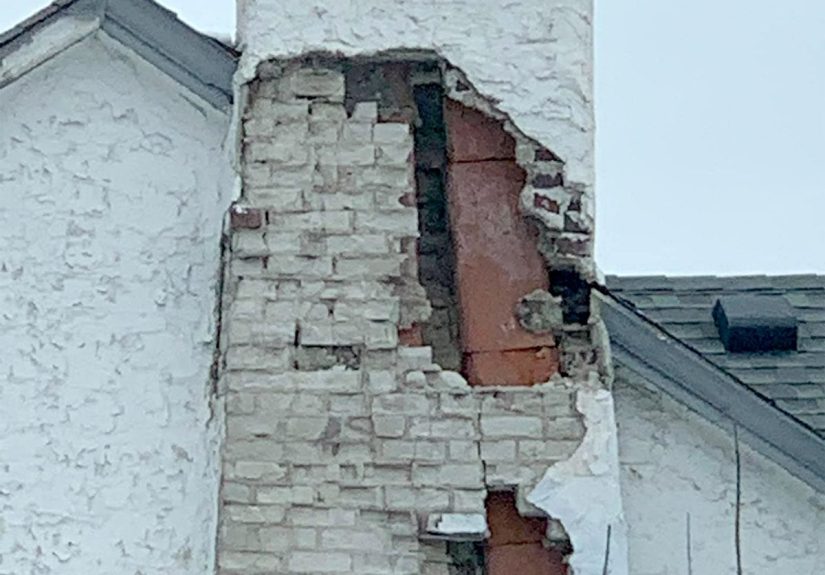
If older homes had a favorite hobby, it would be letting water in where it absolutely does not belong. Roof leaks, failed flashing, damaged shingles, clogged gutters, poor grading, and cracked masonry all invite moisture into the structure. Water is patient, persistent, and deeply committed to ruining drywall, wood, insulation, and your mood.
Signs of moisture problems include ceiling stains, peeling paint, musty odors, bubbling plaster, damp basements, mold growth, and wood rot around windows, porches, or roof edges. In historic homes especially, unmanaged moisture can trigger a chain reaction of damage. It is often smarter to start outside by correcting drainage, guttering, grading, flashing, and roof defects than to keep repainting the same stained ceiling and pretending this is fine.
Basements and crawl spaces are frequent problem areas. A damp basement may be caused by poor exterior drainage, rising groundwater, foundation cracks, or missing vapor control. The fix is not always dramatic waterproof paint. Sometimes the boring solution is the right one: improve drainage, direct downspouts away from the house, and reduce moisture at the source.
3. Plumbing Problems and Aging Sewer Lines
Old plumbing systems can be full of surprises, and not the fun kind. Corroded galvanized steel pipes may restrict water flow and reduce pressure. Aging supply lines can leak behind walls. Older drain systems may sag, crack, clog, or struggle with modern water usage. Sewer lines can also be invaded by tree roots, which is nature’s way of sending you an invoice.
Typical warning signs include rusty water, weak water pressure, slow drains, recurring clogs, sewer odors, stained ceilings, soft flooring near fixtures, and mysterious wet spots where no wet spot should ever be. In some older homes, the plumbing has been partially updated over the years, leaving a confusing mix of old and new materials connected through questionable workmanship.
One common scenario is the “everything seems fine until laundry day” problem. The shower gurgles, the toilet burps, and then the basement floor drain decides to express itself. That often points to a drain or sewer issue rather than a single fixture problem. When older plumbing starts giving speeches, listen carefully.
4. Outdated Electrical Systems
Electrical issues are among the most serious older home problems because they affect both safety and functionality. Older houses may have too few outlets, ungrounded receptacles, overloaded circuits, loose connections, missing faceplates, warm switches, outdated panels, or obsolete wiring methods. Even when an old system still works, it may not safely support modern demand.
Red flags include flickering lights, frequently tripped breakers, buzzing outlets, discolored switches, outlets that feel warm, two-prong receptacles, extension cords doing permanent-duty jobs, and lights that dim when large appliances run. That last one is not your house “being quirky.” It is your wiring filing a complaint.
Electrical upgrades are not glamorous, but they are often one of the best investments in an older home. A licensed electrician can determine whether the home needs targeted repairs, panel upgrades, added GFCI protection, or broader rewiring. This is not the place for heroic DIY energy unless you enjoy expensive lessons.
5. Lead Paint and Asbestos
Many homes built before 1978 may contain lead-based paint, and older homes can also contain asbestos in flooring, pipe insulation, duct insulation, siding, ceiling materials, and other building products. These materials are not always dangerous just because they exist. The real problem starts when they deteriorate or get disturbed during repair or renovation.
Peeling paint around old windows, doors, trim, or porches deserves attention, especially in homes with children. Likewise, older floor tiles, insulation, or textured materials should not be casually ripped out with a crowbar and confidence. Safe testing, proper containment, and licensed abatement matter.
Homeowners sometimes panic at the word “asbestos,” but the smarter response is caution, not chaos. An older material in good condition may be managed. A damaged material that will be disturbed during remodeling needs professional evaluation. The difference between safe management and unsafe exposure is often one bad weekend project.
6. Radon and Indoor Air Quality
Radon is one of the least visible old house issues because you cannot see it, smell it, or dramatically point at it during a home tour. It is a naturally occurring gas that can enter homes from the ground and accumulate indoors. The only reliable way to know whether a home has a radon problem is to test it.
Indoor air quality can also suffer from mold, poor ventilation, combustion issues, dust, and moisture trapped in tight or poorly maintained areas. Older homes sometimes have the opposite problem too: so many air leaks that comfort disappears and utility bills become performance art.
The lesson here is simple. Do not guess. Test for radon. Investigate persistent musty smells. Check ventilation in bathrooms, attics, and crawl spaces. A house should smell like a house, not like a forgotten towel at the bottom of a gym bag.
7. Drafts, Poor Insulation, and Energy Loss
Many older homes are under-insulated, leaky, or both. Drafty windows, gaps around doors, attic bypasses, uninsulated walls, and poorly sealed basements or crawl spaces can make rooms uncomfortable year-round. In winter the house feels like a refrigerator with a mortgage. In summer the attic turns into a lava-adjacent environment.
Symptoms include uneven temperatures, high energy bills, cold floors, ice dams, condensation, and a constant battle between your thermostat and reality. Air sealing and insulation upgrades can dramatically improve comfort, but the work should be done carefully. Blocking ventilation in the wrong place can create moisture issues, so older homes benefit from a plan, not random stuffing and hope.
8. Old Windows, Doors, and Exterior Components
Wood windows and doors in older homes can be beautiful, but they also need maintenance. Paint failure, rot, failed glazing, air leaks, broken hardware, and moisture intrusion are common. Exterior trim, porches, siding, and masonry joints also take a beating over time. Small defects can turn into bigger problems if water repeatedly gets in.
This is especially important for historic homes. Original materials often can be repaired rather than automatically replaced, and thoughtful repair may preserve both performance and character. In other words, not every old window is doomed. Sometimes it needs restoration, weatherstripping, and respect.
9. Pest Damage
Termites, carpenter ants, and other wood-damaging pests love moisture, neglected wood, and easy access. Older homes may be more vulnerable when crawl spaces stay damp, grading directs water toward the house, or rotted wood goes unaddressed. By the time you notice the damage, the bugs may have already signed a long-term lease.
Watch for discarded wings, mud tubes, hollow-sounding wood, frass, unexplained soft trim, and damaged framing. Pest problems are not only about extermination. Lasting control usually requires fixing the moisture and access conditions that made the home attractive in the first place.
10. Hidden DIY Repairs and Code Surprises
Many older homes have been modified repeatedly over the years. Some updates were excellent. Others were completed by a determined amateur with half a tutorial and unlimited self-belief. It is common to find patched framing, odd plumbing transitions, overloaded electrical boxes, mismatched materials, and renovations that do not meet current safety expectations.
This is why inspections matter so much in older properties. The visible issue is not always the real issue. A fresh coat of paint may cover cracking plaster. A new vanity may hide an old plumbing leak. A finished basement may conceal moisture problems. In old houses, cosmetics can be charming, but they can also be sneaky.
Warning Signs You Should Never Ignore
- Repeatedly tripping breakers or warm outlets
- Horizontal or widening foundation cracks
- Persistent musty smells, visible mold, or damp basement walls
- Peeling paint in a pre-1978 home
- Water stains on ceilings or around chimneys and skylights
- Slow drains in multiple fixtures or sewage odors
- Uneven floors, sticking windows, or doors that suddenly stop closing
- Evidence of termites, rot, or damaged framing
These are the kinds of symptoms that deserve investigation, not decorative rugs and denial.
How to Tackle Older Home Problems Without Losing Your Mind
Start with safety and water
If you are deciding what to fix first, prioritize hazards and moisture. Electrical issues, active leaks, structural movement, deteriorating lead paint, suspected asbestos disturbance, and radon testing all outrank cosmetic upgrades. A gorgeous backsplash will not comfort you while the basement grows mushrooms.
Inspect before you renovate
Before opening walls or starting a major remodel, inspect the house thoroughly. Older homes often reveal additional issues once work begins. Planning ahead helps you budget better and avoid blowing your renovation fund on unexpected repairs hiding behind the first layer of drywall.
Use the right professional
Old houses reward specialized knowledge. Depending on the issue, that may mean a structural engineer, licensed electrician, plumber with sewer-scoping equipment, radon professional, lead-safe contractor, asbestos professional, or preservation-minded carpenter. Calling the right expert early is often cheaper than paying the wrong person twice.
Keep original character where practical
Not every old feature needs replacement. In many cases, original woodwork, windows, plaster, doors, and masonry can be repaired and upgraded. The best old house work respects the building while improving safety, durability, and comfort.
What Living With These Problems Actually Feels Like
Anyone who has lived in an older home for more than a few months learns that the experience is part detective story, part relationship counseling, and part low-stakes panic. At first, the house seems charming. The tall baseboards, solid doors, vintage tile, and creaky staircase make you feel like you bought history instead of drywall. Then the real personality emerges.
You start noticing patterns. The upstairs bedroom is freezing even when the thermostat says the house is comfortable. The bathroom door swells every humid summer and refuses to close without a shoulder check. One outlet in the living room works only if you do not look directly at it. The basement smells faintly earthy, which is a poetic way of saying “there is definitely a moisture issue somewhere and I am not emotionally ready to find it.”
Then come the small discoveries that teach you how older homes communicate. A hairline crack above a doorway is not automatically a disaster, but when it gets longer after heavy rain, your ears perk up. A little drip under the sink seems harmless until you realize the cabinet floor feels soft. Paint peeling around a window looks cosmetic until you remember the house was built long before 1978 and suddenly your weekend project needs a safer plan.
The emotional part of owning an old house is underrated. Every repair feels like a choice between preserving character and preventing chaos. You want to keep the original windows because they are beautiful. You also want to stop the winter breeze that makes your curtains flutter like a ghost audition. You love the old cast-iron tub, but not the ancient drain pipe that sounds like a coffee can full of gravel.
There is also a strange rhythm to old house spending. You tell yourself you are fixing one thing, and that one thing introduces you to three of its friends. Replace a leaking roof section, and now you discover rotted trim. Open the wall to repair plumbing, and there is old wiring saying hello from 1956. Improve insulation in the attic, and suddenly ventilation becomes the main character. Older homes are very committed to subplots.
But here is the upside: once homeowners learn the house, the experience becomes much less intimidating. You stop reacting to every creak like it is a dramatic announcement from the building. You learn which cracks are old, which smells are seasonal, and which symptoms truly matter. You prioritize better. You become less impressed by shiny cosmetic updates and more interested in drainage, flashing, circuits, and air sealing. In other words, you become the kind of person who gets weirdly excited about downspout extensions.
That shift is what makes living in an older home rewarding. You stop expecting perfection and start appreciating performance. The goal is not to erase the age of the house. The goal is to make it safe, dry, efficient, and durable while keeping the character that made you fall for it in the first place. Once you approach it that way, older home problems feel less like proof that you made a bad decision and more like the cost of caring for something worth keeping.
Final Thoughts
Common older home problems usually come down to a handful of repeat offenders: water, outdated systems, hidden hazards, deferred maintenance, and repairs done badly sometime between the Truman administration and last Tuesday. The smartest approach is to identify problems early, fix the root cause, and resist the temptation to cover serious issues with decorative optimism.
Older homes can absolutely be wonderful places to live. They just ask more from their owners: more observation, more maintenance, more patience, and occasionally more money than your weekend plans were hoping for. Still, if you understand the likely trouble spots and handle them methodically, an older home can deliver both character and comfort without turning into a full-time emergency.