Table of Contents >> Show >> Hide
- What Is Colitis, Exactly?
- Ulcerative Colitis: The Classic “Colon-Lining” Inflammation
- Ischemic Colitis: When Blood Flow Takes a Detour
- Microscopic Colitis: Big Symptoms, Tiny Clues
- Other Types of Colitis You Might Hear About
- How Doctors Figure Out Which Colitis You Have
- Living With Colitis: Practical Strategies That Actually Help
- Real-World Experiences: What Colitis Can Feel Like (And What People Learn)
- Conclusion
Your colon is basically the world’s longest “customer service” line: it processes what you put in, moves it along,
and tries very hard not to cause drama. Colitis is what happens when that customer service line goes on strike.
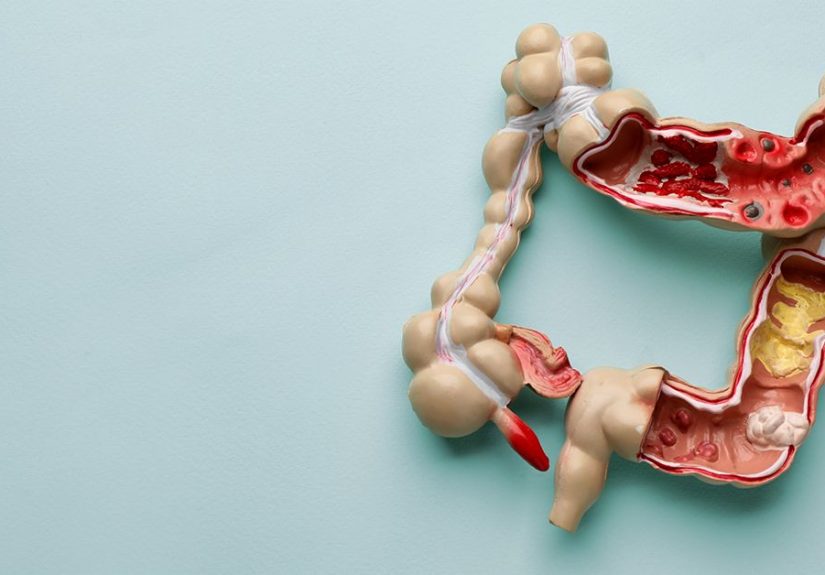
The word colitis simply means inflammation of the colon (large intestine)but the “why”
behind the inflammation can be totally different from one person to the next.
That’s why colitis can be confusing. One person’s colitis is a short-lived infection that clears up with the right treatment.
Another person’s is a chronic condition with flares and remissions. And sometimes, colitis is less about germs or immune systems
and more about blood flow, medication effects, or microscopic changes you can’t see without a biopsy.
In this guide, we’ll break down the major typesulcerative colitis, ischemic colitis,
microscopic colitis, and several “honorable mentions”plus symptoms, diagnosis, treatment paths,
and practical ways people manage daily life when their gut is being… dramatic.
What Is Colitis, Exactly?
Colitis means inflammation in the colon. Inflammation can make stool pass too quickly (diarrhea),
too urgently (you suddenly need a bathroom like it’s an Olympic sport), or with pain, mucus, or blooddepending on the cause.
Some colitis is acute (sudden and temporary), while other forms are chronic (long-lasting).
Common Symptoms Across Many Types of Colitis
- Diarrhea (watery or loose stools)
- Abdominal cramps or belly pain
- Urgency (feeling like you have to go right now)
- Blood or mucus in stool (more common in some types than others)
- Fatigue, dehydration, or feeling “run down”
- Fever can happen, especially with infections
When Colitis Symptoms Need Urgent Medical Care
Colitis can range from annoying to serious. Seek urgent care if you have severe belly pain, significant bleeding,
signs of dehydration (dizziness, confusion, very dark urine), high fever, fainting, or symptoms that rapidly worsen.
Also get prompt evaluation if diarrhea lasts more than a few daysespecially if it’s bloody or you can’t keep fluids down.
Ulcerative Colitis: The Classic “Colon-Lining” Inflammation
Ulcerative colitis (UC) is a type of inflammatory bowel disease (IBD). It causes chronic inflammation and sores (ulcers)
in the lining of the colon and rectum. Symptoms often come in flares (active inflammation) and remission
(calmer periods).
Typical UC Symptoms
- Diarrhea, often with urgency
- Blood in stool or rectal bleeding
- Abdominal cramping and pain
- Mucus (and sometimes pus) in stool
- Tenesmus: the “I still need to go” feeling even when there’s nothing left
UC Patterns: Location Matters
UC is often described by how much of the colon is involved. For example, inflammation may affect only the rectum
(proctitis), the left side of the colon, or extend through much of the colon (more extensive disease).
Why it matters: location and extent can influence symptoms, treatment choices, and long-term monitoring.
How UC Is Diagnosed
Diagnosis typically combines history, physical exam, lab work, stool testing (to rule out infection), and a colonoscopy
with biopsies. Colonoscopy helps confirm inflammation and identify the pattern, while biopsies help distinguish UC from other causes.
UC Treatment: Controlling Inflammation Is the Goal
UC treatment is tailored to severity and location. Options can include:
- 5-ASA (aminosalicylates) (often first-line for mild to moderate UC; may be oral and/or rectal depending on location)
- Corticosteroids for short-term control of moderate to severe flares (not ideal long-term)
- Immunomodulators for certain cases requiring immune suppression
- Biologics and small-molecule therapies for moderate to severe disease or when other meds aren’t enough
- Surgery (removing the colon and rectum) can be curative for UC, though it’s a major step and requires careful planning
UC Complications and Why Monitoring Matters
Long-standing UCespecially when it involves more of the colon and has been active for yearscan raise the risk of colorectal cancer.
This is why gastroenterologists often recommend a structured colonoscopy surveillance plan based on your personal risk factors.
The goal is not to scare you; it’s to catch problems early, when they’re most treatable.
Quick Example: A UC Flare vs. “Just a Bug”
Imagine someone who has weeks of worsening urgency, cramps, and blood in stool, plus fatigue. That patternespecially if it repeats
or doesn’t improveraises suspicion for UC (or another chronic inflammatory cause) more than a 24-hour stomach bug.
A clinician will still rule out infection first, because infections can mimic or trigger flares.
Ischemic Colitis: When Blood Flow Takes a Detour
Ischemic colitis happens when blood flow to part of the colon is reduced. Colon tissue needs oxygen like everything else,
and when supply dropsdue to narrowed arteries, low blood pressure, dehydration, certain heart conditions, or other triggerscolon tissue
can become inflamed and injured.
Common Symptoms of Ischemic Colitis
- Sudden belly pain or cramping (often left-sided)
- Urgent need to have a bowel movement
- Diarrhea
- Bright red or maroon blood in the stool (sometimes blood alone)
- Nausea, low fever, or loss of appetite
Who’s at Higher Risk?
Ischemic colitis is more common in older adults, and risk rises with factors that affect circulation.
Examples include atherosclerosis (“plaque” in arteries), low blood pressure episodes, heart failure,
atrial fibrillation, dehydration, and sometimes medication effects. In rare cases, stimulant drugs
(including illicit stimulants) can trigger ischemia.
Diagnosis and Treatment
Doctors may use blood work, imaging, stool tests, and often colonoscopy to confirm the diagnosis and assess severity.
Many cases improve with supportive care (fluids, bowel rest, careful monitoring), but more serious cases may require
antibiotics or surgeryespecially if complications develop.
Why Right-Sided Symptoms Get Extra Attention
Not all ischemic colitis behaves the same. Some patterns can be linked with higher complication risk, which is why clinicians
take symptom location, severity, and underlying conditions seriously. If someone has sudden, severe belly pain, that’s an “urgent evaluation”
situationnot a “let’s see how it goes” situation.
Microscopic Colitis: Big Symptoms, Tiny Clues
Microscopic colitis causes chronic, watery diarrhea and colon inflammationbut with a twist:
the colon often looks normal during colonoscopy. The diagnosis comes from biopsies that show inflammation under a microscope.
Two Types (Same Trouble, Different Microscopic Look)
- Collagenous colitis: a thickened collagen layer in colon tissue
- Lymphocytic colitis: increased lymphocytes (a type of white blood cell) in colon tissue
These subtypes share similar symptoms, testing, and treatment approachesso most people hear “microscopic colitis”
and then learn which subtype they have.
Symptoms People Commonly Notice
- Watery diarrhea (often frequent and persistent)
- Belly pain, cramps, or bloating
- Weight loss, nausea
- Dehydration or fatigue
- Sometimes fecal incontinence (because watery urgency doesn’t wait for polite timing)
Possible Triggers and Associations
The exact cause isn’t always clear. Research suggests that certain medications may inflame the colon lining in some people,
and bile acid malabsorption or infections may play a role. Microscopic colitis is more common in older adults and in women.
Treatment Basics
Treatment can include anti-diarrheal strategies, diet adjustments, identifying medication triggers with a clinician,
and prescription therapies for inflammation when needed. Hydration matters a lot herewatery diarrhea is basically your body
sending you an invoice for electrolytes.
Quick Example: “Normal Colonoscopy” Doesn’t Always Mean “Nothing’s Wrong”
If someone has weeks of watery diarrhea, a normal-looking colonoscopy can feel like a dead end. Microscopic colitis is a reminder
that biopsies can be the difference between “shrug emoji” and a real diagnosis.
Other Types of Colitis You Might Hear About
Not all colitis fits neatly into the “UC vs. ischemic vs. microscopic” trio. Here are other common categories that show up in real life.
Infectious Colitis
Caused by bacteria, viruses, or parasitesoften from contaminated food or water, close contact outbreaks, or travel.
Symptoms can include diarrhea (sometimes bloody), cramps, fever, and dehydration. Treatment depends on the organism.
Some infections improve with supportive care; others need targeted antibiotics or antiparasitics.
C. diff Colitis
Clostridioides difficile (C. diff) can cause colitis, often after antibiotic use disrupts normal gut bacteria.
Prevention focuses heavily on handwashing with soap and water and careful antibiotic use. Treatment typically involves specific antibiotics
chosen for C. diff, and clinicians may recommend stopping the “trigger” antibiotic when safe.
Medication-Induced Colitis
Certain medicines can irritate the colon or alter the gut environment. If symptoms start after a new medication,
clinicians may review the list carefullybecause sometimes the best treatment is removing the culprit (under medical guidance),
not adding five new pills on top.
Radiation Colitis
Radiation therapy to the pelvis or abdomen can injure the colon lining. Symptoms may appear during treatment or later.
Management depends on severity and may include medications to reduce inflammation, dietary strategies, and close follow-up.
Allergic/Eosinophilic Colitis
Less common, and more often discussed in specific contexts (including certain pediatric cases). It involves immune-driven inflammation
with eosinophils (a type of white blood cell). Evaluation typically includes ruling out infection and other inflammatory diseases.
Diversion Colitis
Can occur in a segment of colon that’s no longer in use after certain surgeries (the “diverted” segment).
It’s a niche diagnosis, but it’s realand it’s one reason GI care after surgery is so individualized.
How Doctors Figure Out Which Colitis You Have
Since many types share the same headline symptoms (diarrhea, pain, urgency), diagnosis is about pattern recognition and targeted testing.
A typical workup may include:
1) History and Pattern Clues
- Sudden onset after dehydration/low blood pressure episode? Ischemic is considered.
- Watery diarrhea for weeks with a normal-looking colon? Microscopic colitis moves up the list.
- Recurrent flares with blood and mucus? UC (or Crohn’s colitis) is considered.
- Recent antibiotics or hospitalization? C. diff becomes a priority to rule out.
2) Stool Tests
These can check for infections (including C. diff) and sometimes markers of inflammation.
They help prevent mislabeling an infection as a chronic inflammatory diseaseor vice versa.
3) Blood Tests
Blood work can show signs of inflammation, anemia, dehydration, or infection, which helps gauge severity and guide next steps.
4) Imaging and Endoscopy (Colonoscopy)
Imaging may help in urgent situations. Colonoscopy is often key for diagnosis and for biopsies. In microscopic colitis,
biopsies are essential because the colon can look normal to the naked eye.
Living With Colitis: Practical Strategies That Actually Help
Colitis management is highly individual, but a few principles come up repeatedly across types:
treat the cause, protect hydration, reduce triggers, and plan for flares without letting flares run your entire life.
Hydration Is Not Optional
Diarrhea is a fast track to dehydration. Water is great, but when symptoms are intense, fluids with electrolytes can be helpful.
If you’re lightheaded, weak, or peeing very little, it’s time to escalate care.
Food: Less “Perfect Diet,” More “Personal Playbook”
There isn’t one universal colitis diet. Many people find that during flares, bland, low-irritation foods are easier,
while high-fat, spicy, or high-fiber foods may worsen symptoms. The best approach is often a short-term “flare menu”
plus a long-term, balanced plan that avoids unnecessary restriction.
Medication Review (Yes, Even Over-the-Counter)
NSAIDs, supplements, and certain prescriptions can affect the gut. If symptoms start or worsen after changes in medication,
a clinician can help decide what to adjust safely.
Stress Isn’t “The Cause,” But It Can Be Gasoline on the Fire
Stress doesn’t magically invent inflammation, but it can amplify gut sensitivity and worsen symptoms.
Think of stress as a volume knob: it may not be the song, but it can make the song louder.
Real-World Experiences: What Colitis Can Feel Like (And What People Learn)
The medical definitions are neat. The lived reality is… not. People often describe colitis less like a single symptom and more like
a daily negotiation between their body, their schedule, and the nearest trustworthy bathroom.
Experience #1: The “Bathroom Geography” Phase. Many people say one of the first lifestyle changes is learning a new kind of map:
not street names, but restroom locations. In an active flare, “Can we stop for gas?” becomes code for “I need a plan in the next five minutes.”
Some people carry small “just in case” kitswipes, extra underwear, electrolyte packetsnot because they’re pessimists, but because they like
leaving the house with confidence.
Experience #2: The emotional whiplash of unpredictable days. With UC, especially, people often describe feeling “fine” for a stretch,
then suddenly not fine. That unpredictability can mess with social life and work routines. A common lesson is learning to communicate early:
telling close friends, a partner, or a manager what a flare looks like and what support is helpful. Not everyone needs detailssometimes it’s enough
to say, “I’m dealing with a GI condition that can flare. If I step out suddenly, that’s why.”
Experience #3: The relief of a name for the problem. People with microscopic colitis often talk about months of watery diarrhea,
normal-looking tests, and the feeling that they must be “overreacting.” Getting a biopsy-based diagnosis can be deeply validating.
Suddenly, the story changes from “mystery diarrhea” to “here’s what’s happening, and here’s how we treat it.”
Experience #4: The ischemic colitis “wake-up call.” Those who experience ischemic colitis frequently describe it as abrupt and scary:
pain that shows up quickly and demands attention. For some, it becomes a turning point for addressing dehydration, blood pressure swings,
cardiovascular risk factors, or medication side effects. The takeaway many share is simple: when abdominal pain is sudden and severe, don’t tough it out.
The colon is not impressed by bravery.
Experience #5: Food experimentsdone wisely. Across colitis types, people often test foods like scientists with a kitchen and a notebook.
During flares, they may shift to simpler meals and gradually reintroduce foods to see what triggers symptoms. A consistent theme: overly restrictive diets
can backfire. Many people do best with a flexible plan, good hydration, and professional guidance (especially if weight loss or nutrient deficits appear).
Experience #6: Small wins matter. People frequently report that quality of life improves when they focus on what they can control:
taking meds consistently, sleeping, staying hydrated, keeping follow-up appointments, and preparing for travel with practical strategies.
Colitis can be loud, but many people learn how to turn down the volume and reclaim routinesone good day at a time.
Conclusion
Colitis isn’t one conditionit’s a family of conditions that all involve colon inflammation, but for different reasons.
Ulcerative colitis is chronic immune-driven inflammation of the colon lining. Ischemic colitis is inflammation from reduced blood flow.
Microscopic colitis causes watery diarrhea with changes you can only confirm under a microscope. Add infections (including C. diff),
medication effects, radiation injury, and other causesand it’s clear why getting the right diagnosis matters.
The best next step for persistent symptoms is a medical evaluation that matches your pattern with the right tests.
With an accurate diagnosis, treatment becomes much more targetedand most people can significantly improve symptoms and daily life.