Table of Contents >> Show >> Hide
- Cheese and Onion Flan vs. Quiche: What Are We Making?
- Ingredients You’ll Need
- Step-by-Step: How to Make a Classic Cheese and Onion Flan
- Pro Tips for a Flan That Tastes Like You Know What You’re Doing
- Variations That Still Feel “Classic”
- What to Serve With Cheese and Onion Flan
- Make-Ahead, Storage, and Reheating
- Troubleshooting: When Flan Feelings Get Hurt
- Classic Cheese and Onion Flan Recipe Card
- Real-World “Experience” Notes (a.k.a. Things People Learn the Fun Way)
- SEO Tags
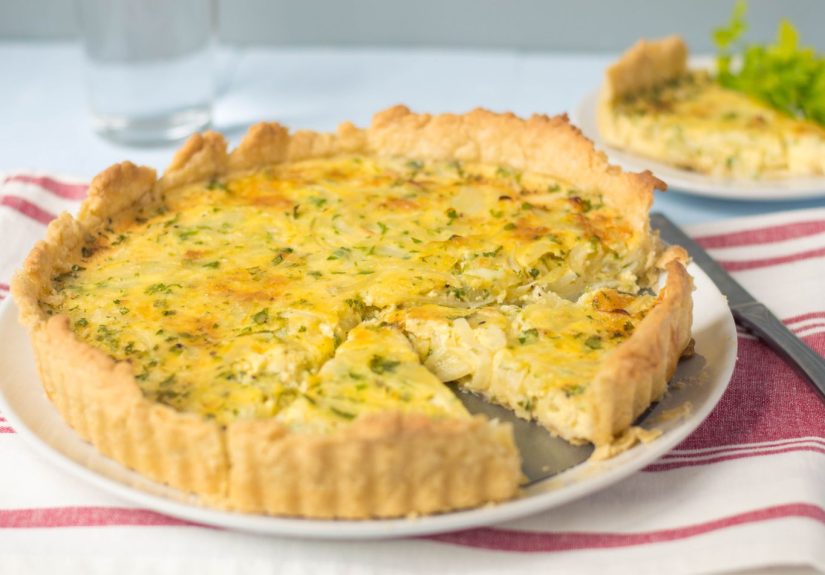
Let’s clear something up right away: this is not the custardy dessert flan that shows up wearing a caramel crown. In the “savory flan” tradition, a classic cheese and onion flan is a golden, sliceable, open-faced tart with a buttery crust and a creamy egg custardbasically quiche’s cozy sweater.
This recipe keeps things comfort-food simple: sweet, softened onions; plenty of cheese (because we’re not here to be shy); and a custard that bakes up tender, not rubbery. It’s the kind of dish that works for brunch, lunch, “I forgot to plan dinner,” and “I need something that looks impressive but is secretly easy.”
Cheese and Onion Flan vs. Quiche: What Are We Making?
In American kitchens, you’ll often see this called cheese and onion quiche. The word “flan” can mean different things depending on where you learned to cook. Here, we’re making a savory flan: a pastry-lined tart filled with eggs, dairy, onions, and cheese, baked until just set.
The goal is a custard that’s creamy and cohesiveset enough to slice, but still soft and silky. If you’ve ever had a quiche that bounced like a trampoline, we’re steering away from that neighborhood.
Ingredients You’ll Need
For the crust (choose your adventure)
- Option A (easy): 1 refrigerated or frozen 9-inch pie crust (deep dish is fine; see notes)
- Option B (homemade): 1 1/4 cups all-purpose flour, 1/2 tsp kosher salt, 8 tbsp cold unsalted butter (cubed), 3–5 tbsp ice water
For the onion-and-cheese filling
- 2 tbsp unsalted butter (or 1 tbsp butter + 1 tbsp olive oil)
- 2 large yellow onions, thinly sliced (about 4–5 cups)
- 1/2 tsp kosher salt (plus more to taste)
- 1/4 tsp black pepper (plus more to taste)
- 1/8 tsp ground nutmeg (optional, but quietly magical)
- 1 1/2 cups shredded cheese (about 6 oz total; see cheese options below)
- 3 large eggs
- 1 cup whole milk
- 1/2 cup heavy cream (or use 1 1/2 cups half-and-half total)
- 1 tbsp chopped fresh chives or parsley (optional)
- 1 tsp Dijon mustard (optional, for a subtle savory kick)
Best cheeses for a “classic” flavor
If you want that timeless, lunch-counter comfort vibe, use a combo like:
- Sharp cheddar for bold, familiar flavor
- Gruyère or Swiss for melt and mellow nuttiness
A great default: 1 cup sharp cheddar + 1/2 cup Gruyère (or Swiss). Want it extra cozy? Go all cheddar. Want it more grown-up? Add a little Parmesan (2–3 tbsp) for salty depth.
Step-by-Step: How to Make a Classic Cheese and Onion Flan
1) Prep the crust (and prevent the dreaded soggy bottom)
Preheat your oven to 375°F. Fit the crust into a 9-inch pie dish (or tart pan), crimp the edge, and chill for 20–30 minutes. Cold dough is less likely to shrink or slump.
Blind-bake for crispness: Line the crust with parchment or foil, fill with pie weights/dried beans/rice, and bake for 15–20 minutes until the edges look set. Carefully remove the weights/liner and bake 5–10 minutes more until the bottom looks dry and lightly golden.
Optional “pro move”: Brush the warm par-baked crust with a little beaten egg and bake 2–3 minutes. This creates a thin barrier that helps keep the crust flaky instead of spongey.
2) Cook the onions (soft and sweet is the mission)
Melt butter (or butter + oil) in a large skillet over medium heat. Add onions and a pinch of salt. Cook, stirring often, for 15–20 minutes until very soft and lightly golden.
Want deeper, caramelized flavor? Turn heat down to medium-low and keep going45–60 minutes total. If the pan gets dry, add a splash of water and scrape up the browned bits (that’s flavor, not failure).
When the onions taste sweet and mellow (not sharp), spread them on a plate to cool for a few minutes. Hot onions + egg custard can start “pre-cooking” the eggs, and we’re not making onion scrambled eggs in a pie crust.
3) Make the custard
In a bowl, whisk together the eggs, milk, cream, salt, pepper, nutmeg (if using), and Dijon (if using) until smooth. Whisking well helps the filling bake up cohesive and tender.
4) Assemble
Sprinkle about half the cheese over the bottom of the par-baked crust. Scatter the cooled onions evenly over the cheese. Add the remaining cheese on top (because cheese deserves layers too).
Place the pie dish on a rimmed baking sheet (insurance for spills), then slowly pour the custard over the filling. Stop when you’re about 1/4 inch from the topcustard puffs as it bakes, and we’d like it to stay in the pan.
5) Bake until just set
Reduce oven temperature to 350°F and bake for 40–55 minutes, or until the edges are set and the center still has a slight jiggle when you gently shake the pan. The top should be lightly golden, not aggressively browned.
If the crust edges are browning too fast, cover them with foil or a pie shield. If the top is browning but the center isn’t set yet, loosely tent foil over the flan.
6) Rest, then slice
Let the flan cool for 15–20 minutes before slicing. This isn’t optionalit’s structural engineering. The custard finishes setting as it cools, and your slices will look clean instead of “landslide chic.”
Pro Tips for a Flan That Tastes Like You Know What You’re Doing
- Use a dependable custard ratio. A classic approach is roughly 3 eggs to about 1 1/2–2 cups dairy for a standard 9-inch tartcreamy but sliceable. Adjust slightly depending on how deep your dish is.
- Pre-cook watery fillings. Onions are great because they’re flavorful and (once cooked) not too wet. If you add extras like mushrooms or spinach, cook them first and drain well.
- Don’t over-bake. Overbaked custard can curdle, weep, or feel tough. Pull it when the center is almost set; carryover heat finishes the job.
- Cheese goes in layers. Some under, some over = better melt and more even distribution.
- Chill the crust before blind baking. Cold fat in the dough helps prevent shrinkage and keeps things flaky.
Variations That Still Feel “Classic”
Cheese swaps
- White cheddar for sharper bite
- Fontina for super-melty richness
- Pepper Jack if you want a little heat (not traditional, but very fun)
Flavor add-ins (keep it tasteful)
- 1–2 tsp fresh thyme leaves (amazing with onions)
- 1–2 tbsp chopped chives for a gentle oniony lift
- A pinch of smoked paprika on top for color and subtle warmth
- Optional: a handful of crisp bacon (delicious, but no longer vegetarian)
What to Serve With Cheese and Onion Flan
This flan is basically the MVP of “serve it with something green and call it a meal.” A few easy pairings:
- Simple salad: arugula + lemon vinaigrette (cuts through the richness)
- Soup: tomato soup turns this into a grilled-cheese-adjacent comfort combo
- Brunch plate: fruit, roasted potatoes, and a big mug of coffee
- Picnic energy: serve at room temp with crunchy veggies and pickles
Make-Ahead, Storage, and Reheating
Make-ahead options
- Onions: Cook up to 3 days ahead; refrigerate airtight.
- Crust: Roll, chill, and even blind-bake a day ahead. Keep covered at room temp if fully baked; refrigerate if you prefer.
- Whole flan: Bake a day ahead; it often slices even better the next day.
Storage
Cool completely, then refrigerate in an airtight container (or wrap well). For best quality, enjoy within 3–4 days.
Reheating (without turning it into rubber)
- Oven: 350°F for 15–20 minutes (or until warmed through)
- From frozen: Thaw overnight in the fridge, then warm at 350°F for 20–25 minutes
Microwave reheating works in a pinch, but the oven keeps the crust crisp and the custard happier.
Troubleshooting: When Flan Feelings Get Hurt
“My crust is soggy.”
- Blind-bake the crust and let it get lightly golden on the bottom.
- Try the quick egg-wash barrier after blind baking.
- Make sure onions are cooked and not watery when they go in.
“The center is runny, but the top is getting dark.”
- Tent loosely with foil and keep baking.
- Check your oven temperature with a thermometersome ovens lie.
- Use a slightly lower temp (325°F) and bake a little longer for gentler setting.
“It’s tough or watery.”
- Tough usually means overbaked. Pull earlier (center should still jiggle slightly).
- Watery can happen with too much moisture in fillings or not cooling long enough before slicing.
Classic Cheese and Onion Flan Recipe Card
Overview
- Makes: 1 (9-inch) flan, about 6–8 slices
- Total time: ~1 hour 30 minutes (faster with store-bought crust)
- Skill level: Beginner-friendly (with mild onion patience)
Ingredients
Crust
- 1 (9-inch) pie crust (store-bought or homemade)
Filling
- 2 tbsp unsalted butter (or 1 tbsp butter + 1 tbsp olive oil)
- 2 large yellow onions, thinly sliced
- 3 large eggs
- 1 cup whole milk
- 1/2 cup heavy cream (or sub half-and-half)
- 1 1/2 cups shredded cheese (sharp cheddar + Gruyère/Swiss recommended)
- 1/2 tsp kosher salt, plus more to taste
- 1/4 tsp black pepper
- Pinch nutmeg (optional)
- 1 tbsp chopped chives or parsley (optional)
- 1 tsp Dijon mustard (optional)
Instructions
- Preheat oven to 375°F. Fit crust into pie dish, crimp, and chill 20–30 minutes.
- Blind-bake: Line crust with parchment/foil, fill with weights/beans, bake 15–20 minutes. Remove weights/liner; bake 5–10 minutes more until lightly golden.
- Cook onions: Melt butter in skillet, add onions + pinch of salt. Cook 15–20 minutes until soft and sweet. (Optional deeper caramelization: 45–60 minutes total on lower heat.) Cool slightly.
- Whisk custard: eggs, milk, cream, salt, pepper, nutmeg (optional), Dijon (optional) until smooth.
- Assemble: Sprinkle half the cheese in crust, add onions, top with remaining cheese. Pour custard over.
- Bake: Reduce oven to 350°F and bake 40–55 minutes until edges are set and center jiggles slightly. Cool 15–20 minutes before slicing.
Notes
- Deep dish: If using a deep-dish crust, increase custard by 1 egg + 1/2 cup dairy and bake a bit longer.
- Salt: Cheeses vary. Start modest, then adjust next time based on your cheese blend.
- Serving temp: Great warm, room temp, or cold straight from the fridge (no judgment).
Real-World “Experience” Notes (a.k.a. Things People Learn the Fun Way)
If you asked a room full of home cooks what making a classic cheese and onion flan is like, you’d get a surprisingly emotional range of answersfrom “easy brunch hero” to “why is my crust damp and my life complicated.” The good news is that nearly all flan drama has a simple fix, and most of it comes down to three things: onions, heat, and patience (the culinary version of a group project).
First up: the onions. In real kitchens, the most common experience is underestimating how long onions need to cook. Recipes that claim “caramelized in 10 minutes” are basically writing fan fiction. What people often discover is that there’s a big difference between onions that are merely softened (still a little sharp) and onions that have mellowed into that sweet, savory depth you actually want in a cheese-and-onion tart. The “aha” moment is tasting a spoonful halfway through cookingsuddenly you realize why your previous flans tasted like onion salad trapped in custard. Once you’ve had properly cooked onions in this, it’s hard to go back.
Next: the crust situation. The classic experience is slicing into a gorgeous flan only to find the bottom crust has the texture of a warm sponge. That’s when people discover the power of blind baking. It feels like an extra step… until you taste the difference. A crisp base makes the whole thing feel intentional and bakery-level, even if you used a store-bought crust and assembled everything while wearing mismatched socks. Some folks also learn the “rimmed baking sheet” lesson the hard waybecause custard overflow doesn’t just drip; it bakes into the bottom of your oven and creates a smell that can only be described as “burnt brunch regret.”
Then there’s doneness. The most relatable experience is the temptation to bake until the center is completely firm, because jiggle makes people nervous. But custard is sneaky: if you wait until it looks fully set in the oven, it’s often overbaked by the time it cools. The better real-life strategy is learning to trust the “slight jiggle” and letting the flan rest. This rest period is where the magic happens: slices become neat, the custard turns creamy instead of grainy, and you stop needing a spoon to serve it. People who regularly make flan often say the best batch is the one they didn’t rushcooling time is basically free flavor and better texture.
Another common experience: cheese personality clashes. Mild cheeses can disappear, while super sharp cheeses can dominate. Many cooks end up loving a two-cheese blendone bold (sharp cheddar), one melty and mellow (Gruyère or Swiss). The blend gives you that unmistakable “classic” taste without turning the whole dish into a salt bomb. And yes, some people will absolutely sprinkle a little extra cheese on top “for science.” Those people are often correct.
Finally: leftovers. A classic cheese and onion flan has a strange superpowerpeople report it tastes even better the next day. The onions settle in, the custard firms up, and the flavors taste more unified. It becomes a cold-slice breakfast, a lunchbox flex, a midnight snack, and the reason you suddenly “don’t mind” that meeting you forgot about because at least your lunch is excellent. In other words, the real experience of this recipe is discovering it’s not just a flanit’s a plan.