Table of Contents >> Show >> Hide
- Why Chocolate Chip Cookies Never Go Out of Style
- A Brief History of the Chocolate Chip Cookie
- The Anatomy of a Great Chocolate Chip Cookie
- How to Make Chocolate Chip Cookies Chewy, Crispy, or Thick
- Why Chilling the Dough Actually Helps
- Common Chocolate Chip Cookie Mistakes
- Storage, Freezing, and Food Safety
- What Makes the Best Chocolate Chip Cookies?
- Chocolate Chip Cookies in Real Life: The Experience of Baking, Sharing, and Sneaking One More
- Conclusion
- SEO Tags
Chocolate chip cookies are the little black dress of home baking: classic, reliable, and somehow still capable of dramatic flair. One batch can be soft and gooey, another thin and crackly, and a third so thick and chewy it looks like it bench-pressed the sheet pan. That range is exactly why people keep chasing the “perfect” chocolate chip cookie. There is no single perfect version. There is only your perfect version, and the good news is that it is much easier to reach than the internet would have you believe.
This guide breaks down what makes chocolate chip cookies work, why some come out chewy while others turn crisp, how to avoid the usual baking heartbreak, and what small tweaks actually matter. We will also spend a little extra time on the lived experience of baking them, because cookies are not just flour, butter, and sugar. They are weeknight therapy, holiday diplomacy, apology currency, and the fastest way to make a kitchen smell like everybody should suddenly be nicer.
Why Chocolate Chip Cookies Never Go Out of Style
Chocolate chip cookies have survived every food trend imaginable. Kale had a moment. Bacon had several moments. Cupcakes staged a full coup. But the chocolate chip cookie remained on its throne, warm and slightly underbaked, like royalty in an apron. Part of the appeal is nostalgia. For many Americans, this cookie is tied to childhood kitchens, school events, bake sales, and the deeply emotional experience of “just one more” turning into four.
But nostalgia alone does not explain the staying power. Chocolate chip cookies are endlessly adaptable. You can make them thin, thick, crispy, chewy, nutty, salty, gluten-free, browned-buttery, giant, tiny, stuffed, skillet-baked, or frozen in dough-ball form for future emergencies. And let us be honest: most emergencies are improved by cookies.
A Brief History of the Chocolate Chip Cookie
The modern chocolate chip cookie is commonly traced to Ruth Wakefield, who ran the Toll House Inn in Massachusetts in the 1930s. Her cookie, originally known as the Toll House Chocolate Crunch Cookie, helped launch one of America’s most beloved desserts. From there, the cookie evolved from a regional novelty into a national baking icon, then into a supermarket staple, bakery favorite, lunchbox legend, and unofficial peace treaty for family gatherings.
What makes that history interesting is not just the invention itself, but the way the recipe invited experimentation. Bakers immediately started fiddling with size, sweetness, texture, and chocolate type. That spirit of tinkering is still part of the cookie’s identity today. Chocolate chip cookies are both tradition and playground, which is a rare and beautiful combination.
The Anatomy of a Great Chocolate Chip Cookie
Butter: The Flavor Boss
Butter does more than make cookies rich. It affects flavor, spread, texture, and aroma. Softened butter usually helps create a more traditional dough with good structure, while melted butter often produces a denser, chewier cookie. Browned butter adds a deeper, nuttier flavor that makes a cookie taste just a little more grown-up, like it started paying taxes and reading wine lists for fun.
If your goal is a classic homemade cookie, regular unsalted butter is plenty. If your goal is a more complex, toffee-like flavor, browned butter is worth the extra few minutes. Just remember that warm butter can make dough too loose, so cooling the dough before baking becomes even more important.
Sugar: The Texture Negotiator
Granulated sugar and brown sugar each bring different things to the party. Granulated sugar encourages spread and crispness. Brown sugar contains molasses, which adds moisture and helps create a chewier, softer center. That is why many excellent chocolate chip cookie recipes use both.
Want a softer cookie? Lean a little more on brown sugar. Want more snap and caramelized edges? Increase the granulated sugar slightly. Small changes here can dramatically shift the final texture. This is not cookie drama. This is cookie science.
Flour and Leavening: The Structural Engineers
All-purpose flour is the default choice for most bakers, and for good reason. It provides reliable structure without making the cookie too cakey. Too little flour and your cookies may spread like they are trying to escape the pan. Too much and they can turn dry or puffy. Measuring flour carefully matters more than many people realize. A heavy hand with the measuring cup is the silent villain in many disappointing batches.
Baking soda also plays a key role. It helps with spread, browning, and that classic cookie flavor. Some bakers use a little baking powder for lift, but baking soda remains the backbone of the traditional chocolate chip cookie profile.
Eggs: The Bind and the Balance
Eggs provide structure, moisture, and richness. A whole egg gives balance, while an extra yolk can push the cookie toward chewiness and tenderness. That is why some chewy cookie recipes quietly sneak in an extra yolk and then act very casual about it, as if they did not just change your whole Saturday.
Chocolate: Chips, Chunks, or Chopped Bars?
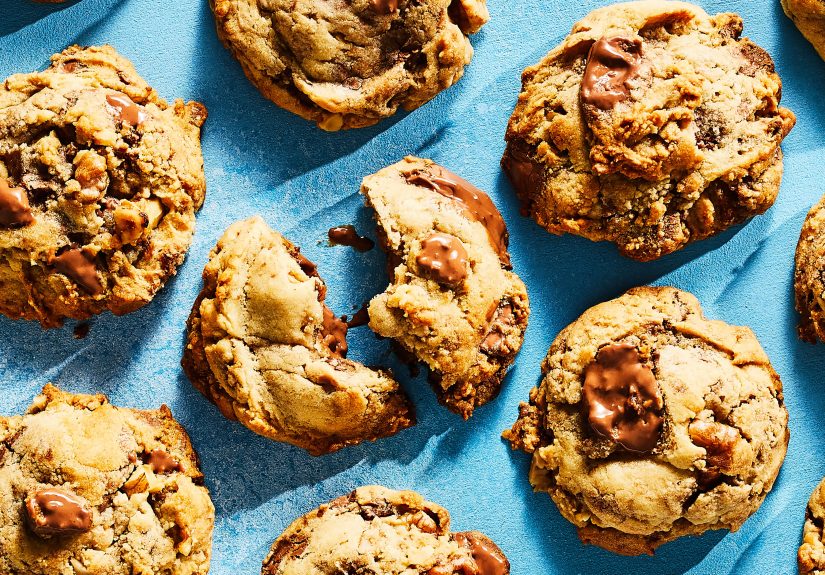
This is where personal preference takes center stage. Chocolate chips hold their shape well, creating tidy little pockets. Chunks and chopped chocolate melt more irregularly, giving you streaks, puddles, and those glorious shards that make a cookie look bakery-level fancy. If you want dramatic pools of chocolate, go chopped. If you want consistency, go chips. If you want both, congratulations: you understand joy.
How to Make Chocolate Chip Cookies Chewy, Crispy, or Thick
For Chewy Cookies
Use more brown sugar than white sugar, avoid overbaking, and consider chilling the dough. Melted butter can also increase chewiness, especially when paired with enough flour to keep the dough from becoming a buttery landslide. Pull the cookies from the oven when the edges are set but the centers still look slightly soft. Residual heat will finish the job.
For Crispy Cookies
Use a bit more granulated sugar, flatten the dough slightly, and bake a touch longer. Thinner scoops spread faster and crisp more evenly. If you love cookies with snappy edges and a delicate crunch, this route is your happy place.
For Thick Bakery-Style Cookies
Chill the dough, scoop it generously, and do not overwork it into neat little perfect balls. Taller, rougher mounds often bake into thicker, more textured cookies. A slightly cooler dough helps the outside set before the butter melts too quickly, which limits spread and encourages height.
Why Chilling the Dough Actually Helps
Chilling cookie dough is not just a trendy baking ritual designed to test your patience. It does real work. As the dough rests, the flour absorbs moisture more fully, the fat firms up, and the flavors have time to develop. That means better browning, less spreading, and a more balanced texture. In plain English: the cookies get better while you ignore them in the fridge.
Even a short chill can help. If you have time for an hour, great. If you have time for overnight, even better. If you have time for three minutes because you are already emotionally committed to dessert, do what you can and bake with confidence anyway.
Common Chocolate Chip Cookie Mistakes
Your Cookies Spread Too Much
This usually happens because the dough is too warm, the butter is overly soft or melted, there is not enough flour, or the baking sheet is hot from a previous batch. Warm dough plus warm pan equals cookie puddles.
Your Cookies Are Dry
Overmeasured flour and overbaking are the usual suspects. A cookie can go from perfect to disappointing in a shockingly small amount of time. Pull them when the centers still look slightly underdone.
Your Cookies Are Pale and Bland
Check your salt, vanilla, and baking time. Salt sharpens flavor. Vanilla rounds it out. And a little more browning often equals a lot more taste.
Your Chocolate Chip Cookies Look Good but Taste Flat
That can happen when the dough needs more contrast. Try a pinch more salt, darker brown sugar, chopped dark chocolate, or browned butter. Cookies need balance, not just sweetness.
Storage, Freezing, and Food Safety
Freshly baked chocolate chip cookies are at their best within the first day or two, but proper storage helps them stay pleasant longer. Keep them in an airtight container at room temperature once completely cool. If you are freezing baked cookies, wrap and store them well so they do not pick up freezer flavors that taste like “mystery onion ice cube.”
Cookie dough is also highly freezer-friendly, which is wonderful news for planners and midnight snack strategists. Scoop the dough into portions, freeze them on a tray, then transfer them to a sealed container or freezer bag. That way, you can bake two cookies, six cookies, or a frankly unreasonable number of cookies whenever the mood hits.
One important note: raw cookie dough is not considered safe to eat unless it is specifically made with heat-treated flour and pasteurized ingredients for that purpose. Regular flour is a raw agricultural product, and raw eggs can also carry harmful bacteria. So yes, the spoon is tempting. The spoon is charismatic. The spoon is not a food safety expert.
What Makes the Best Chocolate Chip Cookies?
The best chocolate chip cookies are the ones that match the texture and flavor you actually want. Some people crave a thin, buttery cookie with crisp edges. Others want a thick, soft-centered cookie that bends before it breaks. Neither side is wrong. This is a cookie, not a constitutional amendment.
That said, the best versions usually share a few traits: balanced sweetness, enough salt to keep the flavor lively, quality chocolate, careful baking time, and a texture that feels intentional rather than accidental. Great cookies do not happen because of luck. They happen because a baker paid attention to the little details that matter.
Chocolate Chip Cookies in Real Life: The Experience of Baking, Sharing, and Sneaking One More
Chocolate chip cookies are not just something you bake. They are something you experience. The first sign is the sound: butter smacking around in the bowl, sugar hitting the sides of the mixer, chocolate chips rattling in like tiny edible hailstones. Then comes the smell, which is frankly unfair to every other dessert. Cakes smell nice. Brownies smell rich. But chocolate chip cookies smell like somebody finally figured out how to bake happiness.
There is also a very specific moment every home baker knows: the awkward internal debate about whether the dough needs more chilling or whether you, as a free citizen, can simply proceed. Sometimes discipline wins. Sometimes the tray goes straight into the oven and you call the extra spreading “rustic.” Both are valid life choices.
Then there is the first-batch anxiety. You watch the oven light like a sports commentator tracking a close game. Too flat? Too puffy? Are they browning? Are they done? Should you rotate the pan? Should you stop opening the oven every thirty seconds like a nervous raccoon? The first batch tells you everything. It is the scout cookie for the rest of the team.
And once the cookies cool just enough not to burn your fingerprints off, the sampling begins. One for quality control. One to compare edge texture. One to evaluate chocolate distribution. One because the first three were obviously part of a rigorous scientific process and you should not interrupt the study.
Chocolate chip cookies also have social superpowers. Bring them to a gathering and people instantly become warmer, friendlier, and more willing to forgive folding chairs and bad playlist choices. Leave a plate in the kitchen and they create traffic. Send a batch to neighbors and suddenly you are not just the person next door. You are the cookie person next door, which is a title of great honor.
Some of the most memorable cookie experiences are imperfect ones. Maybe a batch came out flatter than expected but tasted incredible anyway. Maybe you accidentally used chopped chocolate instead of chips and discovered that molten puddles are the best kind of mistake. Maybe a child helped stir the dough and left flour on every surface within a ten-foot radius. The kitchen looked like a snow globe exploded, but the cookies still disappeared by evening.
That is part of the magic. Chocolate chip cookies are forgiving enough for beginners, interesting enough for serious bakers, and comforting enough for nearly everyone. They fit holidays and random Tuesdays. They belong at bake sales, family reunions, road trips, and lonely evenings when the world feels noisy and a warm cookie feels like a small act of self-defense.
In the end, the experience of chocolate chip cookies is bigger than the recipe. It is the anticipation, the aroma, the first bite, the shared plate, the empty cooling rack, and the promise that another batch can always happen. Few foods offer that much comfort with so little ceremony. It is only a cookie, and somehow it is never just a cookie.
Conclusion
Chocolate chip cookies remain beloved because they offer both comfort and control. You can keep them classic, turn them chewy, push them crispy, make them massive, freeze the dough, brown the butter, swap in chunks, or chase your own perfect version one batch at a time. The secret is not a magical ingredient. It is understanding what each ingredient and technique actually does, then baking with intention.
When you do that, chocolate chip cookies stop being random treats and become reliable wins. And honestly, in a world full of chaos, a reliable win that involves melted chocolate is doing excellent work.