Table of Contents >> Show >> Hide
- Why This Combination Works So Well
- How to Build the Best Chickpeas with Sausage and Pasta
- A Simple Recipe Blueprint
- Delicious Variations to Try
- Common Mistakes to Avoid
- Serving, Storage, and Meal Prep Tips
- Why It Works for Real Life
- Experiences from Real Kitchens: What This Dish Feels Like to Cook and Eat
- Conclusion
- SEO Tags
If you have ever stared into your pantry, spotted a can of chickpeas, a box of pasta, and a pack of sausage, and thought, “Well, this is either dinner or a very confusing personality test,” good news: it is definitely dinner. And not just any dinner. Chickpeas with sausage and pasta is the kind of meal that tastes like a hug from someone who also reminds you to pay your electric bill. It is hearty, smart, flexible, and deeply satisfying.
This dish borrows the best ideas from Italian-style pasta dinners, pantry-friendly bean dishes, and weeknight skillet meals. Chickpeas bring body, nuttiness, and a little extra protein and fiber. Sausage adds savory depth fast, because sausage is basically flavor wearing sweatpants. Pasta gives the whole thing structure and comfort, turning a few humble ingredients into something that feels generous and complete.
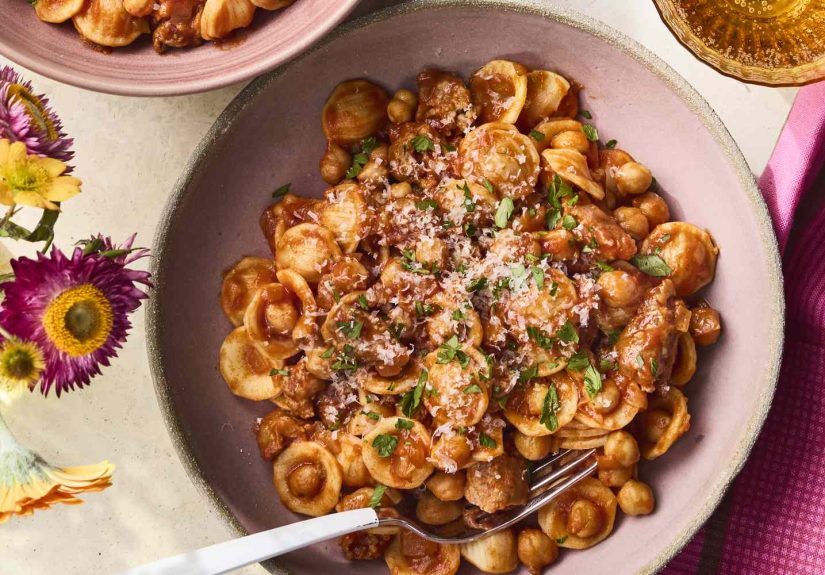
What makes chickpeas with sausage and pasta so appealing is that it can go in several delicious directions. You can make it saucy with tomato paste and broth, bright with lemon and greens, or almost stew-like if you want a bowl that sits somewhere between pasta night and soup season. However you build it, the goal is the same: browned sausage, tender chickpeas, properly cooked pasta, and a glossy sauce that clings instead of pooling sadly at the bottom of the bowl.
Why This Combination Works So Well
Chickpeas do more than fill space
Chickpeas are often treated like backup dancers in a pasta dish, but here they deserve top billing. Their mild, nutty flavor plays well with pork sausage, garlic, onion, tomato, greens, and cheese. They also offer textural flexibility. Left whole, they stay pleasantly firm and hearty. Lightly mashed, they thicken the sauce and give it a velvety, almost creamy feel without requiring a heavy cream detour. That is a neat trick for a pantry staple.
Sausage brings instant depth
Italian sausage is a natural fit because it already contains seasoning, fat, and attitude. Mild sausage gives you a rounder, slightly sweet savoriness, while hot sausage adds peppery bite. Chicken sausage can work for a lighter version, but pork sausage usually delivers the deepest flavor. You can also use chorizo if you want a smokier, spicier profile. The key is browning it well so the rendered fat becomes the flavor foundation for the whole dish.
Pasta turns it into a full meal
Short pasta shapes are the stars here. Orecchiette, shells, ditalini, rigatoni, and small tubes all catch bits of sausage and chickpeas beautifully. That means every forkful tastes like the dish rather than just random noodles making solo career choices. A good pasta shape also helps control the texture of the final dish, whether you want it brothy, lightly sauced, or rich and clingy.
How to Build the Best Chickpeas with Sausage and Pasta
1. Brown the sausage first
Start by removing the sausage from its casing if needed, then cook it in olive oil over medium to medium-high heat. Break it up with a spoon, but do not pulverize it into tiny meat confetti. Bigger crumbles give the finished dish more texture. Let the sausage brown rather than simply turn gray. Those caramelized bits are flavor gold, and they give the sauce a deeper, more roasted character.
2. Build flavor with aromatics
Once the sausage is browned, add onion, shallot, or garlic. If you want a sweeter base, use onion. If you want something sharper and a little fancier, grab shallots. Red pepper flakes are always welcome. Tomato paste is another strong move because it deepens quickly in the pan and creates a richer, more savory backbone. Just cook it for a minute until it darkens slightly and smells sweet and concentrated.
3. Use chickpeas two ways
Here is the trick that makes this dish especially good: do not treat all the chickpeas the same. Keep most of them whole for bite, but mash a small portion with the back of a spoon or pulse a few with broth before adding them. That helps create a sauce with body, which is why the final result feels luxurious even when the ingredient list is refreshingly ordinary. Pantry magic is still magic.
4. Cook the pasta thoughtfully
You can boil the pasta separately until just shy of al dente, or finish it directly in the sauce if you want a more one-pot, pasta-e-ceci style result. Either way, reserve some pasta water before draining. That starchy liquid helps emulsify the sauce, meaning it becomes glossy and cohesive instead of oily or watery. Add a splash at a time and toss until the pasta looks coated rather than drowned.
5. Add greens, acid, or cheese for balance
Because sausage and chickpeas are rich and earthy, the dish benefits from contrast. Bitter greens like kale, escarole, spinach, or broccoli rabe make it feel more complete and less sleepy. Lemon juice or zest brightens the whole pan. Parmesan or Pecorino adds salty sharpness. Fresh herbs like parsley or mint can also wake everything up. This is where a solid dinner becomes a memorable one.
A Simple Recipe Blueprint
You can use this as a practical framework for your own chickpeas with sausage and pasta dinner:
- 12 ounces short pasta
- 12 to 16 ounces Italian sausage, hot or mild
- 1 tablespoon olive oil, plus more if needed
- 1 small onion, diced
- 3 to 4 garlic cloves, minced
- 1 tablespoon tomato paste
- 1 to 2 cans chickpeas, drained and rinsed
- 2 to 3 cups broth or a combination of broth and pasta water
- 4 to 5 cups chopped greens, optional but strongly encouraged
- 1/2 cup grated Parmesan or Pecorino
- Lemon juice, black pepper, and red pepper flakes to taste
- Bring a pot of salted water to a boil and cook the pasta until just under al dente.
- Meanwhile, brown the sausage in olive oil in a large skillet or Dutch oven.
- Add onion and cook until softened, then stir in garlic and tomato paste.
- Add chickpeas, mashing some lightly, then pour in broth.
- Add greens and simmer until tender.
- Toss in the pasta with a splash of pasta water and the cheese.
- Finish with lemon juice, black pepper, and extra cheese.
The final texture should be loose enough to feel luscious, but not so soupy that your pasta starts swimming laps.
Delicious Variations to Try
Tomato-forward and cozy
Add more tomato paste or a can of crushed tomatoes if you want a redder, more traditional sauce feel. This version works especially well with rigatoni or penne and pairs nicely with hot sausage. A sprinkle of parsley at the end keeps it from tasting too heavy.
Brothy and rustic
If you love pasta e ceci, add a little more broth and let the pasta finish in the pot. This gives the starch time to enrich the liquid, creating a comforting bowl that lands somewhere between soup and pasta. It is ideal for cold nights, rainy evenings, or those days when you want dinner to feel like it is wearing a blanket.
Green and bright
Use kale, escarole, or spinach, then finish with lemon zest and extra olive oil. This version tastes lively and balanced, and it is especially good with orecchiette because the little cups catch chickpeas and sausage in a very efficient, no-nonsense way.
Spicy and smoky
Swap Italian sausage for chorizo, add smoked paprika, and use a little extra broth. The result is bolder and deeper, with a stronger, more assertive flavor profile. It is still chickpeas with sausage and pasta, just with a leather jacket.
Common Mistakes to Avoid
Overcooking the pasta
If you know the pasta will simmer in the sauce, undercook it slightly at first. Otherwise, it can become too soft by the time everything comes together. Nobody dreams all day about mushy pasta.
Forgetting texture
This dish shines when there is contrast: tender pasta, juicy sausage, creamy bits of mashed chickpea, and some whole chickpeas that still have shape. If everything in the pan feels soft in the same way, the dish loses energy.
Skipping the finishing touches
Acid, cheese, herbs, or cracked black pepper matter. Without them, chickpeas with sausage and pasta can taste good but a little flat. With them, it tastes layered and intentional.
Serving, Storage, and Meal Prep Tips
Serve this dish hot with grated cheese on top and crusty bread if you are in a particularly carb-positive mood. A simple green salad with lemon vinaigrette also helps cut the richness. For leftovers, cool the pasta promptly and refrigerate it in a sealed container. As with many cooked meat dishes and leftovers in general, it is best eaten within 3 to 4 days. If you are cooking raw sausage, make sure it reaches a safe internal temperature appropriate for ground sausage, typically 160°F for pork or beef sausage. Reheat gently with a splash of broth or water so the sauce loosens back up instead of turning into edible wallpaper paste.
Why It Works for Real Life
One reason this dish keeps earning repeat invitations to dinner tables is that it is practical without tasting boring. It uses pantry ingredients, stretches a package of sausage farther, and welcomes vegetables without making the whole experience feel like homework. Chickpeas help the meal feel substantial, especially if you are trying to rely a little less on meat without giving it up entirely. Pasta makes it family-friendly. Sausage keeps it craveable. This is what dinner diplomacy looks like.
It is also forgiving. Forgot the kale? Use spinach. No Parmesan? Pecorino works. Only have shells instead of orecchiette? The pasta police are off duty. Want it brothy tonight and thick tomorrow? Excellent. The structure is solid enough to guide you, but flexible enough to adapt to what is in the fridge and what kind of day you have had.
Experiences from Real Kitchens: What This Dish Feels Like to Cook and Eat
One of the most relatable things about chickpeas with sausage and pasta is that it rarely begins as a dramatic culinary event. It usually starts with practical thinking. Maybe it is a Wednesday. Maybe your energy level is hovering somewhere between “I can cook” and “cereal is technically a meal.” You open the pantry, see chickpeas and pasta, check the fridge, find sausage, and suddenly dinner starts looking suspiciously achievable.
That is part of the charm. This is not a dish that demands perfect produce, obscure ingredients, or a playlist that includes Italian opera and emotional commitment. It meets you where you are. On busy nights, it feels efficient. On chilly nights, it feels cozy. On nights when you want something hearty but do not want to braise anything for three hours, it feels like a small miracle wearing a wooden spoon.
Home cooks often notice how satisfying the aroma is in the first ten minutes. Sausage browning with onion and garlic smells like the kind of dinner that makes people wander into the kitchen and ask, “What are you making?” in a tone that is already halfway to gratitude. Add tomato paste or broth, and the smell becomes even deeper. Toss in chickpeas, and the pan starts to look like actual dinner instead of ingredients attending a networking event.
The texture is another big part of the experience. When the dish is done well, every bite feels complete. You get tender pasta, savory sausage, creamy chickpea bits, and maybe a leafy green tucked in there to make everyone feel slightly more virtuous. It is filling without being leaden. Rich without being ridiculous. Rustic without trying too hard to look rustic, which is honestly refreshing.
There is also something deeply comforting about how customizable it is. Some cooks like it saucier, almost spoonable. Others want it tighter and more pasta-like. Some households go spicy, some keep it mild, and some add enough cheese at the end that the phrase “light sprinkle” becomes fictional. The point is that the dish adapts. It can absorb personal habits, regional preferences, and the random realities of whatever is left in your refrigerator.
Another common experience with chickpeas with sausage and pasta is that leftovers are often even better the next day. The flavors settle in, the chickpeas absorb more of the broth and sausage drippings, and the whole thing tastes a little more unified. It reheats well for lunch, which means yesterday’s sensible dinner becomes today’s reward for having basic life skills.
And perhaps that is why this meal keeps showing up in so many forms. It feels grounded. It tastes generous. It solves the weeknight dinner problem without making a big speech about it. Chickpeas with sausage and pasta is not flashy, but it does not need to be. It is the kind of dish that earns loyalty quietly, one warm, savory bowl at a time.
Conclusion
Chickpeas with sausage and pasta is proof that a great dinner does not need luxury ingredients or complicated technique. It just needs balance: savory sausage, creamy and hearty chickpeas, pasta cooked with care, and a sauce that knows exactly what it is doing. Whether you make it tomato-rich, brothy, spicy, or bright with greens and lemon, this is the kind of meal that fits real life and still tastes like you tried. In other words, the dream.