Table of Contents >> Show >> Hide
- What Makes An HGTV Green Home Worth Checking?
- The Building Envelope: The Home’s Quiet Superhero
- Energy Efficiency: More Than A Sticker On The Appliance
- Water Efficiency: The Unsung Hero Of Green Homes
- Indoor Air Quality: The Green Feature You Actually Breathe
- Materials And Finishes: Beauty With A Backstory
- Location And Community: The Part Beyond The Front Door
- Smart Home Features: Helpful, Unless They Get Too Smart For Their Own Good
- How To Do A Practical HGTV Green Home Checkup
- Common Problems Found In Green Homes
- What Homeowners Can Learn From HGTV Green Homes
- Real-World Experiences: What It Feels Like Checking On An HGTV Green Home
- Conclusion
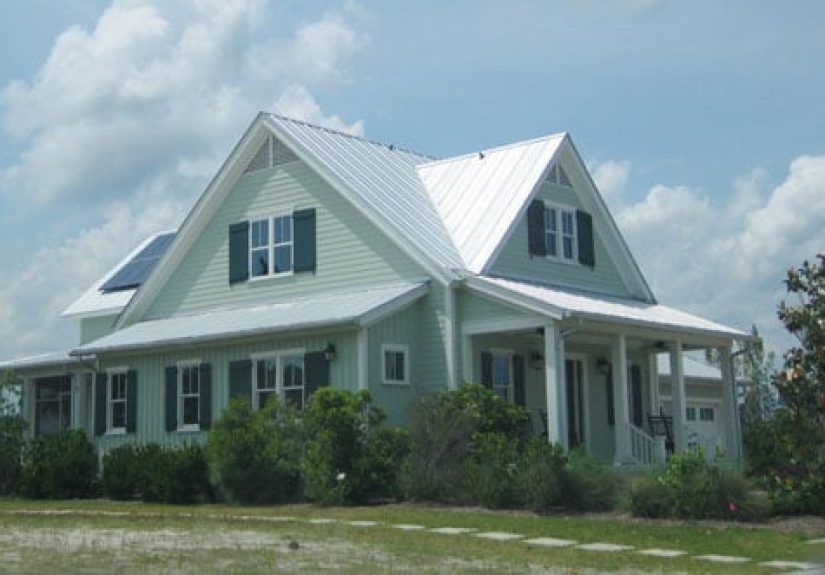
Checking on an HGTV Green Home is a little like opening a beautifully wrapped gift and then reading the instruction manualexcept the manual involves insulation, indoor air quality, water efficiency, and a surprising amount of respect for drip irrigation. The HGTV Green Home series was not just about pretty rooms and camera-ready porches. It was designed to show homeowners that an eco-friendly house could be stylish, comfortable, practical, and not remotely shaped like a science project with curtains.
From the early HGTV Green Home projects near Hilton Head, South Carolina, to homes in Florida, Massachusetts, Colorado, and Serenbe, Georgia, the series highlighted what green living can look like when design, building science, and everyday comfort agree to sit at the same table. These homes used ideas connected to LEED certification, ENERGY STAR performance, efficient water systems, recycled or responsibly sourced materials, native landscaping, and healthier indoor finishes. In other words, they were built to do more than smile for the camera.
But here is the fun little secret about any green home: it still needs checking. A sustainable house is not a magic box that saves energy forever while you sip iced tea and admire the backsplash. Its systems need attention. Its insulation, ventilation, appliances, landscaping, windows, and water fixtures all work together. If one part slacks off, the whole home can lose performance faster than a reality-show contestant loses confidence during demo day.
What Makes An HGTV Green Home Worth Checking?
An HGTV Green Home is interesting because it combines two things people often separate: beauty and performance. Many homeowners think of green building as solar panels, bamboo floors, or a compost bin sitting heroically beside the garage. Those can be part of the picture, but a truly green home is much broader. It considers where the house is placed, how much energy it uses, how much water it saves, what materials go into it, how clean the indoor air feels, and how the home performs over time.
HGTV’s Green Home projects regularly emphasized categories also found in recognized green-building frameworks: sustainable sites, water efficiency, energy performance, materials and resources, indoor environmental quality, innovation, and homeowner education. That last piece matters. A home can be packed with efficient systems, but if the owner uses them like a haunted remote control, the benefits shrink.
Checking on an HGTV Green Home means asking a practical question: is the home still living up to the promise? The answer depends on how well the design features are maintained and whether the daily habits inside the home support the original green goals.
The Building Envelope: The Home’s Quiet Superhero
If a green home had a secret identity, it would probably be the building envelope. Not glamorous, not likely to get a close-up, but absolutely essential. The building envelope includes the walls, roof, foundation, windows, doors, insulation, and air sealing. It is what separates indoor comfort from outdoor mood swings.
HGTV Green Homes often focused on energy-efficient windows, better insulation, and careful sealing. These details help reduce heating and cooling demand. In a well-built green home, the HVAC system should not have to work like it is training for a marathon every afternoon. Instead, the home holds temperature more steadily, reduces drafts, and improves comfort from room to room.
What To Check
Start by walking through the house on a hot, cold, or windy day. Feel around windows, doors, attic hatches, recessed lights, baseboards, and exterior wall outlets. Drafts may seem tiny, but they can add up. Look for uneven room temperatures, condensation on windows, or dusty streaks near air leaks. These are clues that the envelope needs attention.
Also check attic insulation. If insulation is compressed, uneven, damp, or missing in spots, the home’s performance can suffer. Green homes depend on consistent installation. A fancy label cannot rescue insulation that looks like it was installed during a pillow fight.
Energy Efficiency: More Than A Sticker On The Appliance
ENERGY STAR-rated appliances, efficient lighting, high-performance HVAC systems, and smart controls all play a role in a greener home. HGTV Green Home designs frequently leaned into these features because they are easy for homeowners to understand. A refrigerator with a strong efficiency rating is less mysterious than a wall assembly, and thankfully, it does not require crawling into the attic with a flashlight.
Still, energy efficiency is not a one-time purchase. Appliances age, filters clog, thermostats get reprogrammed by someone who believes 66 degrees is “basically room temperature,” and ducts can leak. A proper checkup looks at both the equipment and the behavior around it.
What To Check
Review utility bills over the past 12 months. Look for sudden increases that cannot be explained by weather, extra guests, or a teenager discovering hour-long hot showers. Replace HVAC filters on schedule. Make sure supply vents and returns are not blocked by furniture, rugs, or decorative baskets that looked charming until they strangled the airflow.
Check the thermostat programming. Smart thermostats work best when they are actually used intelligently. Set reasonable temperatures, create schedules, and use vacation modes. Then inspect major appliances. A clean dryer vent, a well-maintained refrigerator coil, and efficient lighting can make a meaningful difference without requiring a dramatic renovation montage.
Water Efficiency: The Unsung Hero Of Green Homes
Water efficiency is one of the most practical parts of green home design. HGTV Green Homes often included water-saving fixtures, smart irrigation, native or drought-tolerant landscaping, and efficient outdoor systems. The goal is simple: use less water without making daily life feel like camping with better countertops.
Inside the home, water-efficient faucets, toilets, showerheads, and dishwashers reduce waste. Outside, smart landscaping can lower irrigation demand. In some HGTV Green Home examples, drip irrigation and native plantings helped reduce unnecessary water use while keeping the exterior attractive. This is the sweet spot: responsible, functional, and still nice enough that the neighbors do not think your yard has given up.
What To Check
Look for slow leaks under sinks, around toilets, near water heaters, and at outdoor hose bibs. A toilet that quietly runs all day can waste a shocking amount of water. Check showerheads and faucets for mineral buildup that affects performance. Review irrigation schedules seasonally, because watering like it is July when it is actually October is not efficiencyit is just expensive optimism.
If the yard uses native plants, check whether they are thriving. Native landscaping is lower maintenance, not zero maintenance. Mulch, soil health, plant spacing, and proper watering still matter. A green landscape should look alive, not like it is auditioning for a desert documentary.
Indoor Air Quality: The Green Feature You Actually Breathe
Indoor environmental quality is one of the most important and sometimes overlooked features of green building. Low-VOC paints, healthier finishes, proper ventilation, moisture control, and good filtration all help make a home more comfortable and healthier to live in. The best green homes do not simply reduce energy use; they also protect the people inside.
This matters because modern high-performance homes are often built tighter. Tight construction saves energy, but it also makes ventilation more important. A home should not leak air randomly through cracks, but it should exchange air intentionally through a proper system. Controlled ventilation is the difference between a smart green home and a very efficient shoebox.
What To Check
Pay attention to odors, humidity, condensation, and stale air. Check bathroom fans, kitchen exhaust systems, HVAC filters, and any energy recovery or heat recovery ventilation equipment. Make sure exhaust fans actually vent outside, not into an attic where moisture can throw a tiny mold-themed party.
Humidity is another major clue. Indoor humidity that is too high can encourage mold and discomfort; too low can feel dry and irritating. A basic humidity monitor is inexpensive and useful. Green living is easier when the home is not secretly growing a science experiment behind the drywall.
Materials And Finishes: Beauty With A Backstory
HGTV Green Homes often showcased eco-conscious materials such as reclaimed wood, recycled-content products, sustainable cabinetry, natural fibers, and durable finishes. The point was not to make the home look “green” in a cliché way. It was to prove that responsible materials can be warm, stylish, and modern.
Durability is a major part of sustainability. A cheap product that needs replacing every few years may be less green than a well-made product that lasts. The greenest flooring is not always the trendiest one; it is the one that performs, can be maintained, and does not need to be ripped out after one unfortunate furniture-moving incident.
What To Check
Inspect floors, cabinets, countertops, decks, and exterior materials for wear. Look for moisture damage, warping, cracking, fading, or loose boards. If the home uses reclaimed or natural materials, follow the correct care instructions. Do not treat every surface like laminate and hope for the best. Wood, stone, cork, bamboo, and recycled materials each have their own maintenance needs.
Also consider future replacements. When something wears out, choose products with credible certifications, recycled content, low emissions, strong warranties, and repairability. A green home stays green through every small decision, not only through the original construction.
Location And Community: The Part Beyond The Front Door
One reason HGTV Green Homes were memorable is that they often connected the home to its setting. The 2012 Green Home in Serenbe, Georgia, for example, reflected a community built around land preservation, walkability, farm-to-table ideas, and a closer relationship with nature. That is a reminder that sustainability is not limited to what happens inside the walls.
A home’s location affects transportation, stormwater, landscaping, energy demand, and lifestyle. A well-designed green home in a thoughtful community can reduce car dependence, support outdoor living, and make efficient choices feel natural rather than forced.
What To Check
Look at how the home interacts with the site. Are trees providing useful shade? Is drainage moving water away from the foundation? Are walkways, porches, and outdoor areas actually used? Is the home oriented in a way that supports daylight and comfort? A green home should feel connected to its place, not dropped onto the lot like a decorative toaster.
Smart Home Features: Helpful, Unless They Get Too Smart For Their Own Good
HGTV’s green and smart home ideas overlap in a useful way. Smart thermostats, leak detectors, lighting controls, efficient appliances, and energy monitoring can help homeowners reduce waste. Technology is not automatically sustainable, but when it supports better decisions, it becomes a powerful tool.
The key is simplicity. A smart system should help the homeowner understand and manage the house, not require a three-hour tutorial and emotional support. If a feature is too complicated, people stop using it. The best green technology quietly improves daily life.
What To Check
Review connected devices twice a year. Update software, replace batteries in sensors, test leak detectors, and make sure energy-monitoring apps still connect properly. Check lighting schedules and motion sensors. Make sure smart plugs are used for devices that benefit from them, not for something that already uses almost no standby power.
Technology should serve the home’s larger goals: lower energy use, less water waste, better comfort, and fewer maintenance surprises. If a gadget does none of those things, it may be more “shiny” than “green.”
How To Do A Practical HGTV Green Home Checkup
A full green home checkup does not have to be intimidating. Think of it as a seasonal home wellness visit. You are not trying to rebuild the house; you are making sure the systems are still working together.
Spring Checkup
Inspect exterior drainage, gutters, downspouts, landscaping, irrigation systems, windows, doors, and outdoor living areas. Spring is also a good time to look for winter damage, refresh mulch, and adjust watering schedules before summer heat arrives.
Summer Checkup
Focus on cooling performance, window shading, ceiling fans, air filters, and humidity. If certain rooms become uncomfortable, investigate insulation, air sealing, ducts, or window performance instead of simply lowering the thermostat and declaring war on the electric bill.
Fall Checkup
Prepare for colder weather by checking weatherstripping, attic insulation, heating systems, fireplaces, ventilation, and exterior gaps. Fall is also a smart time to review appliance performance before holiday cooking turns the kitchen into a small production studio.
Winter Checkup
Watch for condensation, drafts, uneven heating, and indoor air quality issues. Replace filters, monitor humidity, and make sure bathroom and kitchen ventilation are working well. A green home should feel cozy, not sealed up like a leftovers container.
Common Problems Found In Green Homes
Even high-performance homes can develop issues. The most common problems include air leaks, dirty filters, poorly adjusted thermostats, overwatering, clogged gutters, neglected ventilation systems, and moisture problems. None of these are glamorous, but they matter.
Another common issue is green amnesia. Homeowners move in, enjoy the beautiful design, and forget the systems behind it. They stop using smart controls, ignore maintenance reminders, replace efficient bulbs with whatever was on sale, or water the landscape like they are personally responsible for maintaining a rainforest. Over time, the home becomes less efficient.
The fix is not complicated. Keep records. Save product manuals. Track utility bills. Schedule seasonal checks. Hire qualified pros when needed. Green performance is easier to maintain when the homeowner treats the house like a system, not just a collection of rooms.
What Homeowners Can Learn From HGTV Green Homes
The biggest lesson from an HGTV Green Home is that sustainability works best when it is integrated. A green home is not created by one dramatic feature. Solar panels are wonderful, but they cannot make up for poor insulation. Efficient appliances help, but they do not fix bad ventilation. Native landscaping saves water, but only if the irrigation schedule is reasonable.
The magic is in the combination: a tight building envelope, efficient systems, water-smart choices, durable materials, healthy finishes, thoughtful landscaping, and informed homeowners. That may sound less exciting than a room reveal, but it is the real reveal. The best green homes perform beautifully long after the cameras leave.
Real-World Experiences: What It Feels Like Checking On An HGTV Green Home
Checking on an HGTV Green Home in real life is less dramatic than television, but honestly, that is part of the charm. There is no suspenseful music when you open the mechanical closet. Nobody gasps when the HVAC filter slides out looking dusty. Yet these small moments are where the home proves whether it is truly green or merely wearing the outfit.
The first experience is usually comfort. A well-designed green home feels steady. Rooms do not swing wildly from too hot to too cold. The windows do not create chilly zones in winter or fiery sun traps in summer. When the building envelope is doing its job, the home feels calm. It is the architectural version of someone who remembered to bring snacks, a jacket, and a phone charger.
The second experience is quiet efficiency. In a high-performance home, the mechanical systems often run less aggressively. The air conditioner may cycle more smoothly. The heating system may not blast like a dragon every 20 minutes. This is not only about saving money; it is about living in a space that feels less fussy. Good design lowers the number of daily annoyances, which is a very underrated form of luxury.
The third experience is learning that green features are practical, not precious. A water-efficient showerhead should still provide a satisfying shower. Native plants should still make the yard look welcoming. Recycled or reclaimed materials should still feel beautiful. When green design is done well, guests may not even notice it at first. They simply notice that the house feels good, looks good, and does not behave like a utility-bill monster.
The fourth experience is realizing that maintenance is part of the story. A green home rewards attention. Clean filters, tuned systems, sealed gaps, healthy landscaping, and smart settings all help preserve performance. Skipping maintenance is like buying a hybrid car and never checking the tires. The technology may be smart, but it cannot overcome complete neglect with a cheerful little beep.
The fifth experience is inspiration. HGTV Green Homes are useful because they make sustainable living feel approachable. You do not need to build a showcase house to borrow the ideas. You can start with air sealing, better insulation, efficient lighting, low-VOC paint, WaterSense fixtures, smart irrigation, composting, shade trees, or a more thoughtful thermostat schedule. Small upgrades can build momentum.
Most homeowners will never live in an actual HGTV Green Home, and that is perfectly fine. The real value is the checklist mindset. Look at your home as a living system. Ask where energy escapes, where water is wasted, where air quality can improve, and where materials can last longer. That kind of curiosity turns any house into a better house. It may not come with a sweepstakes prize, a camera crew, or a dramatic host reveal, but it can come with lower bills, better comfort, and the deeply satisfying feeling that your home is finally pulling its weight.
Conclusion
Checking on an HGTV Green Home is really about checking on the promise of better living. The beauty of these homes is not only in the design finishes, cheerful rooms, or magazine-ready exteriors. It is in the systems that make the home efficient, comfortable, healthier, and more responsible over time.
A green home should save energy, conserve water, support indoor air quality, use durable materials, respect its site, and remain practical for real people. The HGTV Green Home concept helped bring those ideas into mainstream conversation. The next step is making sure those ideas continue working after move-in day.
Whether you are touring a famous green showcase, buying an energy-efficient home, remodeling your current place, or simply trying to stop your utility bill from acting like it owns the house, the same lesson applies: inspect, maintain, adjust, and improve. A green home is not a trophy. It is a relationship. Fortunately, it is one that does not mind if you show up with a checklist.