Table of Contents >> Show >> Hide
- What Arthritis Really Means
- Can You Completely Prevent Arthritis?
- Maintain a Healthy Weight to Protect Your Joints
- Move More, But Move Smart
- Strength Training: Your Joint Insurance Policy
- Prevent Joint Injuries Whenever Possible
- Do Not Smoke
- Eat for Lower Inflammation and Better Joint Health
- Manage Blood Sugar and Metabolic Health
- Protect Your Bones and Muscles
- Pay Attention to Early Symptoms
- Sleep, Stress, and Recovery Matter
- Arthritis Prevention by Type
- A Practical Arthritis Prevention Plan
- Common Myths About Preventing Arthritis
- Experiences Related to “Can You Prevent Arthritis?”
- Conclusion: So, Can You Prevent Arthritis?
- SEO Tags
Arthritis has a sneaky public relations problem. Most people picture it as something that simply shows up with age, knocks on the door, and says, “Hello, I will now make your knees sound like popcorn.” But the truth is more usefuland more hopeful. You cannot prevent every type of arthritis, and you definitely cannot negotiate with your genes like they are a cable bill. Still, many risk factors are within your control. With the right habits, you may lower your risk, delay symptoms, protect your joints, and reduce the chance that arthritis becomes the bossy roommate of your future.
The main keyword here is simple: Can you prevent arthritis? The honest answer is: not always, but often you can reduce the risk. Arthritis is not one single disease. It is a large group of conditions that cause joint pain, stiffness, swelling, and reduced movement. Osteoarthritis, rheumatoid arthritis, psoriatic arthritis, and gout all have different causes. That means prevention is not a magic pill; it is more like a smart toolbox. Some tools protect cartilage. Some calm inflammation. Some help your immune system behave less like an over-caffeinated security guard.
What Arthritis Really Means
Arthritis refers to more than 100 conditions affecting joints and surrounding tissues. The most common type is osteoarthritis, often linked with cartilage wear, joint injury, age, excess weight, and repetitive stress. Rheumatoid arthritis, on the other hand, is an autoimmune disease in which the immune system attacks joint tissue. Gout happens when uric acid crystals build up in joints, often causing sudden, painful flares.
Because these conditions differ, prevention depends on the type. You may not be able to guarantee that you will never develop arthritis, but you can stack the odds in your favor. Think of it like maintaining a car: you cannot prevent every flat tire, but you can avoid driving over nails while eating fries with one hand and ignoring the check-engine light.
Can You Completely Prevent Arthritis?
No one can promise complete arthritis prevention. Age, family history, sex, previous injuries, autoimmune tendencies, and certain medical conditions may raise risk. Those are not always changeable. However, many factors are changeable, including body weight, physical activity, smoking, joint protection, blood sugar control, diet quality, and how quickly you treat early symptoms.
The best approach is to separate arthritis prevention into two goals: lowering your chance of developing arthritis and slowing damage if early arthritis has already started. Both matter. Many people do not realize that the habits used to prevent arthritis are also the habits that help manage it: movement, strength, healthy weight, anti-inflammatory eating patterns, good sleep, and medical care when symptoms appear.
Maintain a Healthy Weight to Protect Your Joints
Weight management is one of the most practical ways to reduce arthritis risk, especially osteoarthritis of the knees, hips, and feet. Extra body weight increases mechanical stress on weight-bearing joints. Your knees, heroic little hinge machines that they are, do not get a vacation day. Over time, increased pressure may contribute to cartilage breakdown and joint pain.
There is also a metabolic side. Fat tissue is not just storage; it can release inflammatory substances that may affect joints throughout the body. That helps explain why excess weight is linked not only with knee arthritis but also with arthritis in places that do not carry body weight, such as the hands.
Small Weight Changes Can Matter
You do not need a dramatic transformation montage with inspirational music and a refrigerator full of celery. Even modest weight loss can reduce pressure on joints and improve movement. For many people, a realistic plan begins with portion awareness, more whole foods, fewer sugary drinks, and regular walking. The goal is not to chase a perfect body. The goal is to give your joints a lighter workload so they do not file a formal complaint.
Move More, But Move Smart
Exercise is one of the strongest lifestyle tools for arthritis prevention and joint protection. It strengthens muscles around joints, improves balance, supports healthy weight, and helps preserve range of motion. Strong muscles act like shock absorbers. Weak muscles leave joints doing all the heavy lifting, and joints are not thrilled about unpaid overtime.
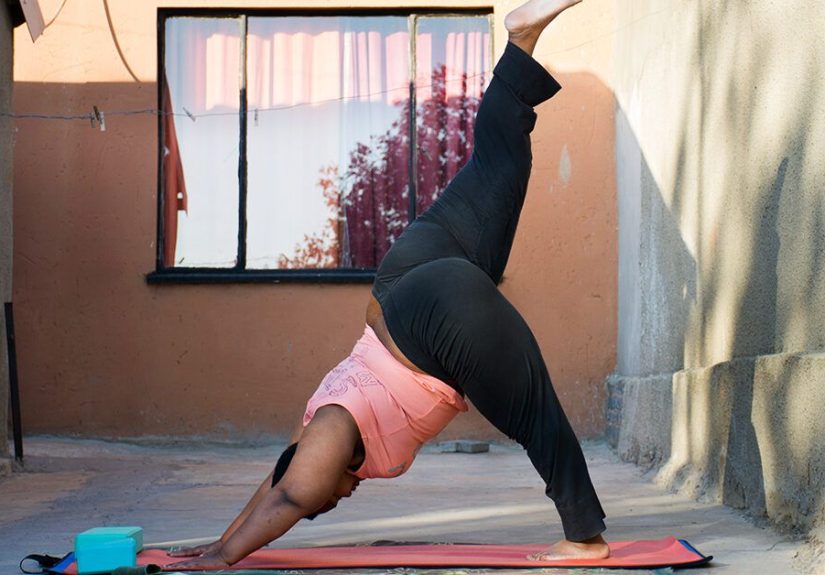
Adults are generally encouraged to aim for at least 150 minutes of moderate-intensity aerobic activity per week, along with muscle-strengthening activities. For arthritis prevention, joint-friendly movement is especially valuable. Walking, cycling, swimming, water aerobics, light gardening, tai chi, yoga, and resistance training can all help when performed safely.
Low-Impact Does Not Mean Low-Value
Some people hear “low-impact” and imagine an exercise so gentle it barely counts. Not true. Low-impact exercise can build endurance, improve circulation, strengthen muscles, and support cartilage health without pounding the joints. Swimming is not “easy” just because the pool looks relaxing. Ask anyone who has tried water aerobics and discovered their arms have been replaced by noodles.
The key is consistency. A 20-minute walk most days is often more useful than one heroic workout followed by three days of walking like a rusty robot. If you already have pain, start slowly and increase gradually. Pain that is sharp, worsening, or followed by swelling is a signal to adjust and talk with a health professional.
Strength Training: Your Joint Insurance Policy
Strength training deserves its own spotlight. Strong quadriceps help support the knees. Strong glutes and hips improve lower-body mechanics. Strong core muscles support posture and reduce stress on the spine. You do not need to become a powerlifter. Bodyweight exercises, resistance bands, light dumbbells, or supervised gym machines can be enough.
For example, a person worried about knee osteoarthritis may benefit from strengthening the hips, thighs, and calves. Someone with hand stiffness may benefit from gentle grip and range-of-motion exercises. The goal is controlled strength, not showing the dumbbells who is boss. Good form beats heavy weight every time, especially when your joints are part of the audience.
Prevent Joint Injuries Whenever Possible
Previous joint injury is a major risk factor for osteoarthritis. A torn ligament, damaged meniscus, fractured joint surface, or repeated sprain can increase arthritis risk years later. This is especially important for athletes, active workers, dancers, weekend warriors, and anyone who believes stretching is something other people do.
Injury prevention includes warming up, building strength, using proper technique, wearing supportive shoes, taking rest days, and avoiding sudden jumps in training intensity. If your normal routine is walking to the mailbox, do not suddenly sign up for a mountain race because your friend said it would be “fun.” Friends are wonderful. Friends also sometimes confuse fun with orthopedic paperwork.
Ergonomics Count, Too
Joint protection is not only about sports. Work habits matter. Repeated kneeling, squatting, heavy lifting, vibration tools, awkward wrist positions, and long hours at poorly arranged desks can stress joints over time. Ergonomic keyboards, proper chair height, lifting with the legs, rotating tasks, and taking movement breaks can reduce strain. Your joints enjoy good posture the way your phone enjoys a charger.
Do Not Smoke
Smoking is strongly linked with rheumatoid arthritis risk and may make rheumatoid arthritis more severe. It can also interfere with treatment response and increase inflammation throughout the body. If arthritis prevention had a villain wearing a dramatic cape, smoking would be in the running.
Quitting smoking supports the immune system, heart health, bone health, and circulation. It also lowers risk for many chronic diseases beyond arthritis. If quitting feels difficult, that does not mean you have failed. Nicotine is powerful, and support matters. A doctor, counselor, quitline, or evidence-based cessation program can make the process more manageable.
Eat for Lower Inflammation and Better Joint Health
No single food can guarantee arthritis prevention. Blueberries are lovely, but they are not tiny orthopedic surgeons. Still, diet quality matters. A balanced eating pattern rich in vegetables, fruits, beans, whole grains, nuts, seeds, fish, lean proteins, and healthy fats may support lower inflammation and better weight control.
The Mediterranean-style diet is often discussed because it emphasizes plants, olive oil, fish, legumes, and minimally processed foods. This pattern may support heart health and may help people with inflammatory conditions. It is also practical. You do not need rare ingredients blessed by a wellness influencer under a full moon. A bowl with salmon, beans, greens, tomatoes, brown rice, and olive oil is a strong start.
Limit Ultra-Processed Foods and Sugary Drinks
Highly processed foods, excess added sugar, and frequent sugary beverages can make weight management harder and may contribute to inflammation. For gout prevention, reducing high-fructose drinks, limiting alcohol, staying hydrated, and managing weight are especially important. People prone to gout may also need to limit certain high-purine foods, such as organ meats and some seafood, depending on medical advice.
For most people, the best arthritis prevention diet is not extreme. It is sustainable. A realistic plate might include half vegetables or fruit, a quarter lean protein, a quarter whole grains or starchy vegetables, and some healthy fat. It should also include joy, because a life without enjoyable food is not prevention; it is a punishment with side dishes.
Manage Blood Sugar and Metabolic Health
Diabetes and metabolic problems can affect inflammation, circulation, nerve health, and healing. High blood sugar may also contribute to tissue changes that are not friendly to joints. Managing blood sugar through nutrition, physical activity, sleep, medical care, and weight management can support overall joint health.
This is another reason arthritis prevention should not be treated as a knee-only project. Your joints are part of a whole-body system. Heart health, metabolic health, immune health, and bone health all overlap. The body is not a collection of unrelated apps; it is one operating system, and every update matters.
Protect Your Bones and Muscles
Arthritis prevention is not only about cartilage. Healthy bones and muscles reduce fall risk, improve movement, and support joint stability. Vitamin D, calcium, protein, strength training, and weight-bearing activity all play roles in musculoskeletal health. People with rheumatoid arthritis may also face higher risks of bone thinning, especially if they use certain medications or avoid movement because of pain.
Before taking supplements, it is smart to talk with a clinician. More is not always better. Your body is not a kitchen sink where you can pour in every supplement and hope something sparkles. Testing and personalized advice are safer than guessing.
Pay Attention to Early Symptoms
Early treatment can make a major difference, especially for inflammatory arthritis such as rheumatoid arthritis or psoriatic arthritis. Warning signs include joint swelling, morning stiffness lasting more than 30 minutes, warmth around joints, pain in multiple joints, fatigue, reduced grip strength, or symptoms that do not improve with rest.
Osteoarthritis often develops gradually, with pain that worsens after activity and improves with rest. Rheumatoid arthritis may cause symmetrical symptoms, such as both wrists or both hands feeling stiff and swollen. Gout often causes sudden intense pain, commonly in the big toe, ankle, or knee. These patterns are not perfect rules, but they are clues.
Do Not Wait Until Pain Runs the Meeting
Many people ignore joint pain until it starts canceling plans. That is understandablewe are all busy, and nobody wants to make a doctor appointment because a thumb feels dramatic. But persistent swelling, stiffness, or pain deserves attention. Earlier diagnosis can help prevent damage, improve function, and guide safe exercise.
Sleep, Stress, and Recovery Matter
Sleep and stress do not get enough respect in arthritis prevention conversations. Poor sleep can worsen pain sensitivity, increase fatigue, and make healthy choices harder. Chronic stress can affect inflammation and immune regulation. Recovery is not laziness; it is maintenance.
A joint-friendly lifestyle includes rest days, consistent sleep routines, stretching, relaxation, and pacing. If you are starting a new exercise plan, give your body time to adapt. Soreness can be normal. Sharp pain, swelling, or pain that changes your walking pattern is not something to “win” against. Your joints do not hand out trophies for stubbornness.
Arthritis Prevention by Type
Osteoarthritis Prevention
To reduce the risk of osteoarthritis, focus on maintaining a healthy weight, staying active, strengthening muscles, preventing injuries, and reducing repetitive joint strain. Supportive footwear, proper lifting technique, and ergonomic work habits also help.
Rheumatoid Arthritis Risk Reduction
You cannot fully prevent rheumatoid arthritis, but avoiding smoking, maintaining healthy weight, caring for oral health, staying active, and seeking early medical care may reduce risk or improve outcomes. If you have family history plus symptoms like swelling and morning stiffness, do not ignore them.
Gout Prevention
For gout, prevention often involves managing uric acid. Helpful steps may include staying hydrated, limiting alcohol, reducing sugary drinks, managing weight, and following medical advice about diet or medication. Gout is treatable, but it is not something to challenge casually. It has the personality of a tiny dragon living in a joint.
A Practical Arthritis Prevention Plan
If you want a simple plan, start with five habits. First, move most days with low-impact activity. Second, build strength two or more days per week. Third, aim for a healthy weight without crash dieting. Fourth, stop smoking or avoid starting. Fifth, protect joints from injury at work, during exercise, and in daily life.
Then add the bonus habits: eat more whole foods, reduce sugary drinks, sleep consistently, manage stress, and see a healthcare professional for persistent symptoms. This plan is not flashy, but it works better than waiting for a miracle supplement advertised by someone standing next to a suspiciously shiny blender.
Common Myths About Preventing Arthritis
Myth 1: Exercise wears out your joints.
Smart exercise usually protects joints by strengthening muscles, improving balance, and supporting healthy weight. The danger is not movement itself; it is poor technique, sudden overload, injury, or ignoring pain signals.
Myth 2: Arthritis is only an old-person problem.
Age increases risk, but arthritis can affect younger adults and even children. Autoimmune arthritis, post-traumatic arthritis, and gout can appear earlier than many people expect.
Myth 3: If your parents had arthritis, you are doomed.
Family history matters, but it is not destiny. Lifestyle habits can still influence risk, symptoms, function, and long-term joint health.
Myth 4: Supplements can prevent arthritis.
Some supplements may help certain people manage symptoms, but none can guarantee arthritis prevention. Talk with a clinician before using supplements, especially if you take medications or have medical conditions.
Experiences Related to “Can You Prevent Arthritis?”
One of the most common real-life experiences around arthritis prevention begins with a small warning sign: a knee that feels cranky after stairs, fingers that seem stiff in the morning, or a hip that complains after a long drive. At first, people often laugh it off. “I just slept wrong,” they say, as if sleeping has suddenly become an extreme sport. But those little signals can be useful. They are not always arthritis, but they are invitations to pay attention.
Imagine a 42-year-old office worker named Mark. He spends most of the day at a desk, then tries to make up for it with one intense weekend basketball game. For years, this workeduntil his knees started aching on Mondays. Instead of quitting movement completely, Mark changed the formula. He added short walks during lunch, strengthened his legs twice a week, warmed up before games, and replaced one high-impact session with cycling. He did not become a different person overnight. He simply stopped treating his knees like rented equipment.
Or consider Linda, who has a family history of rheumatoid arthritis. She cannot change her genes, but she can control several habits. She avoids smoking, keeps regular dental appointments, stays active with yoga and walking, and checks in with her doctor when she notices unusual swelling. Her approach is not fear-based. It is practical. She understands that early detection matters, especially with inflammatory arthritis. Prevention, in her case, means staying alert without turning every finger twinge into a five-season medical drama.
Another common experience involves weight. Many people hear “lose weight for your joints” and immediately feel judged. That is not helpful. A better way to frame it is joint workload. If someone loses even a modest amount of weight, their knees and hips may experience less pressure with every step. That can make walking easier, which makes movement more enjoyable, which supports more weight management. It becomes a helpful cycle instead of a guilt spiral. No one needs shame to protect their joints. They need tools, patience, and a plan that fits real life.
Food changes can also feel more doable when they are connected to everyday choices. A person trying to reduce gout risk might start by swapping soda for water most days, limiting alcohol, and building meals around vegetables, beans, whole grains, and lean protein. Someone focused on inflammation might add fish twice a week or use olive oil instead of butter more often. These are not glamorous changes. They will not trend on social media unless someone adds dramatic lighting. But they are the kind of boring-but-powerful habits that joints appreciate over time.
The biggest lesson from real experience is that arthritis prevention is not one heroic decision. It is a collection of ordinary choices repeated often enough to matter. Take the stairs when your body allows. Strengthen the muscles that support your joints. Rest when pain is warning you. Get symptoms checked before they become life managers. Eat in a way your future self will thank you for. Arthritis may not be completely preventable, but your daily habits can influence how strong, mobile, and comfortable your body feels for years to come.
Conclusion: So, Can You Prevent Arthritis?
You may not be able to prevent arthritis completely, but you can do a lot to lower your risk and protect your joints. The most effective strategies are refreshingly practical: maintain a healthy weight, stay physically active, build muscle, avoid smoking, prevent injuries, eat a balanced diet, manage metabolic health, and seek care for persistent joint symptoms.
Arthritis prevention is not about chasing perfection. It is about giving your joints a better environment: less excess stress, more support, lower inflammation, better movement, and faster attention when something feels wrong. Your future knees, hips, hands, and back may not send a thank-you card, but they will probably appreciate the effort.