Table of Contents >> Show >> Hide
- What Are Lip Bumps, Exactly?
- Common Causes of Bumps on Lips
- 1. Cold Sores (Oral Herpes)
- 2. Canker Sores (Aphthous Ulcers)
- 3. Fordyce Spots
- 4. Mucoceles (Mucous Cysts)
- 5. Allergic Reactions and Irritation
- 6. Acne, Milia, and Clogged Pores Near the Lips
- 7. Infections: Bacterial or Fungal
- 8. Sun Damage, Venous Lakes, and Other Vascular Changes
- 9. Oral Cancer and Precancerous Changes (Less Common but Serious)
- How to Tell What’s Causing Your Lip Bumps
- Treatment Options for Lip Bumps
- When to See a Doctor or Dentist
- Prevention Tips: Keeping Your Lips Happy
- Real-Life Experiences: What It’s Like to Live with Lip Bumps
- The Bottom Line
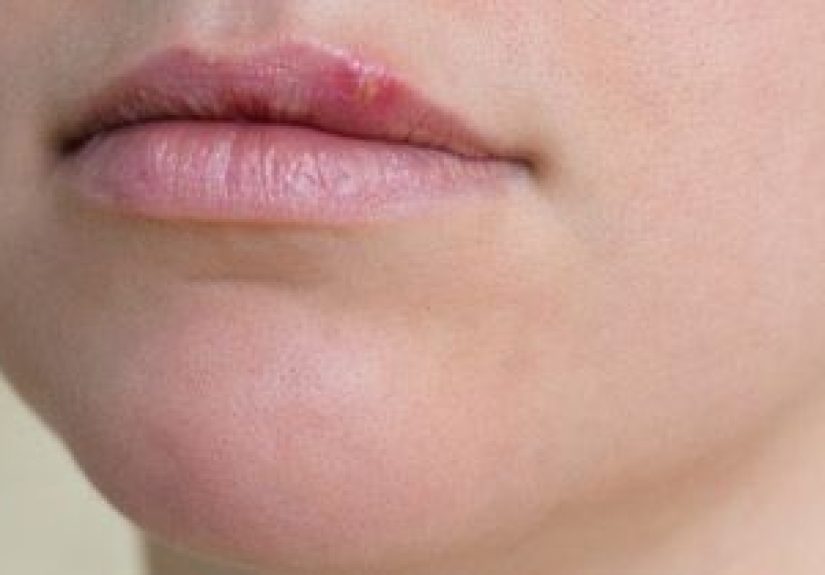
You’re brushing your teeth, minding your own business, when you spot it in the mirror:
a tiny bump on your lip that definitely was not there yesterday. Cue mild
panic, a zoomed-in selfie, and a search bar full of “bumps on lips herpes???”
Take a breath. Most bumps on the lips are common, treatable, and often harmless.
That said, a few can signal something more serious, so it’s smartnot dramaticto pay attention.
In this guide, we’ll walk through the most likely causes, what the bumps typically look and feel like,
treatment options, and when it’s time to call in a pro.
What Are Lip Bumps, Exactly?
“Bumps on lips” is a broad term. You might notice:
- A single small white bump on the lip line
- A cluster of tiny blisters on the edge of the lip
- Soft, painless, skin-colored dots on or just inside the lips
- A sore, ulcer-like spot that stings when you eat something spicy
- A firm area that doesn’t heal and slowly grows over time
Some bumps are simply normal anatomic variants (basically, your lips being their quirky selves),
while others are from infections, irritation, allergic reactions, or, less commonly, cancer. The key clues
are how the bump looks, how long it lasts, and whether it hurts, bleeds, or changes.
Common Causes of Bumps on Lips
1. Cold Sores (Oral Herpes)
Cold sores, also called fever blisters, are one of the most common causes of painful bumps on the lips.
They’re usually caused by the herpes simplex virus type 1 (HSV-1). Many adults carry this virus, even if they rarely
(or never) get obvious outbreaks.
Cold sores usually:
- Start with a tingling, burning, or itching sensation on or near the lip
- Turn into a cluster of fluid-filled blisters
- Then ooze, crust, and heal over 7–10 days
They’re highly contagiousthrough kissing, sharing utensils, or even lip balm. Sun exposure, stress, illness,
or a weakened immune system can trigger outbreaks.
Treatment & management: Antiviral medications (topical or oral) prescribed by a healthcare
provider can help cold sores heal faster and reduce the frequency of outbreaks. Over-the-counter creams,
pain-relieving gels, and cool compresses can ease discomfort, but they don’t replace professional treatment
for frequent or severe episodes.
2. Canker Sores (Aphthous Ulcers)
Canker sores aren’t actually on the outer lip, but they often show up on the inner lip lining
or just inside the mouth where they still feel like “lip bumps.” They look like small, round, shallow ulcers
with a white, yellow, or gray center and a red border.
Unlike cold sores, canker sores:
- Are not contagious
- Often hurt when you eat acidic, salty, or spicy foods
- May be linked to minor trauma (biting your lip), stress, hormones, or nutrient deficiencies
They usually heal on their own in 1–2 weeks. Mouth rinses, protective pastes, or prescription treatments can
help if they’re frequent or particularly painful.
3. Fordyce Spots
If you see lots of tiny white or yellowish dots along the lip borderoften painless, not itchy, and not changing much
you might be looking at Fordyce spots. These are simply visible sebaceous (oil) glands.
Characteristics of Fordyce spots include:
- Pinpoint to a few millimeters in size
- Whitish-yellow or pale, sometimes in clusters
- Usually painless and harmless
They’re considered a normal variation, not an infection, not an STI, and not dangerous. People often notice them more
after puberty. Most of the time, no treatment is needed, although some may seek cosmetic removal (for example,
with laser or other dermatologic procedures).
4. Mucoceles (Mucous Cysts)
A mucocele is a soft, fluid-filled bump that forms when a minor salivary gland gets blocked or injured,
often from lip biting or trauma. They’re usually found on the inside of the lower lip but can sometimes be close
enough to feel like a “lip bump” from the outside.
Mucoceles:
- May look clear, bluish, or the same color as surrounding tissue
- Are usually painless but may be annoying
- Can come and go or stick around
Small mucoceles may resolve on their own. Persistent ones might need to be removed by a dentist or oral surgeon.
Whatever you do, don’t try to pop them at home.
5. Allergic Reactions and Irritation
Sometimes a bump or swelling on the lip is your body saying,
“Hey, whatever that was, let’s never do that again.”
Common triggers include:
- Certain foods (like nuts, shellfish, or spicy sauces)
- Flavored or fragranced lip balms and glosses
- Dental products (toothpaste, mouthwash)
- Cosmetics and skincare around the mouth
An allergic or irritant reaction can cause:
- Red, itchy, or burning lips
- Small bumps or a bumpy texture
- Dryness, scaling, or cracking
The primary “treatment” is avoiding the trigger. A healthcare provider may recommend topical steroids
or other medications if the reaction is significant.
6. Acne, Milia, and Clogged Pores Near the Lips
The skin right around your lips still has hair follicles and oil glands, so you can absolutely get:
- Acne pimples along the lip line
- Milia, which are tiny, hard white cysts
- Clogged pores that look like small flesh-colored or white bumps
Lip products, heavy makeup, or not fully removing sunscreen or foundation around the mouth can make these more likely.
Gentle cleansing, noncomedogenic products, and avoiding picking or squeezing the bumps can help.
7. Infections: Bacterial or Fungal
Some lip bumps come from bacterial infections (like impetigo) or fungal infections
(such as oral thrush that extends to the lips). These may look like:
- Crusty, honey-colored scabs (bacterial)
- White patches that can be wiped off, leaving a red surface (fungal)
- Red, painful areas with swelling or oozing
These infections usually require medical treatmentantibiotics or antifungalsand sometimes lab tests to confirm
the cause.
8. Sun Damage, Venous Lakes, and Other Vascular Changes
The lips take a lot of sun, often with less sunscreen protection than the rest of the face. Over time,
this can contribute to:
- Venous lakes – soft, dark blue or purple bumps caused by dilated veins
- Rough, scaly patches (actinic damage) that may need evaluation
Venous lakes are usually harmless but can be treated with lasers if they’re bothersome cosmetically or prone to bleeding.
9. Oral Cancer and Precancerous Changes (Less Common but Serious)
Most lip bumps are benign, but a firm, non-healing bump or soreespecially on the lower lip
can sometimes be a sign of oral cancer or precancerous changes.
Red flags can include:
- A bump or sore that lasts longer than 2–3 weeks
- Bleeding, crusting, or thickened areas
- Changes in color or a mix of red and white patches
- Numbness, pain, or difficulty moving the lip
Risk is higher in people who smoke, use other tobacco products, drink heavily, or have significant sun exposure to the lips.
Any suspicious, persistent bump should be checkedand possibly biopsiedby a dentist, dermatologist, or oral surgeon.
How to Tell What’s Causing Your Lip Bumps
While only a healthcare professional can give a definitive diagnosis, paying attention to a few details can help
you narrow down the possibilities:
- Location – Outer lip border (cold sore, Fordyce spots, venous lake)? Inner lip (canker sore, mucocele)? Skin around the lips (acne, dermatitis)?
- Number of bumps – Single bump (mucocele, pimple, venous lake) vs. many dots (Fordyce spots, milia)
- Pain or itching – Cold sores and canker sores are often painful; Fordyce spots and milia are usually not
- Speed of change – Sudden swelling after a new food or product suggests an allergy or irritation
- Duration – Anything that doesn’t improve or heal within about two weeks deserves a professional look
When in doubt, it’s better to ask your healthcare provider or dentist than to rely on internet photos and guesswork.
Treatment Options for Lip Bumps
Home Care and Self-Help Strategies
For many minor bumps, basic lip TLC makes a big difference:
- Keep the area clean with gentle cleansingno harsh scrubbing
- Avoid picking, squeezing, or popping bumps (tempting, but risky)
- Use bland, fragrance-free lip balms to prevent dryness
- Apply a cool compress for pain or swelling
- Choose soft, non-irritating foods if sores are painful
If you suspect an allergic or irritant reaction, stop using any new products on or around your lips and see if things improve.
Medical Treatments
Depending on the cause, your provider may recommend:
- Antiviral medicines for cold sores to shorten outbreaks and reduce recurrence
- Topical or oral corticosteroids for significant inflammation or some immune-related conditions
- Antibiotics or antifungals if a bacterial or fungal infection is identified
- Procedures like excision or laser therapy for mucoceles, venous lakes, or cosmetic treatment of Fordyce spots
Never start prescription medicines left over from someone else’s cold sore or rash. What worked for them might be
totally wrong for you.
When “Doing Nothing” Is the Right Move
Conditions like Fordyce spots and many milia are medically harmless. Treatment is optional and typically
pursued only for cosmetic reasons. Sometimes the most medically sound plan is to monitor the area, protect your lips,
and move on with your day.
When to See a Doctor or Dentist
You should get a professional opinion if:
- The bump or sore lasts longer than 2–3 weeks without improvement
- It’s very painful, spreading, or interfering with eating or speaking
- You have frequent cold sores or severe outbreaks
- You notice bleeding, a firm lump, or a rapidly changing spot
- You have a weakened immune system (for example, from certain medications or conditions)
If you have sudden swelling, trouble breathing, or swelling of the tongue or throat, seek emergency care
immediately, as that can be a sign of a serious allergic reaction.
Prevention Tips: Keeping Your Lips Happy
You can’t prevent every lip bump, but you can lower your odds:
- Use a lip balm with broad-spectrum SPF when you’ll be outdoors
- Avoid sharing drinks, lip balms, or utensils, especially if someone has a visible cold sore
- Keep stress in check and prioritize sleep, which may reduce cold sore flare-ups
- Choose gentle, fragrance-free products for lips and the skin around them
- Wear a mouthguard for sports to avoid trauma to the lips
And remember: paying attention doesn’t mean obsessing. Lips are expressive, busy little structuresthey’ll have
their off days.
Real-Life Experiences: What It’s Like to Live with Lip Bumps
It’s one thing to read about bumps on lips in a medical article and another to actually wake up with one before a date,
a presentation, or your vacation photoshoot. The emotional side of lip bumps is realespecially when the bump is
obvious, painful, or keeps coming back.
Imagine three different people dealing with very different kinds of bumps:
Alex gets recurring cold sores, usually during busy seasons at work. The first time it happened,
they were convinced everyone was staring at their lip in meetings. Over time, Alex learned to recognize the warning
tingle and call their doctor early for treatment. They now keep a plan in place: start antiviral medication quickly,
use a protective lip product with SPF, and be a little kinder to themselvesno, one cold sore does not cancel out an
otherwise great week.
Jordan has Fordyce spots along the upper lip. They noticed them in their early twenties and initially
panicked after comparing them to internet photos of every possible condition. A visit to a dermatologist confirmed
they were harmless sebaceous glandsnormal, not contagious, and not a sign of an STI. That reassurance was huge.
Jordan still sees the spots in close-up selfies, but now they understand that they’re just part of their lip
anatomy. Over time, the anxiety faded even though the spots didn’t.
Sam experienced an allergic reaction after switching to a new, strongly flavored lip balm.
Overnight, their lips became bumpy, red, and itchy. At first, Sam thought it was “chapped lips gone wrong,”
but things only improved after they stopped using the new balm, switched to a fragrance-free option, and got
guidance from a healthcare provider. The experience made them more label-savvy and a lot more skeptical of
“tingly” lip products that promise a plumping effect.
These stories share a few common themes:
- Reassurance matters. Knowing what a bump isand what it isn’treduces a huge amount of stress.
- Having a plan is empowering. Whether it’s managing cold sores or avoiding a known lip product
trigger, a clear plan makes you feel less at the mercy of random bumps. - Body image plays a role. Lips are front-and-center when you talk, smile, or take photos,
so it’s normal to feel self-conscious when something looks different.
People who’ve dealt with chronic or recurring lip bumps often say the most helpful step was simply talking to a
professional instead of guessing. Once they had a diagnosis, they could focus their energy on actual solutions:
medication, trigger management, or sometimes just accepting that a harmless quirk doesn’t make them any less
attractive or healthy.
If you’re in the “new bump, lots of questions” stage, you’re not alone. Use that curiosity wiselytrack how long
the bump has been there, what it looks like, and any products or foods that might be related. Bring that information
to your healthcare appointment. It turns a scary unknown into a manageable conversation.
The Bottom Line
Bumps on the lips are incredibly common and usually caused by issues like cold sores, canker sores, Fordyce spots,
mucoceles, irritation, or clogged pores. Most are treatable or completely harmless, but a persistent,
changing, or painful bumpespecially one that doesn’t heal after a couple of weeksdeserves a professional exam.
Protect your lips from sun and irritation, avoid sharing items that can spread infection, and don’t hesitate to
ask a doctor or dentist if something doesn’t look or feel right. And remember: a tiny bump on your lip doesn’t
define your health, your confidence, or your smile.
Disclaimer: This article is for general informational purposes only and is not a substitute for professional medical advice, diagnosis, or treatment. Always talk with a qualified healthcare provider about any questions or concerns you have about bumps on your lips or other health issues.