Table of Contents >> Show >> Hide
- Why a paper clay brick wall works so well
- What you’ll need
- Choose the right wall before you get dramatic
- How to build your own paper clay brick wall
- How to make your faux brick look startlingly real
- Mistakes that can ruin the look
- Best places to use a paper clay brick wall
- Experience: what this project really feels like in real life
- Conclusion
If you’ve been staring at a plain wall and thinking, “You know what this room needs? A little old-world charm and a tiny bit of fake masonry drama,” welcome. You are among friends. The good news is that you do not need to learn bricklaying, rent a mixer, or develop forearms like a 19th-century stonemason. You can build a convincing paper clay brick wall with simple tools, a little patience, and a willingness to get delightfully dusty.
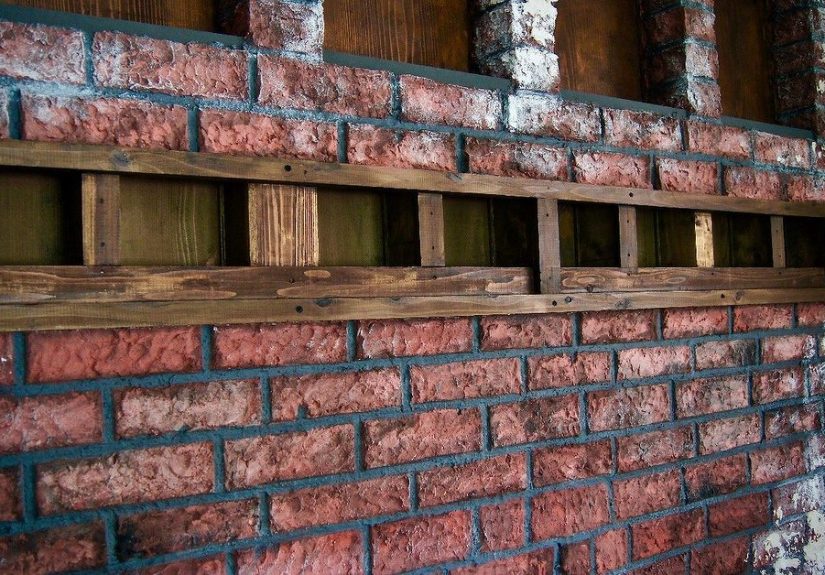
A DIY faux brick wall made from paper clay gives you something paint alone can’t always deliver: real texture. Not the “I dabbed a sponge on the wall and now I regret my choices” kind of texture. Real, touchable, shadow-catching depth. When it’s painted well, sealed properly, and installed on a prepared surface, paper clay can create a warm, aged, handmade finish that looks far more expensive than it is.
This project works especially well for accent walls, fireplace surrounds that are purely decorative, entry nooks, craft rooms, reading corners, and built-ins that need character. It is not structural, and it is not a substitute for real brick in wet or high-heat zones. But for style? Oh, it absolutely shows up.
Why a paper clay brick wall works so well
The magic of paper clay is that it is lightweight, easy to shape, and beginner-friendly. You can roll it, cut it, press texture into it, and paint it once it dries. That makes it ideal for a faux brick accent wall where you want the look of uneven, handcrafted brick without the weight and mess of masonry products.
Unlike some faux finishes that rely only on paint tricks, this method creates actual relief on the wall. Light hits the edges differently. Glaze settles into creases. Dry brushing catches the high points. Translation: your wall stops looking like plain drywall wearing a costume and starts looking like it has a story.
Another bonus is creative control. Want polished European farmhouse brick? Easy. Want rough cottage texture with crumbly edges and smoky color variation? Also easy. Want something that looks like it has survived three generations, two dogs, and one dramatic kitchen remodel? You can absolutely paint your way there.
What you’ll need
- Paper clay or air-dry clay
- A clean work surface, wax paper, parchment, or plastic sheeting
- Rolling pin or acrylic roller
- Craft knife, utility knife, or clay cutter
- Ruler or measuring guide
- Water and a small brush or sponge
- Strong adhesive suitable for interior craft or décor work
- Painter’s tape, drop cloths, and a level
- Fine sandpaper or sanding sponge
- Primer
- Acrylic or latex paint in brick and mortar shades
- Optional glaze or watered-down paint wash
- Matte or satin sealer
If you already own a putty knife, an old toothbrush, and one sponge that has seen things, even better. Those are perfect for adding texture and distressing.
Choose the right wall before you get dramatic
Not every wall wants to become faux brick, and honestly, that is fair. Pick a surface that is clean, stable, and relatively flat. Entry walls, dining room accents, mudroom corners, bookcase backs, and decorative fireplace faces are excellent candidates. A textured wall finish like this looks best where light can skim across it and show off the dimension.
Avoid splash-heavy areas unless you plan to seal the surface thoroughly and accept that this is still a decorative finish. Paper clay is porous until sealed, which is why sealing matters so much. It is also smart to avoid any area exposed to direct flame or intense heat. If you are working around a fireplace, treat the project as decorative cladding for the surrounding wall only, not for the firebox interior.
If you are a renter, consider applying your brick pieces to a removable backer panel instead of directly to the wall. That way, you get the look without starting a security deposit thriller.
How to build your own paper clay brick wall
1. Prep the wall like a grown-up
This is the boring step, which means it is also the step people skip right before they text their friends, “Why is my project peeling?” Clean the wall thoroughly to remove dust, grease, and anything else that might interfere with adhesion. Repair small holes or cracks with filler, scrape off loose paint, and sand rough spots smooth. Then wipe away the dust.
If the wall is very patchy or porous, apply primer first. Primer helps create a more predictable surface and improves how paint behaves later. Think of it as giving your wall a nice, neutral attitude before the chaos begins.
2. Plan your brick layout
Real brick looks good because the pattern is consistent enough to feel intentional but imperfect enough to feel natural. Start by deciding your brick size. A classic decorative proportion is roughly 7 to 8 inches long by 2 to 2 1/2 inches high, but you can scale up or down depending on your space.
Use painter’s tape, a level, and light pencil lines to mark a few horizontal guides. Stagger each row so the vertical joints do not line up. That offset pattern is what gives a brick wall its familiar rhythm. Before you make dozens of clay pieces, create a small sample area first. A practice board saves you from turning your entire wall into an experimental phase.
3. Roll and cut the paper clay bricks
Condition the clay by kneading it until it feels soft and workable. Then roll it out on parchment, wax paper, or a protected surface. Aim for a fairly even thickness. Too thin, and the pieces may warp or crack more easily. Too thick, and the wall starts drifting from “lovely rustic brick” into “medieval fortress made by a very optimistic crafter.”
Cut rectangles using a ruler and knife, but do not obsess over machine-perfect precision. Slight variation is your friend here. In fact, if every brick is exactly identical, the finished wall can look less convincing. Gently round some corners, nick a few edges, and vary the surfaces just enough to mimic age.
4. Add believable brick texture
This is where the project goes from craft supply to character. Press texture into each brick with a sponge, stiff brush, crumpled foil, or old toothbrush. Lightly drag the edge of a putty knife across some surfaces. Tap in tiny pits. Score faint lines. You are not trying to make each brick look damaged; you are trying to make each one look lived in.
Do not texture every piece the same way. Repetition is great for wallpaper patterns and sitcom catchphrases, but not for faux masonry. Alternate smoother bricks with rougher ones so the wall feels more natural.
5. Attach the bricks to the wall
Work in manageable sections. Apply adhesive to the back of each dry or partially dry clay brick, then press it onto the wall following your layout lines. Keep the spacing between pieces fairly consistent so your “mortar joints” look intentional. You can use tile spacers, bits of cardboard, or simply eyeball it carefully.
Press firmly, but do not smash the texture out of the clay. If adhesive squeezes out, clean it up right away. Start from the bottom and work upward so your rows stay visually grounded. Step back often. Brick walls are judged harshly by the human eye. You might think a row is straight until you step six feet back and realize it is doing jazz hands.
6. Decide what to do with the joints
You have two good options. First, leave clean gaps between the bricks and paint those lines as mortar later. This is the simplest route and works beautifully when your spacing is neat. Second, add a thin skim of lightweight joint compound or clay slip around some areas for a more old-world, German schmear-inspired finish.
If you go the schmear route, apply it lightly and irregularly. The goal is softness and age, not burying all your lovely brick texture under a frosting of regret.
7. Let everything dry slowly
This step matters more than people think. Air-dry clay needs time, and slow drying is usually better than rushing it with strong heat. Give air a chance to circulate. If pieces seem to be drying too fast, especially in a hot room, ease up. Sudden drying can invite cracks and warping.
Some minor cracking can actually look charming on faux brick, but deep structural cracking is less adorable. Plan for patience. This is not a “finish before lunch” project unless your lunch is scheduled for next Thursday.
8. Seal, prime, and paint
Once the wall is completely dry, lightly sand any rough bumps that feel distracting rather than charming. Then seal the clay. This is a big deal because paper clay is porous. A sealer strengthens the surface and helps paint go on more evenly.
After sealing, apply primer if needed, then start painting. Begin with a mortar color in the gaps and around the edges. Then build your brick shades in layers. A realistic brick finish usually combines more than one color: muted red, clay brown, soft terracotta, charcoal, dusty white, and maybe a touch of warm beige.
Use a base coat first, then dry brush lighter shades on the raised areas. Finish with a glaze or wash to create depth. A translucent glaze softens harsh color changes and helps the texture read like real material. If you want a timeworn farmhouse feel, a whitewash effect can brighten the surface while letting the underlying colors peek through.
How to make your faux brick look startlingly real
The trick is not using one perfect color. Real brick varies. Some pieces are warmer, some are duller, some are smoky around the edges, and mortar ages differently than the brick itself. That variation is what your eye reads as authentic.
Try this simple formula:
- Paint all bricks in a medium terracotta or muted brick tone.
- Add random bricks in deeper brown-red and dusty clay.
- Dry brush a few edges with pale tan or chalky white.
- Use a thin gray-brown wash to settle into texture and joints.
- Wipe back some areas with a rag for a worn, old-house finish.
You can also borrow inspiration from whitewashed brick, limewash looks, or German schmear techniques. These finishes brighten a wall and add softness without erasing texture. They are especially beautiful in farmhouse, cottage, French country, and vintage-inspired spaces.
Mistakes that can ruin the look
Making every brick identical. Real brick has variation. Uniform perfection can look artificial.
Skipping wall prep. Dust, grease, and loose paint are basically a breakup letter to your adhesive.
Drying too fast. Hot air and impatience can lead to unnecessary cracks.
Using only one paint color. That gives you “painted rectangles,” not brick.
Overdoing the distressing. A little wear looks historic. Too much wear looks like your wall lost a fight.
Forgetting to seal. Sealer protects the surface and improves the finish. Skip it, and your wall may stay extra-porous and harder to clean.
Best places to use a paper clay brick wall
This project shines in small, focused areas where the texture can be appreciated up close. Great options include:
- Entryway accent walls
- Reading nooks
- Backs of bookshelves
- Decorative fireplace surrounds
- Breakfast corners
- Craft rooms and studios
- Photo backdrops for content creators and small shops
If you want a cozy, collected look, style the finished wall with warm wood, black metal, linen textiles, and a few imperfect vintage accessories. Brick loves company, especially if that company looks like it once had a life before arriving in your online cart.
Experience: what this project really feels like in real life
Here is the part nobody tells you when you start dreaming about a paper clay brick wall: the first few bricks can feel oddly unconvincing. You cut them out, stick them on the wall, step back, and think, “Excellent, I have invented textured toast.” That is normal. The wall usually looks awkward before it looks amazing.
The turning point comes when the pattern starts repeating in a believable way. Somewhere around the third or fourth row, the wall begins to read as brick instead of random clay rectangles. That moment is deeply satisfying. You stop second-guessing the project and start getting a little smug in the best possible way.
Texture is also more important than most people expect. Smooth pieces can look flat, even after painting. But once you rough up the surface with a sponge, a brush, or the edge of a putty knife, the difference is dramatic. Paint catches those little imperfections beautifully. A thin wash settles into the pits and grooves, and suddenly the wall has depth, shadow, and that “surely this has been here for years” energy.
Drying time teaches patience fast. If you are the sort of person who likes immediate results, paper clay will gently place a hand on your shoulder and say, “Not today.” The best outcomes come when you let the material dry gradually and stop poking it every twenty minutes. If you rush it, the pieces can warp or crack in places you did not intend. If you let it do its thing, the surface stays stronger and easier to finish.
Painting is where the project becomes genuinely fun. A flat base coat can look decent, but layered color is what makes people lean in and touch the wall. Dabbing on a darker red here, brushing dusty beige there, then dragging a soft gray-brown wash across everything gives the surface a believable age. Wiping some paint back off is often just as important as putting paint on. That push and pull creates the weathered look most people want.
There is also something surprisingly forgiving about this project. If one brick looks weird, paint helps. If a seam looks too clean, texture helps. If a section feels too dark, whitewash helps. Unlike some DIY jobs where one bad cut can ruin the whole day, a faux brick wall gives you room to adjust as you go. It is less about perfection and more about building layers until the wall feels right.
And yes, it is messy. Not demolition-crew messy, but definitely “why is there clay dust in my sock?” messy. Still, it is the kind of mess that feels productive. By the time you finish, the wall has warmth, texture, and personality. More importantly, it no longer looks like builder-grade blankness. It looks curated. Handmade. Slightly expensive. Quietly dramatic. In other words, it looks like you knew exactly what you were doing the whole time, even if you absolutely had a mid-project snack break while staring at one crooked brick.
Conclusion
Building your own faux brick wall out of paper clay is one of those rare DIY projects that lands in the sweet spot between affordable, creative, and genuinely stylish. It gives you the dimension of masonry, the flexibility of craft materials, and the freedom to customize every inch. Prep the wall well, dry the clay slowly, layer the paint thoughtfully, and seal the finish once you love the look. Do that, and you can turn a plain wall into a textured focal point that feels warm, storied, and wonderfully original.