Table of Contents >> Show >> Hide
- What Is Breast Anatomy?
- Main Functions of the Breast
- What Is Breast Cancer?
- Common Breast Cancer Warning Signs
- How to Check for Breast Cancer: Breast Self-Awareness
- Mammograms and Medical Screening
- Risk Factors for Breast Cancer
- Breast Anatomy and Cancer Types
- Practical Tips for Breast Health
- Experience Notes: What People Often Learn About Breast Awareness
- Conclusion
Breasts are often discussed as if they are mysterious, dramatic, and slightly overbooked organs. In reality, breast anatomy is beautifully practical: a smart mix of glands, ducts, fat, connective tissue, nerves, blood vessels, and lymph pathways. Their best-known biological function is milk production, but breast health matters long before and long after pregnancy. Understanding how breasts are built can help you recognize what is normal for your body, what deserves attention, and when to call a healthcare professional instead of asking the internet to play detective in a bathrobe.
Breast cancer is one of the most common cancers among women in the United States, though it can also occur in men. The good news is that early detection, routine screening, and breast self-awareness can make a meaningful difference. This guide explains breast anatomy in clear American English, describes the main functions of breast tissue, and shows how to check for breast cancer warning signs without turning your bathroom mirror into a medical courtroom.
What Is Breast Anatomy?
Breast anatomy refers to the internal and external parts that make up the breast. On the outside, the most visible structures are the skin, nipple, and areola. On the inside, the breast contains lobes, lobules, milk ducts, fatty tissue, connective tissue, blood vessels, nerves, lymph vessels, and lymph nodes. Each part has a job, and together they create a structure that changes through puberty, menstrual cycles, pregnancy, breastfeeding, aging, and hormonal shifts.
Lobes and Lobules
Inside each breast are sections called lobes. These lobes contain smaller glands called lobules. Lobules are the milk-producing glands of the breast. During pregnancy and after birth, hormones signal the lobules to produce milk. Even when a person is not breastfeeding, lobules remain an important part of breast structure because many breast cancers begin in glandular tissue.
Milk Ducts
Milk ducts are thin tubes that carry milk from the lobules toward the nipple. Think of them as tiny delivery lanes, except instead of bringing pizza, they transport milk. Many breast cancers begin in the ducts, which is why terms like “ductal carcinoma” appear so often in breast cancer education. Ducts are normal, necessary structures, but changes in duct cells can become important when doctors evaluate breast health.
Nipple and Areola
The nipple sits near the center of the breast and contains openings where milk can exit during breastfeeding. Around the nipple is the areola, the darker area of skin that may vary widely in size and color. Small bumps on the areola are usually normal glands that help lubricate the area. Changes such as new nipple inversion, scaling, crusting, discharge not related to breastfeeding, or persistent pain should be discussed with a healthcare provider.
Fatty and Connective Tissue
Fatty tissue gives breasts much of their size and shape. Connective tissue, sometimes called stroma, supports the ducts and lobules. This is one reason breasts can feel different from person to person. Some breasts feel soft, some feel firm, and some naturally feel lumpy or rope-like. Breast size does not determine cancer risk by itself, and having small breasts does not mean there is less reason to pay attention to breast health.
Blood Vessels, Nerves, and Lymph Nodes
Blood vessels deliver oxygen and nutrients to breast tissue. Nerves provide sensation. Lymph vessels carry lymph fluid and connect to lymph nodes, especially near the underarm, collarbone, and chest. The lymph system is part of the immune system. It also matters in breast cancer because cancer cells can sometimes travel through lymph vessels to nearby lymph nodes.
Main Functions of the Breast
The main biological function of the breast is lactation, or milk production. However, breasts also have sensory, hormonal, and health-monitoring significance. They respond to estrogen, progesterone, prolactin, and other hormones. That is why breasts may feel tender, swollen, or different at certain times of the menstrual cycle. Hormonal changes can also influence benign breast conditions such as cysts or fibrocystic changes.
Milk Production and Breastfeeding
During pregnancy, lobules and ducts prepare for milk production. After birth, hormones help trigger milk release. The lobules make milk, the ducts carry it, and the nipple allows milk to leave the breast. This system is efficient, but not always effortless. Breastfeeding can involve clogged ducts, soreness, infection, or supply concerns, so professional support is helpful when problems appear.
Hormonal Response
Breasts are hormone-sensitive. Before a menstrual period, some people notice fullness, tenderness, or lumpier texture. These changes often improve after the period begins. During menopause, breasts may become less dense and more fatty because hormone levels change. Knowing your own normal pattern is useful because it helps you notice changes that do not fit your usual rhythm.
Breast Density
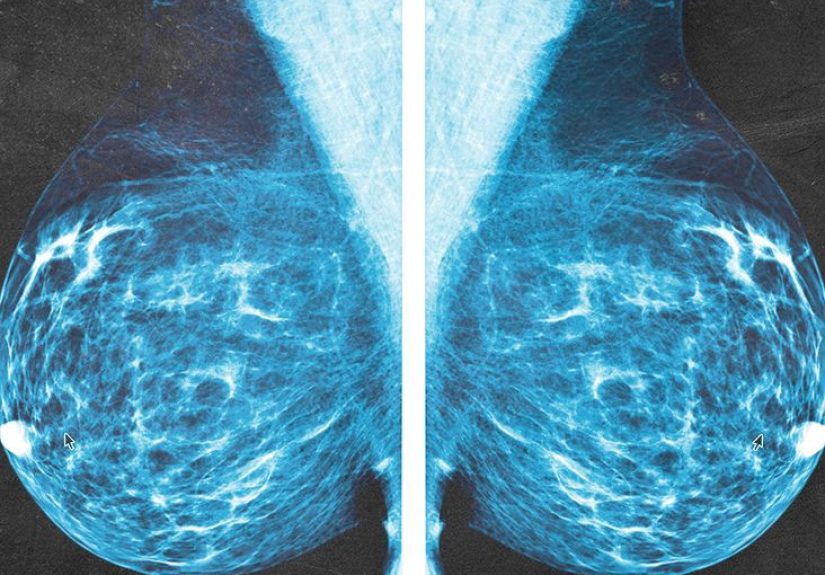
Breast density describes how much fibrous and glandular tissue appears compared with fatty tissue on a mammogram. Dense breasts are common. They can make mammograms harder to read because dense tissue and tumors may both appear white on imaging. Dense breast tissue may also be linked with a higher risk of breast cancer. If your mammogram report says you have dense breasts, ask your healthcare provider whether you need any additional screening based on your personal risk.
What Is Breast Cancer?
Breast cancer happens when cells in the breast grow out of control. It most often starts in the ducts or lobules, though it can begin in other breast tissues. Some cancers stay within the ducts or lobules at first. Others become invasive, meaning they grow into nearby breast tissue. In some cases, cancer cells can enter the lymph system or bloodstream and spread to other parts of the body.
Not every lump is cancer. In fact, many breast lumps are benign, especially in younger people. Cysts, fibroadenomas, infections, hormonal changes, and injuries can all cause breast changes. Still, guessing is not a medical strategy. A new lump or unusual change should be checked by a qualified healthcare professional.
Common Breast Cancer Warning Signs
Breast cancer does not always cause symptoms, especially in early stages. That is one reason mammograms are important for people in the recommended age groups. Still, breast self-awareness can help you notice changes between screenings.
Changes to Watch For
- A new lump in the breast or underarm
- Thickening or swelling in part of the breast
- Breast skin dimpling, puckering, redness, or irritation
- Change in breast size or shape that is not typical for you
- Nipple pulling inward when it was not inverted before
- Nipple discharge, especially if bloody or clear and spontaneous
- Persistent breast or nipple pain in one specific area
- Flaky, crusty, or scaly skin around the nipple or areola
- Swollen lymph nodes near the underarm or collarbone
These symptoms do not automatically mean breast cancer. They do mean your body is waving a little flag. Do not ignore the flag. Bodies rarely send calendar invites before something important happens.
How to Check for Breast Cancer: Breast Self-Awareness
Modern medical guidance focuses more on breast self-awareness than on a rigid monthly breast self-exam for everyone. Breast self-awareness means knowing how your breasts normally look and feel so you can recognize changes. It is not meant to replace mammograms, clinical exams, or medical care. It is simply a practical habit, like checking your car dashboard before a long drive.
Step 1: Look in the Mirror
Stand in front of a mirror with your shoulders straight and arms relaxed. Look at the size, shape, and symmetry of your breasts. It is normal for breasts to be slightly different from each other. Then raise your arms and look again. Watch for dimpling, swelling, skin changes, nipple changes, or unusual pulling. You are not searching for perfection. You are looking for changes from your usual appearance.
Step 2: Feel the Breast Tissue
Use the pads of your fingers, not the tips. Move in a pattern so you cover the whole breast: circles, vertical lines, or wedges are all acceptable as long as you are consistent. Include the area from the collarbone to the bra line and from the breastbone to the underarm. Many people forget the underarm area, but breast tissue and lymph nodes extend toward that region.
Step 3: Try Different Pressure Levels
Use light pressure for tissue close to the skin, medium pressure for deeper tissue, and firmer pressure for tissue near the chest wall. This should not be painful. If your checking technique feels like you are kneading bread dough with a personal grudge, ease up.
Step 4: Check in Different Positions
Some changes are easier to notice while standing, especially in the shower when skin is slippery. Others may be easier to feel while lying down, when breast tissue spreads more evenly across the chest. Choose a method you can repeat comfortably.
Step 5: Know When to Call a Healthcare Provider
Call a healthcare provider if you notice a new lump, a change that persists after your menstrual cycle, nipple discharge, skin dimpling, redness that does not improve, or swelling in the underarm area. Do not wait months to see whether a concerning change becomes more interesting. Breast changes deserve timely attention, not suspense.
Mammograms and Medical Screening
A mammogram is a low-dose X-ray image of the breast used to look for early signs of breast cancer. For many people of screening age, mammography is the best available screening tool. It can find some cancers before a lump can be felt.
Current U.S. Preventive Services Task Force guidance recommends mammography every two years for women ages 40 to 74 at average risk. The American Cancer Society also recommends regular screening, with slightly different options for timing and frequency depending on age and personal preference. People at higher risk, such as those with certain genetic mutations, a strong family history, previous chest radiation at a young age, or prior high-risk biopsy findings, may need earlier or additional screening such as breast MRI.
Why Guidelines Can Differ
Breast cancer screening guidelines sometimes differ because expert groups weigh benefits and harms differently. Benefits include earlier detection and potentially less intensive treatment. Harms can include false positives, anxiety, extra imaging, biopsies, overdiagnosis, and radiation exposure. This does not mean screening is bad. It means screening should be informed, personalized, and discussed with a healthcare professional.
Risk Factors for Breast Cancer
Some breast cancer risk factors cannot be changed. These include age, inherited genetic mutations such as BRCA1 or BRCA2, family history, dense breast tissue, early menstrual periods, later menopause, and a personal history of certain breast conditions. Other risk factors may be influenced by lifestyle, such as alcohol use, physical inactivity, and weight after menopause.
Having a risk factor does not mean you will get breast cancer. Having no obvious risk factor does not mean you cannot. Cancer risk is more like a weather forecast than a fortune cookie: it gives useful information, but it is not a guarantee.
Breast Anatomy and Cancer Types
Understanding anatomy helps make breast cancer terms less intimidating. Ductal cancers begin in milk ducts. Lobular cancers begin in lobules. Invasive cancers have grown into surrounding tissue. Noninvasive cancers, such as ductal carcinoma in situ, are found inside the ducts and have not spread into nearby breast tissue. Lymph node involvement means cancer cells have reached nearby lymph nodes, often under the arm.
Doctors use imaging, biopsy results, hormone receptor testing, HER2 testing, grade, stage, and other details to plan treatment. That is why two people with “breast cancer” may receive very different treatment plans. The label is only the beginning of the medical story.
Practical Tips for Breast Health
Track Your Normal
Pay attention to how your breasts normally look and feel. If you menstruate, checking a few days after your period may be more comfortable because breasts are often less tender. If you do not have periods, choose a consistent day each month if that helps you remember.
Do Not Panic Over Every Lump
Breasts can be naturally lumpy. Hormones can make them feel different from week to week. Many lumps are benign. Still, any new or persistent lump should be evaluated. Calm action beats dramatic spiraling every time.
Keep Screening Appointments
Breast self-awareness is useful, but it cannot see what imaging can see. Mammograms can detect changes before they are felt. If you are old enough for screening or have higher risk, follow the plan recommended by your healthcare provider.
Ask About Family History
If possible, learn whether close relatives have had breast, ovarian, pancreatic, or prostate cancer, and at what age. This information can help your healthcare provider decide whether genetic counseling or earlier screening is appropriate.
Experience Notes: What People Often Learn About Breast Awareness
Many people first learn about breast anatomy only after something feels different. A small lump appears in the shower. One breast suddenly feels heavier before a period. A mammogram report mentions dense breast tissue, and suddenly the phrase “fibroglandular density” enters the chat like an uninvited medical vocabulary quiz. These moments can be stressful, but they also show why breast awareness matters.
One common experience is discovering that “normal” is not identical on both sides. Breasts are siblings, not photocopies. One may sit slightly higher, feel slightly fuller, or respond more dramatically to hormonal changes. The useful question is not, “Are my breasts perfectly matched?” The better question is, “Is this normal for me?” That small shift can reduce unnecessary panic while still encouraging smart attention.
Another experience people describe is confusion about lumps. Some breast tissue feels bumpy, especially in the upper outer area near the armpit. Hormonal tenderness can make ordinary tissue feel suspicious. A healthcare provider can help distinguish between normal texture, cysts, fibroadenomas, infection, and changes that need imaging or biopsy. The lesson is simple: do not diagnose yourself by fear, and do not dismiss changes by wishful thinking.
People who have had mammograms often say the appointment is quicker than expected. The compression can be uncomfortable, but it usually lasts only seconds for each image. The emotional part may be harder than the physical part, especially when waiting for results. If you are called back for more images, it does not automatically mean cancer. Many callbacks happen because the radiologist needs a clearer look.
Dense breast notifications are another modern experience. Someone may feel alarmed after reading that dense tissue can make cancer harder to see on a mammogram. The practical response is to ask questions: What is my density category? Does my family history change my risk? Would additional imaging help me, or would it mainly increase false alarms? This is where shared decision-making becomes useful.
For younger people, breast awareness can feel awkward at first. That is understandable. The goal is not to become obsessed with checking. The goal is to build a relaxed familiarity with your body. You brush your teeth without turning into a dental detective. Breast awareness can be just as ordinary: notice, learn, and speak up when something changes.
For people who have supported a friend or family member through breast cancer, the experience often changes how they think about screening. They may become more organized about appointments, more willing to ask about risk, and less embarrassed to discuss symptoms. That is a healthy response. Breast health should not be wrapped in shame or silence. It is normal healthcare.
The most important experience-based lesson is this: early conversations are better than late regrets. A new symptom may turn out to be harmless, but getting it checked provides clarity. If it is serious, prompt care can matter. If it is benign, you get peace of mind. Either outcome is better than letting worry live rent-free in your brain.
Conclusion
Breast anatomy is not just a biology lesson; it is practical knowledge for everyday health. Breasts contain lobules, ducts, connective tissue, fat, nerves, blood vessels, and lymph pathways, all working together through life’s hormonal changes. Knowing these parts helps you understand how breast cancer can develop and why screening matters.
The best approach to breast cancer detection combines breast self-awareness, timely medical evaluation of changes, and recommended screening such as mammography. You do not need to panic over every sensation, but you should pay attention to new or persistent changes. Know your normal, respect your instincts, and involve a healthcare professional when something feels off. Your body does not need fear. It needs informed attention, a little consistency, and maybe fewer late-night symptom searches.