Table of Contents >> Show >> Hide
- What Is the Bodum Pebo (and Why Do People Call It a Vacuum Coffee Maker)?
- How Vacuum (Siphon) Brewing Works: The “Up” Part and the “Down” Part
- Design Highlights: Glass, Frame, Filter, and Heat Source
- What Does Coffee From a Bodum Pebo Taste Like?
- How to Use the Bodum Pebo: A Simple Step-by-Step Brew
- What you’ll need
- Step 1: Choose a brew ratio that won’t betray you
- Step 2: Preheat your water (your glass will thank you)
- Step 3: Add water to the lower chamber and assemble the filter
- Step 4: Heat until the water rises
- Step 5: Add coffee, stir, and steep
- Step 6: Remove heat and let it draw down
- Step 7: Serve and enjoy (and try not to brag too hard)
- Dialing It In: Grind Size, Timing, and Little Tweaks That Matter
- Troubleshooting Common Bodum Pebo Problems
- Cleaning and Care: Keep It Beautiful (and Not Coffee-Stained Forever)
- Is the Bodum Pebo Worth It? Who It’s Perfect For (and Who Might Hate It)
- Pebo vs. Other Brew Methods: Quick Comparisons
- Safety Notes: Because Hot Glass Has No Sense of Humor
- Real-World Experiences With the Bodum Pebo (The Extra You Actually Want)
If your morning coffee routine feels a little too… predictable, the Bodum Pebo vacuum coffee maker
is here to turn breakfast into a tiny science fair. It bubbles, rises, swirls, andlike a magic trick you can drink
ends with a clean, aromatic cup that tastes far fancier than the effort you actually put in (once you get the hang of it).
The Pebo is Bodum’s classic vacuum coffee maker (also called a siphon coffee brewer or
vacuum pot). It’s known for its dramatic “water goes up, coffee comes down” performance and its ability
to highlight aroma and clarity without tasting thin or wateryassuming you dial in the basics like grind, ratio, and timing.
What Is the Bodum Pebo (and Why Do People Call It a Vacuum Coffee Maker)?
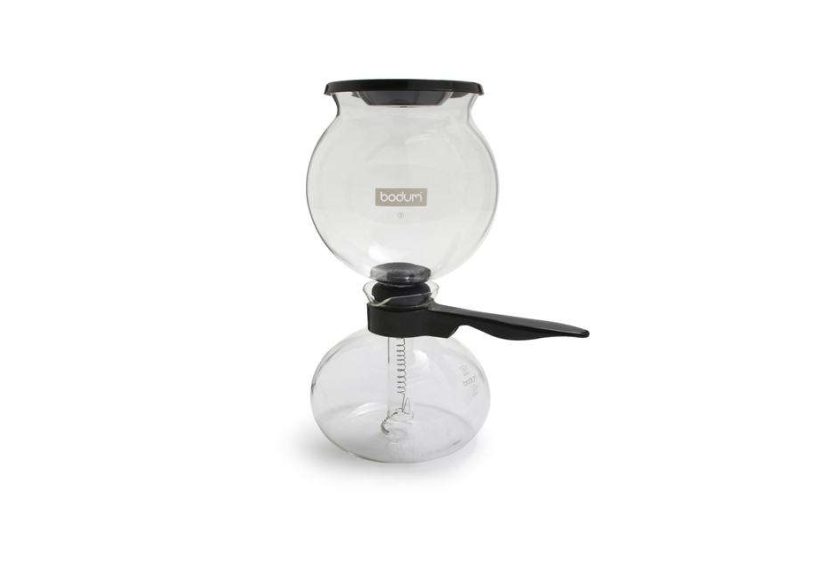
The Bodum Pebo is a two-chamber glass brewer that uses heat, pressure, and a vacuum effect to brew coffee. In everyday terms:
you heat water in the bottom bowl, it rises into the top chamber, coffee steeps up there, and then the brewed coffee gets
pulled back down through a built-in filter. It’s like an immersion brew with a tidy finish.
Capacity-wise, the Pebo is commonly sold as a 1.0 L (34 oz) model and marketed as 8 small cups
(often listed as 4-ounce servings). That’s great for sharingor for one very ambitious Monday.
How Vacuum (Siphon) Brewing Works: The “Up” Part and the “Down” Part
Stage 1: Heat and pressure push water upward
Water in the bottom chamber heats up. As it nears boiling, pressure changes in the lower chamber help push hot water up the tube
into the upper chamber.
Stage 2: Immersion extraction happens in the top chamber
Once the water is in the upper chamber, you add coffee grounds and let them steepsimilar to a French press, but with more precise
heat and a different filtration setup.
Stage 3: Removing heat creates a vacuum drawdown
When you remove the heat source, pressure in the lower chamber drops. That creates the “vacuum” action that draws brewed coffee back
down through the filter, leaving grounds behind in the upper chamber.
Design Highlights: Glass, Frame, Filter, and Heat Source
Heat-resistant glass you can actually watch
The Pebo is famous for its see-through brewing show. Listings commonly describe it as heat-resistant borosilicate glass, which is used
in many coffee tools because it handles heat better than standard glass. Still: treat it kindly (more on safety later).
The built-in filter (and the little chain that matters more than you’d think)
The filter setup is part of what makes the Pebo approachable: it’s designed to separate coffee from grounds without paper filters.
A key detail is the small chain/hook system used to secure the filter in placeif it’s not seated correctly, drawdown can get weird,
slow, or clogged.
Brewing time: quick once you’re moving
Depending on how much water you brew, many product descriptions put total brew time roughly in the 5–11 minute range.
The biggest variable isn’t the steepit’s how fast you heat the water and how smoothly you manage the rise/drawdown.
What Does Coffee From a Bodum Pebo Taste Like?
Vacuum brewing is often loved for a cup that’s clean, aromatic, and complex. Because it’s immersion-style, you can
get solid sweetness and body; because it filters on the way down, you typically get less sediment than a French press.
Translation: the Pebo can make coffee that feels “specialty café” in flavor clarity, while still having enough texture to feel satisfying.
It’s a great method for lighter roasts that have florals, citrus, berries, or tea-like notesbut it can also make chocolatey medium roasts
taste extra smooth.
How to Use the Bodum Pebo: A Simple Step-by-Step Brew
There are lots of siphon techniques out there, but here’s a reliable, low-drama approach that works well for most people at home.
(And yes, you can absolutely do this without wearing goggles. Optional, not required.)
What you’ll need
- Bodum Pebo vacuum coffee maker (assembled, clean, and dry)
- Fresh coffee beans (medium roast is a forgiving starting point)
- Grinder (burr grinder if possible)
- Scale (helpful for consistency)
- Kettle (for preheating waterstrongly recommended)
- Stirrer (bamboo paddle, spoon, or chopstick)
Step 1: Choose a brew ratio that won’t betray you
A great baseline for siphon brewing is around 1:15 (coffee to water by weight). For a full 1.0 L brew,
that’s roughly 65–70 g of coffee. If you prefer a slightly lighter cup, go closer to 1:16; for a stronger cup,
move toward 1:14.
Step 2: Preheat your water (your glass will thank you)
Preheating water in a kettle speeds up the process and helps reduce stress on the glass. You’re aiming for water in the
general “ideal brewing” zonetypically around 195°F to 205°F for most coffee extraction.
Step 3: Add water to the lower chamber and assemble the filter
- Pour your preheated water into the bottom chamber.
- Insert the filter into the upper chamber and secure it according to the Pebo’s chain/hook system.
- Make sure the seal between chambers is snug (a poor seal can cause weak rise or messy drawdown).
Step 4: Heat until the water rises
Apply heat and watch for the water to rise into the upper chamber. If the boil is violent, reduce heat; if it’s sluggish,
increase heat slightly. You want steady movement, not a coffee volcano.
Step 5: Add coffee, stir, and steep
- Add your ground coffee once most of the water has moved up.
- Stir gently to fully saturate grounds (think “wake them up,” not “create a hurricane”).
- Steep for about 60–120 seconds depending on roast and grind.
Step 6: Remove heat and let it draw down
Remove the heat source. The brewed coffee should draw down smoothly into the lower chamber. A normal drawdown is usually
measured in seconds to a couple minutesnot “long enough to finish a whole TV episode.”
Step 7: Serve and enjoy (and try not to brag too hard)
Carefully remove the upper chamber (it will be hot), set it aside, and pour from the lower chamber. Now you’ve got a clean,
aromatic cupand you also just hosted a micro performance art show for anyone in your kitchen.
Dialing It In: Grind Size, Timing, and Little Tweaks That Matter
Grind size: the #1 reason siphon brews go sideways
Too fine and you risk a clogged filter and painfully slow drawdown. Too coarse and the cup can taste thin or under-extracted.
A good starting point is medium to medium-fineoften described as around “table salt.”
Steep time: don’t overthink it, but don’t ignore it
Most home siphon guides land somewhere around 1–2 minutes of steep after stirring. Lighter roasts can benefit from a slightly longer
steep; darker roasts can taste harsh if you push time too far.
Agitation: gentle wins
A calm stir right after adding coffee is usually enough. Aggressive stirring can create extra fines and increase the odds of clogging.
If you want to get fancy, do one gentle stir at the start and one quick, light stir right before removing heat.
Troubleshooting Common Bodum Pebo Problems
Problem: Drawdown is slow (or basically stops)
- Cause: Grind too fine or too many fines.
- Fix: Coarsen the grind slightly; reduce aggressive stirring; consider sifting very dusty coffee.
- Cause: Filter not seated correctly.
- Fix: Re-check the chain/hook placement and ensure the filter sits flat and centered.
Problem: Water doesn’t rise well into the top chamber
- Cause: Not enough heat.
- Fix: Increase heat gradually; start with preheated water for faster lift.
- Cause: Poor seal between chambers.
- Fix: Ensure everything is properly assembled and seated.
Problem: The brew tastes “weak,” even with enough coffee
- Cause: Under-extraction from too coarse a grind or too short a steep.
- Fix: Tighten the grind slightly and add 15–30 seconds of steep time.
- Cause: Brewing far below capacity can change the balance.
- Fix: If possible, brew closer to the brewer’s “happy zone” (often 2/3 full or more) and adjust ratio.
Cleaning and Care: Keep It Beautiful (and Not Coffee-Stained Forever)
Daily cleaning
- Rinse both chambers right after brewing (coffee oils cling more when they cool and sit).
- Remove the filter and rinse it thoroughly to prevent buildup.
- Wash with mild soap and a soft spongeavoid abrasives that can scratch glass.
Dealing with stains and odors
If the glass starts to look like it’s been through a few too many all-nighters, a gentle soak can help. Many home-kitchen cleaning
guides recommend diluted vinegar and a thorough rinse to address mineral residue and lingering odors. For stubborn coffee stains,
a mild baking-soda paste can helpjust be gentle and rinse well.
Dishwasher or hand wash?
Some listings describe the components as dishwasher-safe, but hand washing is the safer long-term move if you want to reduce the risk
of knocks, rattling, or thermal shock. If you do use a dishwasher, keep pieces stable and away from heavy items.
Is the Bodum Pebo Worth It? Who It’s Perfect For (and Who Might Hate It)
You’ll probably love the Pebo if…
- You enjoy hands-on brewing and tweaking variables.
- You want a cleaner cup than French press but more “presence” than some pour-overs.
- You like the ritual (and the show) as much as the result.
- You brew for a couple people and want a brewer that feels special.
You might want to pass if…
- You want “push button, get coffee” on weekdays.
- You hate cleaning anything with multiple parts.
- You get stressed by the idea of glass plus heat plus timing.
- You only ever brew one quick mug and run out the door.
Pebo vs. Other Brew Methods: Quick Comparisons
Vs. French press
French press is simpler and has more body, but it usually produces more sediment. Pebo coffee tends to be cleaner and more aromatic,
with a showier ritual.
Vs. pour-over
Pour-over can be super bright and precise, but it’s more sensitive to pouring technique. The Pebo is less about pour control and more
about heat control and timing.
Vs. other siphon brewers
Dedicated siphons from brands like Hario and Yama can offer more filter options and competition-style control. The Pebo keeps things
simpler, which can be a plus if you want siphon vibes without a full laboratory setup.
Safety Notes: Because Hot Glass Has No Sense of Humor
- Use a stable surface and keep the brewer away from counter edges.
- Avoid sudden temperature changes (no cold water on hot glass).
- Handle the upper chamber carefully after brewingit stays hot.
- Keep the brewing area clear of towels, paper, and anything that shouldn’t meet a heat source.
- Follow any manufacturer instructions for heating method and assembly.
Real-World Experiences With the Bodum Pebo (The Extra You Actually Want)
Living with a Bodum Pebo vacuum coffee maker tends to feel less like owning an appliance and more like adopting a
charming, slightly dramatic pet. It’s not “high maintenance,” exactlybut it does have preferences, and it will absolutely let you
know when you’ve ignored them. The first week is usually a mix of delight and mild confusion: you’ll be thrilled when the water climbs
into the upper chamber like it’s auditioning for a Broadway role, and then you’ll stare intensely at the drawdown like you can
telepathically encourage gravity.
One of the most common experiences people report is how quickly the Pebo becomes a conversation starter. You might set it up planning
to quietly make coffee, and suddenly you’re hosting an audience. Someone will ask, “Is it supposed to do that?” Another person will
say, “It looks like a chemistry experiment,” and you’ll nod, trying to look calm and knowledgeable while secretly thinking,
Please draw down normally. Please draw down normally. When it does work smoothlyand it often does once your grind is right
it feels oddly satisfying, like you just nailed a tricky recipe on the first try.
The learning curve is real, but it’s also kind of the point. Pebo owners often develop a “house method” the way people develop a
signature chili recipe. Maybe you always preheat your water because it makes lift-off faster and gentler on the glass. Maybe you use
a medium-fine grind that looks like table salt, stir once, and let it steep for 90 seconds because that’s the sweet spot for your
favorite beans. You’ll probably find that tiny changes matter more than you expect: a slightly finer grind might turn a smooth drawdown
into a slow crawl, while an overly enthusiastic stir can create extra fines that clog the filter. Over time, you’ll stir like a person
who has learned lessons the hard wayconfident, measured, and just a little cautious.
There’s also the “weekday vs. weekend” reality. On a rushed morning, the Pebo can feel like a lot. You’re timing, watching, adjusting
heat, and cleaning parts when you might prefer a drip machine that basically says, “Go back to bed; I’ve got this.” But on a slower
morningespecially when you’re making coffee for someone elsethe Pebo shines. It makes the act of brewing feel intentional, almost
ceremonial. You’ll notice aroma more. You’ll taste more clearly what the coffee is doing. And yes, you’ll probably enjoy the tiny ego
boost of serving a cup that feels like it came from a fancy café.
Cleaning is where the relationship gets honest. If you rinse right away, it’s easy. If you don’t, the Pebo will quietly collect coffee
oils and stains like it’s building a scrapbook of your procrastination. Many owners develop a simple rhythm: rinse immediately, wash
gently, and let everything dry fully. The filter gets special attentionbecause it’s the gateway between “beautiful drawdown” and
“why is this taking forever?” Once you’ve brewed enough batches, you stop thinking of maintenance as a chore and start thinking of it
as part of the ritual. The Pebo rewards the small habits. Treat it well, and it delivers a consistently clean, aromatic cup that feels
a little magical every time.
In the end, the most relatable Pebo experience is this: you buy it for the spectacle, you keep it for the flavor, and you learn to love
the routine because it makes coffee feel like more than caffeine delivery. It’s a brewer for people who enjoy the journey as much as the
destinationand who don’t mind their morning cup coming with a brief, delightful episode of kitchen theater.