Table of Contents >> Show >> Hide
- What Is the Birth Control Pill?
- How Does the Birth Control Pill Work?
- How Effective Is the Birth Control Pill?
- Common Birth Control Pill Side Effects
- Serious Side Effects: When to Call a Doctor
- Benefits Beyond Pregnancy Prevention
- Does the Pill Protect Against STIs?
- How to Take the Birth Control Pill Correctly
- Who Should Be Careful With Birth Control Pills?
- Choosing the Right Pill
- Common Myths About the Birth Control Pill
- Real-Life Experiences With the Birth Control Pill
- Conclusion
The birth control pill is one of the most familiar contraceptive methods in the United States. It is small enough to fit in a wallet, powerful enough to prevent pregnancy when used correctly, and famous enough to have earned its own nickname: “the pill.” Not many medications get a one-word celebrity name.
But popularity does not mean mystery-free. Many people still wonder: How effective is the birth control pill? What side effects are normal? Can it cause weight gain? What happens if you miss a dose? And how do you know whether the combined pill or the progestin-only pill is the better match for your body, schedule, and health history?
This guide breaks down the birth control pill in clear, practical language. We will cover how it works, how well it prevents pregnancy, common birth control pill side effects, possible benefits, warning signs, and real-life tips for using it successfully without turning your daily routine into a pharmaceutical treasure hunt.
What Is the Birth Control Pill?
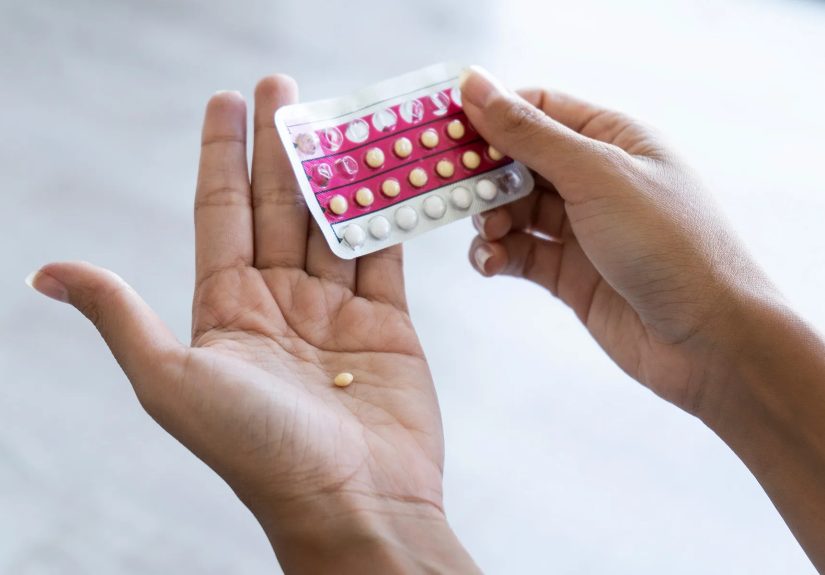
The birth control pill is an oral contraceptive, meaning it is taken by mouth to help prevent pregnancy. Most pills contain hormones that affect ovulation, cervical mucus, and the lining of the uterus. In plain English: the pill makes it harder for pregnancy to happen in the first place.
There are two main types of birth control pills:
Combination Pills
Combination birth control pills contain two hormones: estrogen and progestin. These are among the most commonly used oral contraceptives. They primarily work by preventing ovulation, which means the ovaries do not release an egg. No egg, no fertilization, no pregnancy. Simple in theory, very sophisticated in biology.
Progestin-Only Pills
Progestin-only pills, sometimes called mini-pills, do not contain estrogen. They may be recommended for people who cannot take estrogen, such as some people who are breastfeeding or those with certain risks related to blood clots, stroke, or high blood pressure. In 2023, the FDA approved the first over-the-counter daily oral contraceptive pill in the United States, a progestin-only pill containing norgestrel.
How Does the Birth Control Pill Work?
The birth control pill prevents pregnancy in a few smart ways. Depending on the pill type, it may stop ovulation, thicken cervical mucus so sperm have a harder time reaching an egg, and thin the uterine lining so implantation is less likely.
Think of it like a three-part security system: the egg may not be released, sperm have a tougher obstacle course, and the uterus is not as welcoming to a fertilized egg. The pill is not magic, but it is a carefully designed hormonal method with decades of clinical use behind it.
How Effective Is the Birth Control Pill?
When taken perfectly, birth control pills are about 99% effective at preventing pregnancy. “Perfectly” means taking the pill exactly as directed, at the right time, every day, without missed doses, medication interactions, vomiting, or extended delays between packs.
In real life, effectiveness is usually lower because humans are not calendar apps with legs. People forget pills, travel across time zones, get sick, misplace packs, or accidentally leave them in a bag they used exactly once. With typical use, the pill is often described as about 93% effective, meaning around 7 out of 100 users may become pregnant in a year.
What Can Make the Pill Less Effective?
The pill works best when used consistently. Common reasons effectiveness may drop include:
- Missing one or more active pills
- Starting a new pack late
- Taking progestin-only pills later than the recommended time window
- Vomiting or severe diarrhea soon after taking a pill
- Using certain medications or supplements that interfere with hormone levels
- Not following the specific instructions included with your pill pack
Most antibiotics do not reduce birth control pill effectiveness, but rifampin and similar medications can. Some anti-seizure medications, certain HIV medications, and the herbal supplement St. John’s wort may also interfere. When in doubt, ask a pharmacist or clinician before mixing medications. Your pill pack may be tiny, but the fine print has a job.
Common Birth Control Pill Side Effects
Many people use the pill without major problems. Others notice side effects, especially during the first few months as the body adjusts to new hormone levels. Common birth control pill side effects may include spotting, nausea, breast tenderness, headaches, bloating, mood changes, changes in menstrual flow, or missed periods.
These symptoms are often temporary. For many users, side effects improve after two or three months. That adjustment period can feel annoying, but it does not always mean the pill is a bad fit. However, if symptoms are severe, persistent, or disruptive, it is worth asking a healthcare professional about switching brands, doses, or methods.
Spotting or Breakthrough Bleeding
Spotting between periods is one of the most common early side effects. It can look like light bleeding or brown discharge when you were not expecting your uterus to make an announcement. Breakthrough bleeding is often more common during the first few months or when pills are missed. Continuous or extended-cycle pills may also cause spotting at first.
Nausea
Nausea may happen when starting the pill. Taking it with food or before bed may help some people. If nausea continues or vomiting occurs soon after taking the pill, backup contraception may be needed depending on the pill type and timing.
Headaches
Some users report headaches when beginning hormonal contraception. Mild headaches may improve, but migraines with aura are a different story. People with migraine with aura may be advised to avoid estrogen-containing contraceptives because of stroke risk. This is one reason medical history matters.
Breast Tenderness
Breast tenderness or swelling can occur, especially early on. Wearing a supportive bra, reducing excess caffeine, and giving the body time to adjust may help. If there is a new lump, severe pain, or nipple discharge, seek medical advice.
Mood Changes and Libido Changes
Hormones can affect mood and sex drive differently from person to person. Some people feel emotionally steady on the pill. Others feel more anxious, flat, irritable, or less interested in sex. If a pill affects your mood or relationship with your body, do not dismiss it as “just hormones.” There may be another formulation or contraceptive method that suits you better.
Weight Changes
Many people worry that the birth control pill causes weight gain. Research has not shown a strong, consistent link between standard birth control pills and significant weight gain. Some users may notice fluid retention, bloating, or appetite changes, but the pill is not usually the dramatic weight-gain villain it is sometimes made out to be online.
Serious Side Effects: When to Call a Doctor
Serious complications from birth control pills are uncommon, but they can happen. Combination pills that contain estrogen can slightly increase the risk of blood clots, high blood pressure, heart attack, or stroke in certain people. The risk is higher for people who smoke and are 35 or older, or who have a personal history of blood clots, certain migraines, uncontrolled high blood pressure, or other cardiovascular risk factors.
Seek urgent medical help if you experience chest pain, sudden shortness of breath, severe leg pain or swelling, sudden vision changes, severe headache unlike your usual headaches, weakness or numbness on one side of the body, or severe abdominal pain. These symptoms are not a “wait and see” situation. They are a “call now” situation.
Benefits Beyond Pregnancy Prevention
The birth control pill is best known for preventing pregnancy, but it may offer other benefits. Some people use it to make periods more regular, reduce menstrual cramps, lighten heavy bleeding, manage acne, reduce symptoms of premenstrual syndrome, or help with conditions such as endometriosis or polycystic ovary syndrome.
Some evidence also suggests that long-term use of certain birth control pills may lower the risk of ovarian and endometrial cancers. However, cancer risk is complex, and the pill may not be the right choice for everyone. A clinician can help weigh the benefits and risks based on personal and family history.
Does the Pill Protect Against STIs?
No. The birth control pill does not protect against sexually transmitted infections, including chlamydia, gonorrhea, herpes, HPV, syphilis, or HIV. If STI protection is needed, condoms or other barrier methods should be used along with the pill. The pill can help prevent pregnancy; condoms help reduce STI risk. Together, they are a very practical duo.
How to Take the Birth Control Pill Correctly
Instructions vary by pill type, so always follow the label or your clinician’s guidance. In general, combination pills are usually taken once daily. Some packs include 21 active pills and 7 inactive pills, while others use 24 active pills and 4 inactive pills. Some extended-cycle options reduce how often you bleed, and continuous regimens may allow some people to skip periods.
Progestin-only pills must be taken especially consistently. Some must be taken within the same narrow time window every day. If you are late, backup contraception may be recommended for a short period. This is where phone alarms, habit stacking, and keeping the pack in a predictable place can save the day.
What If You Miss a Pill?
Missed pill instructions depend on the type of pill, how many pills were missed, and where you are in the pack. For combination pills, missing active pills around the hormone-free interval can be riskier because the body has a longer break from hormones. For progestin-only pills, being late may matter sooner because the protection window can be shorter.
If you miss a dose, check your pill package instructions and contact a pharmacist or healthcare professional if you are unsure. You may need backup contraception, emergency contraception, or both depending on timing and recent unprotected sex.
Who Should Be Careful With Birth Control Pills?
The pill is safe for many people, but not for everyone. You should discuss your options with a healthcare professional if you smoke and are over 35, have high blood pressure, have a history of blood clots, stroke, heart disease, liver disease, breast cancer, migraine with aura, or take medications that may interact with hormonal contraception.
That does not mean birth control is off the table. It means the menu may need adjusting. Progestin-only pills, hormonal IUDs, copper IUDs, implants, injections, patches, rings, condoms, or fertility-awareness methods may be considered depending on personal goals and medical history.
Choosing the Right Pill
Choosing the right birth control pill is not about finding the “best” pill for everyone. It is about finding the best pill for you. A college student with unpredictable mornings may need a different strategy than a breastfeeding parent, a person with acne, a person with heavy periods, or someone who cannot take estrogen.
Questions that can help guide the decision include:
- Do you want lighter or more predictable periods?
- Do you prefer a monthly period, fewer periods, or no scheduled bleeding?
- Can you take a pill at the same time every day?
- Do you have migraines, high blood pressure, or a clotting history?
- Are you taking medications or supplements that may interact?
- Would you prefer a method that requires less daily attention?
The best contraceptive method is one that is medically appropriate, affordable, accessible, and realistic for your actual lifenot the fantasy version of your life where you never lose your keys and always remember laundry before it smells like a damp cave.
Common Myths About the Birth Control Pill
Myth 1: The Pill Always Causes Weight Gain
Not necessarily. Some people experience bloating or fluid retention, but major weight gain is not a guaranteed side effect of the pill.
Myth 2: You Must Take Breaks From the Pill
Many people can use birth control pills safely for years, as long as they continue to be a good medical fit. You do not need to stop the pill just to “cleanse” your body. Your liver is already working full-time; it does not need a social media detox plan.
Myth 3: The Pill Makes You Infertile
The pill does not cause permanent infertility. Fertility usually returns after stopping, though cycles may take a little time to settle, especially if periods were irregular before starting the pill.
Myth 4: No Period on the Pill Always Means Pregnancy
Some pills make bleeding lighter or stop it altogether. This can be normal. However, if pills were missed or pregnancy symptoms occur, taking a pregnancy test is reasonable.
Real-Life Experiences With the Birth Control Pill
Experience with the birth control pill varies widely, which is why one person may call it life-changing while another calls it “not for me, thanks.” Both experiences can be valid. Hormones interact with bodies, routines, stress levels, medical histories, and expectations in different ways.
One common experience is the “first-pack adjustment phase.” A person starts the pill expecting instant menstrual peace, then gets spotting in week two, sore breasts in week three, and a suspicious wave of nausea after breakfast. That can feel discouraging. But for many users, these symptoms calm down after a few cycles. Tracking symptoms in a notes app can help separate random life chaos from a real medication pattern. Was the headache from the pill, dehydration, poor sleep, or the iced coffee you called lunch? Data helps.
Another common experience is relief. Some people who have heavy, painful, or unpredictable periods feel like the pill gives them their calendar back. Instead of planning outfits, workouts, trips, and social events around surprise bleeding or cramps, they may have lighter, more predictable periods. For people with acne related to hormonal shifts, certain combination pills may also improve skin over time. It may not turn anyone into a skincare commercial overnight, but it can be part of a helpful plan.
Then there is the memory challenge. The pill is effective, but it is not low-maintenance if remembering daily medication is hard. Many users solve this with a phone alarm, a pill case, or pairing the pill with an existing habit, like brushing teeth at night. Others realize daily dosing does not fit their lifestyle and switch to a longer-acting method such as an IUD or implant. That is not failure. That is good self-knowledge wearing sensible shoes.
Some people also experience mood or libido changes. This can be frustrating because it is not always obvious whether the pill, stress, relationship dynamics, sleep, work, or all of the above are involved. The most useful approach is not panic, but pattern recognition. If mood changes start after beginning a pill and persist for several months, a clinician may suggest a different dose, formulation, or contraceptive method.
Finally, many users describe the pill as convenient once it becomes routine. The first month may involve reading instructions three times and asking, “Wait, was that a placebo?” But after a while, it can become as ordinary as taking a vitamin. The key is choosing a method that fits your health needs and your real schedule. Birth control should support your life, not become a daily obstacle course with tiny tablets.
Conclusion
The birth control pill is a highly effective contraceptive method when taken correctly, with about 99% effectiveness under perfect use and lower effectiveness with typical use. It can also offer helpful benefits such as lighter periods, reduced cramps, improved cycle control, and acne management for some people.
Still, the pill is not one-size-fits-all. Side effects like spotting, nausea, headaches, breast tenderness, mood changes, and bloating can happen, especially in the first few months. Serious side effects are uncommon but require attention, particularly symptoms that may suggest a blood clot, stroke, or cardiovascular problem.
The smartest approach is simple: understand your options, follow your pill instructions closely, use backup protection when needed, and talk with a healthcare professional if side effects do not improve or if your health history makes certain pills risky. The best birth control method is the one that protects your goals while fitting your body and your everyday life.