Table of Contents >> Show >> Hide
- What Is a Bilirubin Urine Test?
- Why Would a Healthcare Provider Order This Test?
- Bilirubin Urine Test Procedure: What Actually Happens?
- How to Prepare for a Bilirubin Urine Test
- What Do the Results Mean?
- Risks of a Bilirubin Urine Test
- When to Call a Healthcare Provider
- Common Experiences Before, During, and After a Bilirubin Urine Test
- Conclusion
- SEO Tags
If the phrase bilirubin urine test sounds like something a lab coat invented to ruin your morning, take heart: it is actually a simple urine test that can offer useful clues about your liver and bile ducts. It is quick, noninvasive, and usually about as dramatic as filling a cup and trying not to overthink it. Yet behind that humble sample is important information about how your body processes waste, clears bile, and signals when something may be off.
This guide explains what a bilirubin urine test is, why a healthcare provider may order one, how the procedure works, how to prepare, what the results can mean, and what risks or limitations to keep in mind. You will also find a practical section on real-world experiences people often have before, during, and after the test, because sometimes the hardest part is not the medicine. It is the waiting-room imagination.
What Is a Bilirubin Urine Test?
A bilirubin urine test checks whether bilirubin is present in your urine. Bilirubin is a yellowish pigment created when your body breaks down old red blood cells. Normally, the liver processes bilirubin, adds it to bile, and sends it into the digestive tract so it can leave the body mostly through stool. Under typical conditions, bilirubin should not show up in urine in noticeable amounts. That is why a urine result is generally expected to be negative.
So why does this matter? Because when bilirubin appears in urine, it can point to a problem with the way the liver is processing bile or how bile is flowing through the bile ducts. In plain English: your body may be waving a small yellow flag.
This test is often done as part of a standard urinalysis rather than as a solo performance. A provider may order it if you have symptoms such as jaundice, dark urine, pale stools, itching, abdominal discomfort, nausea, fatigue, or other signs that suggest possible liver or gallbladder issues.
Why Bilirubin in Urine Can Be Important
The form of bilirubin most likely to appear in urine is conjugated bilirubin, also called direct bilirubin. That matters because conjugated bilirubin is water-soluble, meaning it can pass into urine. Unconjugated bilirubin is not water-soluble, so it usually does not appear there. This is one reason a positive urine bilirubin test can help steer a clinician toward liver disease, bile duct obstruction, or other conditions affecting bile flow.
Why Would a Healthcare Provider Order This Test?
A bilirubin urine test is not usually ordered for fun, curiosity, or because the lab needed a new hobby. It is ordered when there is a reason to look more closely at liver function or biliary health.
Common reasons include:
- Yellowing of the skin or eyes
- Dark brown or tea-colored urine
- Light, pale, or clay-colored stools
- Unexplained itching
- Right upper abdominal pain
- Suspicion of hepatitis, cirrhosis, gallstones, or bile duct blockage
- Follow-up after abnormal liver blood tests
- General urinalysis that turns up unexpected abnormalities
A positive urine bilirubin result does not automatically diagnose a single condition. Instead, it tells your provider that more context is needed. They may compare it with blood bilirubin levels, liver enzyme tests, imaging studies, and your symptoms. Think of it as a clue, not the entire mystery novel.
Bilirubin Urine Test Procedure: What Actually Happens?
The procedure is simple. Most of the time, you will be asked to provide a clean-catch midstream urine sample. This method helps reduce contamination from skin, bacteria, or other material that could affect the accuracy of the test.
Step-by-Step Procedure
- Receive a sterile collection cup. The container is usually labeled and sometimes comes with wipes and written instructions.
- Clean the area. You may be asked to clean the genital area before collecting the sample. This step helps reduce contamination.
- Start urinating into the toilet. The first bit of urine is not collected.
- Collect the midstream sample. After the initial flow begins, place the cup in the stream and collect enough urine for testing.
- Finish urinating into the toilet. Cap the cup securely.
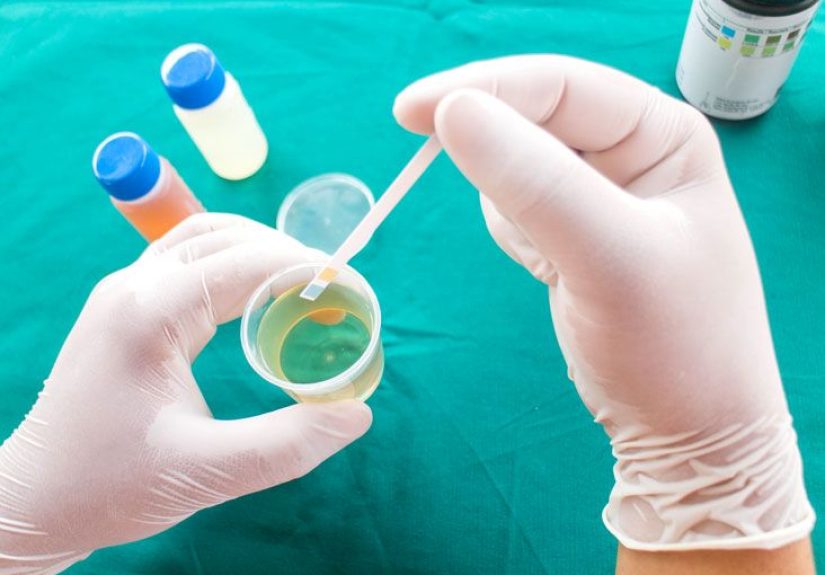
- Return the sample promptly. The lab will usually test it with a chemical strip, often called a dipstick, that can detect bilirubin and other substances.
In some cases, the sample is collected at a clinic, urgent care center, doctor’s office, or hospital. In other cases, you may collect it at home if the provider gives specific instructions. Prompt handling matters because urine samples can degrade over time, and bilirubin is sensitive to light. That means your sample does not want to enjoy a long, sunny vacation on the bathroom counter.
How Long the Test Takes
The collection itself usually takes just a few minutes. Lab processing may also be quick, especially when bilirubin is part of a routine urinalysis. Results timing varies by facility, but many people receive results the same day or within a short period.
How to Prepare for a Bilirubin Urine Test
In most cases, there is no special preparation required for a bilirubin urine test. You usually do not need to do anything unusual with food or drink unless your provider has ordered additional tests at the same time. If blood work is being done too, you may be told to fast for several hours, but that depends on the full test order.
Important Preparation Tips
- Tell your provider about all medicines and supplements. This includes prescription drugs, over-the-counter products, vitamins, and herbal supplements.
- Do not stop medications on your own. Some medicines can affect urine color or test interpretation, but you should only pause a medication if your provider specifically tells you to.
- Ask about timing. If you are also having blood tests or imaging, the office may want the urine sample collected at a certain point.
- Follow clean-catch instructions carefully. Good collection technique helps reduce errors.
Some medicines and supplements can change the color of urine or affect test results. Examples often mentioned in urinalysis guidance include chloroquine, iron supplements, levodopa, nitrofurantoin, phenazopyridine, phenothiazines, phenytoin, riboflavin, and triamterene. That does not mean these always ruin the test, but it does mean your provider should know about them.
What Can Affect Accuracy?
A bilirubin urine test is helpful, but like many lab tests, it is not immune to real-world complications. Accuracy can be affected by:
- Prolonged storage before testing
- Exposure of the sample to light
- Contamination, including stool contamination
- Certain drugs that discolor urine
- Large amounts of vitamin C, which may contribute to false-negative results
If there is any doubt about the result, your provider may repeat the test or combine it with blood bilirubin testing and liver studies.
What Do the Results Mean?
Results are usually reported as either negative or positive for bilirubin.
Negative Result
A negative result is usually considered normal. It means the test did not detect bilirubin in the urine at a concerning level. That is the result most people want, and it is the laboratory equivalent of being told, “Nothing to see here, carry on.”
Positive Result
A positive result means bilirubin was detected in the urine. Because bilirubin is not usually present there, a positive finding may suggest:
- Liver inflammation or liver disease, such as hepatitis
- Cirrhosis or other chronic liver damage
- Blockage in the bile ducts
- Gallbladder or biliary tract problems
- Other disorders that interfere with bile flow
That said, the result should never be interpreted in isolation. A positive bilirubin urine test does not tell you the exact cause, how severe the issue is, or whether it is temporary or chronic. It is one piece of the bigger clinical picture.
What Usually Happens Next?
If your result is positive, a provider may recommend:
- Blood bilirubin testing
- Liver function tests, such as AST, ALT, alkaline phosphatase, and other markers
- Repeat urinalysis
- Imaging, such as ultrasound, if bile duct obstruction is suspected
- Review of your symptoms, medications, and medical history
If you also have jaundice, dark urine, pale stools, severe itching, fever, abdominal pain, vomiting, confusion, or worsening fatigue, your provider may want more urgent follow-up.
Risks of a Bilirubin Urine Test
The bilirubin urine test itself carries no known physical risk. It does not involve needles, radiation, sedation, or recovery time. For most people, the most dangerous part is trying not to spill the sample while holding a paper cup with the dignity of a Nobel Prize acceptance speech.
Potential Downsides to Know About
Even though the test is safe, there are a few practical limitations:
- False positives or false negatives can happen. Sample contamination, light exposure, or certain medications and supplements may affect results.
- It can create anxiety. A positive result may sound alarming before the full workup is complete.
- It is not a diagnosis by itself. More testing may be needed, which can mean more appointments, more waiting, and more time spent pretending not to worry.
So while the test is medically low-risk, the emotional risk of opening a patient portal and immediately googling everything under the sun is, admittedly, harder to quantify.
When to Call a Healthcare Provider
Contact a healthcare provider promptly if you have a positive result along with symptoms such as:
- Yellowing of the eyes or skin
- Very dark urine
- Pale or clay-colored stools
- Severe itching
- Persistent nausea or vomiting
- Fever
- Right upper abdominal pain
- Confusion or unusual sleepiness
These symptoms do not automatically mean something serious is happening, but they do deserve medical attention. Liver and bile duct issues are much easier to manage when they are evaluated early.
Common Experiences Before, During, and After a Bilirubin Urine Test
People’s experiences with a bilirubin urine test are usually less about physical discomfort and more about context. Many people do not even know bilirubin can be measured in urine until a provider orders the test as part of a broader workup. One common experience is surprise. Someone goes in because their urine looks darker than usual, or because they have been feeling tired and vaguely “off,” and suddenly they are learning more about bile flow than they ever planned to.
Before the test, many patients feel confused by the wording. “Bilirubin” sounds technical, and urine testing can seem unrelated if the real concern is the liver or gallbladder. But once the explanation is given, the test usually makes sense: the provider is looking for clues about whether bilirubin is escaping into urine when it should be processed and cleared differently.
Another common experience is second-guessing. People often wonder whether they drank enough water, whether a vitamin supplement affected the color of their urine, or whether that bright yellow energy drink from yesterday will somehow become the villain of the story. This is normal. It is also one reason providers ask about medications and supplements. The patient’s job is not to decode the chemistry solo. It is to give a clean sample and accurate background information.
During the test, the experience is usually straightforward. There may be mild awkwardness because urine collection is never winning any glamour awards, but it is not painful. For some people, the hardest part is following clean-catch instructions while feeling rushed in a clinic restroom with fluorescent lighting that makes every life choice feel highly inspectable.
After the sample is submitted, the waiting begins. This is where people often shift from practical to emotional. Some feel nothing at all and move on with their day. Others become anxious, especially if they already have symptoms like jaundice, itching, abdominal discomfort, or fatigue. A positive bilirubin result can feel scary, but many patients say the most helpful part of the process is when a clinician explains that the urine test is an early clue, not a final verdict.
People who receive normal results often feel relieved, though sometimes a normal urine bilirubin test still leads to more evaluation if symptoms continue. People with abnormal results often describe a two-step reaction: first worry, then relief once a concrete plan is made. That plan may include liver blood tests, imaging, medication review, or a referral. In many cases, what reduces stress is not instant certainty, but knowing what comes next.
There is also the practical experience of realizing how many ordinary symptoms can have multiple causes. Dark urine might be dehydration, medication, or something involving bilirubin. Itching might be dry skin, allergies, or a sign of bile flow problems. That uncertainty is exactly why tests like this exist. They help narrow the field and turn vague symptoms into something more actionable.
Overall, the most common patient experience is that the test itself is easy, but the meaning around it can feel heavy. Good communication helps. So does remembering that one urine result rarely tells the entire story. A bilirubin urine test is one useful checkpoint on the road to a clearer answer, not the whole map.
Conclusion
A bilirubin urine test is a small test with big value. It is simple to perform, usually needs little preparation, and carries no known physical risk. Yet it can provide meaningful clues about liver function, bile flow, and possible biliary obstruction. Because bilirubin is not normally present in urine, a positive result deserves follow-up, especially when paired with symptoms such as jaundice, dark urine, pale stools, itching, or abdominal pain.
The key takeaway is this: the test is not a diagnosis, but it is an important signal. When interpreted alongside symptoms, blood work, and imaging, it can help healthcare providers identify the next right step. In other words, it may start with a cup, but it can lead to answers that matter.