Table of Contents >> Show >> Hide
- Why some Labor Day TV deals are still live after the holiday
- Quick cheat sheet: pick the right TV type for your room
- Best Labor Day TV deals still available in 2025 (with smart “buy” targets)
- 1) Best “style + substance” deal: Samsung The Frame / Frame Pro
- 2) Best OLED value pick: LG B-series OLED (example: 48" class)
- 3) Best “all-around OLED” deal: Samsung S90D (65" class deals were especially interesting)
- 4) Best bright-room performance deal: Hisense U8-class mini-LED
- 5) Best midrange mini-LED value: TCL QM7K / QM6K-style models
- 6) Best “big TV, small budget” deal: Roku / Insignia / Fire TV-style 4K sets
- 7) Best “go big” deals: 75"–85" class TVs
- How to spot a real TV deal (and avoid “deal-shaped disappointment”)
- Tech-expert strategy: spend where you’ll notice it most
- Conclusion: the “best deal” is the one that fits your room and your habits
- Real-World Experiences: What Deal-Hunting Feels Like After Labor Day (2025 Edition)
Labor Day may be over, but the best TV deals don’t always clock out at 5 p.m. In fact, the sneakiest bargains often hang around in the “post-holiday cleanup” phasewhen retailers are still clearing inventory, price-matching competitors, and trying to convince themselves that a 98-inch TV is a totally reasonable thing to ship to your porch.
This guide is written from a tech-expert perspective: not just “this TV is cheaper,” but why it’s a good buy, who it’s for, and what to double-check so you don’t end up with a “deal” that looks like it was assembled from spare parts and optimism.
Why some Labor Day TV deals are still live after the holiday
TV sales don’t run on a single calendarthey run on inventory. Around Labor Day 2025, a few factors made discounts linger:
- Retailers extend promotions to keep traffic going after the holiday weekend.
- Price-matching wars mean one store drops a price, then everyone else “magically” finds room in the budget.
- Model-year transitions push older stock out the door, especially in popular sizes like 55″, 65″, and 75″.
- Bundles and “quiet coupons” (gift cards, free install offers, streaming trials) keep the effective price low even when the sticker price rebounds.
Quick cheat sheet: pick the right TV type for your room
OLED (including QD-OLED): best for movies, contrast, and “wow”
If you watch in a dim or moderately lit room and you care about cinematic picture quality, OLED is still the easiest “yes.” You get perfect black levels, excellent viewing angles, and that glassy, high-end look. QD-OLED versions typically push brighter color and punchier HDR, which is great if you like your sci-fi extra shiny.
Mini-LED: best for bright rooms, sports, and big screens
Mini-LED TVs are built for daylight. If you have windows, glare, or you’re a “football on all afternoon” household, a strong mini-LED can look fantasticbright highlights, bold colors, and less worry about static elements like scoreboards.
QLED/LED: best for budget shoppers who still want 4K
Modern budget 4K TVs can look surprisingly goodespecially if you’re upgrading from something older. The key is to prioritize a decent panel, a usable smart platform, and enough HDMI ports for your gear.
Best Labor Day TV deals still available in 2025 (with smart “buy” targets)
Prices change fast (like, “refresh the page and it’s different” fast). So instead of pretending a single price is eternal, each pick includes a smart target pricea range where the deal becomes genuinely attractive.
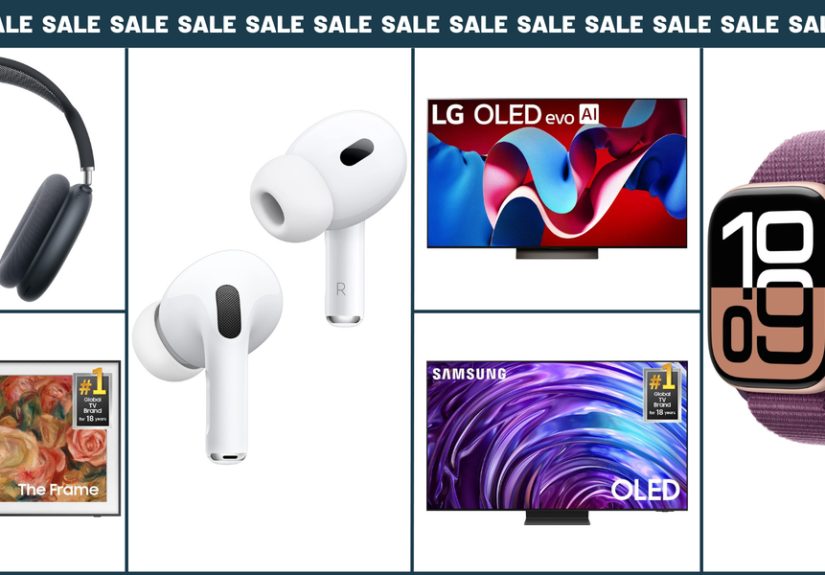
1) Best “style + substance” deal: Samsung The Frame / Frame Pro
Who it’s for: People who want the TV to look like decor, not a black rectangle that stares at you in silence.
Why it’s a good deal: Post-Labor Day 2025 brought unusually strong discounts on Samsung’s Frame lineup, including the art-forward models that can display artwork in “Art Mode.” If your living room doubles as your grown-up space (and not just a shrine to HDMI cables), this category is worth a hard look.
Buy if you see: roughly 25%–40% off depending on size, or a price that undercuts typical premium-TV pricing for a 65″ class set.
Tech-expert check: Confirm whether you’re looking at The Frame versus The Frame Pro (they’re not the same product). Also check if the deal includes the wall mount or a special connect box setupthose extras can matter.
2) Best OLED value pick: LG B-series OLED (example: 48″ class)
Who it’s for: Movie lovers and gamers who want OLED contrast without paying “flagship OLED” prices.
Why it’s a good deal: Around Labor Day 2025, some B-series OLED sizes dropped to prices that made them feel less like a luxury purchase and more like a “why didn’t I do this sooner?” upgradeespecially in smaller and mid sizes.
Buy if you see: a meaningful cut that puts OLED within reachoften hundreds off MSRP in common sizes.
Tech-expert check: If you’re gaming, confirm the TV has enough HDMI 2.1 ports for your setup (console + soundbar + maybe a PC). Also confirm the refresh rate and VRR support so your games look smooth instead of “why is the camera pan jittery?”
3) Best “all-around OLED” deal: Samsung S90D (65″ class deals were especially interesting)
Who it’s for: You want OLED’s contrast but also want punchy color and modern features for streaming and gaming.
Why it’s a good deal: Labor Day 2025 pricing created a sweet spot where this tier of OLED sometimes dipped closer to “premium mini-LED money,” which is when it becomes very tempting.
Buy if you see: a price near the low end of the year for the size you want, especially on the 65″ class.
Tech-expert check: Make sure you’re comparing the exact model name and year. One letter can mean “newer processor” vs “older panel,” and your eyeballs will not forgive you later.
4) Best bright-room performance deal: Hisense U8-class mini-LED
Who it’s for: Bright rooms, sports fans, and people who want a “wow” image without OLED pricing.
Why it’s a good deal: Mini-LED deals can be dramatic around major sale events, and U8-class models often show up with aggressive markdowns because they’re positioned as “flagship performance for less.”
Buy if you see: major percentage discounts (often the kind that make you re-check the listing to confirm it’s not a toaster).
Tech-expert check: Look for specs that actually matter: local dimming, HDR support, and gaming features like VRR. If you watch sports, also check motion handling reviewsbright is great, but smooth is the whole point when the camera pans across the field.
5) Best midrange mini-LED value: TCL QM7K / QM6K-style models
Who it’s for: Shoppers who want better contrast and brightness than basic LED, but don’t need to chase the most expensive tiers.
Why it’s a good deal: Labor Day 2025 pricing made certain TCL mini-LED models look like “premium features at a midrange price,” particularly in 55″ and 65″ classes.
Buy if you see: a discount that drops a mini-LED set into the range you’d normally associate with standard QLED.
Tech-expert check: Confirm refresh rate and HDMI features if gaming is on the menu. Also pay attention to the smart TV platform (Google TV, Roku, etc.) and whether you actually like itbecause you’ll be living there.
6) Best “big TV, small budget” deal: Roku / Insignia / Fire TV-style 4K sets
Who it’s for: Guest rooms, dorms, first apartments, or anyone who wants “big enough, smart enough, cheap enough.”
Why it’s a good deal: Post-Labor Day 2025 had plenty of under-$300 options in smaller sizes, and surprisingly affordable pricing in mid sizes if you’re not picky about peak HDR brightness.
Buy if you see: a price that feels “almost too reasonable” for the size, and the TV has the ports you need.
Tech-expert check: Look for at least 3 HDMI ports if you’ll add a soundbar and a console/streamer. Also check return policybudget TVs can be fantastic, but panel lottery is real.
7) Best “go big” deals: 75″–85″ class TVs
Who it’s for: Anyone building a home theater vibe without building a home theater budget.
Why it’s a good deal: Labor Day sales often push large-screen inventory, and big TVs can see meaningful dollar-off discounts even when the percentage looks modest.
Buy if you see: a price that makes 75″ or 85″ feel achievable (especially if delivery is included).
Tech-expert check: Measure your space, then measure again. Also consider brightness and anti-reflection if the TV will face windows. Big screens amplify everythingincluding glare and low-quality sources.
How to spot a real TV deal (and avoid “deal-shaped disappointment”)
Here’s the tech-expert checklist that keeps you from buying a TV that looks great in the product photo and questionable in your living room:
1) Confirm the exact model number
Retail listings can look identical even when the model differs by a year or a feature tier. Copy the model number and compare across retailers. If one store’s model number is “close but not exact,” treat it like a different TV (because it is).
2) Don’t ignore the return policy
A great return window is part of the deal. It gives you time to check for panel issues, dead pixels, weird banding, or that one corner that looks like it’s permanently wearing sunglasses.
3) Know your “must-have” features
- Gaming: HDMI 2.1, 4K at 120Hz, VRR, ALLM
- Movies: strong HDR support (Dolby Vision is a plus), good upscaling
- Sports/daytime: brightness + reflection handling
4) Treat “120 motion rate” like marketing confetti
Many brands use motion terms that sound technical but aren’t the same as a true 120Hz panel. If you care about smooth motion, look for “native 120Hz” (or higher) in the real specs.
5) Budget for sound (because TVs are thin, not magical)
Even expensive TVs can sound… fine. A simple soundbar can make a bigger difference than jumping one TV tier higher, especially for dialogue clarity.
6) Watch for “bundle math”
A deal may include a gift card, free installation, extended warranty discount, or streaming perks. Those can be legit valuejust make sure the base TV price is still competitive.
7) Don’t forget delivery and setup logistics
A 75-inch TV is not a “tuck under one arm” situation. Check whether delivery is free, whether it includes room-of-choice placement, and whether wall mounting is offered (or if you’ll be learning new words while holding a stud finder).
Tech-expert strategy: spend where you’ll notice it most
If you want the best value from lingering Labor Day TV deals in 2025, prioritize in this order:
- Size (a bigger screen can be more noticeable than a minor spec bump)
- Panel type (OLED vs mini-LED depending on your room lighting)
- Brightness / reflection handling (especially for daytime viewing)
- Gaming features (only if you’ll actually use them)
- Smart platform usability (or plan to add a streamer)
Conclusion: the “best deal” is the one that fits your room and your habits
The best Labor Day TV deals still available in 2025 aren’t just about pricethey’re about timing and fit. Post-holiday discounts can deliver premium picture quality (OLED), bright-room dominance (mini-LED), or straightforward 4K value (budget LED) at prices that don’t show up randomly on a Tuesday.
Use the checklist, verify the model, and shop like a person who plans to keep the TV for yearsnot like someone who’s buying a novelty waffle maker. (No offense to waffle makers. They’re doing their best.)
Real-World Experiences: What Deal-Hunting Feels Like After Labor Day (2025 Edition)
Shopping for a TV right after Labor Day has a very specific vibe. It’s like arriving at a party ten minutes lateeveryone’s already eaten the best appetizers, but the good stuff is still on the table if you’re willing to look around. That’s the secret advantage of “still available” deals: you’re not fighting the same holiday-weekend stampede, but you’re still catching the tail end of real markdowns.
One common experience shoppers report is the “two tabs and a mild identity crisis” phase. You open one retailer listing, then another, then a third, and suddenly you’re asking questions like: “Do I need mini-LED brightness, or do I just hate my living room curtains?” Post-Labor Day is when that comparison shopping actually pays off, because price matching is active and inventory is uneven. The same TV might be fully sold out in one store, discounted in another, and quietly bundled with a gift card somewhere else.
Another very real moment: realizing that screen size is emotional. People often start with a “responsible adult” planmaybe a 55-inch. Then they see a 65-inch deal that’s only a little more and think, “That’s basically saving money.” Then a 75-inch price drops into the chat like it owns the place. Post-Labor Day deals can make larger sizes feel attainable, which is great… as long as you measure your space and confirm your TV stand can handle the width. Many shoppers learn this lesson the hard way, right around the moment they’re holding a tape measure in front of their media console like it’s a negotiation.
There’s also the in-store experience, which is equal parts helpful and misleading. Retail floors are bright, demo content is gorgeous, and every TV is playing the same ultra-saturated loop of a waterfall that looks like it was filmed on another planet. The practical move is to focus on features you’ll notice at home: reflection handling (walk around and see how glare looks), viewing angles (stand off to the side), and motion (watch something with fast pans). Deal-hunting after Labor Day can mean you’re looking at display units or limited stockso shoppers often feel a little pressure. The antidote is a calm checklist: confirm model number, return window, and whether the unit is new, open-box, or clearance.
Online shopping brings its own “adventure.” Inventory can change quickly, and sometimes the best post-Labor Day bargains are tied to a specific sizelike a 48-inch OLED being dramatically cheaper than the 55-inch version. People also run into the “model number trap,” where two TVs have nearly identical names but different specs. A good habit is to copy the model number into a note and compare across listings before buying. It’s not glamorous, but neither is realizing you paid extra for a model that’s missing the HDMI 2.1 port you wanted.
Finally, there’s the delivery-and-setup moment, which turns deal-hunting into reality. Big TVs are wonderful, but they’re also awkward, fragile rectangles that require planning. Shoppers who have the smoothest experiences tend to confirm delivery options (room-of-choice vs. doorstep), set aside time for updates and setup, and plan sound earlybecause even great TVs often need a soundbar to match the picture. The “win” feeling of a post-Labor Day deal isn’t just saving money; it’s sitting down that first night, pulling up your favorite movie or game, and realizing you upgraded your whole experiencenot just your screen.