Table of Contents >> Show >> Hide
If classic French toast is your comfy old sweatshirt, focaccia French toast is the glow-up:
same cozy vibes, but way more stylish. Using focaccia instead of plain sandwich bread turns an
everyday breakfast into a brunch-y, café-level situation with almost zero extra effort.
This focaccia French toast recipe takes what people love about traditional French toasta rich,
custardy center and golden, crisp edgesand adds the olive-oil fragrance and airy texture of
Italian flatbread. It’s also a brilliant way to revive leftover focaccia that’s gone a little
dry on the counter. Instead of tossing it, you turn it into the star of the weekend.
Below you’ll find a step-by-step guide on how to make focaccia French toast, what kind of
focaccia works best, and the little tweaks that take it from “pretty good” to “best I’ve ever
made.” We’ll cover both sweet and savory versions, plus real-life tips and experiences to help
you nail the recipe every time.
Why Focaccia Makes Genius French Toast
Focaccia is an Italian oven-baked flatbread made with a high-hydration dough, plenty of olive
oil, and often coarse salt and herbs on top. It’s soft and springy on the inside, with a lightly
crisp, golden crust. That structure is exactly what you want for French toast:
- Thick, airy crumb: The pockets in focaccia soak up custard beautifully without falling apart.
- Olive oil richness: The dough already has fat in it, so the flavor is deeper and more complex.
- Sturdiness: Focaccia can handle a soak in egg and milk better than thin sandwich slices.
- Great for leftovers: Day-old or slightly stale focaccia is ideal for French toast because it absorbs the custard more evenly.
You can go in two directions: sweet (think maple syrup and berries) or savory (topped with a
fried egg, cheese, or crispy pancetta). Focaccia is flexible enough to do both without tasting
out of place.
Ingredients for the Best Focaccia French Toast
The Bread
- 8 thick slices (about 1-inch) of day-old focaccia (plain, rosemary, or lightly herbed)
Try to avoid focaccia overloaded with strong toppings like tons of olives or onions if you’re
going sweet. For a savory version, those toppings can be a big win. Aim for slices about 1 inch
thick so they can soak custard without getting soggy in the middle.
For the Custard
- 4 large eggs
- 1 cup whole milk
- 1/2 cup heavy cream (for extra richness)
- 3 tablespoons granulated sugar
- 2 teaspoons pure vanilla extract
- 1/2 teaspoon ground cinnamon
- 1/8 teaspoon ground nutmeg (optional but delicious)
- 1/4 teaspoon fine sea salt
This custard strikes a balance: rich and creamy, but not so thick that it turns the bread into
pudding. The combination of milk and cream gives you that classic custardy interior while still
cooking through in the time it takes the outside to brown.
For Cooking
- 2 tablespoons unsalted butter
- 1 tablespoon neutral oil (such as canola or vegetable oil)
Using both butter and oil helps prevent burning while still giving you that buttery flavor.
Butter alone can brown too fast; the oil helps stabilize the fat and gives you more control over
browning.
Topping Ideas
Sweet options:
- Warm maple syrup
- Fresh berries or sliced stone fruit
- Greek yogurt or whipped cream
- Powdered sugar
- Toasted nuts (pistachios, almonds, or pecans)
Savory options:
- Fried or poached eggs
- Crispy pancetta, prosciutto, or bacon
- Shaved Parmesan or crumbled feta
- Cherry tomatoes, lightly blistered in a pan
- Arugula tossed with lemon and olive oil
Step-by-Step: How to Make Focaccia French Toast
1. Prep the Focaccia
If your focaccia is already a day or two old and feels slightly dry, you’re good to go. If it’s
very fresh and still super soft, give it a quick dry-out:
- Preheat the oven to 300°F (150°C).
- Arrange the focaccia slices on a baking sheet in a single layer.
- Bake for 8–10 minutes, just until the surface feels a bit dry but the bread is not toasted or hard.
This step helps prevent soggy French toast by limiting how much liquid the bread can pull in at
once, leading to a more custardy middle instead of a wet one.
2. Make the Custard
-
In a wide, shallow dish (like a pie plate or an 8×8 baking dish), whisk the eggs until no
streaks of yolk or white remain. -
Add the milk, heavy cream, sugar, vanilla, cinnamon, nutmeg, and salt. Whisk until fully
combined and slightly frothy. You want everything evenly mixed so the flavor and texture are
consistent from slice to slice.
3. Heat the Pan
- Place a large nonstick or well-seasoned skillet over medium to medium-low heat.
-
Add 1 tablespoon of butter and about 1 teaspoon of oil. Let the butter melt and foam, then
subside. You want a gentle sizzle, not aggressive smoking.
4. Soak the Focaccia Slices
Now comes the key moment. You want the focaccia to soak up custard, but not so much that it
collapses or turns mushy.
-
Working with 2–3 slices at a time, lay the focaccia in the custard in a single layer. Let it
sit for about 15–25 seconds per side, depending on how dry the bread is and how thick the
slices are. -
Flip and repeat on the second side. The bread should feel soaked but still hold its shape when
you lift it.
If your focaccia is very dense or extra stale, you might extend the soak slightly; if it’s
still tender and fresh, keep the soak short and sweet.
5. Cook Until Golden and Custardy
-
Transfer the soaked focaccia slices to the hot pan. You should hear a soft sizzle, not
splattering or loud popping. -
Cook for about 3–4 minutes per side, adjusting heat as needed. The surface should turn deep
golden brown with slightly crisp edges, and the middle should feel set but still springy when
gently pressed. -
As each batch finishes, you can keep the slices warm on a baking sheet in a 200°F (95°C) oven
while you cook the rest.
6. Plate and Top
Serve the focaccia French toast immediately, while the edges are still crisp. Top with your
favorite sweet or savory toppings:
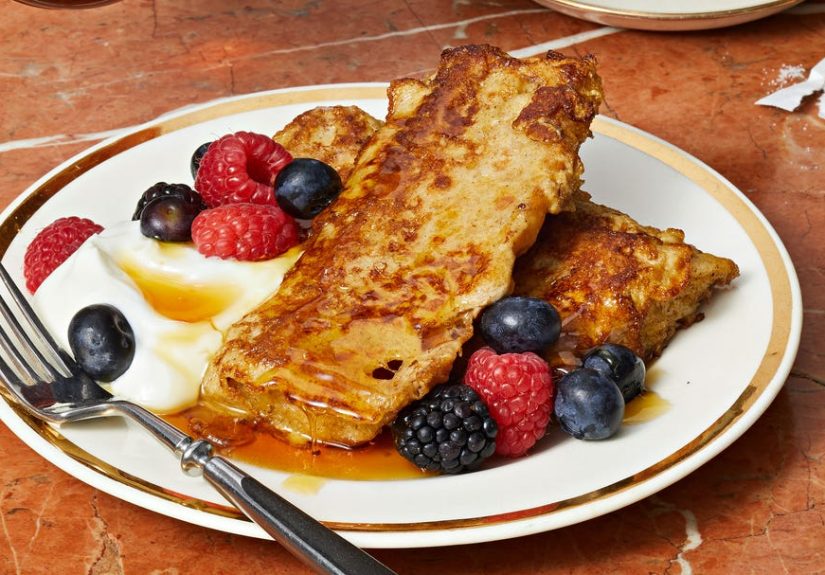
- For sweet: powdered sugar, berries, and a drizzle of warm maple syrup.
- For savory: fried egg, crispy pancetta, shaved Parmesan, and a handful of peppery arugula.
Flavor Variations You’ll Want to Try
Sweet Lemon-Berry Focaccia French Toast
Use plain or rosemary focaccia and lean into brightness and freshness:
- Add 1 teaspoon of finely grated lemon zest to the custard.
- Top the cooked French toast with Greek yogurt, mixed berries, and extra lemon zest.
- Finish with a drizzle of honey or maple syrup.
The lemon keeps everything from feeling too heavy and pairs beautifully with the olive oil and
herbs in the bread.
Brown Sugar Cinnamon Focaccia French Toast
For a more dessert-like vibe:
- Swap 1 tablespoon of the granulated sugar for brown sugar in the custard.
- Add a pinch more cinnamon and nutmeg.
- Serve with caramelized bananas or sautéed apples on top.
This version tastes like a mashup of French toast and bread puddingrich, cozy, and perfect for
chilly weekends.
Savory Brunch Focaccia French Toast
Want something that feels more like a breakfast-for-dinner situation? Try this:
- Use herb or tomato-topped focaccia.
- Cut the sugar in the custard down to 1 tablespoon or omit it entirely.
- Add 1–2 tablespoons of finely grated Parmesan and a pinch of black pepper to the custard.
- Top with a runny fried egg, crispy pancetta, and a drizzle of good olive oil.
The result is a savory, custardy, almost strata-like French toast that feels indulgent but not
overly sweet.
Pro Tips for Focaccia French Toast Success
-
Start with the right bread texture: Slightly stale focaccia (1–2 days old) is
ideal. Fresh focaccia benefits from a short dry-out in the oven. -
Don’t slice too thin: Aim for at least 3/4- to 1-inch thickness so the
interior stays custardy instead of turning rubbery. -
Control the soak: Under-soaked bread stays dry in the middle; over-soaked
bread collapses. Adjust soak time based on how dense or dry your focaccia is. -
Cook low and slow: Medium or medium-low heat lets the custard cook through
without burning the exterior. If the toast is browning too fast, lower the heat. -
Use butter + oil: Butter adds flavor, oil raises the smoke point and helps
prevent scorching. -
Serve right away: French toast is at its best the minute it comes out of the
pancrispy edges, soft interior, toppings still fresh.
Serving, Storing, and Reheating
Serving Suggestions
For a simple weekend brunch, serve focaccia French toast with maple syrup, berries, and a side
of bacon or breakfast sausage. If you want a more “wow” presentation, stack the slices, drizzle
with syrup in a zigzag pattern, and scatter berries and mint leaves on top.
For a savory spread, pair it with a green salad dressed with lemon vinaigrette, roasted
potatoes, or a platter of roasted vegetables. The custardy focaccia holds its own next to
bolder flavors.
How to Store Leftovers
If you somehow end up with leftover focaccia French toast (either you have incredible self
control or you made a double batch), let the slices cool completely on a wire rack. Then:
- Store in an airtight container in the fridge for up to 3 days.
- Separate layers with parchment paper so they don’t stick together.
Best Way to Reheat
To bring back the crisp edges:
- Reheat in a 350°F (175°C) oven for 8–10 minutes on a wire rack set over a baking sheet.
- Or use an air fryer at 350°F for 4–5 minutes.
- Microwave only if you’re desperateit will warm the toast but soften the edges.
Experiences and Extra Tips with Focaccia French Toast
Home cooks who’ve tried focaccia French toast almost always have the same first reaction:
“Why didn’t I do this sooner?” It’s the kind of recipe that feels fancy but is secretly built on
using up leftovers. If you bake or buy focaccia regularly, you’ve probably had a few pieces go
stale on the counter. Turning them into French toast is not only practical, it’s genuinely one
of the best ways to enjoy the bread.
Many people like to experiment with different focaccia styles. A simple, lightly salted
focaccia with herbs is the most versatileyou can dress it up with syrup for brunch or keep it
savory with eggs and cheese. A rosemary focaccia, for example, pairs beautifully with citrus
elements. A squeeze of orange over sweet versions, or a bit of lemon zest in the custard, makes
the herbal notes pop without overpowering the dish.
Another common experience is discovering just how much the thickness of the slice matters.
Thinner slices cook quickly and can end up more crisp than custardy, which some people love.
Thicker slices, especially when using a particularly airy focaccia, create that decadent,
almost bread-pudding-like interior. If you’re feeding a group, you can even offer both: thinner
slices for the “I like crispy edges” crew, and thicker, custard-heavy slices for those who want
something more indulgent.
Brunch hosts often find that focaccia French toast becomes a conversation piece. It looks a
little different on the plateslightly irregular, more rustic than perfectly squared sandwich
breadand guests tend to ask, “Wait, is that focaccia?” Once they realize it is, they usually
want to know how to make it themselves. The recipe is forgiving enough that you can talk them
through it without needing measurements in front of you: dry out the bread if it’s too soft,
whisk eggs with milk, cream, sugar, and spices, soak briefly, and cook in butter until golden.
Some cooks like to push the savory angle even further. For instance, using a garlic or tomato
focaccia with a mostly unsweetened custard and topping the finished slices with burrata,
roasted cherry tomatoes, and a balsamic drizzle. Others keep it ultracomforting with a simple
fried egg, grated Parmesan, and black pepperit’s like a cross between French toast and a
breakfast sandwich, without the actual sandwich assembly.
For families, focaccia French toast can become a “clean out the fridge” brunch solution.
Leftover berries, citrus, half-used containers of yogurt, or a handful of nuts all find a home
on top. Kids often enjoy the slightly chewy texture and crisp edges, and they can customize
their toppings like a French toast bar. Parents appreciate that they’re repurposing bread
instead of wasting it and that the recipe doesn’t require special ingredients beyond what most
kitchens already have.
Over time, the biggest “secret” people discover is that focaccia French toast is more of a
method than a strict recipe. Once you understand the basic ratios and how your particular
focaccia behaves in custard, you can adjust the sweetness, spice level, and toppings to match
your taste or whatever ingredients are on hand. Whether you like it piled high with fruit and
whipped cream or topped with a runny egg and sharp cheese, the core idea stays the same: a
well-soaked slice of focaccia, cooked gently in butter until golden and irresistibly
custardy in the middle.
The next time you spot leftover focaccia on your counter or see a tray at the bakery that looks
like it might dry out by tomorrow, think ahead to brunch. With a simple custard and a hot pan,
that humble slab of bread can become your new favorite French toastone you’ll probably be
making on repeat.