Table of Contents >> Show >> Hide
- What Are Butter Boosters?
- Best Butter Boosters Recipe
- Why This Butter Boosters Recipe Works
- Four Easy Butter Booster Flavor Variations
- Best Ways To Use Butter Boosters
- Storage and Food Safety Tips
- Common Mistakes To Avoid
- How To Build Your Own Butter Booster Formula
- Serving Ideas for Everyday Meals
- Nutrition Notes
- Real Kitchen Experiences With Butter Boosters
- Conclusion
Some recipes walk into the kitchen wearing a tuxedo. Butter Boosters show up in slippers, toss herbs into softened butter, and somehow make dinner taste like you hired a tiny French chef who lives in your refrigerator. That is the charm of this simple, wildly useful recipe: it turns ordinary butter into a flavor-packed finishing ingredient for vegetables, steak, chicken, seafood, potatoes, toast, pasta, corn, and basically anything that looks lonely on a plate.
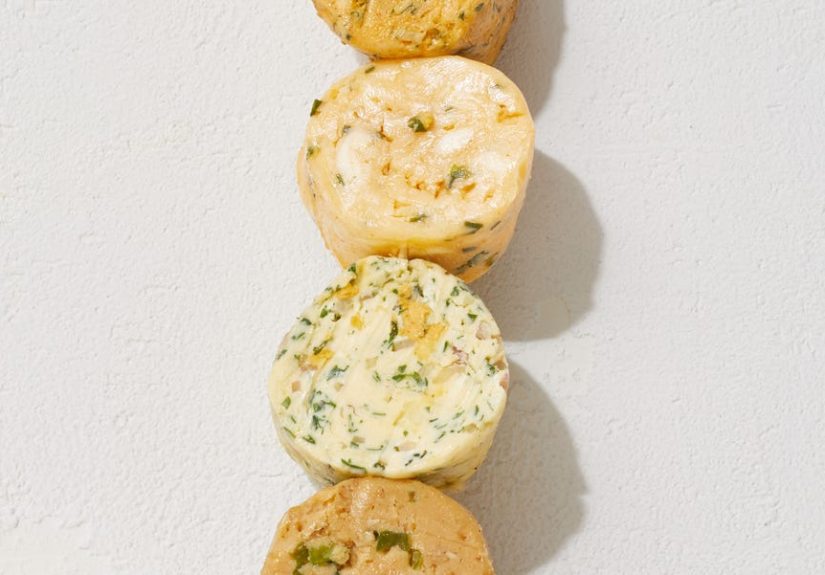
Butter Boosters are a playful name for compound butter, which is simply butter mixed with flavorful ingredients such as herbs, garlic, spices, citrus zest, cheese, honey, hot sauce, mustard, miso, or scallions. Once mixed, the butter is shaped into a log, chilled until firm, sliced into coins, and added to hot food right before serving. The heat melts the butter slowly, creating a glossy sauce without making you whisk anything, reduce anything, or panic over a saucepan. It is low effort with high applause potential.
This guide explains how to make the best Butter Boosters recipe at home, how to customize flavor combinations, how to store it safely, and how to use it like a kitchen shortcut that does not taste like a shortcut. You will also find practical cooking examples and real-kitchen experience tips at the end, because butter may be simple, but using it well is where the magic gets nicely ridiculous.
What Are Butter Boosters?
Butter Boosters are flavored butter blends designed to “boost” the taste of finished dishes. Think of them as tiny flavor buttons. Press one onto grilled corn, roasted carrots, seared steak, baked salmon, mashed potatoes, or warm bread, and the dish instantly tastes richer, brighter, and more complete.
The idea works because butter is an excellent carrier for flavor. Fat captures and spreads aromas from herbs, garlic, citrus oils, spices, and savory ingredients. When the butter melts, those flavors coat the food instead of sitting awkwardly on top like a garnish that got lost. This is why garlic herb butter on steak tastes luxurious, why honey cinnamon butter makes toast feel like dessert, and why miso butter can make roasted vegetables taste deep, salty, and restaurant-level.
Butter Boosters are also practical. You can make one batch in about 10 minutes, keep it in the refrigerator, and slice off what you need all week. If you freeze it, you can have an emergency flavor stash for busy nights. That is not meal prep; that is meal insurance.
Best Butter Boosters Recipe
This base recipe makes one classic savory Butter Booster log with garlic, herbs, lemon, and a little mustard for balance. It is flexible enough for vegetables, meat, seafood, and bread.
Ingredients
- 1/2 cup unsalted butter, softened to room temperature
- 1 small garlic clove, finely grated or pressed
- 1 tablespoon finely chopped parsley
- 1 tablespoon finely chopped chives
- 1 teaspoon fresh thyme leaves
- 1/2 teaspoon lemon zest
- 1 teaspoon Dijon mustard
- 1/4 teaspoon kosher salt, or to taste
- 1/8 teaspoon black pepper
- Optional: pinch of smoked paprika, red pepper flakes, or cayenne
Instructions
- Soften the butter properly. Leave the butter at room temperature until it is soft enough to mash with a fork. It should not be melted. Melted butter will separate and make the mixture greasy instead of creamy.
- Prepare the flavor ingredients. Chop herbs finely, grate the garlic, and zest the lemon. Smaller pieces distribute more evenly and make each slice taste balanced.
- Mix everything together. Place softened butter in a bowl. Add garlic, herbs, lemon zest, mustard, salt, pepper, and any optional spice. Mash with a fork or spatula until evenly combined.
- Taste and adjust. Spread a tiny bit on a cracker or warm vegetable. Add more salt, citrus zest, spice, or herbs if needed.
- Shape into a log. Spoon the mixture onto parchment paper or plastic wrap. Roll it into a cylinder about 1 to 1 1/2 inches thick, twisting the ends tightly.
- Chill until firm. Refrigerate for at least 1 hour, or until sliceable. For neat rounds, chill the log longer.
- Slice and serve. Cut into coins and place over hot foods so the butter melts into a quick sauce.
Why This Butter Boosters Recipe Works
A good Butter Booster needs three things: richness, aroma, and contrast. Butter gives richness. Herbs, garlic, cheese, miso, or spices bring aroma. Citrus, mustard, hot sauce, or honey adds contrast so the butter does not taste flat. Without contrast, flavored butter can become heavy. With contrast, it becomes the edible equivalent of turning up the brightness on a photo.
Unsalted butter is the best starting point because it gives you control. Salted butter works in a pinch, but you should reduce or skip the added salt. Fresh herbs give the cleanest flavor, while dried herbs can work when used carefully. A good rule is to use about one teaspoon dried herbs for every tablespoon of fresh herbs. Dried rosemary and thyme can be strong, so start lightly unless you want your butter to taste like it wandered into a pine forest and never came back.
Lemon zest is more useful than lemon juice in most Butter Boosters because zest brings bright citrus oil without watering down the butter. If you add liquid, use only a small amount and mix well. Ingredients such as hot sauce, honey, Dijon mustard, and miso blend nicely because they bring concentrated flavor in small quantities.
Four Easy Butter Booster Flavor Variations
Once you master the base method, you can create different Butter Boosters for different meals. Here are four reliable variations that cover smoky, spicy, savory, and sweet uses.
1. Smoky Cheddar Butter Booster
Mix 1/2 cup softened unsalted butter with 1 ounce finely grated sharp cheddar, 1/4 teaspoon smoked paprika, 1 tablespoon chopped cilantro or parsley, and 1 teaspoon lime zest. This version is excellent on roasted broccoli, corn on the cob, baked potatoes, burgers, and grilled chicken. The cheddar adds salty depth, while smoked paprika gives the butter a barbecue-style personality without requiring you to own a smoker or stand outside pretending to understand airflow.
2. Hot Honey Butter Booster
Mix 1/2 cup softened butter with 2 teaspoons honey, 1 to 2 teaspoons hot sauce, 1 tablespoon chopped chives, and a pinch of salt. This sweet-spicy version is wonderful on biscuits, fried chicken, cornbread, roasted sweet potatoes, and grilled shrimp. If you like heat, add a pinch of cayenne or red pepper flakes. If you are cooking for spice-sensitive guests, keep it mild and let people add extra heat at the table.
3. Herby Mustard Butter Booster
Mix 1/2 cup softened butter with 1 tablespoon chopped parsley, 1 teaspoon thyme leaves, 1 teaspoon Dijon mustard, 1 tablespoon finely minced shallot, and black pepper. This is the elegant dinner-party version. It melts beautifully over steak, pork chops, roasted mushrooms, green beans, asparagus, and boiled baby potatoes. The mustard gives it a gentle tang that cuts through richer foods.
4. Miso Garlic Butter Booster
Mix 1/2 cup softened butter with 1 to 2 tablespoons red or white miso, 1 small grated garlic clove, 1 finely chopped scallion, and 1 tablespoon toasted sesame seeds. This variation is deeply savory and especially good on roasted carrots, noodles, salmon, shrimp, rice bowls, cabbage, and mushrooms. Because miso is salty, taste before adding extra salt.
Best Ways To Use Butter Boosters
The easiest way to use Butter Boosters is to place a slice on hot food just before serving. The heat melts the butter slowly and creates a glossy, flavorful finish. For steak, chicken, pork, or fish, add the butter after cooking and resting. For vegetables, toss them with a slice while they are still hot from the oven or grill. For pasta, stir a slice into hot noodles with a splash of pasta water and a little Parmesan for a fast sauce.
Butter Boosters also work beautifully under the skin of roast chicken or turkey. Gently loosen the skin, spread a thin layer of herb butter underneath, and roast as usual. The butter melts into the meat while the herbs perfume the bird from the inside out. It sounds fancy, but the chicken will not ask for credentials.
For breakfast, sweet Butter Boosters can turn toast, pancakes, waffles, muffins, oatmeal, or biscuits into something special. Try butter mixed with cinnamon, brown sugar, orange zest, maple syrup, or toasted pecans. For brunch boards, serve several small ramekins of flavored butter beside warm bread, radishes, roasted potatoes, and grilled corn. It looks generous, tastes amazing, and requires less effort than making three separate sauces.
Storage and Food Safety Tips
Because Butter Boosters often contain fresh herbs, garlic, shallots, cheese, or other mix-ins, they should be stored cold. Wrap the log tightly in parchment, wax paper, or plastic wrap, then place it inside an airtight container or freezer bag. Refrigerate for up to 1 to 2 weeks for best quality, especially when using fresh ingredients. For longer storage, freeze the log for up to 2 months. Slice it before freezing if you want easy single-serving portions.
To freeze Butter Boosters, chill the log until firm, cut it into coins, spread the coins on a parchment-lined tray, and freeze until solid. Then transfer them to a freezer bag. This prevents the slices from sticking together in one buttery brick. Label the bag with the flavor and date. Future you will be grateful, especially when future you is hungry and slightly dramatic.
Do not leave flavored butter sitting out for long periods. Plain butter is relatively stable because of its fat content, but fresh add-ins can change the equation. Bring out only what you plan to use, then return the rest to the refrigerator. If the butter smells sour, looks discolored, grows mold, or tastes off, discard it. Butter is wonderful, but it is not worth playing refrigerator roulette.
Common Mistakes To Avoid
Using Melted Butter Instead of Softened Butter
Melted butter may seem easier to mix, but it can make the final texture greasy and uneven. Softened butter should bend to a fork while still holding its shape. If it melts, refrigerate it briefly and stir again once it firms up.
Adding Too Much Liquid
Lemon juice, hot sauce, Worcestershire sauce, and vinegar can all taste great in Butter Boosters, but too much liquid makes the mixture split. Use zest when possible, and keep liquids to small teaspoons rather than generous pours.
Forgetting To Taste Before Chilling
Once the butter is cold, adjusting seasoning becomes annoying. Taste it while soft. If it tastes slightly bold on bread or a cracker, it will taste perfect when melted over hot food.
Chopping Herbs Too Large
Big herb pieces make the butter look rustic, but they can create uneven bites. Finely chopped herbs distribute better and make every slice prettier.
How To Build Your Own Butter Booster Formula
Use this simple formula: 1/2 cup softened butter + 2 to 4 tablespoons flavorful add-ins + 1 bright ingredient + salt to taste. The add-ins can be herbs, cheese, spices, miso, roasted garlic, scallions, olives, sun-dried tomatoes, or toasted nuts. The bright ingredient can be lemon zest, lime zest, orange zest, mustard, hot sauce, or a tiny splash of vinegar.
For steak, use garlic, parsley, chives, black pepper, and lemon zest. For seafood, use dill, lemon zest, scallions, and a little garlic. For vegetables, try miso, sesame, chili flakes, or herbs. For bread, go sweet with honey, cinnamon, brown sugar, maple, or orange zest. For grilled corn, try lime zest, cilantro, smoked paprika, and cotija-style cheese if you like a street-corn-inspired flavor.
The secret is restraint. Butter Boosters should boost the food, not tackle it. If you add every exciting ingredient in the pantry, the result may taste like a committee meeting. Choose a directionherby, spicy, smoky, sweet, tangy, or umamiand let the butter carry that theme clearly.
Serving Ideas for Everyday Meals
Butter Boosters can make weeknight dinners feel planned even when dinner is mostly “what can I cook before everyone starts chewing the furniture?” Add hot honey butter to roasted sweet potatoes. Melt miso garlic butter into plain rice with a fried egg. Toss green beans with herby mustard butter. Put smoky cheddar butter on baked potatoes with scallions. Stir garlic herb butter into steamed broccoli, and suddenly broccoli stops looking like a punishment.
For protein, Butter Boosters are a finishing move. A plain chicken breast becomes juicy and flavorful when topped with lemon herb butter. Pan-seared salmon becomes glossy with miso scallion butter. Pork chops love mustard herb butter. Shrimp tossed with garlic chive butter can become dinner in minutes when served over pasta, rice, or crusty bread.
For entertaining, make three flavors and serve them as a “butter flight.” Place small slices on a board with warm baguette, roasted vegetables, grilled meats, and corn. Label each flavor so guests know what they are tasting. People enjoy choosing their own flavor, and you get to look like someone who casually makes butter flights. That is a personality upgrade for any table.
Nutrition Notes
Butter is rich, flavorful, and high in fat, including saturated fat, so Butter Boosters are best used as a finishing ingredient rather than a main course wearing a cape. The good news is that a small amount goes a long way. One slice can season a full serving of vegetables, fish, chicken, or potatoes. Because the flavor is concentrated, you can use less butter than you might use if you were spreading plain butter without herbs or seasoning.
If you want a lighter feel, pair Butter Boosters with vegetables, lean proteins, and whole grains. You can also make smaller logs and slice thinner coins. Another helpful trick is to combine butter with strong ingredients such as citrus zest, herbs, garlic, mustard, and spices. These make each bite taste bigger without requiring a huge amount of butter.
Real Kitchen Experiences With Butter Boosters
The first time I made Butter Boosters, I treated them like a cute extra. You know, the kind of thing you make because you have three herbs wilting in the refrigerator and guilt is a powerful motivator. I mixed softened butter with parsley, garlic, lemon zest, and chives, rolled it into a log, and forgot about it until dinner. Then I roasted a tray of potatoes, tossed one slice of the butter into the hot pan, and watched the whole situation become suspiciously impressive. The potatoes went from “fine side dish” to “who catered this?” in about 20 seconds.
Since then, I have learned that Butter Boosters are most useful on nights when dinner is simple. They are not just for steakhouse-style meals or holiday spreads. They are for Tuesday salmon, leftover rice, steamed vegetables, toast, pasta, and baked potatoes. The more ordinary the food, the more obvious the upgrade. A plain bowl of noodles with butter is comforting. A bowl of noodles with garlic herb Butter Booster, Parmesan, black pepper, and a little pasta water is suddenly dinner with a plot.
One of the best experiences came from making a few different flavors before a casual backyard meal. I put out smoky cheddar butter for corn, hot honey butter for biscuits, and herby mustard butter for grilled chicken. Nobody talked about the salad. Everyone talked about the butter. This is not necessarily a proud nutritional moment, but it was an honest social one. Flavorful butter has a way of making people gather around food and ask, “Wait, what is in this?” That question is the home cook’s trophy.
I also discovered that Butter Boosters are excellent for reducing food waste. Small amounts of leftover herbs, one lonely scallion, half a lemon, a spoonful of miso, a wedge of cheese, or a near-empty jar of mustard can all become part of a flavored butter. Instead of letting those ingredients become sad refrigerator confetti, you turn them into something useful. The freezer method is especially helpful. Slice the log into coins, freeze them flat, and store them in a bag. Later, you can add one coin to a skillet of mushrooms, a bowl of rice, or roasted carrots without thawing the whole batch.
The biggest lesson is that Butter Boosters reward balance. My early versions were sometimes too garlicky, too salty, or too wet from lemon juice. Now I use zest more than juice, grate garlic finely, add salt slowly, and taste before chilling. I also keep flavors focused. Garlic, parsley, lemon, and mustard work together. Garlic, cinnamon, miso, blue cheese, and maple syrup may technically fit in butter, but that does not mean they should be trapped in the same log together. Butter is forgiving, but it has boundaries.
If you are new to making Butter Boosters, start with one savory log and one sweet log. Use the savory version on vegetables or protein, and the sweet version on toast, biscuits, or pancakes. After that, experiment with whatever you cook most often. The best Butter Booster is not the fanciest one. It is the one you actually use, slice by slice, until your refrigerator starts feeling like it has a secret flavor drawer.
Conclusion
Butter Boosters are one of the easiest ways to make everyday meals taste richer, brighter, and more intentional. With softened butter, a few herbs or spices, and a simple roll-and-chill method, you can create a flavor-packed ingredient that works on vegetables, meats, seafood, bread, pasta, potatoes, and breakfast favorites. The best Butter Boosters recipe is flexible: start with the classic garlic herb version, then explore smoky cheddar, hot honey, herby mustard, miso garlic, or sweet cinnamon variations. Make a log, store it cold, slice what you need, and let the butter do its beautiful little magic trick.