Table of Contents >> Show >> Hide
- What Is Artistic Wire 20-Gauge Tarnish Resistant Silver Wire?
- Why 20 Gauge Is Such a Useful Size
- What “Tarnish Resistant” Really Means
- How It Feels in the Hands
- Tools That Work Well With Artistic Wire
- Project Ideas for Artistic Wire 20-Gauge Tarnish Resistant Silver Wire
- Advantages of Artistic Wire 20-Gauge Tarnish Resistant Silver Wire
- Limitations to Know Before You Buy
- How to Store and Care for Finished Pieces
- Buying Tips: What to Look For
- Is Artistic Wire 20-Gauge Tarnish Resistant Silver Wire Worth It?
- Hands-On Experience: Working With Artistic Wire 20-Gauge Tarnish Resistant Silver Wire
- Conclusion
If jewelry-making had a “reliable best friend” material, Artistic Wire 20-Gauge Tarnish Resistant Silver Wire would probably be the one showing up with snacks, pliers, and a suspiciously organized bead box. It is shiny without being fussy, flexible without behaving like cooked spaghetti, and sturdy enough for many everyday wire-wrapping projects. For crafters, jewelry makers, mixed-media artists, and weekend DIY adventurers, this silver-colored craft wire hits a very useful middle ground: pretty enough for finished pieces, affordable enough for practice, and forgiving enough that beginners do not immediately question all their life choices.
This guide explores what makes Artistic Wire 20-gauge tarnish resistant silver wire popular, how it performs in jewelry making, what projects it is best suited for, and how to use it without scratching, kinking, or accidentally creating a tiny metallic bird nest. Whether you are making earrings, pendants, bead links, wire trees, ornaments, scrapbook accents, or handmade gifts, understanding the strengths and limits of this wire will help you get cleaner results and waste less material.
What Is Artistic Wire 20-Gauge Tarnish Resistant Silver Wire?
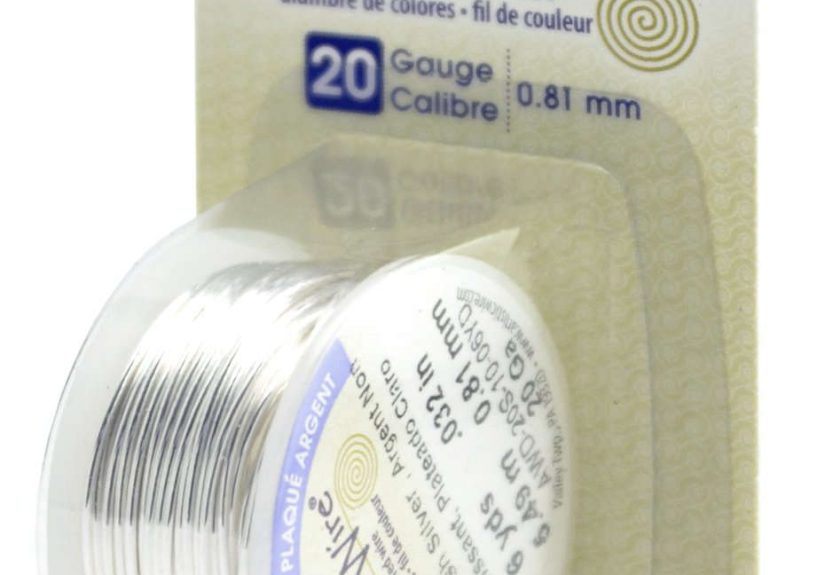
Artistic Wire 20-gauge tarnish resistant silver wire is a round craft and jewelry wire commonly made with a copper core, plated with a silver-colored or silver layer, then protected with a clear tarnish-resistant coating. The result is a bright silver finish that gives handmade pieces a polished look without the cost of solid sterling silver. It is widely used for wire wrapping, bead links, jump rings, ear wires, simple clasps, spirals, decorative frames, charms, card accents, ornaments, and general craft work.
The “20-gauge” part refers to thickness. In American Wire Gauge sizing, 20-gauge wire measures about 0.032 inch, or roughly 0.813 millimeter, in diameter. That size is one of the most practical choices for jewelry making because it is thin enough to pass through many beads, yet thick enough to hold basic shapes after proper forming or light work-hardening. In plain English: it is not too flimsy, not too bulky, and not likely to bully your pliers into early retirement.
Why 20 Gauge Is Such a Useful Size
Wire gauges can be confusing at first because the numbers work backward: the higher the gauge number, the thinner the wire. So 26-gauge wire is thinner than 20-gauge wire, while 18-gauge wire is thicker. For many makers, 20 gauge is the “sweet spot” because it handles a surprising range of tasks.
For example, 24-gauge wire is excellent for delicate wrapping and small beads, but it may feel too soft for structural elements. Eighteen-gauge wire is strong and useful for clasps or frames, but it can be harder to bend smoothly, especially for beginners. Artistic Wire in 20 gauge sits comfortably between those two. It can make wrapped loops, bead connectors, hoop components, decorative swirls, handmade head pins, and lightweight findings. With the right technique, it can also be used for ear wires and small jump rings, though pieces that need extra strength may benefit from work-hardening.
Best Uses for 20-Gauge Silver Craft Wire
Artistic Wire 20-gauge tarnish resistant silver wire is especially useful for:
- Wire-wrapped bead links for bracelets and necklaces
- Simple handmade earrings and dangles
- Eye pins and head pins
- Decorative spirals, coils, and scrolls
- Lightweight jump rings
- Small clasps and hooks when properly hardened
- Pendant frames for casual jewelry designs
- Wire names, ornaments, and scrapbook embellishments
- Practice projects before moving to sterling silver or gold-filled wire
What “Tarnish Resistant” Really Means
The phrase tarnish resistant silver wire sounds magical, as if the wire owns a tiny shield and yells “not today” at oxidation. In reality, it means the wire has a protective coating designed to slow discoloration and help preserve the bright silver appearance. This coating is one of the main reasons crafters like Artistic Wire for casual jewelry and decorative projects.
However, tarnish resistant does not mean indestructible. The finish can still be damaged by aggressive scraping, rough pliers, repeated bending in the same spot, harsh chemicals, perfumes, lotions, sweat, or improper storage. If the coating is scratched deeply enough, the wire may lose some of its smooth shine or expose the base beneath. The good news is that careful handling goes a long way. Use nylon-jaw pliers when possible, avoid dragging metal tools along the surface, and store finished pieces in dry bags or boxes.
Is It the Same as Sterling Silver Wire?
No. Artistic Wire 20-gauge tarnish resistant silver wire is not the same as solid sterling silver wire. Sterling silver is a precious metal alloy, while this type of craft wire usually uses a copper base with a silver-colored or silver-plated surface and protective coating. That difference matters for price, durability, value, and how the wire should be marketed in finished jewelry.
If you sell handmade pieces, be accurate in your product descriptions. Calling this material “silver wire,” “silver-colored craft wire,” “silver-plated craft wire,” or “tarnish resistant silver craft wire” is much safer than implying it is solid sterling silver. Customers appreciate honesty, and your future self will appreciate not answering awkward messages that begin with, “Hi, I tested this…”
How It Feels in the Hands
One reason Artistic Wire is popular is its workability. Many versions are considered dead soft or very bendable, meaning the wire is easy to shape with standard jewelry tools. Beginners often find this helpful because it allows them to practice loops, spirals, and wraps without needing excessive hand strength. If you have ever fought with stiff wire that behaves like a tiny silver spring with trust issues, you know why soft wire can feel like a luxury.
Because it is soft, it forms curves easily. That is great for flowing designs, but it also means finished components may need hardening if they must hold shape under stress. Work-hardening happens naturally as wire is bent, wrapped, hammered, tumbled, or pressed with a nylon hammer. For ear wires, clasps, and necklace links, light hardening can make the piece feel more secure. Be careful, though: overworking plated or coated wire can damage the surface, so aim for enough firmness without punishing the material.
Tools That Work Well With Artistic Wire
You do not need a professional metalsmithing studio to enjoy this wire. A basic jewelry-making toolkit is enough for most projects. Start with round-nose pliers for loops, chain-nose pliers for gripping and tucking, flush cutters for clean ends, and nylon-jaw pliers for straightening. A wire rounder or cup bur is useful if you make ear wires because it smooths cut ends so they do not scratch skin.
For best results, avoid tools with rough teeth unless you intentionally want texture. Serrated pliers can bite into the coating and leave marks. If you only have basic hardware pliers, wrap the jaws with painter’s tape or use Tool Magic-style coating to soften contact. Your wire will look cleaner, and your finished pieces will not appear as though they survived a raccoon attack.
Helpful Tool List
- Round-nose pliers for loops and spirals
- Chain-nose pliers for gripping and closing wraps
- Flush cutters for neat wire cuts
- Nylon-jaw pliers for straightening without scratching
- Mandrels, dowels, or pens for forming hoops and curves
- Wire rounder for smoothing ear-wire ends
- Nylon or rawhide hammer for gentle work-hardening
Project Ideas for Artistic Wire 20-Gauge Tarnish Resistant Silver Wire
1. Simple Bead Link Bracelet
Cut short wire pieces, slide one bead onto each piece, and create wrapped loops on both sides. Connect the links together with jump rings or direct loop connections. This is one of the best beginner projects because it teaches measuring, looping, wrapping, trimming, and finishing. Use glass beads, gemstone rounds, crystals, or ceramic beads for different styles.
2. Minimalist Hoop Earrings
Wrap the wire around a mandrel, marker, or dowel to form matching circles. Trim, smooth, and create a small loop or hook closure. Lightly work-harden the hoops with a nylon hammer so they keep their shape. Add one small charm or bead for movement. The result is clean, wearable, and much easier than it looks.
3. Wire-Wrapped Pendant Frame
Use 20-gauge wire to create a basic frame around a stone, crystal, sea glass piece, or flat bead. Add thinner wire, such as 26 or 28 gauge, for detailed wraps if needed. The 20-gauge wire provides structure, while the thinner wire handles the delicate binding. This combination creates a balanced pendant without turning the design into a wrestling match.
4. Decorative Spirals for Cards and Scrapbooks
Artistic Wire is not only for jewelry. Its silver shine can add dimension to handmade cards, journals, gift tags, ornaments, and scrapbook pages. Small spirals, hearts, stars, initials, and swirls can be glued or stitched onto paper crafts. Because 20 gauge is visible and holds shape better than ultra-thin wire, it works well as a decorative accent.
5. Handmade Ornament Hooks
For holiday projects, shape the wire into S-hooks, spirals, or decorative hangers. The tarnish-resistant finish helps the hooks stay bright in storage, especially when packed away for months. Add a bead or crystal to the center and suddenly your ornament hook looks intentional instead of “I found wire and got ambitious.”
Advantages of Artistic Wire 20-Gauge Tarnish Resistant Silver Wire
The biggest advantage is versatility. This wire can move between jewelry, crafts, home decor, and mixed-media work without feeling out of place. It has an attractive silver finish, is generally affordable, and is easier to shape than many harder wires. Beginners can practice without spending sterling silver money, while experienced makers can use it for prototypes, samples, and casual finished designs.
Another advantage is consistency. A good spool of Artistic Wire tends to unwind smoothly, hold curves well, and pair nicely with common jewelry tools. The silver tone also coordinates with a wide range of beads: pearls, turquoise, black onyx, clear crystal, amethyst, glass, wood, shell, and colorful acrylic. Silver is the blue jeans of jewelry colors. It goes with almost everything and rarely complains.
Limitations to Know Before You Buy
Artistic Wire is useful, but it is not perfect for every project. Because it is coated and plated, it may not be the best choice for heavy-duty pieces that require repeated bending, soldering, torch work, aggressive hammering, or long-term fine-jewelry durability. It should also not be marketed as solid precious metal. For heirloom jewelry, high-end sales, or designs that will experience heavy wear, sterling silver, Argentium, gold-filled, or stainless steel may be better options.
Another limitation is bead-hole size. Although 20 gauge fits many beads, it will not pass through every pearl, seed bead, or tiny gemstone. Before committing to a design, test the wire with your beads. Nothing ruins a creative mood faster than discovering your beautiful beads have holes smaller than your patience.
How to Store and Care for Finished Pieces
To keep finished projects bright, store them in a dry place away from humidity, lotions, perfumes, and cleaning chemicals. Small zip bags, anti-tarnish tabs, jewelry boxes, or soft pouches can help protect the finish. Wipe pieces gently with a soft cloth after wearing. Avoid polishing compounds meant for solid silver because they may be too harsh for coated craft wire.
If the piece gets dirty, use a barely damp soft cloth and dry it immediately. Do not soak coated wire jewelry in chemical cleaners. Also, remove wire jewelry before swimming, showering, or exercising. Tarnish-resistant wire is tough enough for many normal uses, but chlorine, sweat, and soap residue are not exactly spa treatments for craft materials.
Buying Tips: What to Look For
When buying Artistic Wire 20-gauge tarnish resistant silver wire, check the spool length, gauge, finish, shape, and material description. Common listings include 20 gauge, round wire, tarnish resistant silver, and 25 feet, though some sellers offer different spool sizes such as 6 yards, 15 yards, or bulk quarter-pound spools. Make sure you are buying the finish you want, because “silver,” “stainless steel color,” “tinned copper,” and “tarnish resistant silver” can look similar in small photos but may not be identical.
Also compare price per foot, not just the sticker price. A cheaper spool may be smaller. Read descriptions carefully and look for notes such as dead soft, silver plated, copper core, non-tarnish coating, permanent color, or craft wire. If you are making items for sale, order a small spool first and test how it behaves with your specific beads, tools, packaging, and wear conditions.
Is Artistic Wire 20-Gauge Tarnish Resistant Silver Wire Worth It?
For most hobbyists and craft sellers, yes. It offers an excellent balance of appearance, workability, and value. It is especially smart for beginners who want to learn wire wrapping without burning through expensive precious metal. It is also useful for makers who need a bright silver look for seasonal products, casual jewelry, prototypes, ornaments, teaching kits, craft classes, and quick gift projects.
That said, it is best understood as a high-quality craft wire, not a replacement for fine jewelry wire. Use it where its strengths shine: decorative work, wearable casual pieces, practice designs, and creative experiments. For designs that must survive years of daily wear, constant friction, or luxury-market expectations, upgrade the material accordingly.
Hands-On Experience: Working With Artistic Wire 20-Gauge Tarnish Resistant Silver Wire
The first thing many makers notice about Artistic Wire 20-gauge tarnish resistant silver wire is how approachable it feels. It does not demand heroic grip strength, and it does not spring away from the pliers like it has somewhere better to be. When making a simple wrapped loop, the wire bends cleanly around round-nose pliers and allows small corrections. That matters, especially when learning. Beginners rarely make the perfect loop on the first try. Sometimes the first loop looks like a question mark, the second like a pretzel, and the third finally starts behaving. This wire gives you room to improve without wasting expensive material.
In bead-link projects, 20 gauge feels sturdy enough to create confidence. It holds a bead securely, makes a visible design line, and gives bracelets or necklaces a handmade structure. When paired with medium-hole glass beads or gemstone beads, it performs nicely. The silver finish adds brightness without overpowering the bead colors. Blue beads look crisp, black beads look modern, clear crystals look dressy, and natural stones get a clean contrast. It is especially good for making simple earrings because the wire is light enough to wear comfortably but strong enough to form hooks, loops, and dangles when handled correctly.
The main lesson from using this wire is to respect the coating. Smooth tools make a major difference. Nylon-jaw pliers are excellent for straightening wire pulled from the spool, and they reduce the risk of scratches. If you grip too hard with metal pliers, especially pliers with teeth, marks can appear. The wire may still be usable, but the finish will not look as professional. A gentle grip is better than a death clamp. Jewelry tools are not trying to escape; they just need guidance.
Another useful experience is learning how much wire to cut. For wrapped loops, it is better to cut a little extra until your technique becomes consistent. Short wire tails are frustrating because they leave no room to complete neat wraps. Long tails waste material but are easier to manage while practicing. After a few projects, you develop a sense of how much wire each bead size requires. Keeping a small notebook with measurements can save time, especially if you make repeated designs for gifts or online sales.
Work-hardening is also important. Freshly shaped 20-gauge Artistic Wire can feel soft, which is wonderful for forming spirals and curves but less ideal for components that need to resist bending. For hoops, clasps, or ear wires, light hammering with a nylon hammer or gentle tumbling can improve firmness. Avoid heavy texturing unless you have tested the finish first. If the project depends on a flawless shiny surface, practice on scrap wire before touching the final piece.
Overall, the experience is pleasantly practical. Artistic Wire 20-gauge tarnish resistant silver wire is not the fanciest wire in the jewelry world, but it is one of the most useful. It encourages experimentation. It lets beginners build skill and lets experienced makers prototype quickly. It can become a pair of earrings before lunch, an ornament hook before dinner, and a decorative card accent while you are supposedly cleaning your craft table. That flexibility is the real charm. A single spool can support many small projects, and because the finish stays bright with reasonable care, finished pieces look polished enough to gift, wear, photograph, or sell in casual handmade collections.
Conclusion
Artistic Wire 20-Gauge Tarnish Resistant Silver Wire is a smart, flexible, and beginner-friendly material for jewelry making and creative crafts. Its 20-gauge size offers a practical balance between strength and bendability, while the bright silver finish gives handmade pieces a clean, professional appearance. It works beautifully for wrapped loops, bead links, earrings, spirals, ornaments, and decorative craft accents. Just remember to use smooth tools, avoid harsh chemicals, and store finished pieces carefully to protect the tarnish-resistant coating.
If you want a wire that is affordable enough for practice but polished enough for finished projects, this spool deserves a place in your craft drawer. It may not turn you into a master wire artist overnight, but it will make the learning curve much shinier.