Table of Contents >> Show >> Hide
- Why Peas Can Feel Hard to Digest
- So, Are Peas Actually Hard to Digest?
- Which Types of Peas Cause the Most Trouble?
- Who Is More Likely to Struggle With Peas?
- Signs Peas May Not Agree With You
- How to Make Peas Easier to Digest
- Are Peas Good for Digestion Overall?
- When to Skip Peas for Now
- Common Experiences People Have With Peas
- Final Verdict: Are Peas Hard to Digest?
- SEO Tags
If peas had a publicist, that publicist would be exhausted. One minute peas are the poster child for healthy eating. The next minute they are blamed for bloating, gas, digestive drama, and a suspicious amount of post-dinner stomach commentary. So what is the truth? Are peas actually hard to digest, or are they just being unfairly framed by one too many awkward bean-related jokes?
The honest answer is: peas are not automatically hard to digest for everyone. For many people, peas are a nutritious, fiber-rich food that the digestive system handles just fine. But for others, especially people with sensitive stomachs, irritable bowel syndrome (IBS), or a habit of eating large portions of high-fiber foods all at once, peas can absolutely lead to gas, bloating, and discomfort. In other words, peas are not villains. They are more like tiny green overachievers that sometimes ask your digestive system to do a little extra work.
Why Peas Can Feel Hard to Digest
Peas contain nutrients your body loves, but they also contain components your gut has to negotiate with. The two biggest reasons peas may feel hard to digest are fiber and fermentable carbohydrates.
1. Peas are rich in fiber
Fiber is excellent for overall digestive health. It helps keep bowel movements regular, supports gut bacteria, and can help you feel fuller after meals. That is the good news. The less glamorous news is that when you suddenly eat a lot more fiber than usual, your digestive tract may respond with gas, cramping, or bloating. Basically, fiber is great, but your stomach prefers a polite introduction instead of a surprise party.
If you do not normally eat many vegetables, beans, lentils, or whole grains, a big serving of peas may feel like a digestive ambush. This does not mean peas are “bad.” It often means your body needs time to adapt.
2. Peas contain fermentable carbs
Like many legumes, peas contain short-chain carbohydrates that may not be completely digested in the small intestine. When these carbs move into the large intestine, your gut bacteria ferment them. Fermentation is normal, but it also creates gas. That is why peas can leave some people feeling puffy, gurgly, or like they should not trust the next elevator ride.
This effect is more noticeable in people who are already prone to bloating. If you have IBS, functional bowel symptoms, or frequent gas after meals, peas may be one of several foods that push your digestive system into complaint mode.
So, Are Peas Actually Hard to Digest?
For most healthy adults, peas are not truly difficult to digest in a dangerous or abnormal way. They are simply a food that can be more likely to produce gas than very low-fiber, low-residue foods. That is a big difference.
Think of it this way: a plain cracker is easy on the stomach because it does not ask much of digestion. Peas, on the other hand, bring fiber, plant compounds, and fermentable carbohydrates to the table. That makes them more complex, not necessarily harmful. If your stomach handles them well, great. If it protests, that does not mean peas are universally hard to digest. It means your personal tolerance may be lower.
For many people, portion size matters more than peas themselves. A few spoonfuls mixed into a meal may be no problem, while a giant bowl of split pea soup followed by dessert and sparkling water can feel like your abdomen has launched a weather system.
Which Types of Peas Cause the Most Trouble?
Not all peas land the same way in the digestive tract. Preparation matters.
Green peas
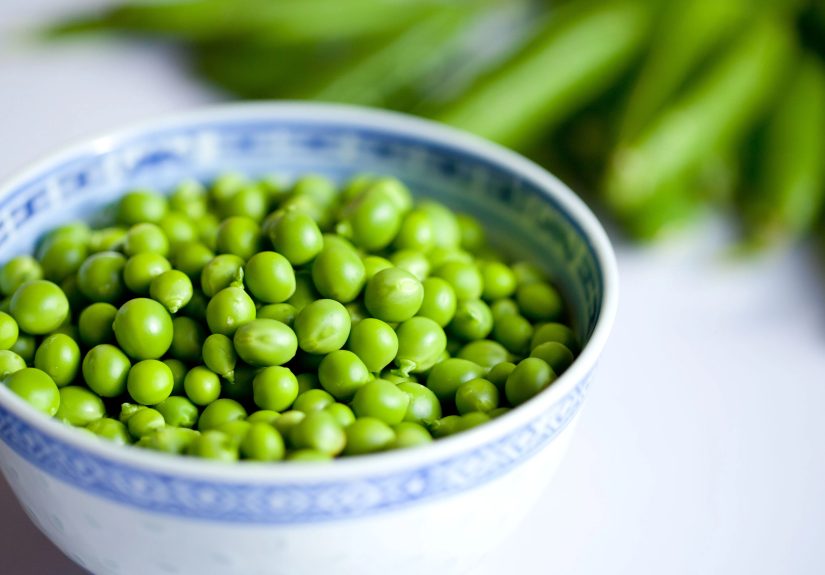
Cooked green peas are often reasonably well tolerated in moderate portions. They are softer, easier to chew, and commonly served as part of a mixed meal rather than in massive quantities. For many people, they are the least dramatic version of the pea family.
Split peas
Split peas can be more intense for sensitive stomachs, especially in large portions. Split pea soup is nutritious, but it can also be a concentrated fiber event. If you are not used to legumes, a hearty bowl may bring on noticeable bloating.
Snow peas and sugar snap peas
These can be easy for some people and annoying for others. Because you eat more of the pod, texture and fiber may make them feel a bit heavier when eaten raw or in large amounts. Light cooking often makes them easier to tolerate.
The bottom line: how much you eat, how well the peas are cooked, and what else is on your plate usually matter more than the exact pea variety.
Who Is More Likely to Struggle With Peas?
You may be more likely to find peas hard to digest if any of the following sound familiar:
You have IBS
People with IBS often react more strongly to fermentable carbs, including some found in legumes. That can mean more gas, more bloating, and more “why did I eat that before leaving the house?” energy. If peas reliably trigger symptoms, a low-FODMAP approach under professional guidance may help you figure out whether portion size or type of pea is the issue.
You rarely eat fiber
If your usual menu leans heavily on refined carbs, fried foods, and low-fiber snacks, jumping straight to a pea-heavy meal may feel rough. Your gut bacteria do adapt, but they appreciate a slow ramp-up.
You eat quickly
Fast eating means more swallowed air and less chewing. That can worsen bloating even when the food itself is healthy. Peas do not need to become a smoothie, but they do benefit from a decent amount of chewing.
You are already constipated
Fiber can help constipation over time, but if you increase fiber without drinking enough fluids, you may feel more bloated and backed up before things improve. Peas are not magic. They need water as a teammate.
You have an underlying digestive condition
Conditions such as inflammatory bowel disease, celiac disease, chronic constipation, food intolerances, or other gastrointestinal disorders can change how your body handles peas and similar foods. If symptoms are frequent, severe, or new, it is worth talking to a healthcare professional.
Signs Peas May Not Agree With You
Common symptoms after eating peas can include:
- Gas
- Bloating
- Abdominal pressure
- Mild cramping
- Changes in bowel habits
- A feeling of fullness that lingers longer than expected
These symptoms are usually temporary and not dangerous. But there is a difference between “my stomach feels a little bubbly” and “something is definitely wrong.” If peas consistently cause intense pain, vomiting, diarrhea that does not let up, blood in the stool, weight loss, fever, or symptoms that wake you from sleep, do not just blame the peas and move on. Get checked out.
How to Make Peas Easier to Digest
If peas are healthy for you in theory but chaotic in practice, there are several ways to improve tolerance without banishing them from your plate forever.
Start small
Try a modest portion instead of a mountain of peas. Your digestive system is often much happier with a half-serving than with a “look at me being healthy” oversized bowl.
Cook them well
Soft, thoroughly cooked peas are usually easier to digest than firmer or raw versions. Cooking breaks down some of the structure, which can make them gentler on the stomach.
Chew more than you think you need to
This sounds boring, but it works. Better chewing helps mechanical digestion and may reduce the amount of work your gut has to do later.
Increase fiber gradually
If peas are part of a general effort to eat more fiber, make the shift slowly. Do not go from drive-thru nuggets to a full bean-and-pea wellness festival overnight.
Drink enough water
Fiber and fluids work together. If you increase one without the other, digestion can get moody.
Pair peas with easier foods
Some people tolerate peas better when they are part of a balanced meal with rice, potatoes, eggs, chicken, or another familiar food. A whole plate built around several gas-producing foods is more likely to lead to discomfort.
Track your triggers
If peas seem suspicious, keep a simple food and symptom log for a week or two. You may find that peas are only a problem in certain amounts, at certain times, or when combined with onions, garlic, carbonated drinks, or very fatty meals.
Consider enzyme support
Some people find over-the-counter enzyme products helpful before eating legumes. They are not magical, and they do not solve every digestive issue, but for certain people they can reduce the gas factor enough to make peas less dramatic.
Are Peas Good for Digestion Overall?
Yes, for many people they are. This is the part where peas get to clear their name a little.
Peas provide fiber that can support regularity and feed beneficial gut bacteria. They also offer plant protein, vitamins, minerals, and a satisfying texture that makes meals feel more substantial. If your digestive system tolerates them, peas can absolutely be part of a gut-friendly eating pattern.
The irony is that foods that support long-term digestive health are not always the same foods that feel the quietest in the short term. High-fiber foods often cause a temporary increase in gas when you start eating more of them. That does not mean they are damaging your gut. Sometimes it just means your gut is adjusting, loudly and with no sense of privacy.
When to Skip Peas for Now
There are times when peas may not be your best choice, at least temporarily. You may want to cut back for a bit if:
- You are in the middle of an IBS flare
- You are recovering from a stomach bug
- You are severely constipated and under-hydrated
- You notice a clear, repeatable pattern of discomfort after eating them
- Your doctor or dietitian has told you to follow a specific digestive plan
Taking a break does not mean peas are banned for life. It may just mean your gut needs a calmer moment before reintroducing them more strategically.
Common Experiences People Have With Peas
One of the most interesting things about peas is how differently people experience them. Ask ten people whether peas are hard to digest and you may get ten opinions, one family argument, and at least one person who says, “I can eat peas just fine, but lentils are a betrayal.” Digestive tolerance is personal.
A lot of people report that peas are perfectly fine when they appear in small amounts, like in fried rice, pasta salad, chicken pot pie, or a side dish with dinner. The same people may suddenly feel bloated when they eat a very large bowl of split pea soup or decide to become “super healthy” for a day and pile peas on top of a meal that already includes beans, broccoli, onions, and sparkling water. At that point, the issue may not be peas alone. It may be the entire gas-producing cast working together like an overeager choir.
Another common experience is the fiber transition effect. Someone starts trying to eat better, adds peas, beans, lentils, oatmeal, and salads all in the same week, and then concludes that vegetables are a scam. In reality, the digestive system often just needs a gradual adjustment period. After a couple of weeks, many people find that the same foods that once caused bloating become much easier to tolerate.
People with IBS often describe a different pattern. For them, peas may seem fine on one day and irritating on another, depending on portion size, stress, sleep, hydration, and what else they ate. That unpredictability can make peas seem worse than they really are. In some cases, it is not that peas are impossible to digest. It is that a sensitive gut reacts to the total load of fermentable foods.
Texture matters, too. Some people do better with soft cooked peas than with crisp snap peas eaten raw. Others notice that pureed soups feel heavier than whole peas because they eat them faster and in larger volume. A few people say they can tolerate peas better with lunch than with dinner, likely because late-night bloating feels more noticeable when you are trying to relax or sleep instead of walking around during the day.
There is also the “healthy but humbling” experience. You eat peas because you are making responsible adult choices, and two hours later your stomach starts sounding like it is practicing jazz. That does not mean the food was unhealthy. It means your gut microbiome got busy. Sometimes the healthiest foods are not silent foods.
The takeaway from all these everyday experiences is simple: peas are not universally hard to digest, but they are not universally effortless either. They live in the middle ground. For many people, they are nutritious and manageable. For others, they require smaller portions, better timing, more cooking, or a little patience. And for a smaller group, peas are a reliable trigger worth limiting. Your gut gets a vote.
Final Verdict: Are Peas Hard to Digest?
Peas are not inherently hard to digest for everyone, but they can be gas-producing and uncomfortable for some people. Their fiber and fermentable carbs are usually the main reason. If you have a healthy digestive system and eat peas in reasonable portions, they are often easy enough to enjoy. If you have IBS, a sensitive gut, constipation, or a low-fiber diet that suddenly changes, peas may feel much harder on your stomach.
The smartest approach is not to label peas as good or bad. It is to pay attention to your portion size, your preparation method, your hydration, and your personal tolerance. Tiny green vegetables should not be allowed to ruin your day, but they also should not be given diplomatic immunity if your gut clearly objects.
In short: peas are healthy, peas are useful, peas are usually worth trying, and peas sometimes come with a little digestive small print. Read the fine print with your stomach, not with internet panic.