Table of Contents >> Show >> Hide
- Quick reality check: olives vs. olive oil
- What’s in olives that makes them “healthy”?
- 9 health benefits of olives and olive oil
- 1) Heart-friendly fats that help you “swap” smarter
- 2) Supports healthier cholesterol patterns
- 3) Extra-virgin olive oil brings anti-inflammatory punch
- 4) Antioxidants that help protect cells from oxidative stress
- 5) Better blood vessel function (your arteries will thank you)
- 6) May support healthier blood pressure as part of a Mediterranean pattern
- 7) Potential support for brain health and healthy aging
- 8) Helps absorb fat-soluble vitamins (AKA: it makes your salad more useful)
- 9) Satiety and weight management support (when used strategically)
- Are olives good for you… even though they’re salty?
- Choosing olive oil: extra-virgin, “light,” refined… what matters?
- How much olive oil should you use?
- Easy ways to eat more olives (and olive oil) without getting bored
- FAQ: the questions everyone asks (usually while holding a jar of olives)
- Experiences in the real world: what people notice when they add olives & olive oil (about )
- Conclusion
Olives are one of those foods that feel like they should come with a tiny passport stamp. They show up on Mediterranean plates, in salads, on pizza, in martinis,
and occasionally in that one friend’s snack drawer like they’re a “normal” grab-and-go item. But are olives actually good for you… or are they just salty little
flavor grenades pretending to be health food?
Here’s the honest answer: yes, olives can be good for youand olive oil is one of the best-studied “healthy fats” out there.
The trick is understanding why they help, how to use them, and when the salt (or calories) can sneak up and steal the spotlight.
Quick reality check: olives vs. olive oil
Olives are the fruit. Olive oil is the pressed fat from that fruit. They share some helpful compounds, but they’re not identical:
- Olives give you small amounts of fiber and micronutrients, plus plant compounds (polyphenols). Many are cured or fermented, which is why they’re salty.
- Olive oil gives you mostly monounsaturated fat (especially oleic acid) and, if it’s extra-virgin, a bigger dose of polyphenols.
What’s in olives that makes them “healthy”?
Olives and olive oil are famous for their monounsaturated fats (the kind many heart-health guidelines like), plus a lineup of antioxidant plant
compounds with names that sound like they should be in a sci-fi movie: hydroxytyrosol, oleuropein, and oleocanthal.
You’ll also see vitamin E mentioned a lotan antioxidant vitamin that supports cells and helps protect fats in your body from oxidative damage.
And yes, olives contain sodium because curing is basically their origin story. That doesn’t make them “bad,” it just means you should treat them like a
powerful seasoning you can snack onnot a vegetable you can eat by the bowlful every day.
9 health benefits of olives and olive oil
Health benefits aren’t magic spellsmost come from using olives and olive oil as part of an overall eating pattern, like a Mediterranean-style
diet that leans on plants, beans, fish, whole grains, and unsaturated fats. With that in mind, here are nine real, evidence-based ways olives and olive oil can
support health.
1) Heart-friendly fats that help you “swap” smarter
The biggest win with olive oil is what it helps you replace. When you use olive oil instead of butter, shortening, or other fats higher in saturated fat,
you’re often making a move that heart-health experts approve of. Olive oil is rich in oleic acid, a monounsaturated fat linked to healthier blood
lipid patterns when it replaces less healthy fats.
Practical example: roasting vegetables with olive oil instead of topping them with a big knob of butter isn’t just tastyit’s a simple “swap” that can add up over time.
2) Supports healthier cholesterol patterns
Monounsaturated fats are widely associated with improved cholesterol balance, especially when they replace saturated fats. In plain English: choosing olive oil as your
main cooking fat can support a more heart-friendly lipid profile. It won’t cancel out a diet built on ultra-processed foodsbut it’s a strong teammate.
3) Extra-virgin olive oil brings anti-inflammatory punch
If you’ve ever tried a fresh extra-virgin olive oil and noticed a peppery tickle in your throat, that’s not your imagination. That sensation is often linked to
polyphenols like oleocanthal, which researchers study for anti-inflammatory activity. Inflammation isn’t automatically “bad” (your immune system uses
it), but chronic, high inflammation is associated with many health problems. Foods that help keep inflammation in a healthy range are a smart long-term play.
4) Antioxidants that help protect cells from oxidative stress
Olives contain polyphenols, and olive oilespecially extra-virgincontains phenolic compounds that can act as antioxidants. Antioxidants help neutralize oxidative stress,
which is one reason olive oil keeps showing up in research on heart health and healthy aging.
Translation: olive oil isn’t a superhero cape, but it’s a reliable “daily driver” ingredient with benefits beyond just calories.
5) Better blood vessel function (your arteries will thank you)
A healthy cardiovascular system isn’t just about cholesterol; it’s also about blood vessel function. Research on olive oilparticularly in Mediterranean-style eating
patternsoften points to improvements in markers related to vascular function. The short version: olive oil supports the environment your blood vessels prefer.
6) May support healthier blood pressure as part of a Mediterranean pattern
Mediterranean-style eating patterns that use olive oil as a main fat source are frequently linked with better heart outcomes, including healthier blood pressure.
Important nuance: if you’re leaning on olives heavily, their sodium can work against you. Olive oil tends to be the easier “heart helper,” while olives are best
used as a salty accent.
7) Potential support for brain health and healthy aging
Olive oil is often studied in the context of Mediterranean eating patterns associated with healthier aging. Observational research has linked olive oil intake with
reduced risk of certain chronic outcomes. This doesn’t prove olive oil is a magic shield, but it’s one of the most consistent “good fat” choices across large studies.
If you want a practical brain-friendly plate: leafy greens + beans + fish + olive oil + herbs is a stronger plan than “olive oil… and vibes.”
8) Helps absorb fat-soluble vitamins (AKA: it makes your salad more useful)
Vitamins A, D, E, and K are fat-soluble, meaning your body absorbs them better when there’s dietary fat in the meal. Olive oil is a simple way to add that helpful fat.
This is especially relevant for meals built around vegetablessalads, roasted greens, tomato dishes, soups finished with a drizzle of oil.
Funny but true: the olive oil in your salad dressing may be doing more than making lettuce taste like something you’d willingly eat.
9) Satiety and weight management support (when used strategically)
Olive oil is calorie-densebecause it’s oil. But adding a reasonable amount of healthy fat can improve satisfaction and help meals feel complete. Many people do better
with balanced meals that include protein, fiber, and a bit of fat than with “diet” meals that feel like punishment.
The key is strategy: olive oil works best when it replaces less healthy fats or ultra-processed extras, not when it’s added on top of everything like a bonus round.
Are olives good for you… even though they’re salty?
Most table olives are cured in brine (or otherwise processed) to reduce bitterness and make them edible. That’s why sodium can be the main drawback.
If you’re watching sodium due to high blood pressure, kidney issues, or heart failure, olives may need a smaller role.
Smart ways to enjoy olives without a sodium surprise
- Think “garnish,” not “main character.” Use a few olives to punch up flavor.
- Rinse brined olives under water and pat dry to reduce surface salt.
- Choose lower-sodium options when available (labels vary a lot).
- Balance the plate with potassium-rich foods (beans, leafy greens, tomatoes) and plenty of water-rich veggies.
Choosing olive oil: extra-virgin, “light,” refined… what matters?
Olive oil is not a single productit’s a category. Here’s the simple, useful version:
Extra-virgin olive oil (EVOO)
EVOO is mechanically extracted and typically retains more of the natural plant compounds that give olive oil its flavor and potential benefits. It’s often fruitier,
grassier, and sometimes peppery or bitter (those can be good signs, not flaws).
Virgin and refined/common olive oil
Refined olive oils tend to have a milder flavor and fewer polyphenols. They can still be a good source of monounsaturated fat and can be handy for cooking when you
want less flavor influence.
Storage matters more than people think
Olive oil is sensitive to light, heat, and oxygen. Store it in a cool, dark place, keep the cap on, and avoid buying a giant bottle that will sit open forever.
If it smells like crayons or stale nuts, it’s probably past its best.
How much olive oil should you use?
There’s no one perfect number for everyone, but many studies that show benefits tend to involve regular intakeoften around a tablespoon or two daily within an overall
healthy pattern. In real life, that can look like:
- 1 tablespoon in a salad dressing
- 1 tablespoon to sauté veggies or cook eggs
- A drizzle over beans, soups, or roasted vegetables
If you’re trying to manage weight, treat olive oil like a “measure it once” ingredient, not a “free pour until your ancestors whisper ‘enough’” ingredient.
Easy ways to eat more olives (and olive oil) without getting bored
Olives
- Mediterranean bowl: quinoa + chickpeas + cucumbers + tomatoes + feta + a few olives + lemon-olive oil dressing
- Sheet-pan dinner: chicken or salmon with olives, cherry tomatoes, garlic, and herbs
- Tapenade upgrade: olive tapenade on whole-grain toast with sliced tomatoes (a snack that feels like a tiny vacation)
- Salad “salt”: use chopped olives instead of extra salt in pasta salad or tuna salad
Olive oil
- Dress it: olive oil + lemon + mustard + herbs = instant dressing
- Finish it: drizzle on soups, beans, roasted veggies, and grilled fish right before serving
- Cook it: sauté, roast, and pan-cook at moderate heat
- Dip it: olive oil + balsamic + black pepper + herbs (bread optional, self-control also optional)
FAQ: the questions everyone asks (usually while holding a jar of olives)
Are canned or jarred olives still healthy?
Yes. They’re still olives, still rich in monounsaturated fat and plant compounds. The main variable is sodium. If you eat them often, compare brands and consider rinsing.
Is it healthy to take “shots” of olive oil?
Olive oil has benefits, but taking it as a shot isn’t necessary. You may end up with extra calories and an unhappy stomach. Most people get more value (and more enjoyment)
using it on foodwhere it helps you eat more vegetables and replaces less healthy fats.
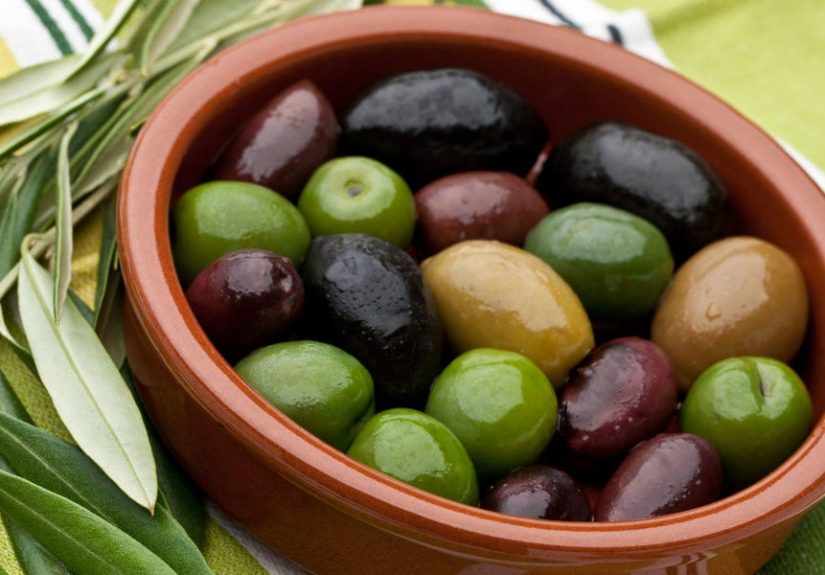
Do green and black olives have different benefits?
They come from the same fruit; color usually reflects ripeness and processing. Nutrition is similar, with variations in sodium, flavor, and certain polyphenols depending on
how they’re cured.
Is olive oil “better” than other plant oils?
Olive oil has a strong research track record and a unique polyphenol profile (especially EVOO). Many other plant oils are also healthy choices. The best oil is the one
you’ll use consistently to replace saturated fats while keeping your overall diet balanced.
Experiences in the real world: what people notice when they add olives & olive oil (about )
Nutrition science is helpful, but daily life is where food habits either stick or vanish into the same dimension as unused gym memberships. When people start adding olives
and olive oil regularly, the most common “experience-based” changes are surprisingly practicalnot mystical.
First, many people notice meals taste better with less effort. Olive oil makes vegetables feel less like a chore and more like a choice. A bowl of roasted
broccoli with a drizzle of olive oil and lemon tastes intentionally delicious; the same broccoli steamed with no seasoning tastes like it’s waiting for a better plan.
When food tastes good, people tend to eat more of the foods they’re trying to eat more of (vegetables, beans, fish), which can improve overall diet quality.
Second, people often report feeling more satisfied after meals. Adding a measured amount of olive oil to a salad or grain bowl can make it feel “complete.”
That doesn’t mean olive oil is a weight-loss hack; it means balanced meals can reduce the urge to snack on ultra-processed foods later. In practice, many people find that
swapping olive oil for creamy dressings (or using less dressing overall) helps them keep flavor while avoiding the “why is this salad 900 calories?” surprise.
Third, there’s a learning curve with flavorespecially for extra-virgin olive oil. Some people expect EVOO to taste neutral like refined oils. Then they try a
high-quality bottle and get fruitiness, bitterness, or a peppery throat tickle. The first reaction is often, “Is this… supposed to do that?” Yes, often it is. Over time,
many people begin to prefer that bolder taste because it signals freshness and makes simple foods (tomatoes, bread, beans) feel like actual cooking.
Fourth, the “olive problem” is usually sodium, not fat. People who love olives sometimes discover they can eat half a jar without thinkingbecause olives are
snackable. Then they notice thirst, puffiness, or that their sodium target disappeared before lunch. The most common fix is simple: treat olives like a condiment. A few
olives chopped into a salad can deliver the same flavor impact as a big handful, especially when paired with acid (lemon, vinegar) and herbs.
Fifth, routines matter more than willpower. People who successfully stick with olive oil long term usually create “default uses”: olive oil becomes the automatic
cooking fat, the automatic salad dressing base, and the automatic finishing drizzle for soups or beans. They also tend to store it well (cool, dark, sealed) and buy a size
they can finish while it still tastes fresh. In other words, they don’t just buy olive oilthey make it easy to use.
Finally, many people experience a subtle shift in how they view fat: not as something to fear, but as something to choose wisely. Olives and olive oil are a gentle,
practical lesson in nutrition: the goal isn’t “no fat.” The goal is the right fats, in the right amounts, supporting the foods you want more of.
Conclusion
So, are olives good for you? In most cases, yesespecially when you treat them like the flavorful, nutrient-rich “supporting actor” they are. And olive oil, particularly
extra-virgin, is one of the most research-backed fats you can use regularly.
The best approach is simple: use olive oil to replace less healthy fats, enjoy olives in sensible portions (watch the sodium), and build meals around plants, fiber, and
quality protein. Do that consistently, and olives stop being just a garnishand start being part of a smarter, tastier way to eat.