Table of Contents >> Show >> Hide
- The “Lucky Coin” That Turned Into an Unlucky Headline
- Why a Coin Is Not “Small” Once a Jet Engine Gets Involved
- The Domino Effect: How One Coin Turns Into a Whole Production
- Why People Do It Anyway: Superstition, Anxiety, and “Control”
- Consequences: Detention, Fines, Lawsuits, and Very Unromantic Paperwork
- How Airlines and Airports Try to Prevent “Coin Luck” Incidents
- A Better “Good Luck” Checklist (That Doesn’t Involve Projectile Metal)
- Extra: of Experiences Around “Coin Toss” Chaos and Engine FOD
- Conclusion: Luck Isn’t a Maintenance Strategy
- SEO Tags
If you’ve ever tossed a coin into a fountain and made a wish, you already understand the plot twist here:
someone tried the same move with an airplane engine. Spoiler: jet engines do not grant wishes. They grant delays.
Sometimes they grant handcuffs.
“Airplane engine coin tossing” sounds like a prank you’d see in a comedy sketchuntil you remember the
“engine” part is attached to a flying machine full of humans and schedules that don’t care about your vibes.
In real-world incidents, passengers have thrown coins toward an aircraft’s engine for “good luck,” triggering
evacuations, long inspections, and flight delays measured in hoursnot minutes.
The “Lucky Coin” That Turned Into an Unlucky Headline
Reports over the last several years show a recurring pattern: a passengersometimes a first-time flyer,
sometimes an older travelertosses coins at or near a jet engine as a superstition-based “blessing.”
Airports and airlines respond the only sane way: stop everything and verify the aircraft is safe.
Example #1: One coin in the engine, 150-ish people off the plane
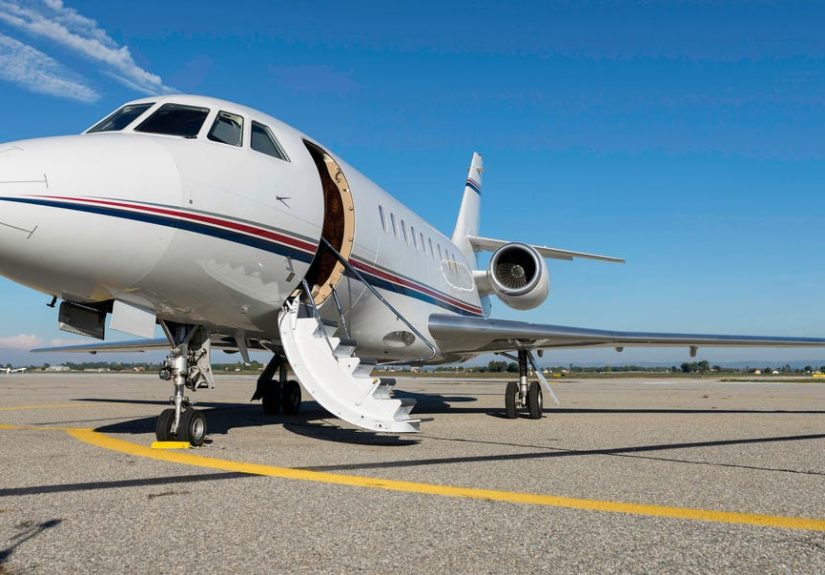
In a widely reported 2017 incident in Shanghai, an elderly passenger threw multiple coins toward a China Southern
aircraft’s engine as a “prayer for a safe flight.” Even though only one coin reportedly ended up inside the engine,
that was enough to evacuate nearly 150 passengers and delay the flight for more than five hours while maintenance
crews cleared and checked the engine.
Example #2: “First flight jitters” meet “here’s your bill”
A later case involved a passenger throwing coins at a jet engine for luck and facing steep financial consequences.
U.S. outlets summarized the outcome in blunt terms: the “good luck” ritual resulted in a very bad day for the traveler,
and the airline pursued damages after the aircraft was grounded for checks.
Example #3: The modern era: viral video, airline warning, and a four-hour delay
In March 2024, a China Southern domestic flight from Sanya (Hainan) to Beijing was delayed about four hours after a
passenger reportedly threw coins into an Airbus A350’s engine area. The airline later shared a warning message and
explained that such behavior can threaten safety and disrupt operationsbecause once a foreign object might be in
an engine, the only acceptable response is: inspect it like your job depends on it (because it does).
Why a Coin Is Not “Small” Once a Jet Engine Gets Involved
Let’s do a quick reality check on scale. A coin in your pocket is harmless. A coin near a turbofan is a tiny piece of
metal with a talent for becoming an expensive problem. In aviation, the umbrella term is Foreign Object Debris
(FOD) and the consequences are called Foreign Object Damagealso FOD, because aviation loves acronyms and
hates your free time.
FOD 101: The “wrong place at the wrong time” problem
FOD is basically anything that doesn’t belong on or around aircraft operating areasrunways, taxiways, ramps, gates
or anywhere a jet might inhale it. The FAA’s guidance on airport FOD management treats prevention as a full program:
prevention, detection, removal, and evaluation. That’s not bureaucracy for fun; it’s because the risk is real.
Jet engines move absurd volumes of air. That airflow is the whole point: suck in air, compress it, add fuel, ignite,
and fling it out the back to make thrust. The front of a turbofan includes a large fan spinning fast enough that
“don’t stand there” becomes a lifestyle. When something like a coin is in the wrong spot, two bad options appear:
(1) it gets ingested, or (2) it bounces around in places you really want to remain “coin-free.”
“But it’s just a coin”and other famous last thoughts
Engineers point out that even small debris can create outsized consequences. A coin can nick or dent blades, cause
vibration, or start a chain reaction of wear. Even when the engine doesn’t catastrophically fail, the
inspection and clearance process becomes mandatoryand that’s where time and money start sprinting away.
Aviation safety experts have been publicly blunt: throwing debrisespecially coinsnear an operational engine is
dangerous and jeopardizes the aircraft and the people on board. Planes are built to handle certain hazards
(like birds, within certified limits), but “loose metal tokens tossed as a ritual” is not a design requirement.
The Domino Effect: How One Coin Turns Into a Whole Production
When someone throws coins at an airplane engine, the airline can’t just shrug and say, “Probably fine.”
“Probably fine” is not an aviation standard. “Verified safe” is.
What happens next (in plain English)
- Operations stop. The aircraft may be held at the gate or pulled from departure flow.
- Maintenance is called. The engine area is searched; crews may use scopes and detailed inspections.
- Documentation happens. Because aviation runs on checklists, logs, and accountability.
- Passengers wait. Sometimes on the aircraft, sometimes back in the terminal, sometimes both.
- Schedules collapse like a cheap lawn chair. Crews time out, gates get reshuffled, connections break.
Airports do FOD “walks” and prevention programs for a reason: debris costs money and threatens safety. Even a small
objectlike a metal screwcan cause catastrophic engine failure if ingested. That’s why airports run awareness campaigns
and why airlines react aggressively to anything that might become engine FOD.
The cost isn’t just the engine
The obvious costs are inspections, potential repairs, and labor. The sneaky costs are bigger: missed slots, crew overtime,
aircraft rotation disruptions, passenger rebooking, and reputational damage. Industry-facing materials and airport safety
communications have cited multi-billion-dollar annual impacts from FOD across aerospace, plus the reality that engine repairs
can be staggeringly expensive relative to the engine’s original value.
Why People Do It Anyway: Superstition, Anxiety, and “Control”
It’s easy to dunk on the ideabecause yes, it’s ridiculous. But the psychology is pretty human:
flying can feel like surrendering control, and rituals are a way some people try to buy certainty with symbolism.
The problem is that a jet engine is not a symbolic object. It’s a high-speed machine with zero interest in your feelings.
Some cases appear to involve first-time flyers who are anxious and leaning on cultural habits. Others involve older passengers
who treat the aircraft like a place to leave a blessing the way you might at a temple, a shrine, or a wishing well.
Unfortunately, the “well” here has fan blades.
The most charitable interpretation is that coin-tossers don’t understand the engineering risk. The least charitable interpretation
is that they do understand and did it anyway. Either way, airlines can’t gamble.
Consequences: Detention, Fines, Lawsuits, and Very Unromantic Paperwork
In multiple reported incidents, the coin-tosser was detained, and airlines pursued penalties or damages. The logic is straightforward:
you cause an operational safety event, you may be held responsible for the disruption and cost.
What about the United States?
While the coin-throwing stories most often surface in overseas incidents, the U.S. legal framing is clear about how seriously
authorities treat interference, tampering, or damaging acts involving aircraft or aircraft facilities. Federal statutes and DOJ
guidance describe severe criminal exposure for conduct that damages or disables aircraft or places dangerous substances in proximity
to aircraft operations. Even without getting into courtroom hypotheticals, the practical takeaway is universal:
messing with planes is not “a quirky travel hack.” It’s a fast path to legal trouble.
How Airlines and Airports Try to Prevent “Coin Luck” Incidents
Because this problem is basically “human behavior meets high-consequence machinery,” the solution is layered:
education, deterrence, and relentless debris control.
1) Formal FOD programs (yes, with binders)
The FAA’s airport FOD management guidance treats debris control as a structured program: prevention, detection, removal,
and evaluation. That means signage, procedures, training, equipment, and continuous improvementnot just “hey, look down sometimes.”
2) FOD walks and ramp culture
Many airports and operators do scheduled “FOD walks,” where teams physically sweep areas for debris. It’s unglamorous,
but it’s one of the most direct ways to keep engines from eating something that doesn’t belong in them.
3) Tool and object accountability
The NTSB has issued safety guidance emphasizing inventorying tools and personal items, using checklists, and reducing human-factor risks
like distraction and fatiguebecause FOD isn’t only “random trash.” It can be a forgotten tool or hardware after maintenance.
A Better “Good Luck” Checklist (That Doesn’t Involve Projectile Metal)
If you’re the anxious flyer in this story (or you’re traveling with one), here are safer rituals that won’t summon maintenance:
- Do the seatbelt check: buckle, tighten, and confirm you can unbuckle without solving a puzzle box.
- Listen to the briefing: yes, you’ve heard it. No, you’re not above it.
- Keep pockets zipped: coins, earbuds, and random tiny items love escaping at the worst time.
- Follow crew instructions: they’re not being dramatic; they’re doing risk management.
- Pick a harmless ritual: text your “I’m boarding” message, tap your lucky keychain, breathe for 30 seconds.
If you absolutely must involve coins for comfort, consider the radical approach of leaving them inside your wallet
where they can’t become aviation snacks.
Extra: of Experiences Around “Coin Toss” Chaos and Engine FOD
People who work around airplanes tend to describe FOD prevention with the same tone firefighters use for smoke alarms:
you don’t appreciate it until the day you really, really need it. Ramp crews talk about the “treasure hunts” that aren’t fun
the slow walk shoulder-to-shoulder across a gate area scanning for anything that glints, rolls, or looks like it fell out of a pocket.
A coin, a screw, a broken plastic clip, a baggage tagnone of it feels dramatic until you picture it getting sucked into an intake.
Travelers experience the other side of the same story: the mysterious delay announcement. You’re seated, you’ve got your
headphones on, and you’re already negotiating with the tray table for elbow real estate when the captain comes on with the
aviation equivalent of “So… funny thing.” The plane isn’t going anywhere yet because maintenance needs to check something.
Nobody says “coin” over the PA, but you can feel the curiosity ripple through the cabin like a group chat going live.
Suddenly everyone is an investigator. People crane their necks. Someone says, “I saw ground crew by the engine.”
Someone else says, “My cousin works at an airport and” (a sentence that has never ended in scientifically reliable data).
Then the practical experience kicks in: connecting flights. Parents recalculating snacks. Business travelers doing the
mental math of “Can I still make my meeting if time becomes a suggestion?” The irony is that the aircraft itself might be
perfectly fineyet the delay is still the correct outcome, because the system treats potential engine contamination like a
real threat until proven otherwise. In aviation, “we checked” is the product.
Maintenance teams, meanwhile, experience the incident as pure procedure. The job isn’t to be amused; it’s to be certain.
They inspect, document, and clear the aircraft methodically. The coin toss, if confirmed, becomes a case study in how
quickly a small object can hijack an operation. And when the plane finally pushes back, you’ll sometimes hear a quiet,
almost collective cabin exhalethe kind you only notice when it happens. It’s not magical. It’s relief.
The lasting “experience lesson” for most people is surprisingly simple: aviation safety is built on layers of boring
excellence. Debris walks. Checklists. Tool counts. Procedures that feel fussy right up until the minute they prevent
something catastrophic. So if you want a travel story, buy the overpriced airport pretzel and call it fate.
Don’t throw coins at an airplane engine and call it luck.
Conclusion: Luck Isn’t a Maintenance Strategy
The headline “man throws coins at airplane” is funny in the way banana peels are funnyuntil someone actually slips.
Jet engines aren’t wishing wells, and airports aren’t places to experiment with superstition. If you care about a safe flight,
the best ritual is simple: follow the rules, keep objects secured, and let trained professionals do what they do best
which is getting you where you’re going without turning your pocket change into a safety incident.