Table of Contents >> Show >> Hide
- What matters most in an ADPKD diet?
- The best foods to build your plate around
- Foods and drinks to limit with ADPKD
- What about potassium and phosphorus?
- A sample day of eating with ADPKD
- How to shop and cook more easily
- When should you talk to a renal dietitian?
- The bottom line
- Real-life experiences people often have with ADPKD and food
When you hear the words autosomal dominant polycystic kidney disease, or ADPKD, it is very easy to assume your future menu is nothing but sadness, plain rice, and a celery stick that has seen things. The good news is that eating with ADPKD is usually not about living on a punishment plate. It is about making smart, steady choices that support your kidneys, protect your blood pressure, and match your current lab results.
That last part matters. ADPKD is not a one-size-fits-all food situation. Someone with early disease and normal potassium levels may eat very differently from someone whose kidney function has declined. So the real answer to “What can I eat?” is this: you can usually eat a balanced, mostly whole-food diet with an emphasis on lower sodium, reasonable protein, healthy hydration, and fewer ultra-processed foods. Then, if your labs or kidney function change, your plan changes too.
In other words, this is less about finding one magical kidney berry and more about building a realistic eating pattern you can actually live with.
What matters most in an ADPKD diet?
If you want the short version first, here it is: most people with ADPKD do best when they focus on the basics. Keep sodium in check. Drink enough fluid, especially water, based on your clinician’s guidance. Avoid going overboard on protein. Choose mostly fresh or minimally processed foods. Keep an eye on weight, blood pressure, and blood sugar. Then, if kidney function drops, be prepared to adjust potassium and phosphorus.
That may sound simple, but simple does not mean unimportant. In ADPKD, blood pressure control is a very big deal. The kidneys and blood pressure are basically dramatic roommates who constantly affect each other. A diet that helps manage blood pressure can help reduce extra strain on the kidneys.
The best foods to build your plate around
Fresh vegetables and fruits
For many people with ADPKD, vegetables and fruits are still very much on the menu. These foods bring fiber, antioxidants, vitamins, and help support overall heart health. That matters because kidney health and heart health are close cousins. A plate built around produce also makes it easier to eat less sodium and fewer heavily processed foods.
Good everyday examples include berries, apples, grapes, cabbage, cauliflower, lettuce, cucumbers, peppers, carrots, onions, green beans, and broccoli. If your kidney function is still fairly good and you have not been told to limit potassium, you may also tolerate foods like bananas, oranges, tomatoes, potatoes, beans, and avocado just fine.
The important catch is this: potassium is not automatically restricted in ADPKD, but it may need to be limited later if your labs run high. So do not ban half the produce aisle just because you saw one scary kidney diet list on the internet at 1:14 a.m.
Whole grains and high-fiber carbs
Carbohydrates are not the villain in this story. The better choice is to lean toward higher-fiber options such as oats, brown rice, quinoa, barley, whole grain bread, and whole grain pasta, especially if you have not been told to avoid them. These foods can help with fullness, energy, and blood sugar control.
If you develop later-stage chronic kidney disease, your dietitian may shift you toward different grain choices depending on potassium, phosphorus, calorie needs, or digestive symptoms. But for many people with ADPKD, whole grains fit well into a balanced plan.
Moderate portions of quality protein
Protein is where a lot of people get confused. Some hear “kidney disease” and decide protein must be evil. Others go the opposite direction and build every meal around a mountain of meat. Neither extreme is especially helpful.
With ADPKD, the smarter move is usually moderate protein. Think fish, skinless poultry, eggs, tofu, yogurt, beans, lentils, or small portions of lean meat instead of giant steakhouse servings that could qualify as gym equipment. Your kidneys have to process the waste from protein metabolism, so more is not always better.
A practical rule is to avoid turning every meal into a protein contest. You want enough protein to maintain muscle and health, but not so much that every lunch looks like a bodybuilder’s social media post. If you ever progress to dialysis, protein needs usually increase, which is another reason personalized guidance matters.
Healthy fats
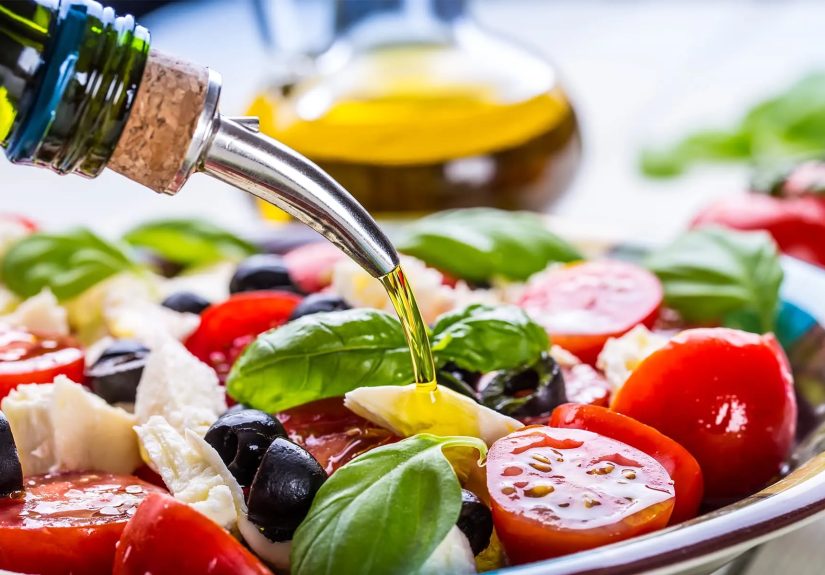
Healthy fats make meals more satisfying and may support heart health. Good choices include olive oil, small portions of nuts and seeds, natural nut butter, and fatty fish such as salmon or trout. These foods can absolutely fit into an ADPKD meal plan.
That said, if your phosphorus or potassium needs become tighter, portion sizes for nuts, seeds, dairy, beans, and some fish may need a closer look. This is where “healthy” and “right for your labs” sometimes stop being identical twins.
Water as your default drink
For many people with ADPKD, water is the best everyday beverage. Staying hydrated may help support kidney health, and it can also help reduce the chance of kidney stones, which are more common in PKD. But this is not a water-chugging competition. “More” is not always “better.”
Your ideal fluid target depends on your kidney function, medications, symptoms, and your clinician’s advice. Some people need to push fluids more intentionally. Others need a more careful target. If you take tolvaptan, hydration becomes even more important because that medication can significantly increase urination and thirst.
Foods and drinks to limit with ADPKD
Sodium bombs
If there is one category most people with ADPKD should watch closely, it is sodium. Too much sodium can make blood pressure harder to control, and high blood pressure is one of the most common and important complications of ADPKD.
The usual troublemakers are not just the saltshaker. They are packaged soups, deli meats, canned meals, chips, frozen dinners, instant noodles, fast food, sauces, restaurant meals, pizza, and anything that tastes suspiciously like it was seasoned by a committee with no restraint.
A strong target for many adults with kidney disease or high blood pressure is around 1,500 to 2,300 milligrams of sodium a day, depending on personal guidance. That means label reading matters. It also means cooking at home more often can make a huge difference.
Huge protein portions
You do not need to fear protein, but it is wise to avoid turning breakfast, lunch, dinner, and snacks into an all-meat parade. Extra-large servings of red meat and high-protein diet trends may put more stress on kidneys that already have enough to deal with.
A better pattern is moderate portions spread through the day. In many cases, fish, poultry, eggs, beans, tofu, and modest portions of dairy work better than oversized burgers and processed meat towers.
Ultra-processed foods with phosphate additives
Phosphorus is another nutrient that becomes more important as kidney function declines. Naturally occurring phosphorus is found in many healthy foods, but phosphate additives in processed foods are a different story because they are absorbed very efficiently.
Where do these additives hide? Soft drinks, processed cheese, packaged baked goods, enhanced meats, fast food, ready-to-eat meals, flavored drinks, and convenience foods love to sneak them in. A good trick is to scan ingredient lists for words containing “phos,” such as phosphoric acid or sodium phosphate.
If your phosphorus levels are normal, you may not need a strict low-phosphorus diet yet. But trimming ultra-processed foods is still a smart move because it often lowers sodium, added sugar, and phosphorus all at once.
Sugary drinks and excess added sugar
ADPKD is not only about kidneys. It is also about protecting the whole body. Sugary drinks, desserts, and highly refined snack foods can make weight control and blood sugar management harder. They also crowd out more nutrient-dense choices.
No, this does not mean your birthday cake is now contraband. It means your everyday pattern matters more than your occasional treat. Water, sparkling water without added sodium, unsweetened tea, and other lower-sugar drinks usually make better routine options than soda, energy drinks, or sugar-loaded coffee beverages the size of a flower vase.
Too much caffeine
Caffeine is one of those topics that makes the internet act like it is either a harmless angel or a kidney-destroying villain. Reality is more boring and therefore more useful. There is no direct proof that caffeine damages polycystic kidneys, but some PKD experts still suggest moderation rather than going full espresso goblin.
A reasonable approach is to keep caffeine modest, especially if it worsens blood pressure, sleep, reflux, or dehydration habits. For many people, that means coffee is not banned, but turning it into a personality trait may not be the best strategy.
Alcohol that pretends to be hydration
If you drink alcohol, keep it moderate. It is not a hydration tool, and too much can worsen blood pressure and add unnecessary calories. If you do not drink, there is no kidney-health reason to start. Fancy glassware does not change the biology.
What about potassium and phosphorus?
This is where ADPKD nutrition becomes more personalized. Many people search “kidney diet” and immediately cut bananas, tomatoes, beans, potatoes, nuts, and dairy. That can be premature.
Potassium and phosphorus are usually restricted based on lab results and kidney function, not by default the moment you are diagnosed. Early in ADPKD, especially with preserved kidney function, many people can still eat a broad, heart-healthy diet. As kidney disease advances, those minerals may need tighter management.
So the smart question is not “Are bananas bad?” The smart question is “What do my labs say, and has my nephrologist or renal dietitian told me to limit potassium?” That is a much more useful question, and frankly, a lot less dramatic.
A sample day of eating with ADPKD
This sample is for someone with ADPKD who has not been told to restrict potassium or phosphorus. If you have abnormal labs, later-stage CKD, or dialysis needs, your plan may look different.
Breakfast
- Old-fashioned oatmeal cooked without added salt
- Blueberries and sliced apples
- One egg or a small serving of plain Greek yogurt
- Water or unsweetened tea
Lunch
- Grilled chicken or baked tofu
- Large salad with lettuce, cucumber, carrots, peppers, and olive oil plus lemon dressing
- Brown rice or quinoa
- Fresh fruit
Snack
- Apple slices with a small amount of unsalted peanut butter
- Or unsalted popcorn
Dinner
- Baked salmon or turkey meatballs made without excess salt
- Roasted cauliflower and green beans
- Sweet potato or a moderate serving of whole grain pasta
- Water
Flavor boosters
Use garlic, onion, lemon juice, pepper, vinegar, rosemary, basil, paprika, thyme, and other herbs instead of leaning on the saltshaker. One warning: some salt substitutes contain potassium chloride, so do not use them automatically without checking whether they fit your kidney plan.
How to shop and cook more easily
Read labels for sodium first
Look at the Nutrition Facts panel and compare brands. Bread, cereal, sauces, canned beans, broth, salad dressing, and frozen meals can vary wildly. The “healthier” package is not always the lower-sodium one, so let the label do the talking.
Cook more often than you order out
Restaurant food tends to be much higher in sodium than home-cooked meals. Even foods that seem innocent, like grilled chicken sandwiches or soup, can carry a shocking amount of salt.
Build meals around whole foods
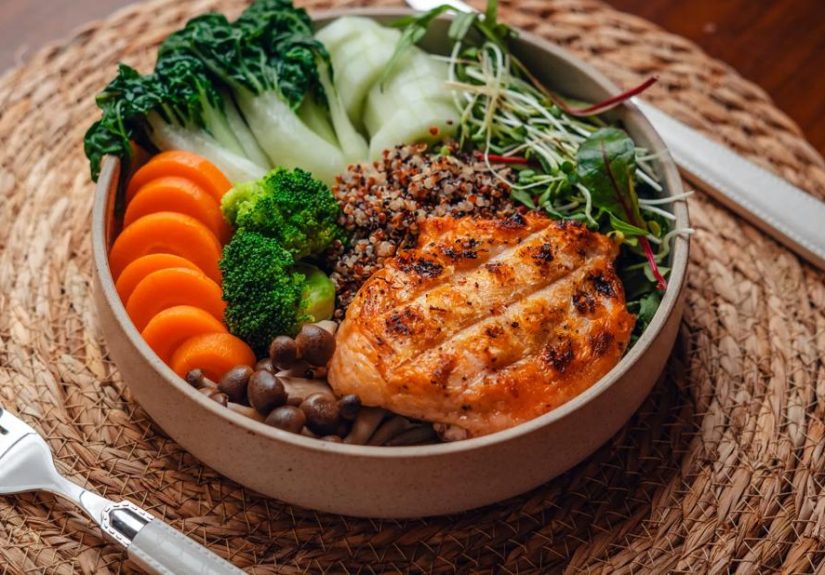
A simple plate template works well: half vegetables and fruit, one quarter whole grains or another smart carb, and one quarter moderate protein. Add healthy fat and water. Repeat without making yourself miserable.
Watch “low sodium” marketing carefully
Some reduced-sodium products replace sodium with potassium. That may be fine for some people and a problem for others. This is why kidney nutrition loves labels and hates assumptions.
When should you talk to a renal dietitian?
Honestly, sooner than most people think. A registered dietitian who understands kidney disease can help you avoid two common mistakes: doing too little, and doing way too much. Both happen all the time.
Ask for extra nutrition help if:
- Your blood pressure is hard to control
- Your eGFR is dropping
- Your potassium or phosphorus is high
- You take tolvaptan and are struggling with hydration
- You also have diabetes, kidney stones, gout, or liver cyst issues
- You feel like every food list online contradicts the last one you read
That last one is not a joke. Kidney nutrition online can feel like a food fight with no referee.
The bottom line
If you have ADPKD, the best diet is usually not extreme, trendy, or miserable. It is a sustainable pattern that helps control blood pressure, keeps sodium lower, includes enough water, uses moderate portions of quality protein, and relies more on whole foods than packaged ones. For many people, that looks a lot like a lower-sodium, heart-healthy eating style with adjustments based on labs.
So what can you eat? Quite a lot, actually. You can eat real meals. You can season your food. You can enjoy vegetables, fruit, grains, and protein. You can still have flavor, convenience, and even dessert once in a while. The trick is not perfection. The trick is building habits your kidneys can live with for the long haul.
Real-life experiences people often have with ADPKD and food
One of the most common experiences after an ADPKD diagnosis is pure food confusion. People often assume they need a strict “renal diet” overnight, so they start cutting sodium, potassium, phosphorus, dairy, beans, tomatoes, bananas, and anything remotely enjoyable all at once. Then they end up standing in the kitchen wondering whether plain ice is still legal. In real life, most people do better when they slow down, learn what actually applies to their stage of disease, and stop treating every internet list like a courtroom order.
Another common experience is discovering that sodium is everywhere. Not just in chips or fast food, but in bread, breakfast cereal, canned soup, rotisserie chicken, sauces, frozen meals, and restaurant food that looked “healthy” on the menu. A lot of people say the biggest shift is not giving up one favorite food. It is learning to read labels and realizing that convenience foods can quietly add up. That can feel annoying at first, but many people also report that once they cook more at home, food starts tasting better and they feel more in control.
Hydration is another major theme. Some people with ADPKD describe a strange balancing act: trying to drink enough water without turning life into a nonstop search for the nearest bathroom. If they take tolvaptan, that challenge can get even more real. People often talk about planning their day around water bottles, refill stops, car rides, work meetings, and bedtime. It sounds small until you live it. A “drink more water” recommendation can be easy in theory and surprisingly demanding in real life.
There is also an emotional side to eating with ADPKD that does not get discussed enough. Many people have watched a parent, grandparent, aunt, or sibling go through the disease. Because of that family history, food choices can carry a lot of emotional weight. A bowl of ramen may not just be a salty dinner. It may trigger fear about blood pressure, kidney failure, or the future. Some people become overly strict because they want to control everything. Others avoid changing anything because the diagnosis already feels heavy. Both responses are understandable.
Social eating can be tricky too. People with ADPKD often describe the awkwardness of restaurant meals, family gatherings, holidays, or work events where the food is extremely salty and nobody understands why it matters. Sometimes the hardest part is not the food itself. It is the conversation around it. “Just one meal won’t hurt,” someone says, while you are trying not to explain your entire nephrology history over mashed potatoes. Over time, many people get more comfortable making small requests, eating a snack before events, or choosing the best option available instead of aiming for a perfect one.
One of the most encouraging experiences people describe is realizing that an ADPKD eating plan can become normal. The first few weeks may feel like homework. Then label reading gets faster. Lower-sodium cooking gets easier. Water becomes routine. Favorite meals get adapted instead of abandoned. People often say the turning point comes when they stop asking, “What can’t I eat anymore?” and start asking, “How can I make this meal work for me?” That mindset shift is powerful. ADPKD may change your relationship with food, but it does not have to take away pleasure, culture, comfort, or confidence at the table.