Table of Contents >> Show >> Hide
- Why Friendsgiving Works So Well
- Step 1: Start With a Plan Before You Buy Anything
- Step 2: Build a Crowd-Friendly Friendsgiving Menu
- Step 3: Use a Hosting Timeline So You’re Not “Cooking by Panic”
- Step 4: Set Up Your Home for Flow, Not Perfection
- Step 5: Don’t Skip the Food Safety Part
- Step 6: Friendsgiving Etiquette That Keeps the Night Smooth
- Common Friendsgiving Problems and Easy Fixes
- Conclusion
- Experience-Based Hosting Lessons (Extended Section)
- SEO Tags
Friendsgiving is the holiday version of a group chat come to life: lots of opinions, a little chaos, and at least one person who says, “I’ll bring napkins,” then arrives with a plant. The good news? Hosting Friendsgiving does not require a giant dining room, a chef’s kitchen, or the ability to roast a turkey while looking calm. It just needs a smart plan, a flexible menu, and a little host energy (the cozy kind, not the “I haven’t sat down in six hours” kind).
This guide walks you through everything you need to host a Friendsgiving that feels warm, organized, and actually funfrom guest list planning and potluck coordination to food safety, setup, and stress-saving shortcuts. Whether you’re hosting in a house, apartment, or “technically this is a studio but we believe in ourselves,” this foolproof plan will help you pull it off.
Why Friendsgiving Works So Well
Friendsgiving is popular for one simple reason: it’s flexible. Unlike a traditional holiday meal with fixed expectations, Friendsgiving is the choose-your-own-adventure version. You can do a full turkey feast, a potluck with themed dishes, a brunch spread, or a comfort-food buffet. You can use real china, mismatched plates, or paper goods that still look cute. The point is togetherness, not perfection.
That flexibility is also what makes hosting easier. When guests contribute dishes, stories, and a little help, the event feels more personal and less like one person is trying to produce a cooking show in real time.
Step 1: Start With a Plan Before You Buy Anything
1) Pick the date and define the vibe
The easiest timing for Friendsgiving is usually the weekend before or after Thanksgiving, when people can actually make it. Once you pick the date, decide what kind of gathering you want:
- Classic dinner: Turkey (or another main), sides, dessert, the whole cozy production.
- Friendsgiving brunch: A genius option if dinner schedules are packed.
- Potluck with a theme: Comfort foods, regional dishes, “family recipes only,” or “no oven required.”
- Appetizer party: Ideal for smaller spaces and less cooking stress.
Setting the vibe early helps with every decision after thatmenu, decor, timing, and what guests should bring.
2) Send invites with actual details
“Come over sometime Thursday-ish” is not a hosting strategy. Send a real invite (text, email, or digital card) with:
- Date and start time
- Address and parking notes
- RSVP deadline
- Potluck instructions (if applicable)
- What not to bring (so you don’t get five pies and no forks)
A smart move is assigning categories, not just saying “bring a dish.” Think: appetizer, veggie side, starch, dessert, drinks, ice, serving spoon, or containers for leftovers. That tiny bit of organization saves a giant headache later.
3) Ask about dietary needs early
This is the host superpower move. Ask guests about allergies and food preferences before the menu is locked. You don’t need to build a separate restaurant menu, but it’s thoughtful to include at least a few options everyone can eat. Labeling dishes is also a huge help (especially for common allergens like nuts, dairy, and gluten).
Step 2: Build a Crowd-Friendly Friendsgiving Menu
The foolproof menu formula
A balanced Friendsgiving menu doesn’t need 17 side dishes and a spreadsheet. Use this structure:
- 1 main protein (or 2 smaller mains)
- 2–3 hearty sides (starch, stuffing, mac and cheese, etc.)
- 1–2 vegetable sides
- 1 salad or fresh element
- 2 easy appetizers
- 2 dessert options
- A drink station (with nonalcoholic options front and center)
If your guest list is large, double the categoriesnot the stress. For example, add one more veggie and one more dessert instead of making everything bigger and harder to manage.
Shortcut-friendly menu ideas that still feel special
“Homemade” doesn’t have to mean “made from scratch while sweating.” Great hosts use shortcuts all the time. Try these:
- Assembly-only appetizers: Cheese board, olives, nuts, cut fruit, crackers, hummus and veggies.
- Slow cooker sides: Free up precious oven space for your main dishes.
- Turkey breast instead of whole turkey: Easier to cook, easier to serve, less dramatic.
- Alternative mains: Roast chicken, braised dishes, or a vegetarian centerpiece.
- Make-ahead desserts: Pies, no-bake desserts, bars, or cookies made the day before.
You can also go nontraditional. Friendsgiving is a great time for a creative menu: fall pizza, casseroles, comfort-food mashups, or regional favorites. The only rule is that it should be easy to serve and enjoyable to share.
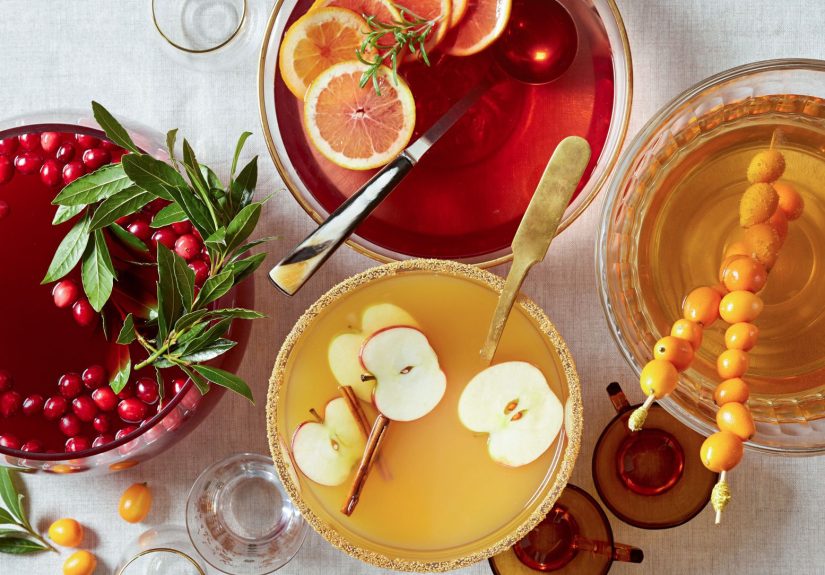
Create a self-serve drink station
A self-serve drink setup is one of the best hosting tricks, period. It keeps people out of your way while making them feel at home.
- A big-batch punch or mocktail
- Water (still and sparkling)
- Apple cider or another seasonal option
- Ice bucket + scoop
- Cups, napkins, and a small trash bowl nearby
If your fridge is packed, move cold drinks to a tub or cooler with ice. That single move can free up enough refrigerator space to save your entire night.
Step 3: Use a Hosting Timeline So You’re Not “Cooking by Panic”
One week before
- Finalize the guest list and menu.
- Assign potluck dishes and serving items.
- Check what cookware and serving pieces you actually have.
- Make a grocery list by section (produce, dairy, pantry, etc.).
- Buy nonperishables, paper goods, and cleaning supplies.
- Declutter your entryway, guest bathroom, and fridge.
Hosts often underestimate how much smoother the event feels when the house is simply decluttered. You do not need to deep-clean your baseboards. Focus on visible, high-traffic areas: entry, bathroom, living room, and kitchen counters.
Two to three days before
- Shop for fresh ingredients.
- Prep anything you can: chop vegetables, make dips, bake desserts.
- Set the table (or at least gather everything for it).
- Create labels for dishes and allergens.
- Make your playlist.
- Empty and organize the fridge so leftovers have a home.
If you’re making a large bird, this is also when timing really matters for thawing and prep. More on that in the food safety section below.
The day before
- Set out serving dishes and utensils with sticky notes (“stuffing spoon,” “pie server,” etc.).
- Prep the drink station.
- Put out candles, table decor, and any games.
- Tidy the guest bathroom and stock towels, soap, and toilet paper.
- Put backup snacks aside for “we’re still cooking” moments.
A host who preps the setup the day before gets to enjoy the event. A host who waits until guests arrive is usually still looking for a trivet while answering the door. Be the first host.
Day of Friendsgiving
- Start with an empty dishwasher and clear sink.
- Clear kitchen counters so you have room to work.
- Set out appetizers early.
- Use a buffet if space is tight.
- Delegate one or two simple jobs (door, drinks, music, photos).
Tiny trick, huge payoff: put a trash bag and a recycling bag somewhere obvious so cleanup starts happening naturally instead of piling up in your kitchen.
Step 4: Set Up Your Home for Flow, Not Perfection
Make your space feel cozy
Guests remember how your home felt, not whether every chair matched. A comfortable setup wins every time:
- Soft lighting (lamps, candles, warm bulbs)
- Enough seating, even if some chairs are borrowed or mismatched
- Throws or pillows in the living room
- A clear place for coats and bags
- Background music low enough for conversation
If your home is small, don’t fight itdesign for movement. Put appetizers in one area, the buffet in another, and drinks somewhere else. This prevents the “everyone is standing in the kitchen doorway” traffic jam.
Buffet-style serving is your best friend
Buffet service is often easier than trying to squeeze every dish onto one table. It also makes the meal feel relaxed and keeps the host from passing gravy across six elbows.
Arrange the buffet in this order:
- Plates and napkins
- Main dish
- Sides
- Salad
- Bread
- Sauces and condiments
- Utensils (or place them at the start)
Put trivets under hot dishes, label anything important, and keep refills nearby. If you’re hosting a potluck, ask guests to bring their dishes in oven-safe or easy-to-serve containers.
Decor that doesn’t create more work
The best Friendsgiving decor is the kind that doubles as something useful:
- Edible centerpiece: A cheese-and-fruit board that looks fancy and feeds people.
- Name cards: Makes even a casual setup feel intentional.
- Photo garland: Personal, inexpensive, and a conversation starter.
- Simple tabletop games: Great for early arrivals and post-meal hangouts.
Translation: don’t build a giant centerpiece no one can see over. Save the table for food and faces.
Step 5: Don’t Skip the Food Safety Part
This is the least glamorous section and the most important one. A great Friendsgiving ends with leftovers and happy texts, not “why do I feel weird?”
Turkey and poultry safety basics
- Thaw safely: If using a frozen turkey, thaw it in the refrigerator (plan roughly 24 hours per 4–5 pounds).
- Do not wash raw turkey: Washing spreads bacteria through splashing.
- Use a food thermometer: Cook poultry to an internal temperature of 165°F.
If a whole turkey feels like a lot, a turkey breast or roast chicken is absolutely a valid Friendsgiving move. Easier cooking, easier carving, same cozy holiday energy.
Keep your prep area safe and sane
Follow the classic food safety basics: Clean, Separate, Cook, Chill.
- Wash hands and prep surfaces often.
- Keep raw meat separate from produce and ready-to-eat foods.
- Use separate cutting boards if possible.
- Don’t let cooked food sit out too long.
Also: make room in the fridge before guests arrive. Leftovers need space, and trying to play refrigerator Tetris at 10:30 p.m. is a terrible way to end a party.
Leftovers: the 2-hour rule matters
Refrigerate leftovers within 2 hours of serving. Store them in shallow containers so they cool faster, and make a plan to eat or freeze them. Most leftovers are best used within 4 days.
A pro move: set out containers before dinner starts. Guests can pack a portion to take home, and your fridge won’t become a crowded museum of half-empty casserole dishes.
Step 6: Friendsgiving Etiquette That Keeps the Night Smooth
Hosting isn’t just foodit’s social logistics. A few etiquette basics prevent 80% of awkwardness:
- Ask guests to RSVP on time: Seating and portions depend on it.
- No surprise plus-ones: The host needs a heads-up.
- Arrive close to the start time: Late arrivals can throw off serving.
- Keep phones off the table during the meal: A quick photo is fine; a scrolling session is not.
- Offer help, don’t take over: Ask what the host needs.
If you’re the host, you can model the vibe. Be warm, be clear, and don’t apologize for every tiny thing. Nobody came to rate your gravy on a 10-point scale.
Common Friendsgiving Problems and Easy Fixes
Problem: Everyone brought carbs
Fix: Keep a simple salad kit, baby carrots, or a veggie tray as backup. Assign categories next time.
Problem: Dinner is running late
Fix: Put out extra snacks and keep drinks flowing. This is exactly why backup appetizers exist.
Problem: Not enough seating
Fix: Mix dining chairs, folding chairs, stools, and even a side table. Cozy beats matching.
Problem: The kitchen is chaos
Fix: Clear counters, move drinks out of the kitchen, and assign one person to help with dishes or trash.
Problem: You’re stressed and not enjoying it
Fix: Stop doing one unnecessary thing. Seriously. Skip the extra garnish, light a candle, and sit down for five minutes. A relaxed host is part of the atmosphere.
Conclusion
A foolproof Friendsgiving is not about making everything perfect. It’s about making the night feel easy, welcoming, and full of good moments. Plan the basics, simplify the menu, prep ahead, set up your space for flow, and handle food safety like a pro. After that, let the gathering be what it’s supposed to be: a table full of people you care about, a few stories that get louder every time they’re told, and a meal that feels like homeeven if half the chairs don’t match.
If you remember only one thing, make it this: the best Friendsgiving hosts don’t do everything themselves. They create the plan, set the tone, and let everyone contribute. That’s not cutting cornersthat’s the whole point.
Experience-Based Hosting Lessons (Extended Section)
The most useful Friendsgiving lessons usually come from the tiny things nobody tells you ahead of time. For example, the first time I hosted a large holiday-style dinner, I spent two days obsessing over the menu and exactly zero minutes thinking about where coats would go. Within 15 minutes of guests arriving, my bedroom looked like a department store exploded. Since then, I always clear one obvious coat area before anyone shows up. It sounds small, but it immediately makes a home feel organized and welcoming.
Another lesson: the kitchen is not the whole party. New hosts tend to hover over the stove like they’re guarding the crown jewels. Meanwhile, the fun is happening in the living room. The easiest fix is creating “stations.” If drinks are self-serve, appetizers are already out, and music is ready, people settle in without needing you every two minutes. The host can step away, breathe, and actually join conversations instead of narrating the oven timer.
Potlucks also teach humility in the best way. You can make a beautiful spreadsheet, color-code every category, and still end up with two mac and cheese dishes. And honestly? That’s usually fine. Friendsgiving doesn’t fail because there are duplicate sides. It fails when the host expects a flawless event and forgets that the charm is in the shared effort. Some of the best tables are a little uneven: one dish is store-bought, one is overachieving, one is “my roommate made this and we’re not sure what it is,” and everybody loves it anyway.
The biggest growth moment for most hosts is learning what not to do on the day of the party. Don’t test a complicated new recipe that requires three pans and emotional support. Don’t deep-clean your oven at noon. Don’t decide to handwrite place cards in calligraphy when guests arrive in an hour. The calmer move is always better: use a tried-and-true recipe, keep decor simple, and prioritize anything that makes the space feel comfortable over anything that looks impressive in a photo.
One of my favorite Friendsgiving memories came from a dinner that started late because the main dish needed more time. Instead of panicking, the host brought out a cheese board, put on a playlist, and tossed a deck of cards on the table. People laughed, snacked, and told stories for nearly an hour before dinner, and it became everyone’s favorite part of the night. That’s the real secret: a “delay” can turn into a great memory if the atmosphere is right.
The final lesson is about cleanup. Hosts often leave leftovers until the end and then hit a wall. The smarter move is to prep for leftovers before dinner starts. Containers out. Marker ready. Fridge space cleared. When the meal wraps up, everyone can help pack food in ten minutes, and suddenly cleanup feels manageable. You end the night tired, yesbut not defeated.
That’s why Friendsgiving is such a great hosting tradition. Every year teaches you something practical: plan earlier, simplify more, ask for help sooner, and keep the focus on people. You don’t need a perfect menu or a picture-perfect table. You need a warm room, a good plan, and enough confidence to say, “Come in, grab a plate, we’re glad you’re here.”