Table of Contents >> Show >> Hide
- How We Picked the Best Knee Braces for Arthritis
- Quick List: The 8 Best Knee Braces for Arthritis
- 1. Bauerfeind Sports Knee Support
- 2. DonJoy OA Adjuster 3
- 3. Shock Doctor 2060 Compression Knit Knee Sleeve
- 4. Mueller Self-Adjusting Hinged Knee Brace
- 5. NEENCA Professional Knee Compression Sleeve
- 6. Vive Hinged Knee Brace
- 7. CAMBIVO Compression Knee Brace
- 8. DonJoy Advantage Deluxe Elastic Knee Sleeve
- How to Choose the Right Knee Brace for Arthritis
- When a Knee Brace Can Help Most
- When to Talk to a Doctor Before Buying Yet Another Brace
- Experience Section: What It’s Actually Like to Wear a Knee Brace for Arthritis
- Final Thoughts
- SEO Tags
If your knee sounds like a bowl of Rice Krispies every time you stand up, welcome to a club nobody asked to join. Knee arthritis can turn simple things like walking the dog, climbing stairs, or getting off the couch into a negotiation with your joints. The good news? The right knee brace can make daily life feel a whole lot less dramatic.
Now, let’s get one thing straight: a brace is not a miracle worker. It will not replace cartilage, reverse arthritis, or magically turn your knees into those of a carefree 22-year-old. But it can add stability, reduce pressure, improve comfort, and help you stay more active, which is exactly what many sore knees need.
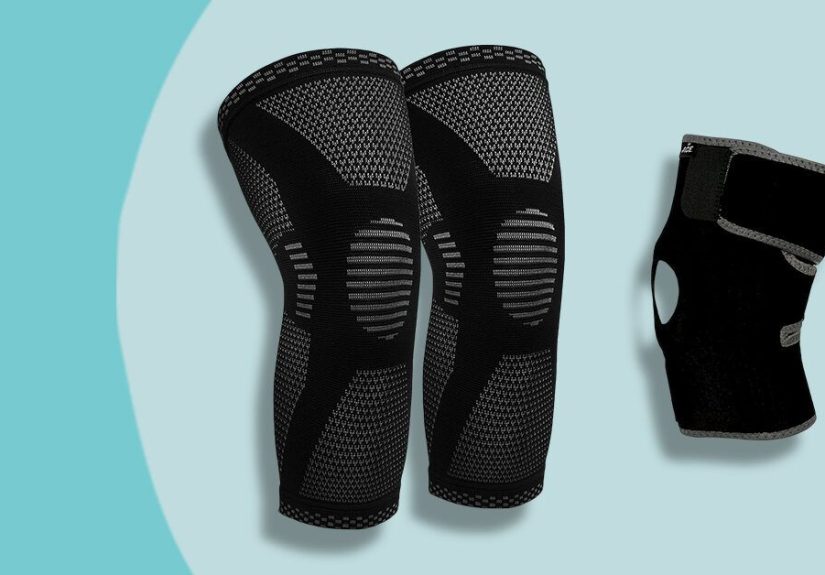
Most evidence around knee braces focuses on osteoarthritis, the most common type of knee arthritis. In general, unloader braces are often the better choice when arthritis affects one side of the knee, while softer sleeves and wraparound braces can work well for mild pain, swelling, or everyday support. That means the “best” knee brace for arthritis depends less on fancy marketing and more on your pain pattern, activity level, and tolerance for wearing what sometimes feels like a tiny knee apartment.
Below, you’ll find eight strong options for different needs, from low-profile compression sleeves to sturdier hinged braces. I also included practical buying advice, fit tips, and a real-world section on what wearing a brace actually feels like over time.
How We Picked the Best Knee Braces for Arthritis
This list is based on current orthopedic and arthritis guidance, recent expert-reviewed roundups, and product details that matter in real life: stability, comfort, breathability, adjustability, profile under clothing, and whether the brace makes you feel supported instead of mildly annoyed. I prioritized braces that fit distinct use cases so this list doesn’t read like the same sleeve wearing eight different nametags.
Quick List: The 8 Best Knee Braces for Arthritis
- Best Overall: Bauerfeind Sports Knee Support
- Best Unloader Brace: DonJoy OA Adjuster 3
- Best for Mild Daily Pain: Shock Doctor 2060 Compression Knit Knee Sleeve
- Best Adjustable Wraparound: Mueller Self-Adjusting Hinged Knee Brace
- Best Budget Brace With Extra Support: NEENCA Professional Knee Compression Sleeve
- Best for Extra Stability: Vive Hinged Knee Brace
- Best Value Multipack: CAMBIVO Compression Knee Brace
- Best Low-Profile Sleeve: DonJoy Advantage Deluxe Elastic Knee Sleeve
1. Bauerfeind Sports Knee Support
Why it stands out: If you want one brace that balances support, comfort, and wearability better than most, this is the one. The Bauerfeind Sports Knee Support is known for breathable knit fabric, targeted compression, and a patella-centered pad that helps distribute pressure without making your knee feel trapped in a medieval device.
Best for
People with mild to moderate knee arthritis who want daily support for walking, workouts, errands, travel, or long days on their feet.
What makes it good
It is supportive without being bulky, and that matters. A brace can be technically “excellent,” but if it’s hot, itchy, or awkward under pants, it ends up living in a drawer. Bauerfeind’s design is popular for a reason: it offers a more athletic, premium-feeling fit that many people actually keep wearing.
Watch-outs
It costs more than the average sleeve. If your arthritis is severe and mostly on one side of the knee, you may need an unloader brace instead.
2. DonJoy OA Adjuster 3
Why it stands out: This is the heavy hitter for unicompartmental knee osteoarthritis, meaning arthritis that’s worse on one side of the knee. Unloader braces are designed to shift pressure away from the damaged area, and DonJoy is one of the most recognized names in that category.
Best for
Moderate to severe arthritis that is mostly medial or lateral, especially if your clinician has already mentioned an offloader or unloader brace.
What makes it good
This brace is built for a very specific job: reducing load where the knee hurts most. If your pain spikes during walking or standing and seems concentrated on one side, this type of brace can make a real difference. It is sturdier, more adjustable, and more medical-grade than a standard sleeve.
Watch-outs
It is bulkier, pricier, and less casual than the softer options on this list. Translation: amazing for the right knee, overkill for the wrong one.
3. Shock Doctor 2060 Compression Knit Knee Sleeve
Why it stands out: This is a smart choice for people who want gentle compression, warmth, and a shape-hugging fit without a bunch of straps. It is often recommended for mild to moderate pain linked to arthritis, bursitis, or tendon irritation.
Best for
Early arthritis, mild swelling, stiffness, and people who want something light enough for everyday use.
What makes it good
The knit construction helps it feel less clunky than traditional neoprene braces. It is easy to slide on, easy to wear under pants, and easier to tolerate for long stretches. For people who mostly need comfort and a bit of stability, that’s often enough.
Watch-outs
If your knee buckles, shifts, or feels unstable side to side, this may not provide enough structure.
4. Mueller Self-Adjusting Hinged Knee Brace
Why it stands out: Some days your knee wants a cozy sleeve. Other days it wants a bodyguard. This Mueller brace leans toward bodyguard. With hinges and self-adjusting straps, it offers more side-to-side support than a simple compression sleeve.
Best for
Arthritic knees that need more stability, especially during longer walks, chores, gardening, travel, or light activity.
What makes it good
The wraparound style is easier to put on than pull-up sleeves, which matters if bending is painful or hand strength is limited. The hinges help control unwanted motion, while the open-back design can reduce bunching behind the knee.
Watch-outs
It is more visible under clothing, and the “one size fits most” approach can be convenient for some people and annoying for others.
5. NEENCA Professional Knee Compression Sleeve
Why it stands out: This brace sits in the sweet spot between a basic sleeve and a more structured support. It usually includes side stabilizers and a gel pad around the kneecap, giving it more support than a plain compression sock for your leg.
Best for
Budget-conscious shoppers who want more than light compression but don’t want to jump to a full hinged brace.
What makes it good
It tends to feel more secure than minimalist sleeves and can be a solid middle-ground option for walking, standing, or general daytime wear. For many people with arthritis, that “middle-ground” design is exactly right.
Watch-outs
Supportive sleeves like this can run warm. If you live in a hot climate or already hate wearing anything snug, keep that in mind.
6. Vive Hinged Knee Brace
Why it stands out: The Vive Hinged Knee Brace is designed for people who want noticeable support and adjustability. It uses straps and side stabilizers to create a more locked-in feel without going full custom brace.
Best for
Arthritis with instability, flare-ups that make the knee feel unreliable, or people who want added support for movement-heavy days.
What makes it good
The open-patella design can reduce pressure around the kneecap, while the hinged sides help provide steadier movement. It is also easier to tighten or loosen during the day, which can be helpful when swelling changes.
Watch-outs
This is not the sleekest option for wearing under slim jeans unless your jeans are emotionally prepared for the challenge.
7. CAMBIVO Compression Knee Brace
Why it stands out: If you want a lower-cost option for light arthritis symptoms, CAMBIVO sleeves are often mentioned as a value pick. They are simple, affordable, and often sold in multipacks, which is handy if you rotate braces or need one for each knee.
Best for
Mild discomfort, light exercise, travel, or anyone who wants an entry-level brace before investing in something more substantial.
What makes it good
Compression sleeves are popular because they are easy. No complicated straps. No instruction manual that feels like aircraft maintenance. Just pull it on and go. If you only need mild support and some warmth, this kind of brace can be enough.
Watch-outs
Compression alone will not do much for more advanced arthritis or significant instability. It is a helper, not a hero.
8. DonJoy Advantage Deluxe Elastic Knee Sleeve
Why it stands out: This sleeve offers a nice upgrade from the flimsy drugstore style. It combines elastic compression with side stabilizers and a buttress around the kneecap, making it a good option for people who want low-profile support with a bit more structure.
Best for
Everyday arthritis pain, mild swelling, soreness after activity, and people who want something supportive but not bulky.
What makes it good
It stays relatively slim under clothing while still offering more reinforcement than a plain knit sleeve. For people who want a practical middle-tier option, it checks a lot of boxes.
Watch-outs
It is not meant to function like a true unloader or heavy-duty hinged brace.
How to Choose the Right Knee Brace for Arthritis
Match the brace to the way your knee hurts
If your pain is mostly on one side of the knee, an unloader brace may be the smarter move. If your knee feels stiff, mildly swollen, or achy during normal activities, a compression sleeve or support brace may be enough. If your knee feels wobbly, unstable, or likes to surprise you on stairs, consider a hinged brace.
Think about wear time
The best brace is the one you’ll actually wear. If you need support all day, comfort matters as much as stability. Breathable fabric, a good fit, and minimal slipping are not “nice extras.” They are the difference between useful and infuriating.
Do not ignore fit
A brace that slides down your calf every 12 steps is not helping. One that is too tight can pinch, irritate skin, or make swelling worse. Measure carefully, follow the size chart, and do a real-life test: sit, stand, walk, climb stairs, and see whether the brace stays put.
Remember that braces work best as part of a bigger plan
Knee braces can support pain relief, but they work best alongside strengthening, low-impact movement, weight management if needed, and treatment guidance from your clinician. In other words, the brace is the sidekick, not Batman.
When a Knee Brace Can Help Most
A knee brace can be especially useful when your pain flares with walking, standing, errands, exercise, or long periods on hard floors. It can also help during travel, since airports have a magical way of turning a mildly cranky knee into a full-time complainer.
Braces may also be useful when you want to stay active without feeling under-supported. That matters because movement is still important for knee arthritis. Gentle exercise, strength work, and activity modification often help more over time than total rest.
When to Talk to a Doctor Before Buying Yet Another Brace
Check in with a clinician if your knee is severely swollen, suddenly hot, locked, giving out, or painful enough to limit daily activities. Also get medical advice if you’re not sure whether your knee pain is from osteoarthritis, rheumatoid arthritis, a meniscus problem, or something else. Buying three random braces and hoping one becomes The Chosen One is a strategy, but not a particularly efficient one.
Experience Section: What It’s Actually Like to Wear a Knee Brace for Arthritis
People often imagine that putting on a knee brace will create an instant movie montage: the music swells, the joint stops aching, and suddenly they are power-walking through the neighborhood like a retired superhero. Real life is usually less dramatic and more practical. For many people with arthritis, the first noticeable change is not “no pain” but “less hesitation.” The knee feels steadier when stepping off a curb, getting out of a car, or climbing stairs. That small sense of trust can be a big deal.
Many first-time users also realize that different braces feel completely different. A soft sleeve can feel comforting, warm, and easy to forget after an hour. A hinged brace feels more obvious, more secure, and sometimes a little bossy. An unloader brace often feels the strangest at first because it changes how pressure moves through the joint. Some people love that right away. Others need a few days to adjust before they stop walking like they are testing a new pair of robotic pants.
Comfort is often the make-or-break factor. People with mild arthritis usually do best when the brace adds support without making the knee feel trapped. If a brace is scratchy, slides down, bunches behind the knee, or makes the leg sweat like it’s training for a marathon, enthusiasm tends to drop fast. That is why lighter knit sleeves are so popular for everyday use. They may not offer maximum support, but they often win the wearability contest.
There is also a psychological side to wearing a brace. Some people feel more confident moving when they have one on. They walk farther, stand longer, and participate more because the knee feels protected. Others become frustrated if they expect the brace to erase pain entirely. The most satisfied users tend to be the ones who see a brace as one part of a larger relief plan, along with exercise, smarter footwear, pacing, and occasional treatment from a medical professional.
Another common experience is learning that the “best” brace changes depending on the day. A slim sleeve may be perfect for grocery shopping or desk work, while a sturdier hinged brace may feel better for yard work, long outings, or travel days. Some people end up keeping two braces: one for regular daily support and another for flare-ups. That may sound excessive until you have tried walking through a warehouse store on a painful knee and started bargaining with your cartilage like it owes you money.
Over time, people who get the most value from a knee brace usually become good observers of their own symptoms. They notice whether compression helps swelling, whether side support improves confidence, and whether the brace still feels right after an hour instead of just the first five minutes. That kind of feedback matters more than hype. Arthritis management is rarely about finding one magical product. It is about stacking small advantages until your day feels easier, your knee feels calmer, and ordinary movement becomes less of a chore.
Final Thoughts
The best knee brace for arthritis depends on what your knee actually needs. If you want a strong all-around choice, the Bauerfeind Sports Knee Support is an excellent place to start. If your arthritis is mostly on one side of the knee, the DonJoy OA Adjuster 3 is the more targeted option. If you just need mild support for everyday comfort, the Shock Doctor 2060 or DonJoy Advantage Deluxe Elastic Knee Sleeve may be enough.
Whatever you choose, aim for a brace that fits well, feels wearable, and supports the way you move through the day. Because when your knee is already being dramatic, your brace really should not be.