Table of Contents >> Show >> Hide
- Before You Start: What “Lose 10 Pounds” Really Means (and Why Your Scale Is a Drama Queen)
- Tip 1: Build Meals Around Protein + Fiber (a.k.a. The “Stay Full Longer” Combo)
- Tip 2: Use the Plate Method + Portion Cues (So You Don’t Have to Marry a Calorie-Tracking App)
- Tip 3: Drink Water More Oftenand Audit Liquid Calories
- Tip 4: Move More DailyNot Just “Workout More”
- Tip 5: Strength Train 2–3 Times a Week (Because Muscle Is Metabolism’s Best Friend)
- Tip 6: Sleep Like It’s Part of the Plan (Because It Is)
- Tip 7: Make Consistency Easier Than Willpower (Plan, Prep, and “Friction-Proof” Your Choices)
- Bonus: Common Mistakes When Trying to Lose 10 Pounds (So You Can Skip the Detours)
- of “What This Actually Feels Like” (Experiences People Commonly Report)
- Conclusion
Losing 10 pounds can be a realistic goal for many adultsbut the best way to get there isn’t a dramatic “new you by next Tuesday” reboot.
It’s a set of small, repeatable habits that quietly (and sometimes annoyingly) work.
Important note: if you’re under 18, pregnant, managing a medical condition, taking medications that affect appetite/weight, or you’ve ever struggled with disordered eating,
talk with a clinician or registered dietitian first. For teens especially, the healthiest goal is often building better routines (and letting growth do its thing), not chasing a number on a scale.
This guide keeps things practical and sustainableno starvation, no “detox” nonsense, and no pretending you can out-jog a daily drive-thru habit.
Here are 7 tips for how to lose 10 pounds by improving the stuff that actually moves the needle: what you eat, how you eat, how you move, how you sleep, and how you set up your environment.
Before You Start: What “Lose 10 Pounds” Really Means (and Why Your Scale Is a Drama Queen)
First, a quick reality check: your body weight naturally fluctuates day to day based on hydration, sodium, hormones, digestion, and how many “just one more” bites happened near the pan.
That means the scale can go up even when you’re doing everything right. Rude, but normal.
For most adults, losing 10 pounds tends to work best when it’s steadybuilt on habits you can repeat for months, not a short-term suffering contest.
If you focus on the inputs (meals, movement, sleep, consistency), the output usually follows.
Tip 1: Build Meals Around Protein + Fiber (a.k.a. The “Stay Full Longer” Combo)
If you want to lose weight without feeling like a hungry raccoon in a bright kitchen at midnight, prioritize protein and fiber.
They slow digestion, support fullness, and make meals feel “complete,” which helps reduce random snacking by accident.
What this looks like in real life
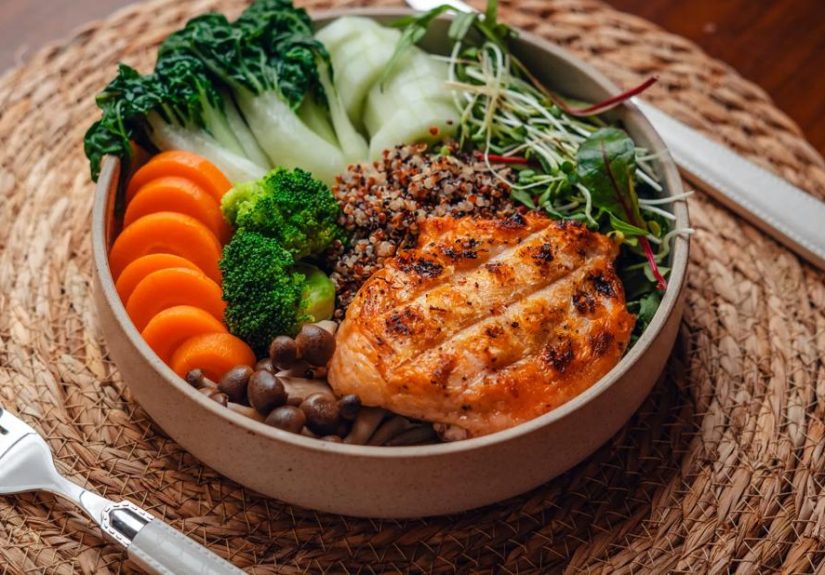
- Breakfast: Greek yogurt + berries + a spoon of nuts or chia
- Lunch: Chicken/beans/tofu salad with lots of crunchy veggies
- Dinner: Salmon (or lentils) + roasted vegetables + a portion of rice or potatoes
- Snack: Apple + peanut butter, or hummus + carrots
Small upgrade that adds up
If you usually start a meal with mostly refined carbs (think: plain pasta, white rice, a bakery item the size of a toddler’s head),
try adding a protein and a high-fiber side. You’re not “banning” foodsyou’re anchoring them.
Tip 2: Use the Plate Method + Portion Cues (So You Don’t Have to Marry a Calorie-Tracking App)
Many people lose 10 pounds by simply reducing portions of the most calorie-dense foods while keeping meals satisfying.
A simple way to do that is the “plate method” style approach: aim for a plate that’s heavy on non-starchy vegetables, includes a solid protein,
and adds a reasonable portion of carbs and healthy fats.
Easy portion cues (no measuring cups required)
- Use a smaller plate or bowl for calorie-dense foods (yes, it works; your eyes negotiate with your stomach).
- Serve once, then pause before seconds. Give your fullness signals time to show up.
- Keep “add-ons” honest: oils, creamy sauces, cheese, sugary condimentstiny things can quietly become big things.
Example: the same meal, smarter structure
Instead of a huge bowl of pasta with a little sauce, try: a moderate portion of pasta, extra veggies mixed in, and chicken/beans on top.
Same comfort, better balance, fewer “why am I hungry again?” moments.
Tip 3: Drink Water More Oftenand Audit Liquid Calories
Water isn’t a magical “fat-melting” potion. But replacing sugary drinks with water (or unsweetened options) is one of the easiest ways to reduce extra calories
without feeling deprived. Liquid calories are sneaky because they don’t always make you feel full.
Quick wins
- Make water the default at meals.
- If you want flavor: add citrus, mint, or try sparkling water.
- Keep an eye on “healthy-sounding” drinks: sweet coffee drinks, juice, energy drinks, and smoothies can stack calories fast.
Example swap
If your afternoon pick-me-up is a sweetened drink, try half-sweet (or unsweetened) iced tea/coffee plus a high-protein snack.
You keep the ritual, lose the sugar spike-and-crash cycle.
Tip 4: Move More DailyNot Just “Workout More”
Exercise helps, but weight loss often improves fastest when you increase your total daily movementthe walks, stairs, errands, chores, and “I’ll park farther away”
decisions that happen outside the gym. This is especially helpful if you’re busy or you don’t love formal workouts.
A simple movement plan you can actually keep
- Take a 10–15 minute walk after one meal per day (pick the meal you can stick with).
- Stand up and move for 2–3 minutes each hour (set a timer if your day disappears into a chair).
- Choose one “automatic movement” habit: stairs, walking meetings, dog walks, evening stretch.
Why this works
Consistency beats intensity. A little more movement every day can add meaningful calorie burn over weekswithout triggering the “I did HIIT once,
therefore I deserve a pizza the size of a steering wheel” effect.
Tip 5: Strength Train 2–3 Times a Week (Because Muscle Is Metabolism’s Best Friend)
When people lose weight, they can lose both fat and muscle. Strength training helps preserve (or build) muscle, which supports body composition and keeps you feeling strong.
Also: carrying groceries becomes less of a negotiation with gravity.
Beginner-friendly strength training ideas
- Bodyweight circuit: squats, push-ups (incline is fine), glute bridges, rows with a band
- Dumbbell basics: goblet squat, Romanian deadlift, overhead press, one-arm row
- Time-smart: 20–30 minutes, 2–3 days per week
Pro tip
If you’re sore the next day, that doesn’t mean you “did it right.” It just means your body is adapting. Start lighter than your ego suggests and build gradually.
Tip 6: Sleep Like It’s Part of the Plan (Because It Is)
Short sleep can increase hunger, cravings, and “decision fatigue,” making it harder to stick with healthy eating.
When you’re tired, your brain tends to choose quick energy and big portionsbecause it’s trying to keep you functional, not Instagrammable.
Sleep upgrades that help with weight goals
- Keep a consistent sleep/wake time most days.
- Build a 20–30 minute wind-down routine (dim lights, stretch, read, shower).
- Keep caffeine earlier in the day if it disrupts your sleep.
Adults often do best around 7–9 hours; teens typically need 8–10 hours.
If you’re consistently under that, fixing sleep can make everything else easierespecially appetite control.
Tip 7: Make Consistency Easier Than Willpower (Plan, Prep, and “Friction-Proof” Your Choices)
The people who lose 10 pounds and keep it off usually aren’t “more motivated.”
They’re better at setting up routines so healthy choices happen on autopilot.
Three practical systems that work
- Default meals: Pick 2–3 breakfasts and lunches you enjoy and can repeat (rotation beats reinvention).
-
Smart snacks: Keep protein/fiber snacks visible and ready (yogurt, fruit, nuts, hummus, cheese sticks, edamame).
Make ultra-processed snacks less convenientnot forbidden, just not the first thing you see. -
Plan for “real life”: If weekends are the danger zone, decide ahead: one treat meal, not a treat weekend.
Enjoy it, then go back to normal eatingnot “punishment eating.”
Mindset that prevents rebound
Aim for “mostly” healthy, not “perfect.” Perfection is fragile. “Mostly” is durable.
If you slip, you don’t need a restartyou need your next normal meal.
Bonus: Common Mistakes When Trying to Lose 10 Pounds (So You Can Skip the Detours)
- Going too extreme: Severe restriction can backfire with cravings and overeating later.
- Drinking your calories: Sweet drinks add up fast and don’t fill you up much.
- Ignoring sleep: Tired you will not behave like motivated you.
- Over-relying on workouts: Exercise helps, but eating patterns usually drive most of the change.
- All-or-nothing thinking: One off-track meal isn’t failure; it’s Tuesday.
of “What This Actually Feels Like” (Experiences People Commonly Report)
If you’re expecting the journey to feel like a highlight reelcute salads, glowing skin, and effortless morning runslet’s gently reset expectations.
For many people, losing 10 pounds feels more like a series of small, slightly awkward upgrades that become normal over time.
The first week often comes with a burst of motivation and a weird amount of excitement about grocery shopping. You might notice quick changes on the scale,
especially if you’re cutting back on salty, ultra-processed foods or sugary drinks. That early drop can be partly water weight, which is normal.
The win is not the numberit’s that your routines are starting to change.
Week two and three is where it gets real. The novelty wears off, and your brain starts negotiating:
“We walked yesterday. Surely we’ve earned a celebratory dessert the size of a throw pillow?”
This is the stage where systems matter more than vibes. People who do well here usually have a couple of reliable meals they enjoy,
snacks that don’t trigger a snack-spiral, and an easy movement habit (like a short walk after lunch) that doesn’t require a pep talk.
They also learn that hunger isn’t an emergencyit’s information. The goal becomes eating in a way that keeps hunger manageable:
protein at meals, fiber most days, and enough overall food that you don’t feel desperate by late afternoon.
Then comes the plateauthe point where you’re doing the same good things, but the scale stalls like it’s waiting for a better offer.
This is extremely common. Many people find it helps to track progress in other ways: how their clothes fit, energy during the day, strength in workouts,
or waist measurements taken occasionally (not obsessively). Plateaus are also when sleep and stress show their power.
A rough week can lead to more cravings, less patience, and “accidental” extra bites. The fix usually isn’t punishment. It’s returning to basics:
a consistent bedtime, a couple of balanced meals, water as default, and a walk to clear your head.
Social life is another big experience factor. People who successfully lose 10 pounds tend to keep their goal without becoming “the person who can’t eat anything.”
They choose moments that matterpizza night with friends, a family celebrationthen they go back to their normal routine the next meal.
No guilt, no cleanup marathon. Over time, the most surprising experience is that your taste and habits can shift.
You may start craving fresher foods, feeling better after balanced meals, and noticing that some old go-to snacks don’t hit the same.
Not because you “have more willpower,” but because your environment and routines are doing more of the work for you.
Finally, a gentle reminder: if you’re a teen, your body is still growing and changing. A healthier routinebetter sleep, more daily movement, balanced mealscan improve how you feel
without making weight loss the main scoreboard. If weight is a concern, it’s safest to involve a healthcare professional who understands teen growth and nutrition.
Conclusion
If you want to lose 10 pounds, think less about a “perfect plan” and more about a repeatable week:
protein and fiber at meals, simple portion structure, fewer sugary drinks, more daily movement, strength training a couple days a week, and better sleep.
Do those consistently, and your results are far more likely to be realand to last.