Table of Contents >> Show >> Hide
- Why This NYC Townhouse Feels So Inviting
- Lesson 1: Layer Old and New for a Lived-In Look
- Lesson 2: Comfort Should Be Visible, Not Just Theoretical
- Lesson 3: Break Up Long Rooms to Create Emotional Warmth
- Lesson 4: Tactile Materials Do More Than Paint Ever Could
- Lesson 5: Use Color to Cocoon, Not Just Decorate
- Lesson 6: Let Practical Rooms Have Personality Too
- How to Bring These Cozy Townhouse Ideas Into Your Own Home
- Extended Reflections: What a Cozy Townhouse Really Teaches You About Living Well
New York City townhouses have a reputation for being dramatic, vertical, and just a little bossy. They come with soaring ceilings, long sightlines, historic bones, and enough stairs to count as cardio. But when one recently transformed Greenwich Village townhouse stepped into the spotlight, it offered something even more interesting than architectural swagger: a master class in coziness.
The home, reimagined by a roster of top designers, proved that cozy design is not code for clutter, cabin clichés, or throwing a knit blanket at every available chair and hoping for the best. Instead, the most inviting interiors rely on a thoughtful mix of warmth, texture, color, comfort, personality, and function. In other words, cozy is less about square footage and more about emotional temperature.
That is exactly what makes this townhouse such a compelling design case study. It blends traditional details with fresh ideas, balances artistic risk with livability, and turns even practical rooms into spaces with soul. If you want your own home to feel warmer, softer, and more lived-in, these six cozy design lessons are worth stealingpolitely, of course.
Why This NYC Townhouse Feels So Inviting
What sets a transformed NYC townhouse apart from a standard pretty interior is its ability to make grandeur feel personal. Townhouses often come with elongated rooms, historic moldings, multiple levels, and a delicate balance between preservation and modern living. That can easily tip into “beautiful but intimidating.” This home goes the other direction. It feels layered, welcoming, and deeply human.
The secret is not one magic sofa or one expensive paint color. It is the cumulative effect of smart design decisions: softer lighting, tactile materials, richer hues, collected furnishings, visual zoning, and a willingness to let art and personality wander beyond the formal living room. Cozy design, at its best, is composed. It tells you to sit down, stay awhile, and maybe cancel your evening plans.
Lesson 1: Layer Old and New for a Lived-In Look
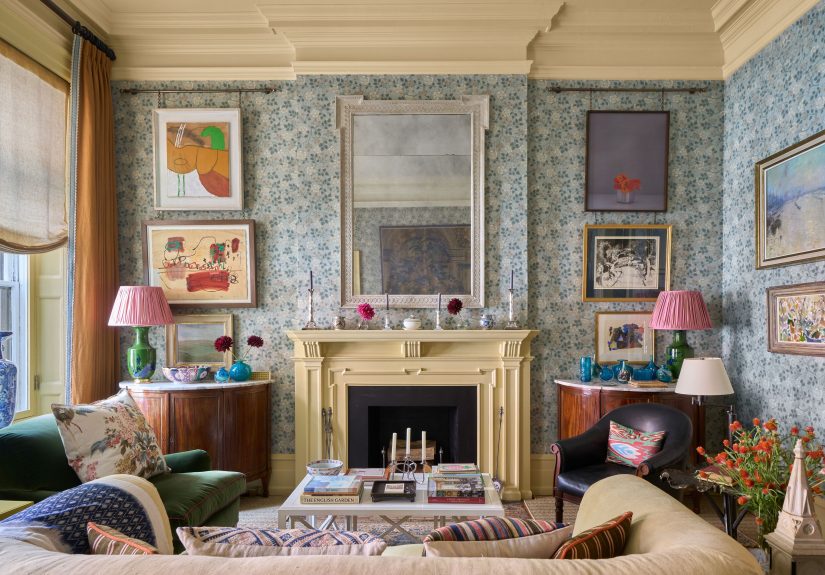
One of the strongest lessons from this townhouse is that cozy rooms rarely feel too coordinated. The most successful spaces mix furniture and accessories from different eras so the room feels like it evolved naturally over time. Traditional pieces bring gravitas and familiarity, while midcentury or contemporary accents prevent the space from feeling frozen in amber.
This kind of layering is especially effective in a townhouse, where original architectural details can easily dominate. Instead of matching the shell with overly formal furniture, the better move is contrast. Try a classic mantel with a modern lamp. Pair tailored upholstery with a sculptural side table. Put a contemporary artwork above antique-inspired millwork. The room immediately feels more dynamic and less like a museum docent might pop out and ask you not to touch anything.
How to apply it at home
Start with one anchor style, then add a second that softens or sharpens it. If your room has traditional bones, bring in a clean-lined coffee table or modern art. If your space is newer and simpler, add vintage wood pieces, pleated shades, or timeworn finishes. The goal is depth, not chaos. Cozy interiors usually look collected, not purchased in a single triumphant weekend.
Lesson 2: Comfort Should Be Visible, Not Just Theoretical
There is a big difference between a room that looks nice in photos and a room that actually invites people to sink in. This townhouse leans into visual comfort: softer cushions, welcoming silhouettes, gentle curves, and upholstery that suggests actual human use. Cozy design is not performative. It should work when guests arrive, when family gathers, and when someone wants to read a book for two hours without developing a new opinion about lower-back pain.
That means choosing furnishings that look relaxed instead of stiff. Slouchier seat cushions, plush textiles, and layered throw pillows can make a formal room feel approachable. Designers increasingly use softness as a counterbalance to strong architecture, especially in urban homes where plaster walls, stone fireplaces, or crisp millwork can skew a bit severe.
How to apply it at home
Choose upholstery with texture and give preference to pieces with generous proportions. Add a mix of tactile fabrics like velvet, bouclé, wool, linen, or brushed cotton. Keep the palette cohesive so the softness feels intentional rather than messy. In a compact townhouse or apartment, even one deeply comfortable chair can change how the whole room reads.
Lesson 3: Break Up Long Rooms to Create Emotional Warmth
Townhouses often have one classic design challenge: long, narrow rooms that can feel more like elegant corridors than places to linger. One of the smartest lessons from this transformed home is the use of visual zoning. Instead of treating a long room as one uninterrupted expanse, designers divided it into functional zones using furniture placement, ceiling details, wall treatments, and drapery.
This trick matters because coziness depends on intimacy. A huge room with no zones can feel exposed, even if it is beautifully decorated. But split that same room into a conversation area, reading nook, or study corner, and suddenly it feels warmer and more usable. The eye gets places to rest. The body understands where to go. The room becomes not just bigger, but better.
How to apply it at home
Use rugs to define zones. Float furniture away from the walls to form conversation groupings. Try a console table behind a sofa, a pair of chairs near a window, or curtains that visually frame one section of the room. If your townhouse has open sightlines, subtle architectural touches like molding, paint shifts, or wallpaper can create separation without closing things off.
Lesson 4: Tactile Materials Do More Than Paint Ever Could
Paint is great. Wallpaper is charming. But if you really want warmth, texture is the heavyweight champion. One standout idea from the townhouse makeover was the embrace of alternative natural materials, including richly tactile wall and ceiling finishes. These surfaces add depth in a way flat paint simply cannot. They catch light differently, soften acoustics, and make a room feel grounded.
Cozy design often depends on what your eyes think your hands would enjoy touching. Cork, plaster, wood paneling, linen wall coverings, woven shades, aged brass, natural stone, and handmade ceramics all contribute to that feeling. They keep a room from feeling sterile, especially in homes where modern updates might otherwise remove too much character.
Natural materials also play nicely with townhouse architecture. Historic interiors often benefit from finishes that echo age, craftsmanship, and imperfection. That does not mean every wall should become a rustic science experiment. It means even one or two tactile elements can make a clean room feel soulful.
How to apply it at home
Bring in texture on multiple levels. Add grasscloth or limewash in one room. Use a nubby rug in the living area. Choose woven or pleated lampshades instead of plain white cylinders. Mix smooth and rough finishes so the space feels layered. In cozy interiors, texture is what lets neutrals have a personality.
Lesson 5: Use Color to Cocoon, Not Just Decorate
This townhouse also makes a strong argument for strategic, mood-forward color. Instead of treating color as a garnish, the designers used it to shape how rooms feel and function. Deep blues, warm woods, earthy greens, and enveloping tones created restful zones and gave individual spaces their own emotional identity.
That is a major cozy design lesson. Color is not only visualit is atmospheric. Rich hues can make oversized rooms feel intimate, while tonal layering can make a compact room feel serene instead of cramped. The recent popularity of color drenching and warm, earthy palettes speaks to the same instinct: people want homes that feel immersive, not clinical.
In a townhouse, color can also help distinguish one floor or room from another without losing cohesion. A moody library, a soft plastery bedroom, and a warm kitchen can all belong to the same house if the undertones and materials speak the same language. Think of it as interior design with a shared family group chat.
How to apply it at home
Try one cocooning room first. A bedroom, den, or dining room is ideal. Use a deeper wall color and echo it in textiles, trim, or accents for a layered effect. Pair cool colors with warm woods to avoid starkness. If you prefer neutrals, lean into mushroom, camel, taupe, olive, rust, or dusky blue rather than flat builder-grade beige.
Lesson 6: Let Practical Rooms Have Personality Too
Perhaps the most delightful lesson from this transformed NYC townhouse is that warmth should not stop at the kitchen door. One of the takeaways from the project is the use of art and decorative styling in more functional spaces, especially the kitchen. This is a simple but effective shift in mindset. Kitchens are often designed for tasks, but they are also places where people gather, talk, snack, hover, and reheat coffee for the third time.
Adding framed art, softer lamps, vintage accessories, warm-toned lighting, or even a more furniture-like layout can make a kitchen feel connected to the rest of the home. The same applies to hallways, landings, and transitional spaces in a townhouse. These areas should not feel like design leftovers. They can carry mood just as powerfully as a main living room.
When practical rooms get the same decorative attention as formal spaces, the entire home feels more cohesive and more personal. That is the real essence of cozy design: not perfection, but consistency of care.
How to apply it at home
Add a small lamp to the kitchen counter, hang art near a breakfast nook, or use warm metal finishes and decorative ceramics on open shelving. In a hallway, use wallpaper, a runner, or a beautiful sconce. Think of every pass-through space as an opportunity to deepen the atmosphere of the home.
How to Bring These Cozy Townhouse Ideas Into Your Own Home
You do not need a Greenwich Village address, a landmark façade, or a decorator show house budget to borrow these lessons. What you do need is a shift in priorities. Instead of asking, “Does this room look finished?” ask, “Does this room feel good?” Cozy homes answer with warmth, softness, and signs of real life.
Begin with the easiest wins: better lighting, more texture, and a little less fear around color. Then move into layout and layering. Use your architecture, whether old or new, as a backdrop rather than a strict rulebook. Blend eras. Add natural materials. Let art loosen up the serious spaces. And remember that coziness is not a style categoryit is a mood created by many small choices working together.
That is why this transformed NYC townhouse resonates. It does not just look beautiful. It feels inhabited, welcoming, and deeply considered. In an era of overly polished rooms and algorithm-approved sameness, that kind of warmth is not just stylish. It is a relief.
Extended Reflections: What a Cozy Townhouse Really Teaches You About Living Well
There is also something bigger going on in a home like this, beyond paint colors and upholstery decisions. A transformed NYC townhouse reminds us that design is really about behavior. The rooms we create influence the way we move, gather, rest, and connect. A cozy space nudges you to slow down. It makes you want to light a lamp instead of the overhead spotlight of doom. It encourages conversation instead of scrolling, reading instead of rushing, and staying home without feeling like you have somehow missed the party.
That might be why townhouse interiors feel so emotionally rich when they are done well. They usually have a mix of public and private spaces, tighter transitions, and more architectural rhythm than a wide-open modern plan. You pass through entry halls, up staircases, into tucked-away bedrooms, across landings, and down toward kitchens that often function like the heart of the house. That sequence creates opportunities for mood. Every floor can have its own tone, and every room can offer a slightly different version of comfort.
From a lived experience standpoint, the coziest homes are the ones that allow you to exhale. Maybe it is a library painted in a moody color that makes rainy afternoons feel cinematic. Maybe it is a kitchen with a little lamp glowing in the corner, making the room feel more like a café than a task zone. Maybe it is a narrow parlor made inviting by two chairs, a soft rug, and art that says someone with a pulse lives here. These details matter because they turn decoration into atmosphere.
Another lesson is that cozy does not mean small-minded. This townhouse shows how boldness and comfort can coexist. A dramatic wallpaper, a whimsical pedestal, or a striking piece of contemporary art does not automatically make a room cold. In fact, daring choices often make a space feel more personal, and personality is one of the fastest routes to warmth. People respond to rooms that reveal a point of view. They remember spaces that feel specific.
There is also a practical side to all this. Homes that feel cozy are often easier to use because they have been designed around real habits. Zoning a long room makes it more functional. Using layered lighting makes it work from morning through evening. Choosing forgiving textures and collected furnishings can make family life feel more natural and less precious. In that sense, cozy design is not only aestheticit is strategic.
And perhaps that is the most valuable takeaway from a transformed NYC townhouse. The best interiors are not trying to impress from a distance. They are trying to support life up close. They create beauty, yes, but they also create ease. They honor architecture without becoming stiff, and they embrace comfort without giving up sophistication. That balance is what so many homeowners are chasing now.
So whether you live in a historic brownstone, a suburban split-level, or an apartment with exactly one charming feature and a radiator that sounds opinionated, the lesson still applies: cozy design is about intention. It is the art of making a home feel like a place where people can truly be themselves. And honestly, that never goes out of style.
Note: SEO tags are provided below in JSON format for easy web publishing.